
Ashland County GOP Luncheon Opens 2026 With Commissioner Candidates Forum at Brethren Care Village
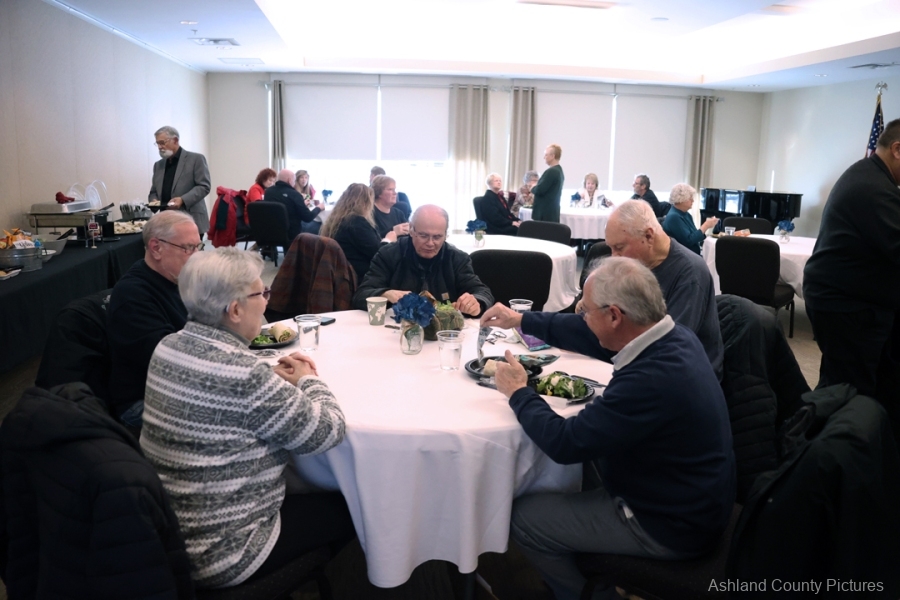
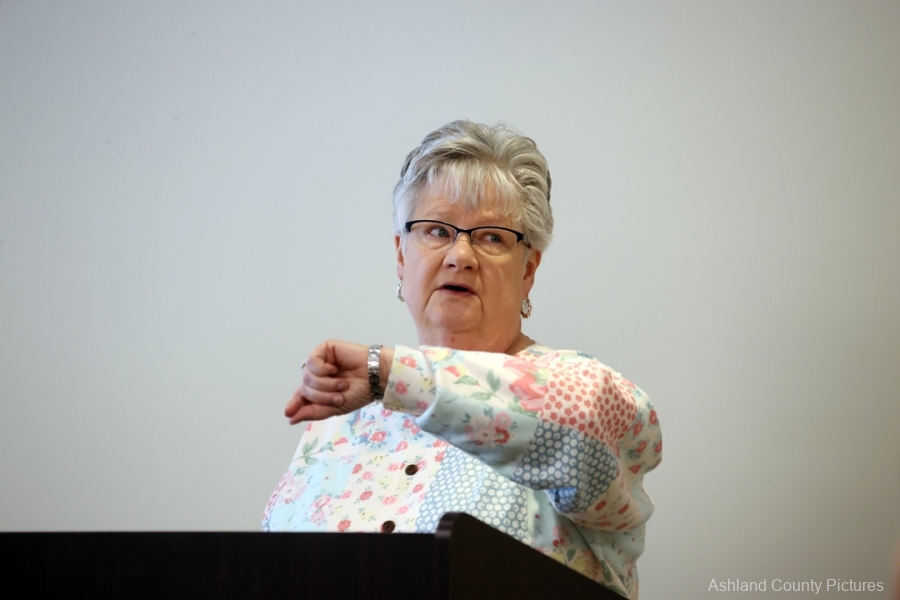
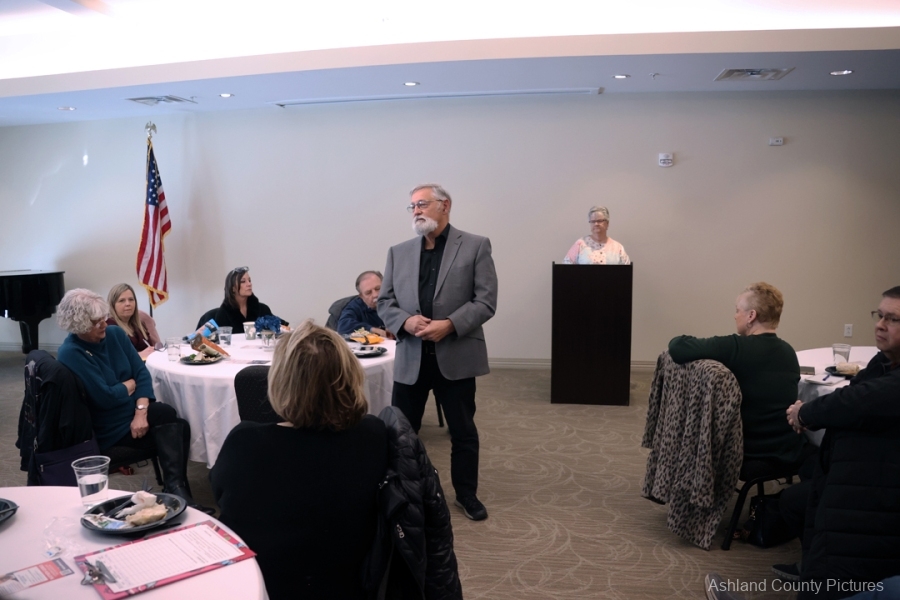
ASHLAND COUNTY, OH — The Ashland County Republican Party kicked off its first monthly luncheon of 2026 on Wednesday, Jan. 28, hosting a crowded, midday candidates forum for the Republican nomination for Ashland County Commissioner at the Brethren Care Village Wellness Center Community Room.
The room’s turnout was described as “a good sign” of local interest in the race. Before speeches began, attendees were given ground rules: each candidate would receive 10 minutes, with no interruptions and no questions during their allotted time, followed by a question-and-answer period after all candidates had spoken.
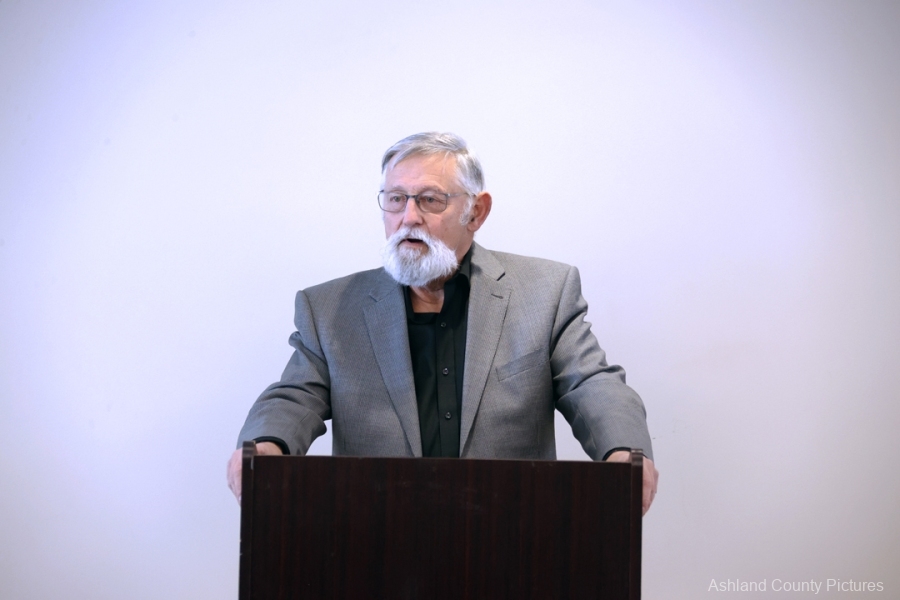
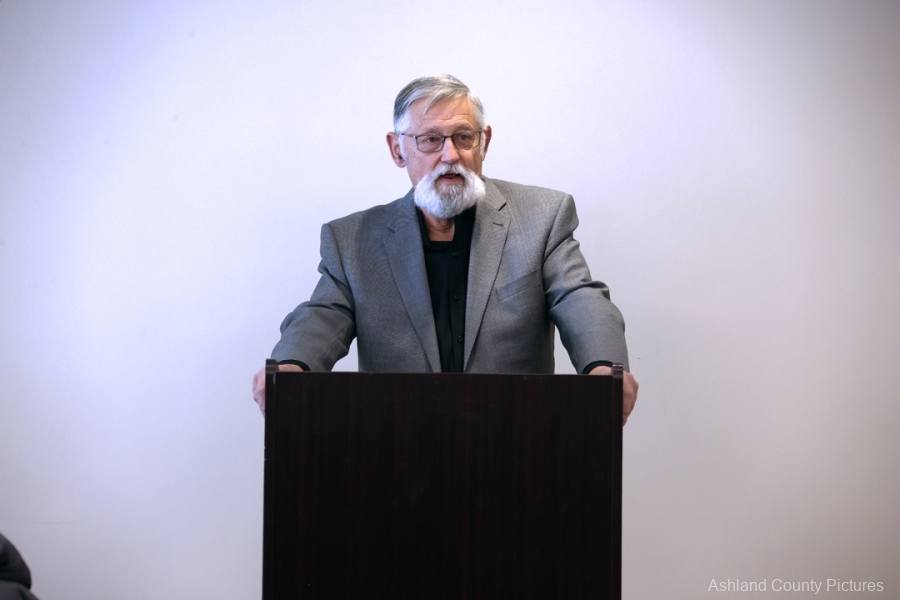
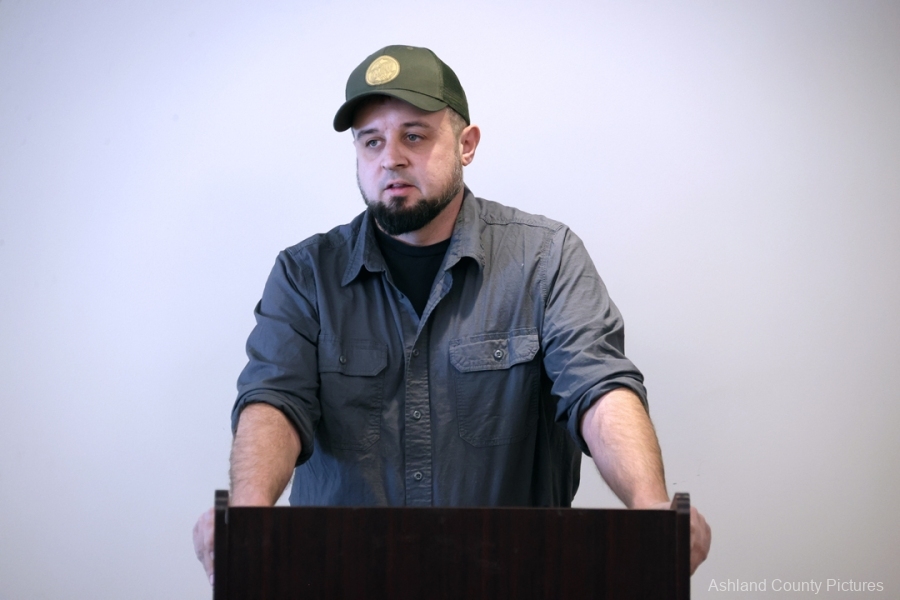
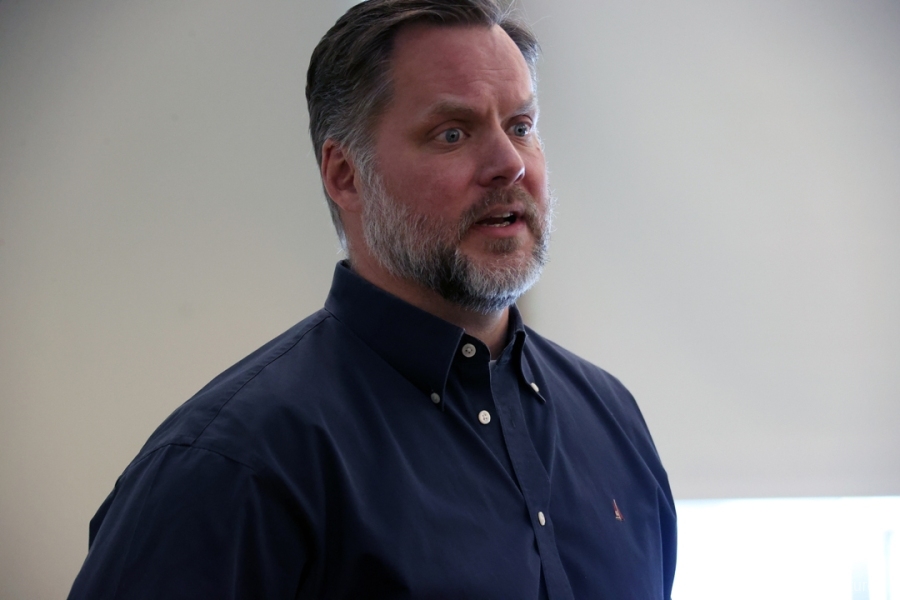
The forum featured incumbent Commissioner Denny Bittle and challengers Brandon Carpenter, Jeff Hardman, and Burton Williams.
Bittle highlights “vision” projects, long-term planning
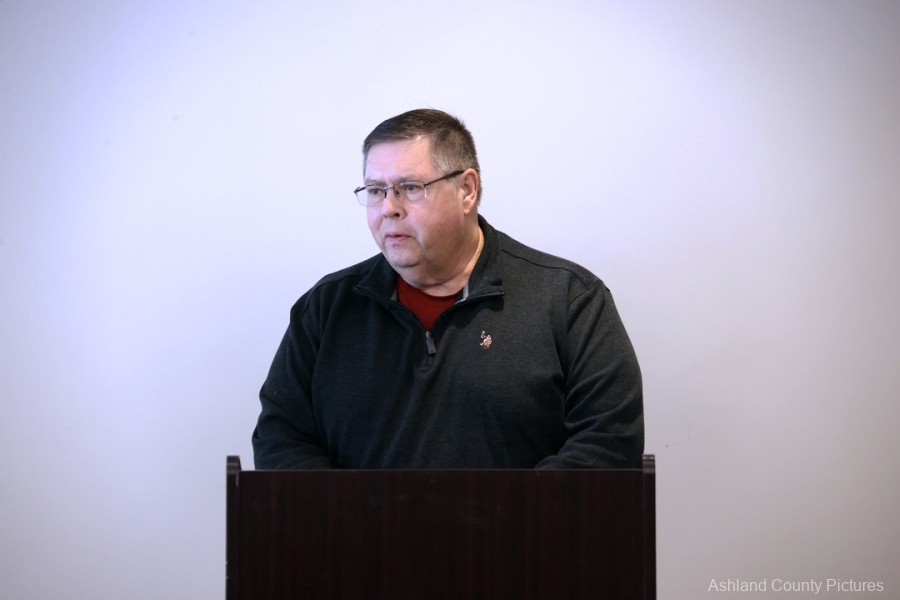
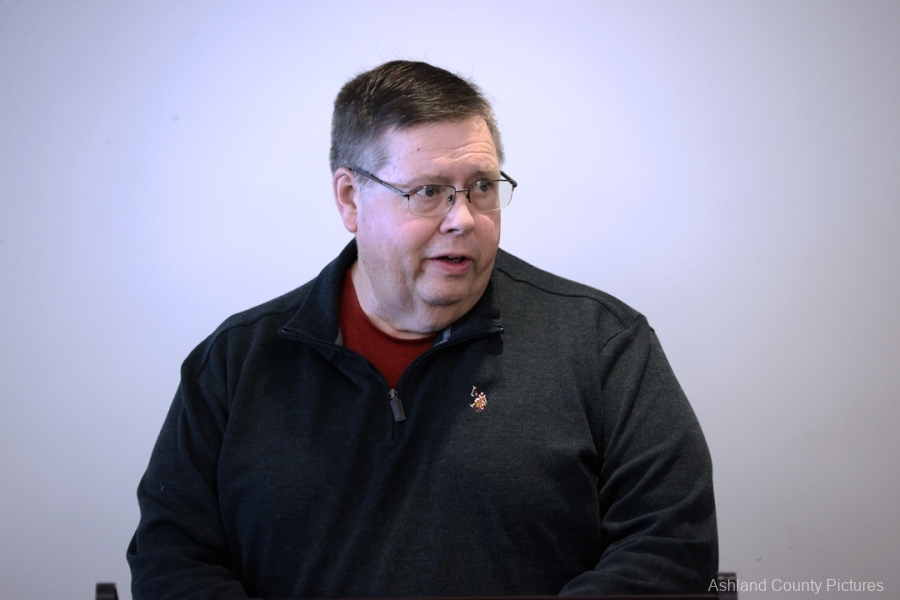
Bittle, seeking a third term, emphasized cooperation between commissioners and other elected officials and pointed to several major county projects he said were aimed at positioning Ashland County for decades to come.
Among the accomplishments he highlighted was the county’s former purchase of the Pump House, a decision he said drew criticism at the time. Bittle said the original concept included potentially relocating some offices and consolidating nonprofit services, but ultimately the county worked with the City of Ashland, which later purchased the building “for exactly what we had in it,” and he credited that pathway with helping spark redevelopment now tied to a hotel project.
Bittle also discussed the county’s new dog shelter, describing the prior facility as more than 50 years old and unsafe. He said the new shelter was designed to serve a growing county for the next 50–75 years, with room for expansion and capacity to respond to large-scale animal cases. He acknowledged an early personnel decision he said he would “own up to,” explaining that leadership eventually stabilized and improved operations.
He also cited changes to the recycling center model, saying the county faced backlash after closing the former arrangement but later transitioned to a 24/7 drop-off approach and tracked tonnage increases.
Bittle referenced ARPA funding and sales tax revenues as part of a broader strategy to invest in infrastructure and facilities while distributing funds to local governments for water, sewer, and other needs.
Carpenter calls for transparency, evening access, and a “public advisory board”
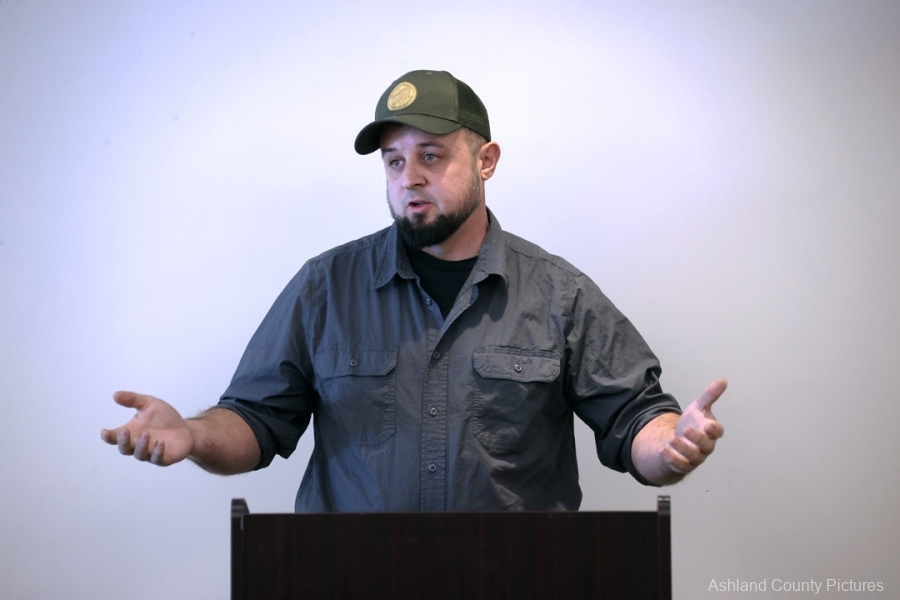
Challenger Brandon Carpenter introduced himself as a lifelong Ashland resident and business owner who described his speaking style as “off-the-cuff” and framed his run as part of a “new generation” stepping forward.
Carpenter repeatedly returned to the theme of transparency, saying many residents feel local government is not open enough and that once officials are elected, people feel their voices aren’t heard.
Among the changes he said he would push for:
At least one evening commissioners meeting per month so working residents can attend
A more active and proactive social media presence to share information and reduce confusion
A proposed public advisory board to help commissioners engage the community on “hot topic issues” and help sort through concerns raised online
Carpenter also shared that in recent days he had been plowing driveways for veterans, disabled residents, and others at no charge, which he said helped him see gaps in community support—particularly for veterans needing access to medical appointments.
Hardman points to business and board experience, proposes dedicated grant writer
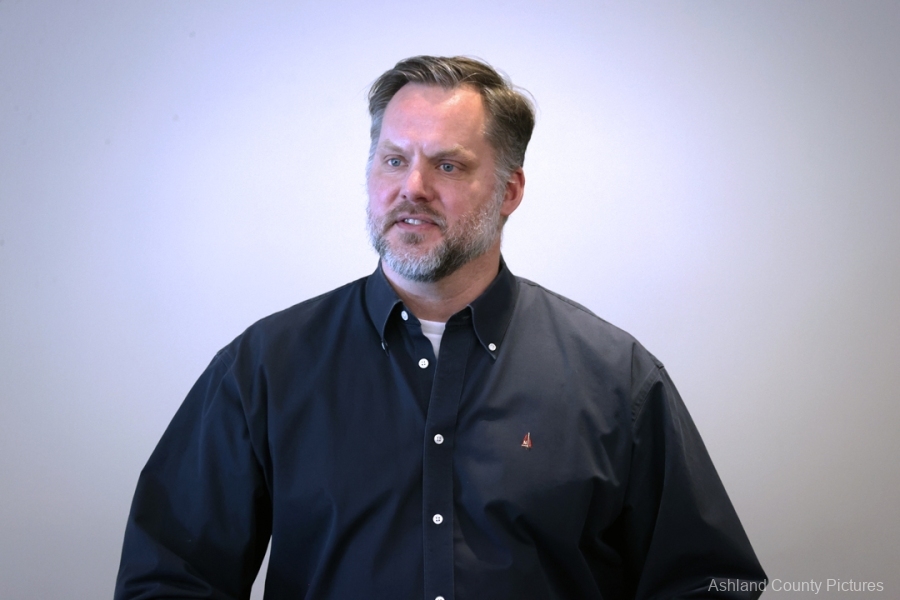
Challenger Jeff Hardman told the crowd he has lived in the area his entire life and recounted decades of work in a family water business that began in 1964. Now semi-retired, Hardman said he continues compliance-related work, including water testing and EPA-related needs.
Hardman also highlighted 20 years on a board of health, describing himself as someone willing to pause a meeting and ask clarifying questions. He said he believes county government could improve how it communicates decisions and emphasized being visible and accessible—through phone, in-person visits, and social media.
One specific idea Hardman raised was exploring a dedicated grant writer for county departments, saying he had seen firsthand how strong grant writing can bring in significant resources.
Hardman also referenced his website, jeffhartman.com, describing it as a place where he has posted written essays as he learns more about county government and shares what he finds with voters.
Williams stresses limited government principles, offers “specifics” on transparency
Challenger Burton Williams, a Perry Township trustee now in his fourth term, described his military service, education, and local involvement, including service on county boards. He said his reasons for running “come down to principles” — what he believes government, the Republican Party, and conservatives should be.
Williams drew a distinction between the outcome of certain projects and the process used to get there. He said his concern with the Pump House debate was “how that came to be,” and argued that creating tools like a land bank can increase the size and power of government in ways that may later be used differently when current officeholders are gone.
When the discussion turned to transparency, Williams said he dislikes the word when it’s used as a vague catch-all and offered a specific example: the public’s understanding of a “no-kill” shelter. Williams said many residents may interpret “no-kill” as zero euthanasia, while in practice it can be defined by a benchmark threshold. He argued government should communicate those definitions clearly to avoid backlash, confusion, and mistrust later.
Williams also shared an example from township levy discussions, describing why the difference between a renewal and a replacement levy can be misunderstood, and said public education is part of responsible leadership. He also noted his family’s involvement in a small business he said has brought manufacturing work back locally.
Audience questions focus on workload, misinformation, and party involvement
During Q&A, attendees asked candidates how many hours per week they would pledge to commissioner work. Across the board, candidates emphasized that the job varies widely week-to-week and can require nights, weekends, and on-call availability.
Another question asked how candidates discern what is true amid social media claims and misinformation. Candidates spoke about the difficulty of correcting false narratives once they spread, and the need to improve communication and context so residents understand decisions before rumors take hold.
A later question asked what obligation candidates feel toward the local Republican Party, including meeting attendance, leadership roles, and “boots on the ground” support. Responses varied, but several candidates emphasized supporting the party while also recognizing commissioners represent all residents, regardless of party.
The forum concluded shortly after 1 p.m., with organizers encouraging attendees to continue one-on-one conversations with the candidates afterward.
The Republican primary election is Tuesday, May 5.