
Ashland County Sheriff’s Office Trains with New TASER 10, Emphasizing Safety, Skill, and Accountability
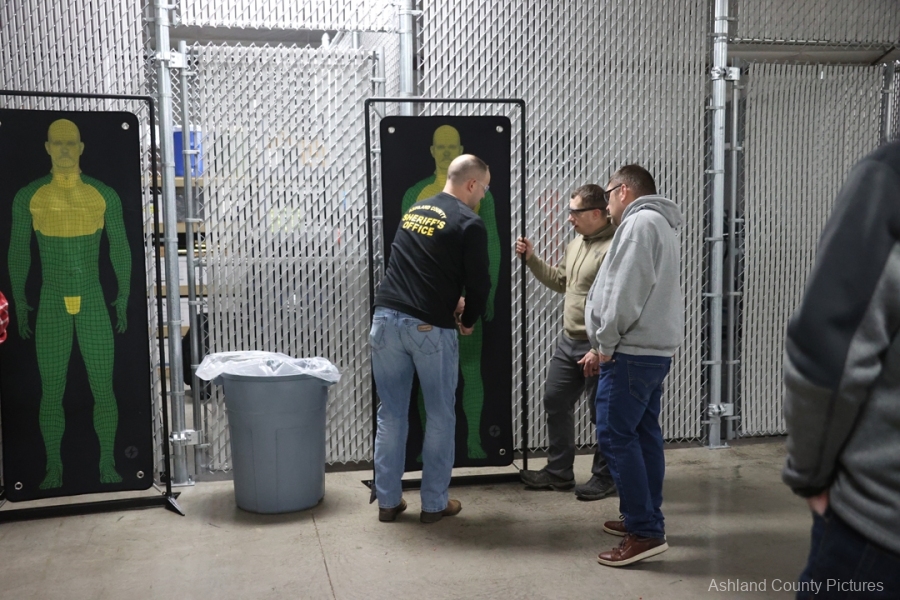
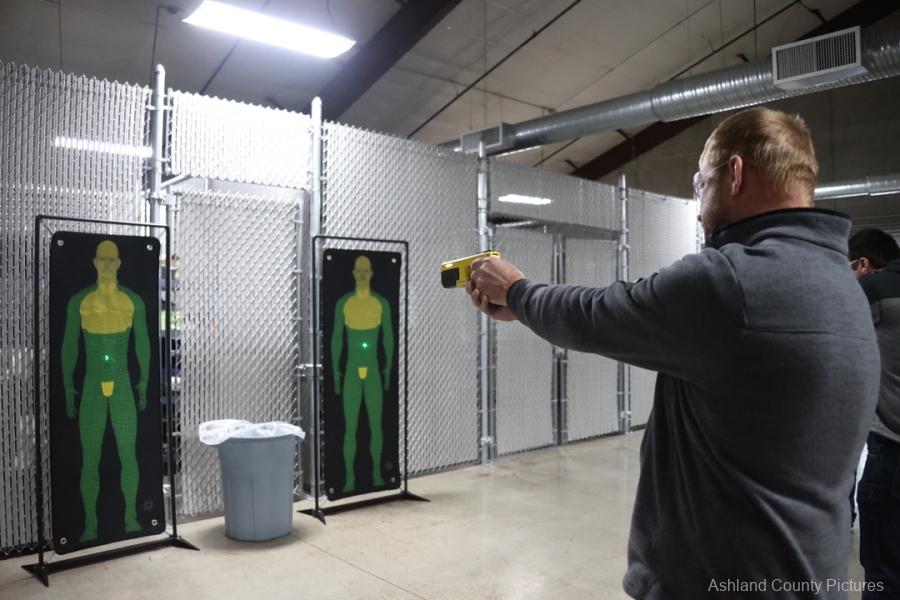
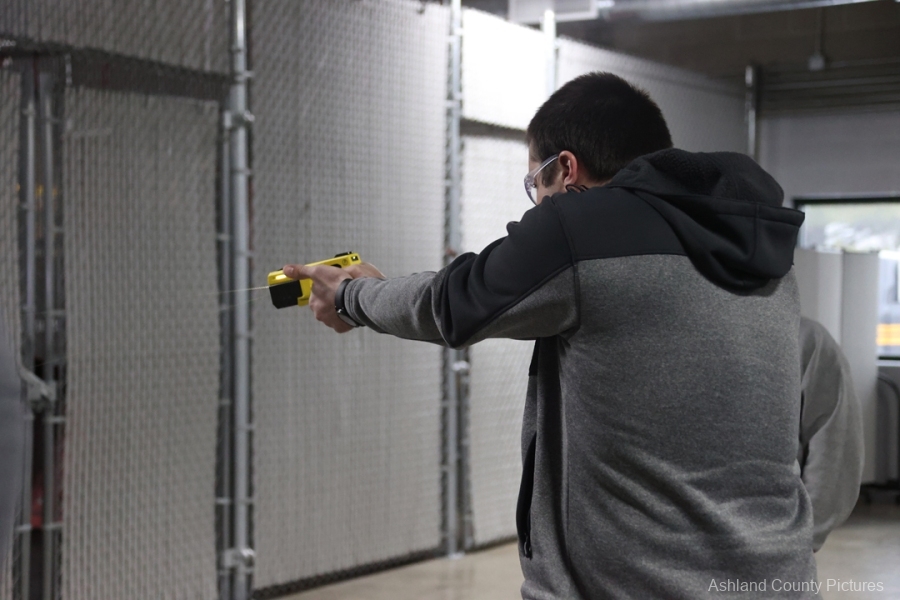
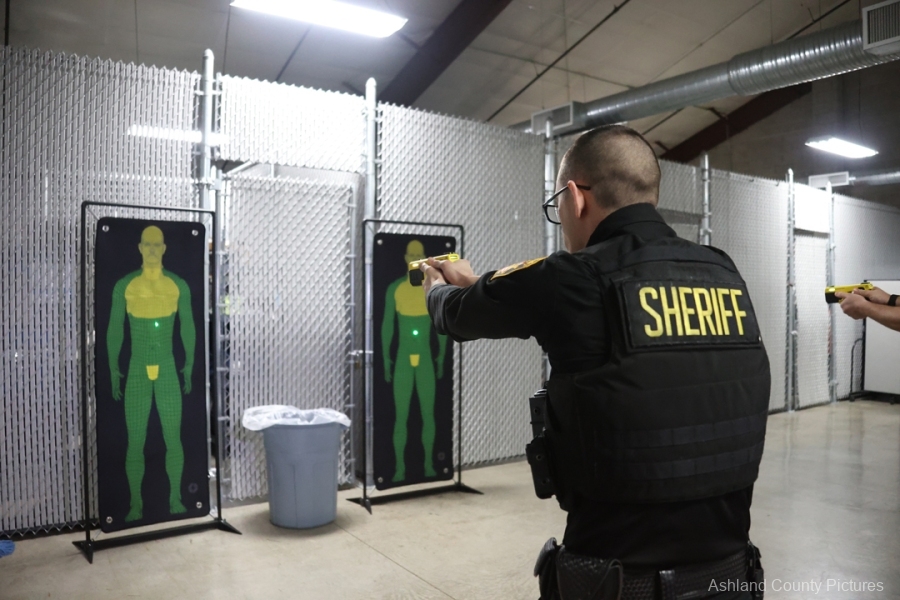
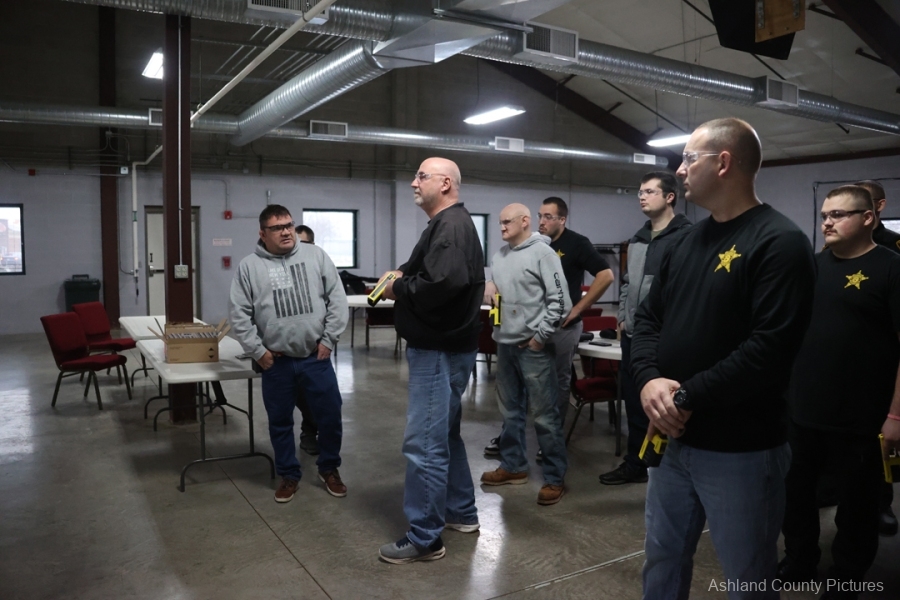
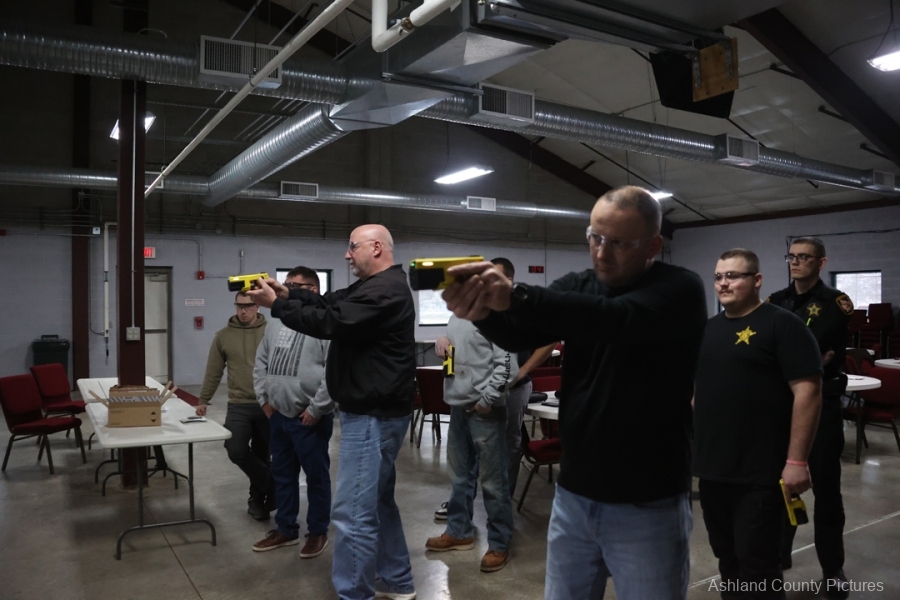
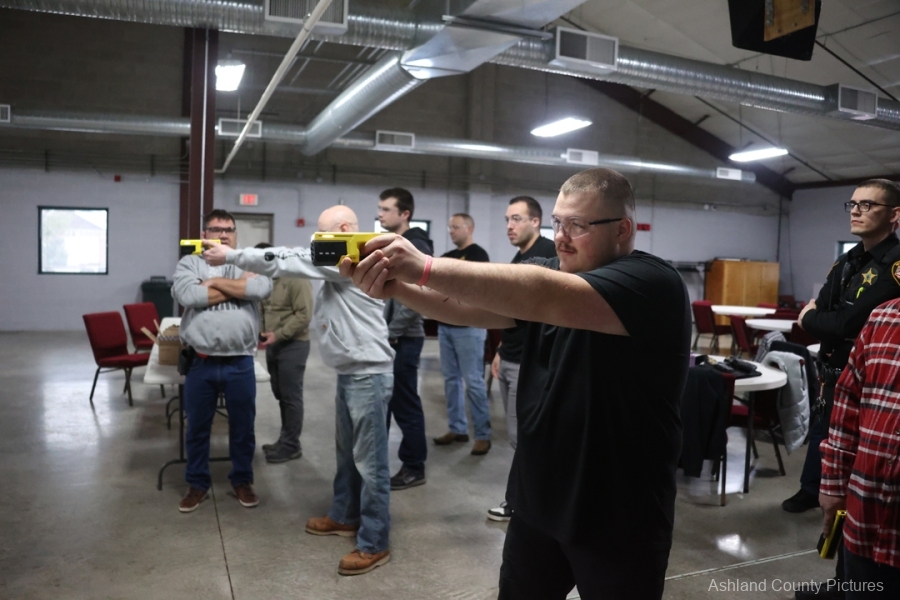
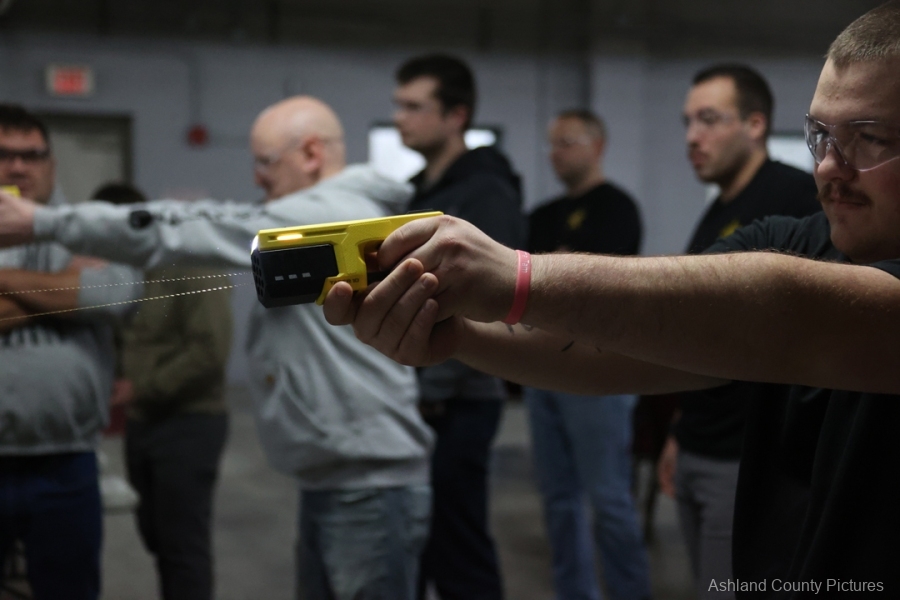
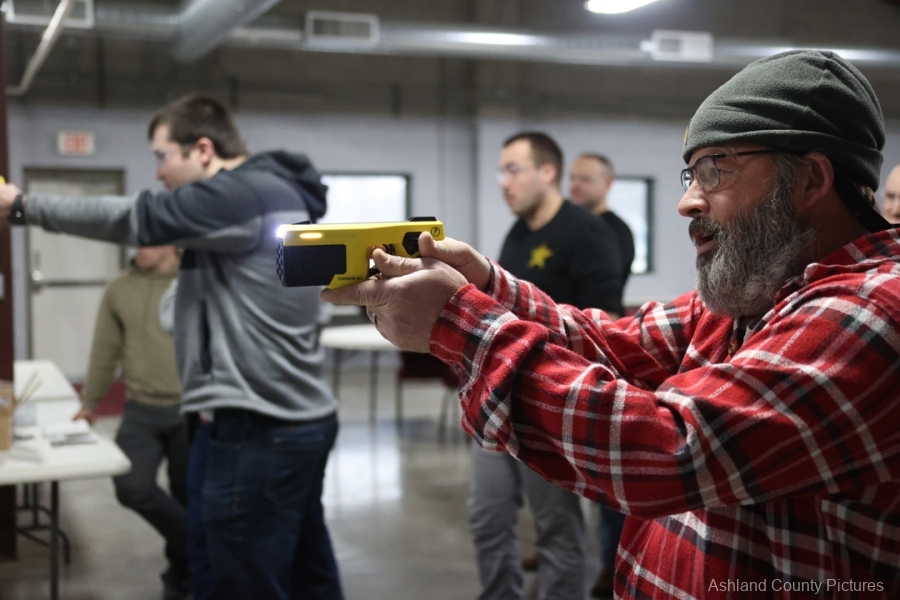
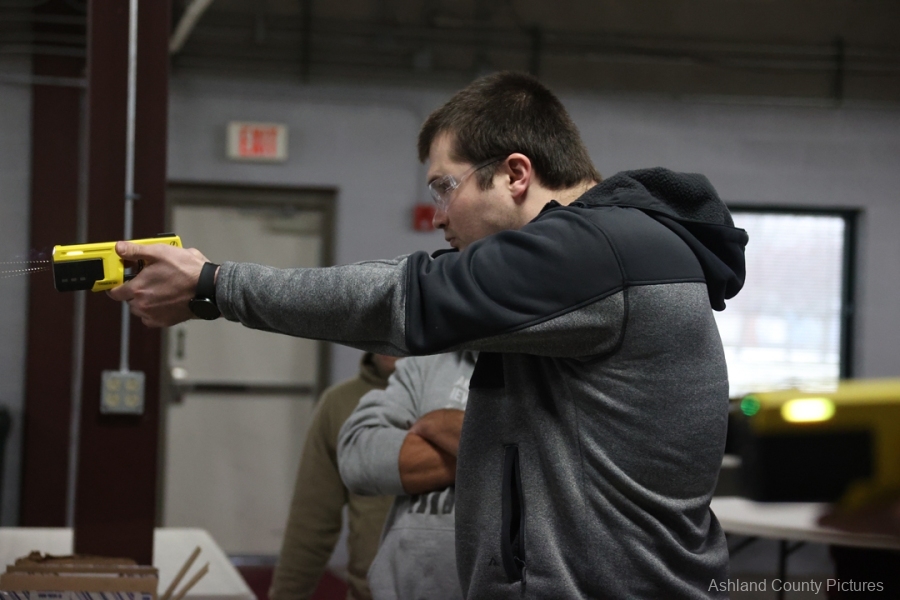
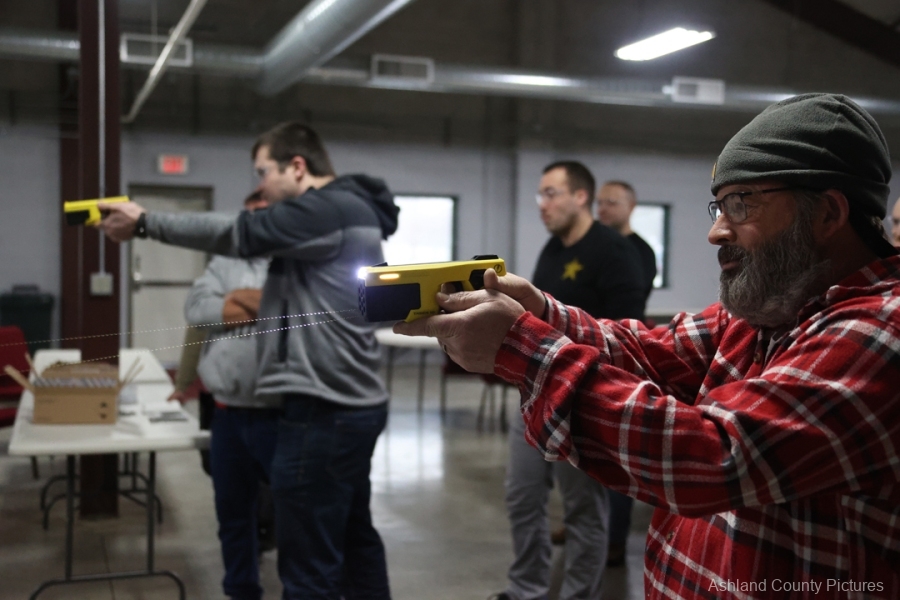
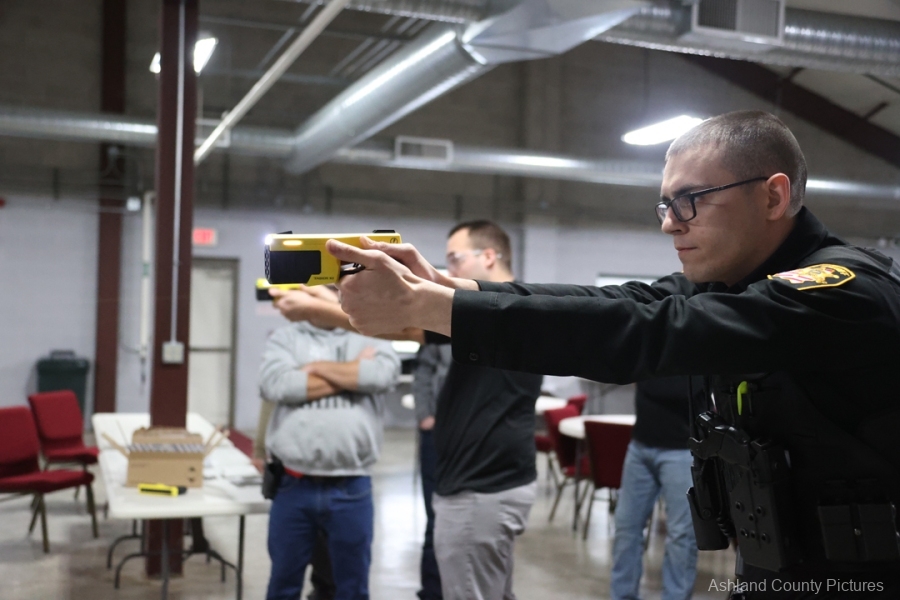
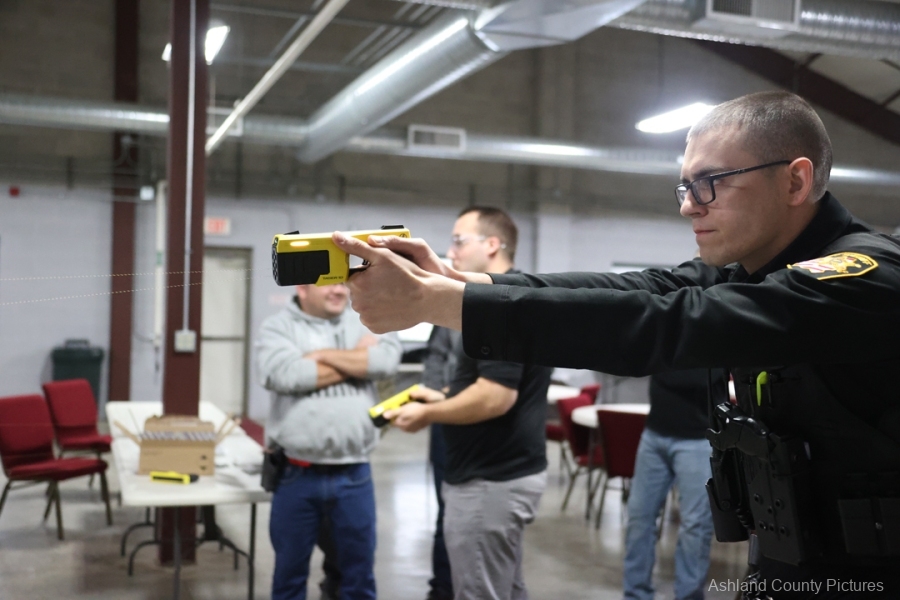
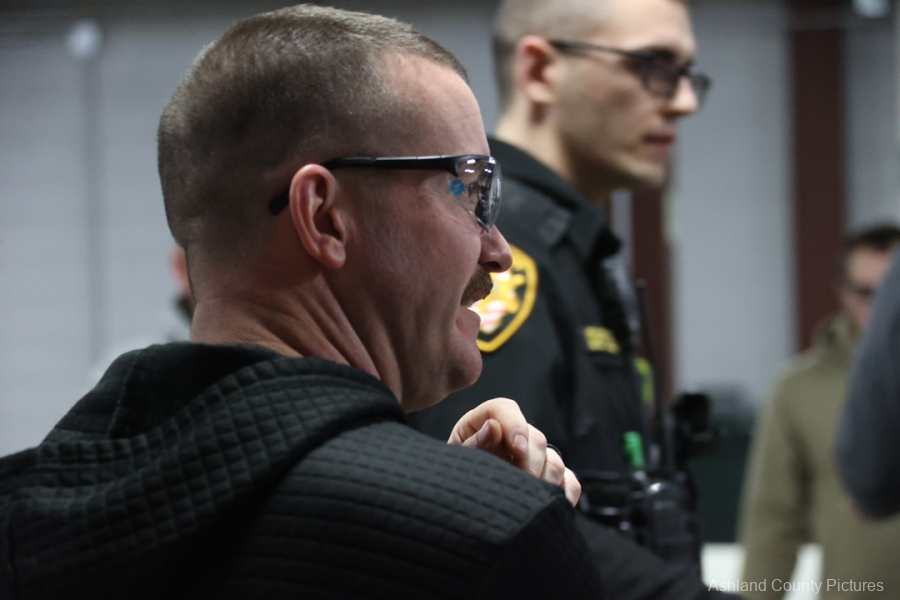
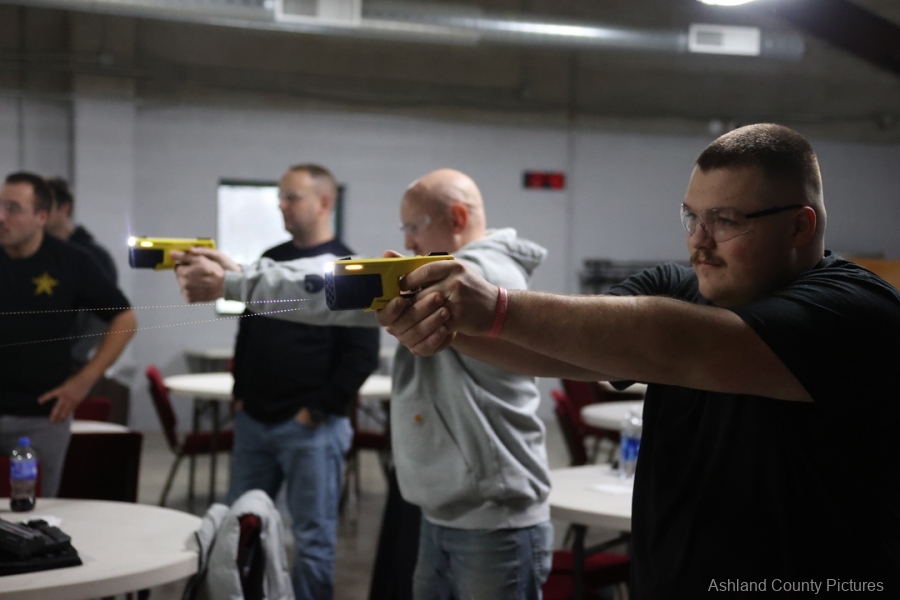
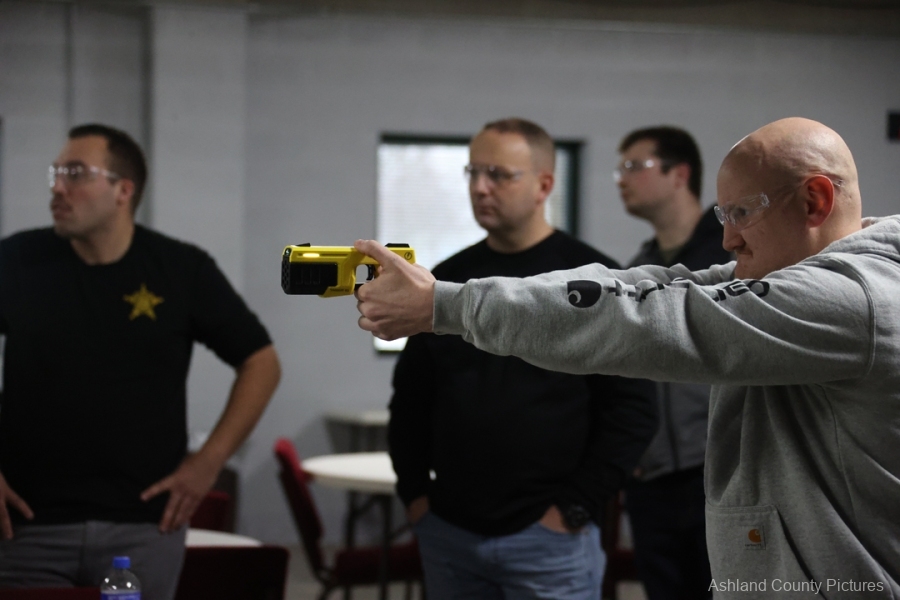
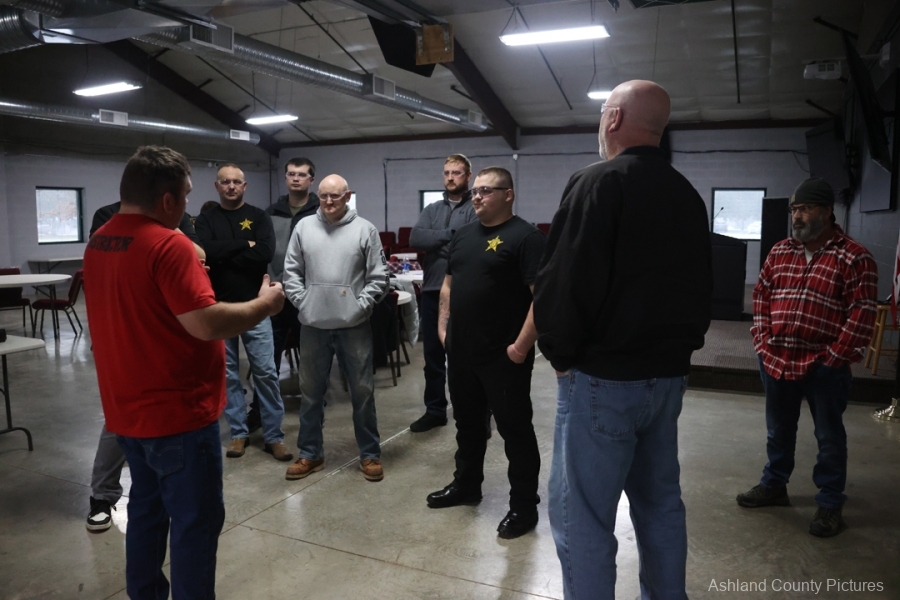
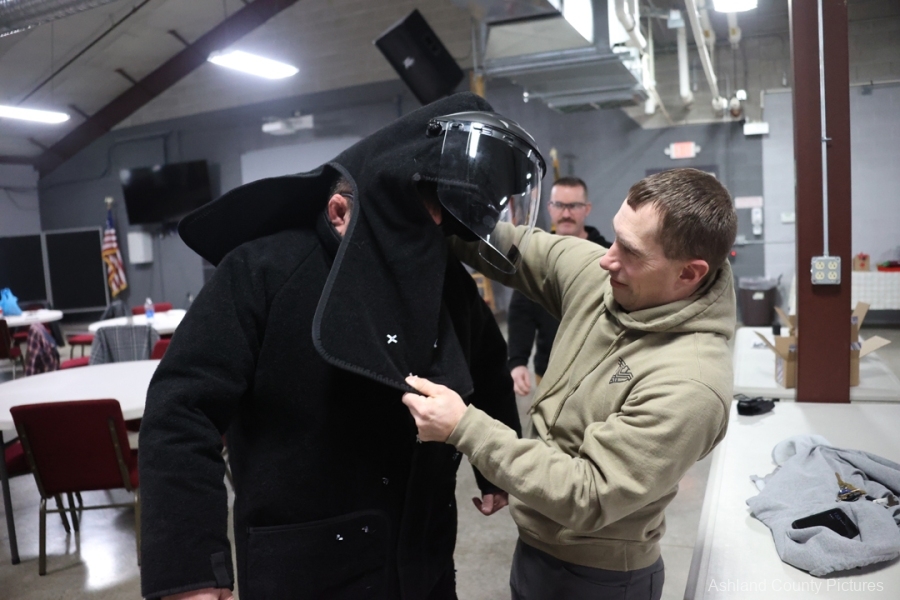
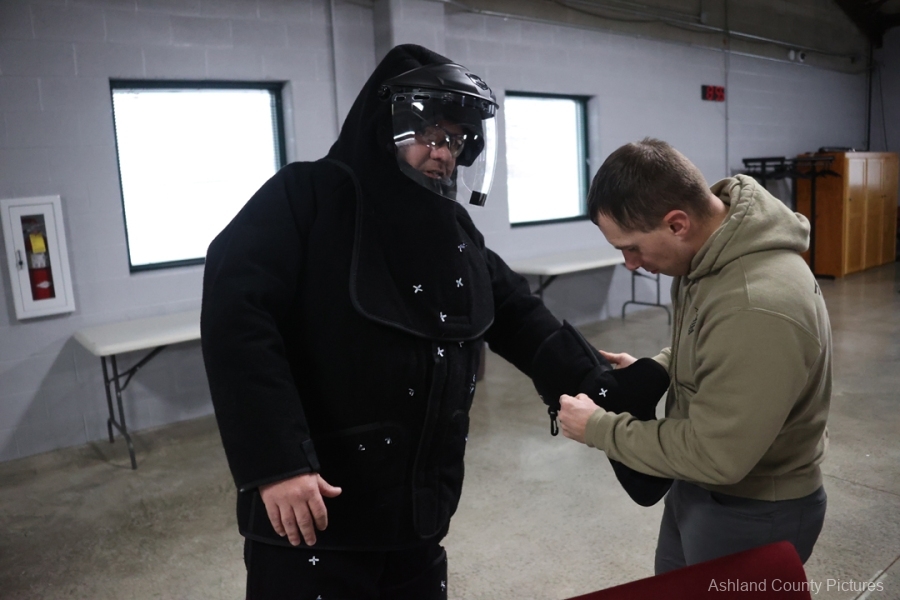
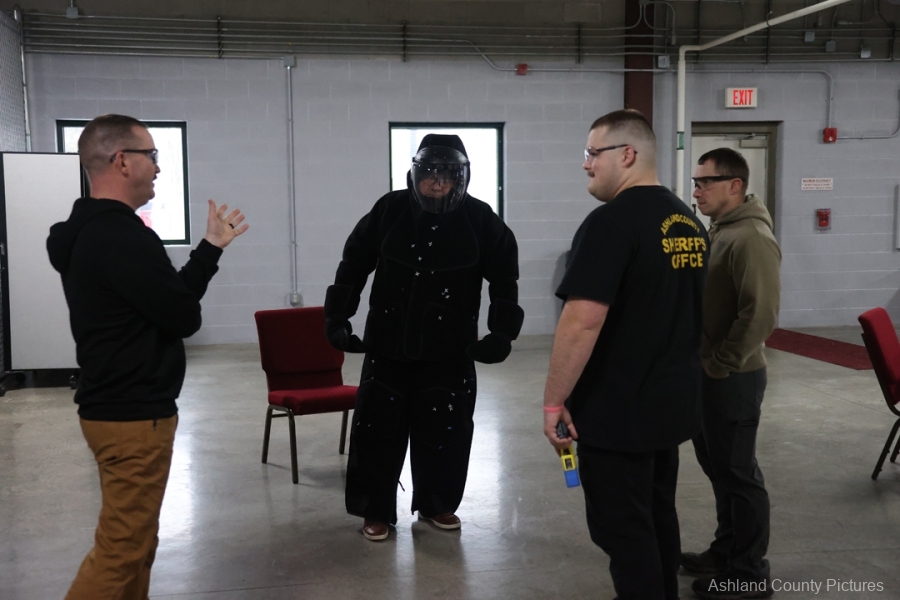
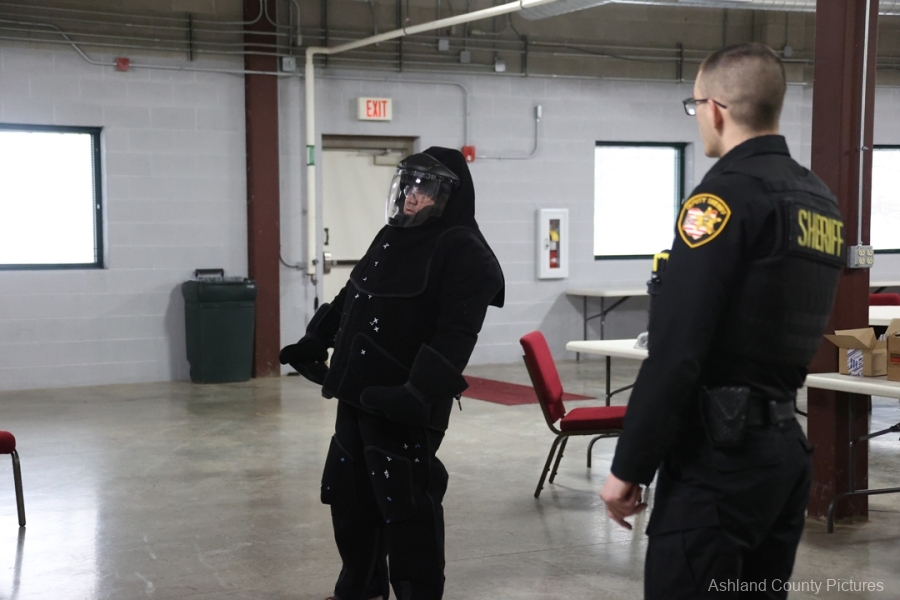
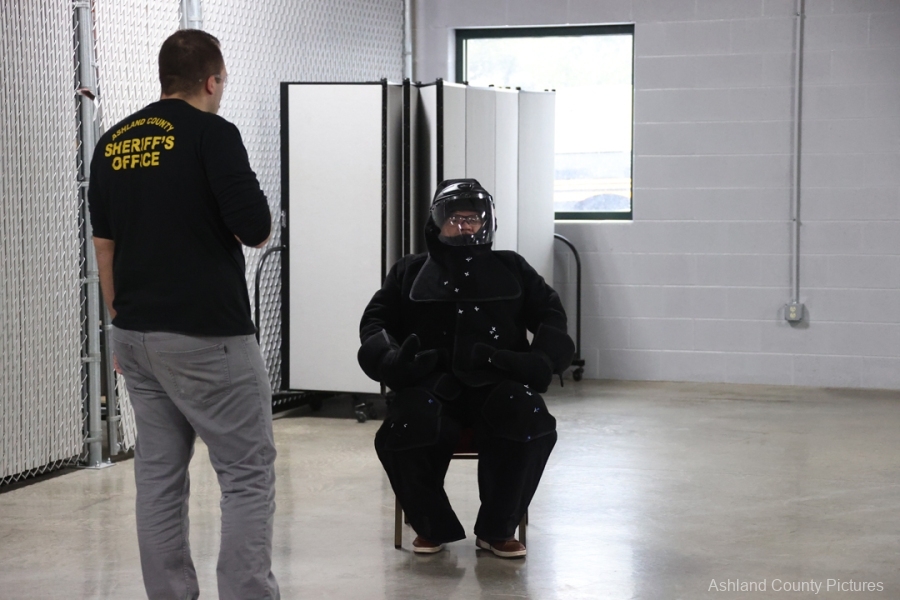
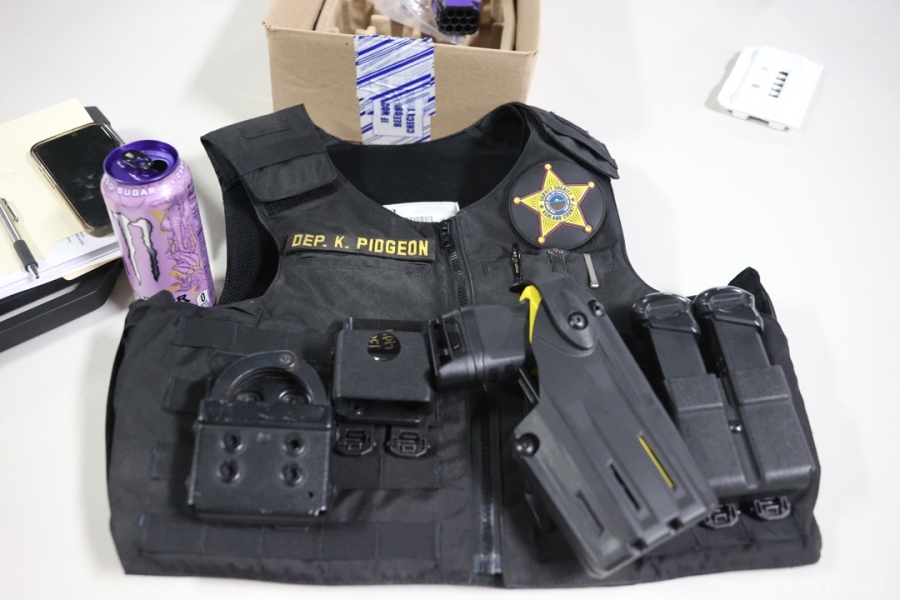
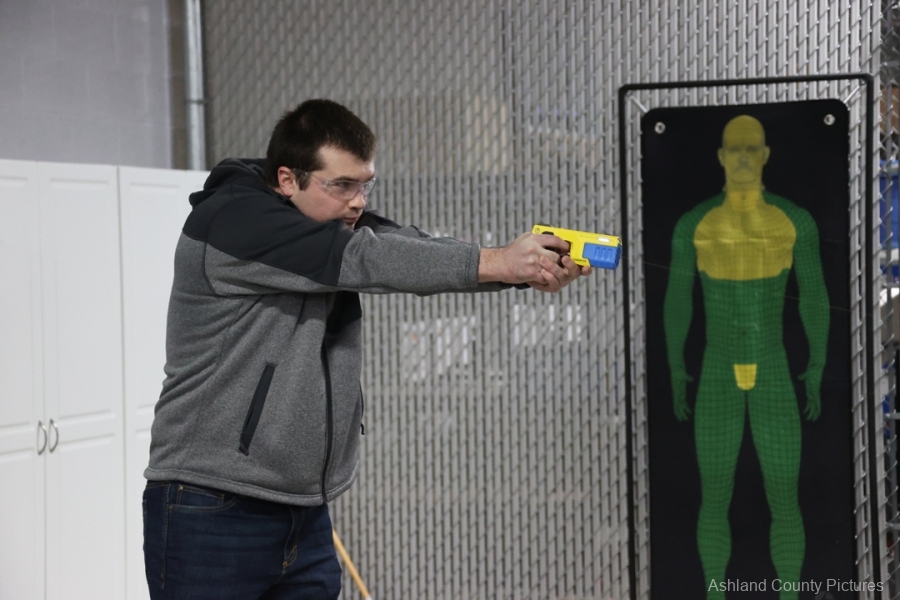
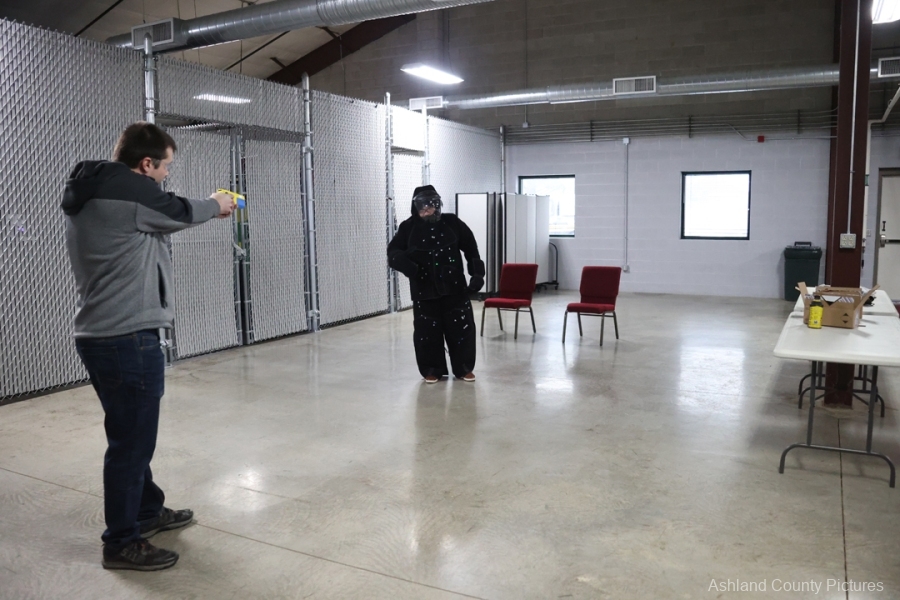
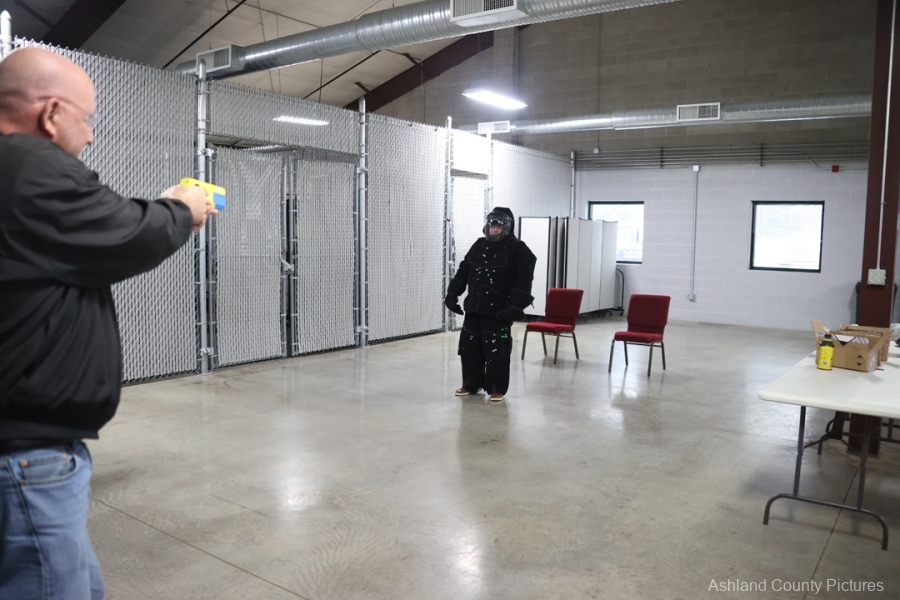
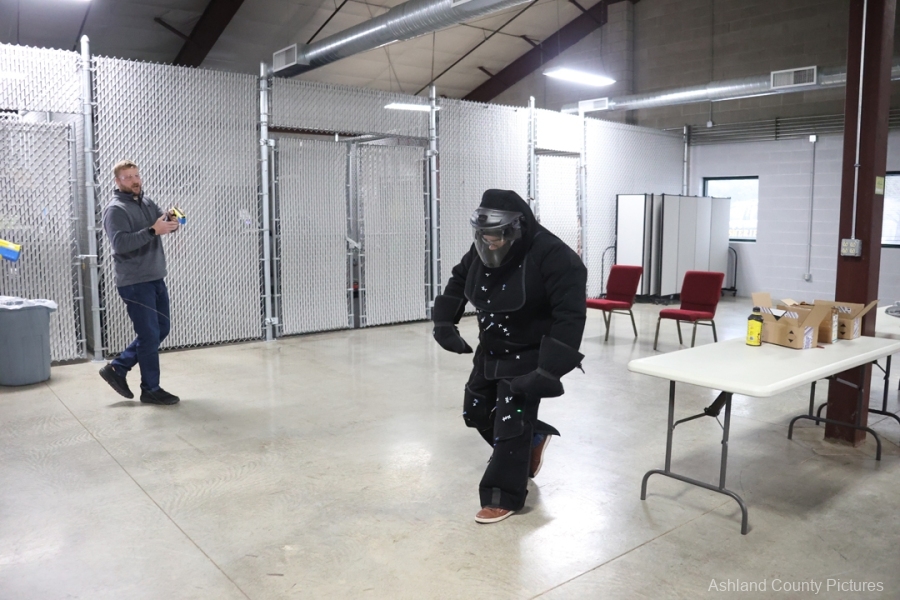
ASHLAND COUNTY — The sharp command of “TASER, TASER, TASER” echoed across the training area well into Saturday afternoon as Ashland County Sheriff’s Office deputies and corrections officers spent Saturday in hands-on training with the department’s newest less-lethal tool, the TASER 10 Energy Weapon, following approval of the equipment by Ashland County Commissioners that was purchase by the Samaritan Foundation.
The upgraded technology represents a major step forward in officer and public safety, providing deputies with improved distance, accuracy, accountability, and decision-making capability when dealing with potentially combative or dangerous situations.
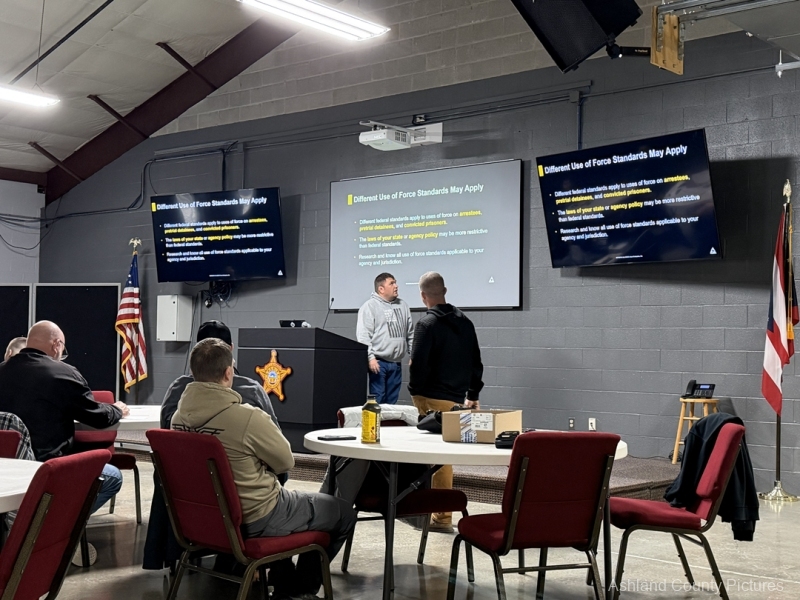
Training for the TASER 10 is structured around a comprehensive instructional goal designed to ensure deputies can deploy the tool safely, effectively, and efficiently in real-world situations. The course provides officers with foundational knowledge of the TASER 10’s operation, tactical application, medical considerations, and post-use documentation requirements.
Ashland County Sheriff’s Office Deputy Kyle Pidgeon said the new TASER platform is a dramatic improvement over the older model previously issued.
“With the older TASER, you had a single cartridge attached to the front that fired two darts at the same time,” Pidgeon said. “If one dart missed, your effectiveness dropped significantly, and you were often forced to transition to another option.”
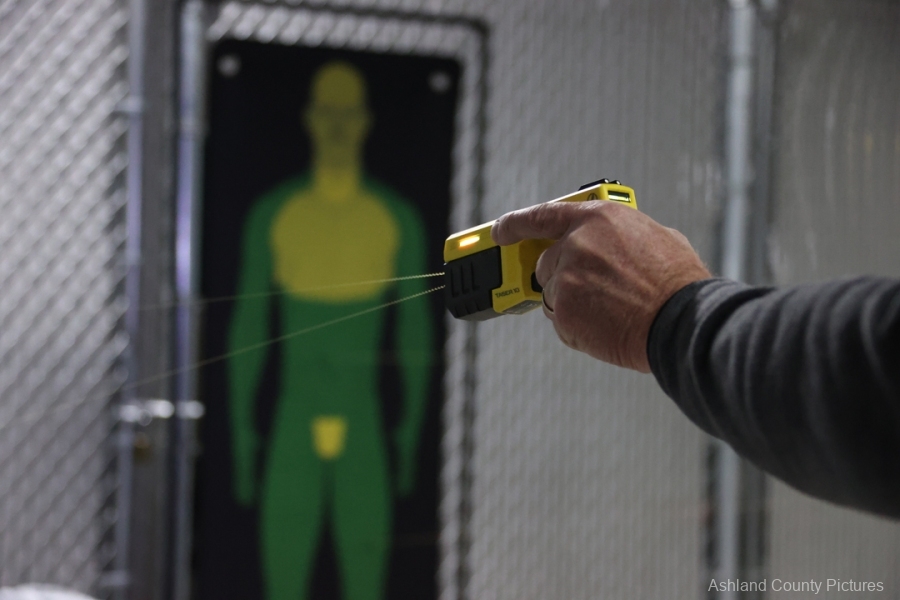
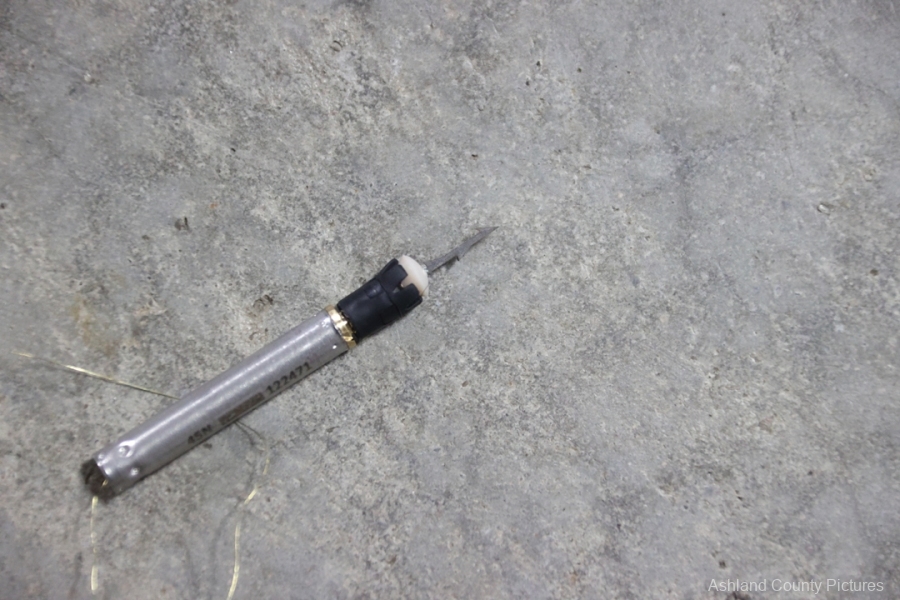
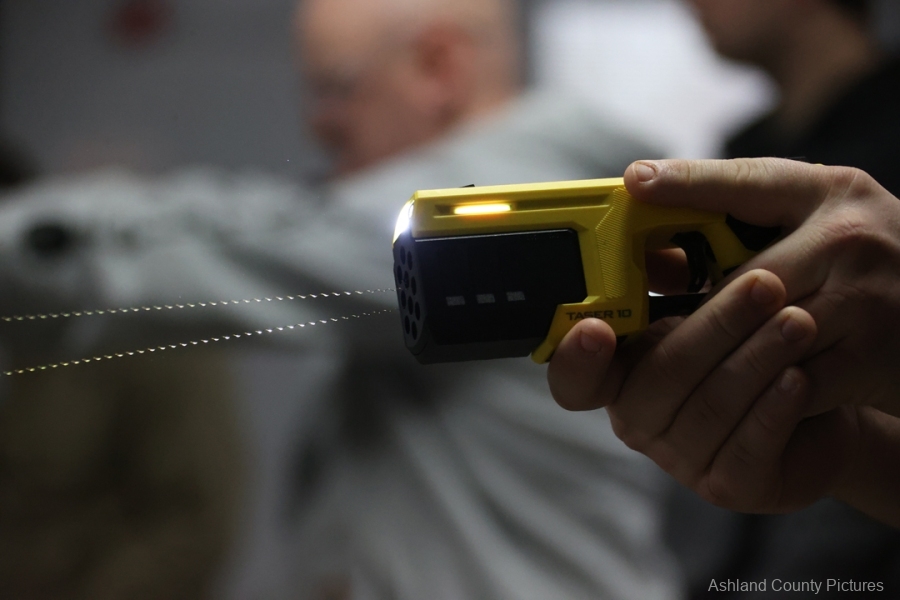
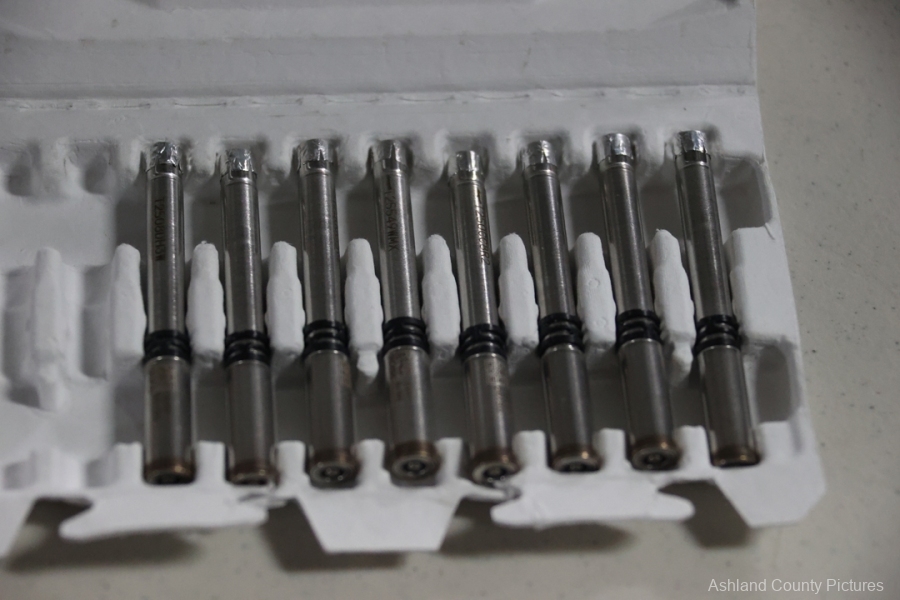
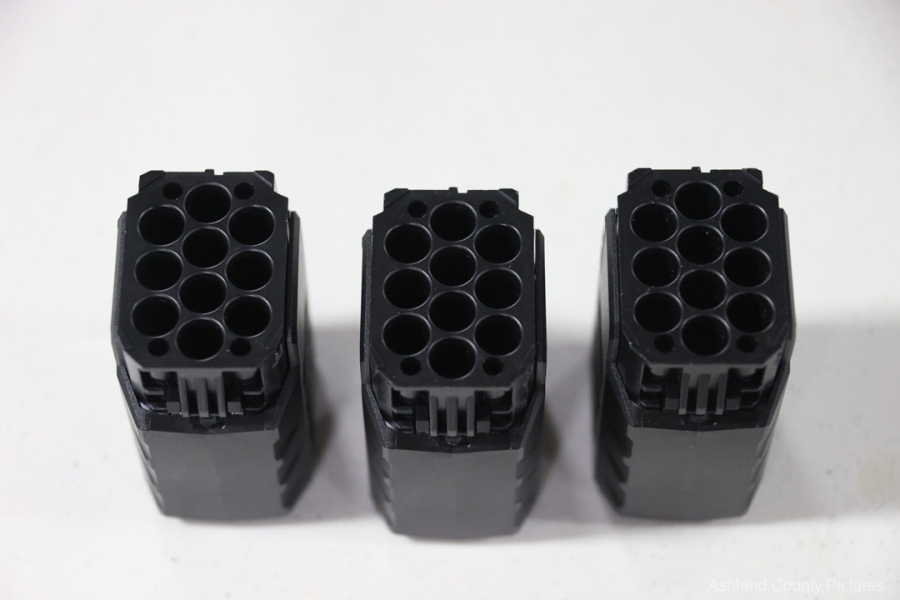
The TASER 10 changes that approach entirely. The device allows officers to deploy up to 10 darts, each fired independently, giving deputies the ability to adapt quickly during evolving encounters.
“If you miss, you’re not done,” Pidgeon said. “You can fire again immediately. Everything stays tied together, and you can still gain compliance without having to rush in close.”
Another significant upgrade is range. While the older TASER models were effective at roughly 20 to 25 feet, the TASER 10 nearly doubles that distance.
“You’re now looking at a maximum range of about 40 feet,” Pidgeon said. “That gives deputies more time to react, more time to assess the situation, and more space between them and a potentially dangerous subject.”
Deputy Curtis Hall described the TASER 10 as a tool that allows deputies to be more deliberate and controlled in high-stress situations.
“With the older model, you had one shot and that was it,” Hall said. “This gives us multiple opportunities to get it right and create the effectiveness we need.”
Hall explained that the TASER 10 uses individual cartridges, each with its own internal propellant, rather than a single gas-based cartridge. Each dart is deployed independently with its own trigger pull, providing officers with greater precision and flexibility.
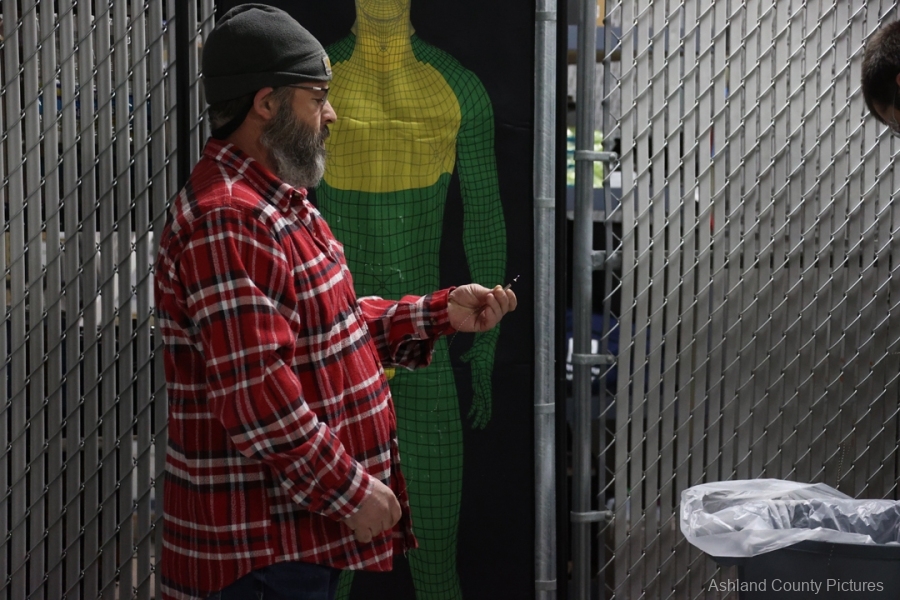
The training course also focuses heavily on proper terminology, features and functions of the weapon and cartridges, and troubleshooting measures, ensuring deputies fully understand the equipment they carry. Officers are trained in tactical and medical considerations associated with TASER deployments, including situational awareness and post-deployment care.
As part of the course objectives, deputies must demonstrate proficiency in:
Fundamental and isolation drills using required commands.
Live deployment drills emphasizing safety and communication
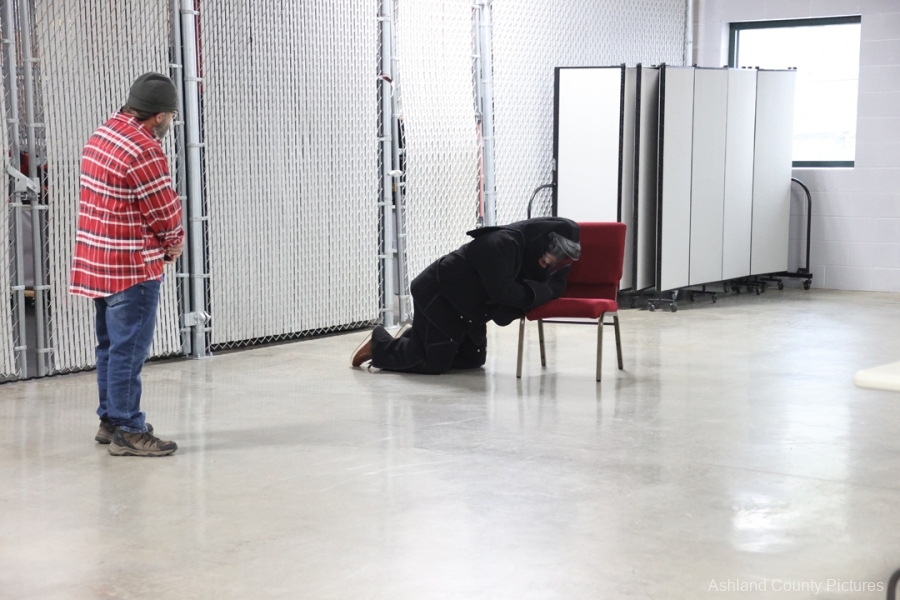
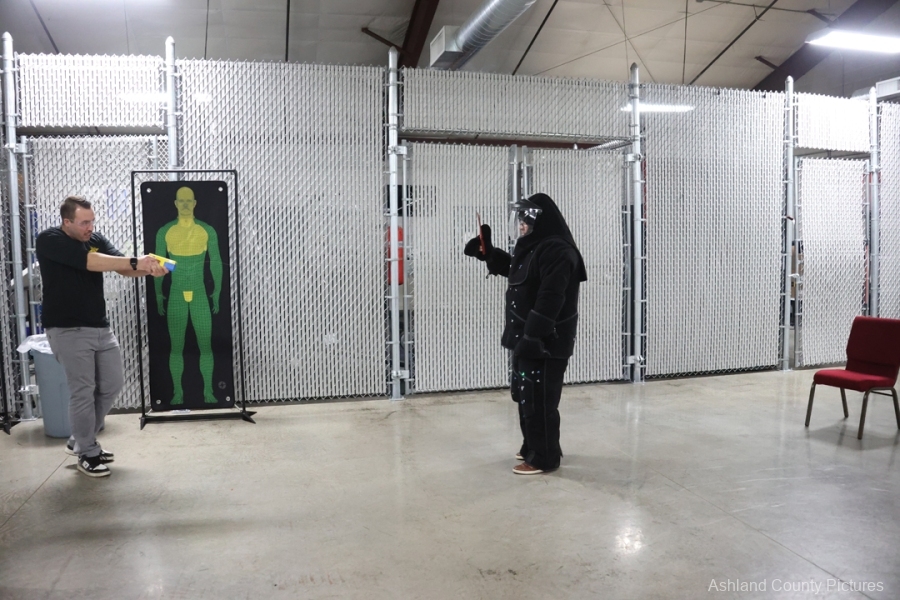
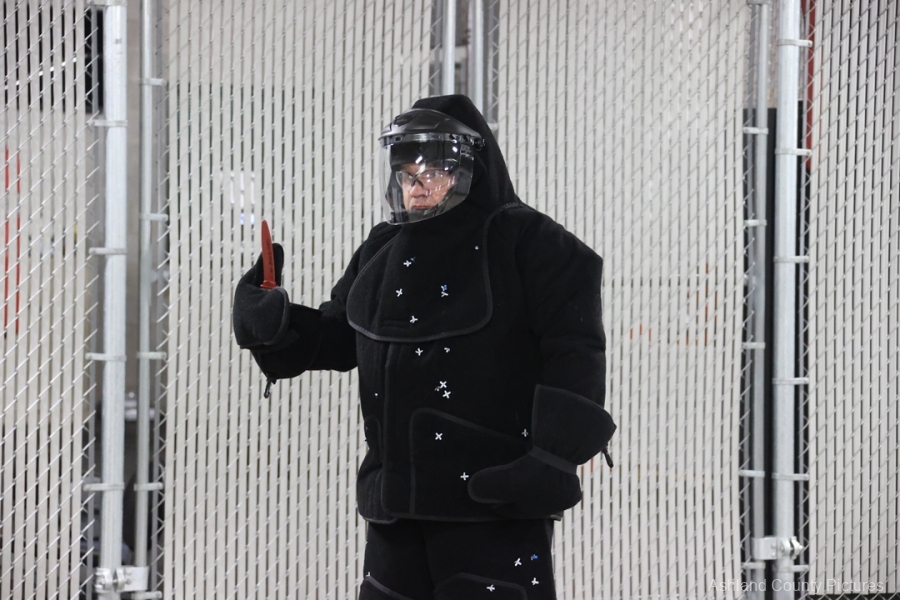
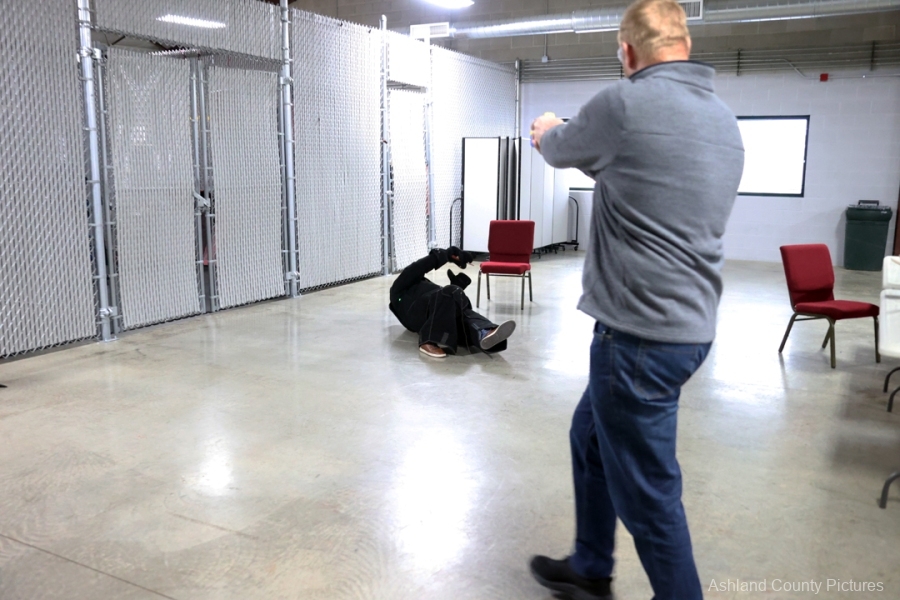
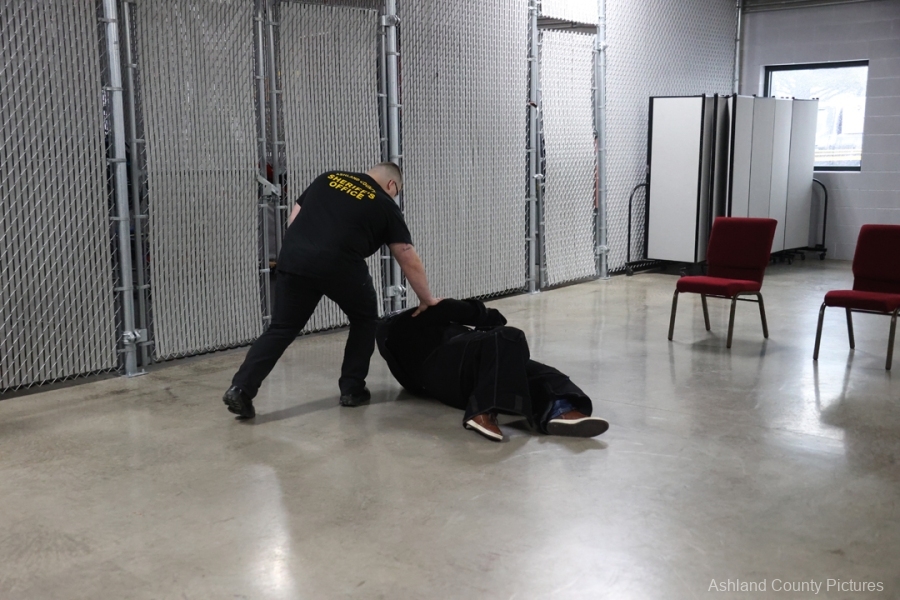
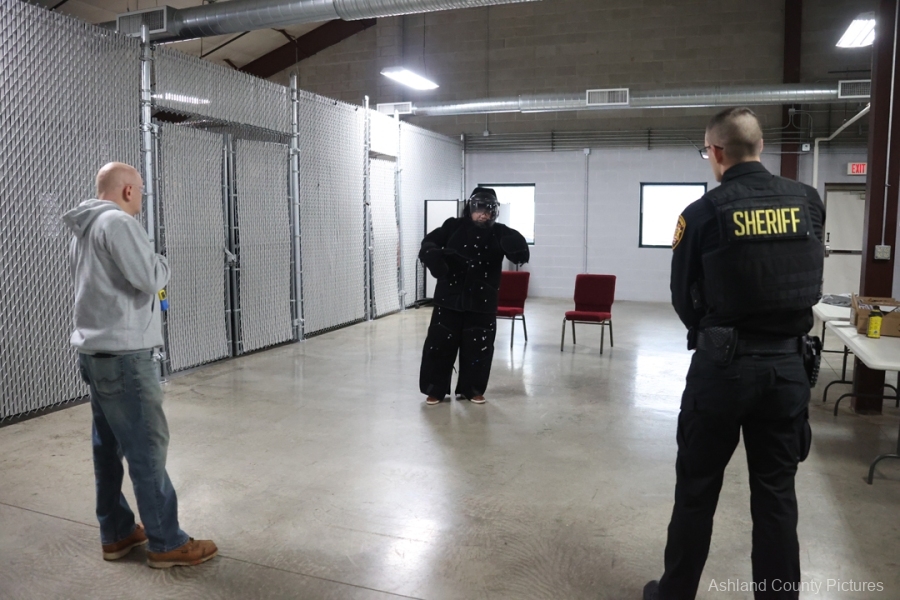
Reality-based scenario training designed to mirror real-world encounters
The course also stresses the importance of proper documentation following any TASER deployment, reinforcing transparency and accountability.
Hall credited the Samaritan Foundation, Ashland County Commissioners and Sheriff’s Office leadership for continuing to invest in modern equipment and advanced training.
“They’ve been very open-minded about change and making sure deputies have better vehicles, better equipment, and better technology,” Hall said. “The sheriff has really been leading the way in pushing meaningful training — not just checking boxes.”
That emphasis on training goes beyond TASER instruction. Deputies are now regularly participating in extended scenario-based training, building on active shooter drills, tactical exercises, and other real-world simulations.
“It’s a process of practice, learning, and professionalism,” Hall said. “The faster we can safely resolve a situation, the safer it is for deputies, suspects, and the public.”
Saturday’s training marked another step forward in the Sheriff’s Office’s ongoing effort to modernize its tools, enhance accountability, and ensure that deputies return home safely at the end of each shift — while protecting the community they serve.