
Cell Phones, Crashes, and Consequences: A Look Inside OSHP Distracted Driving Patrols
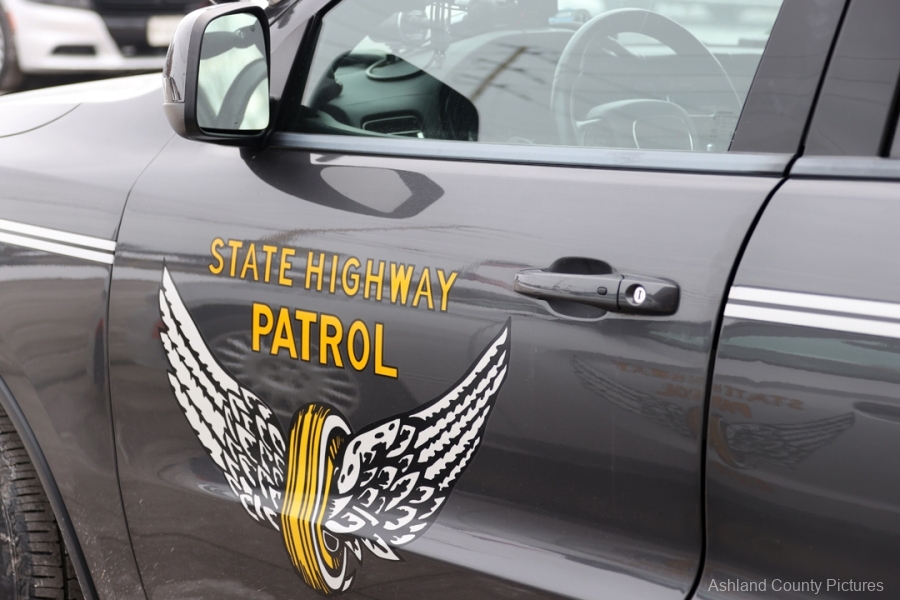
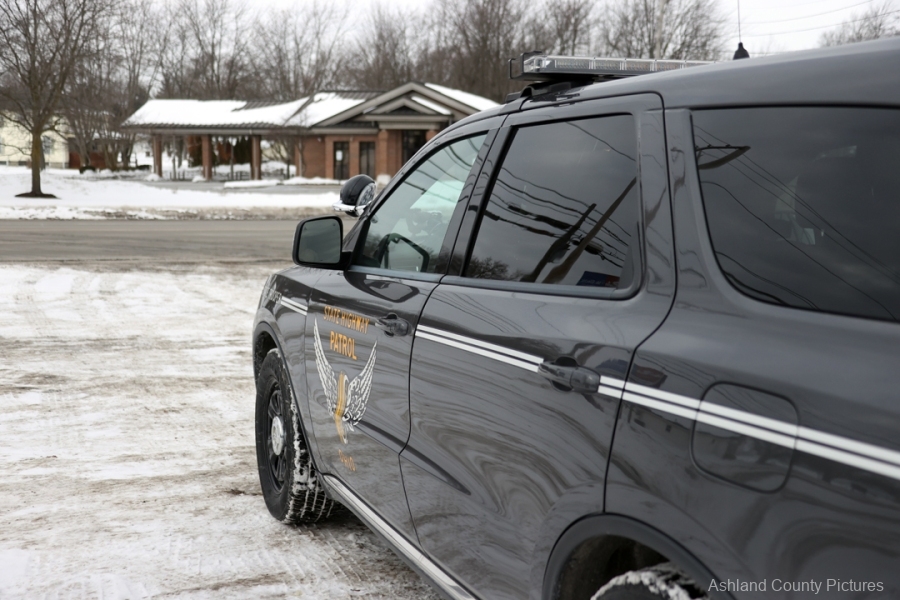
ASHLAND, Ohio — Distracted driving enforcement was the focus of a recent media ride-along with the Ohio State Highway Patrol Ashland Post, offering a firsthand look at how frequently drivers continue to use their cell phones behind the wheel despite Ohio’s hands-free law.
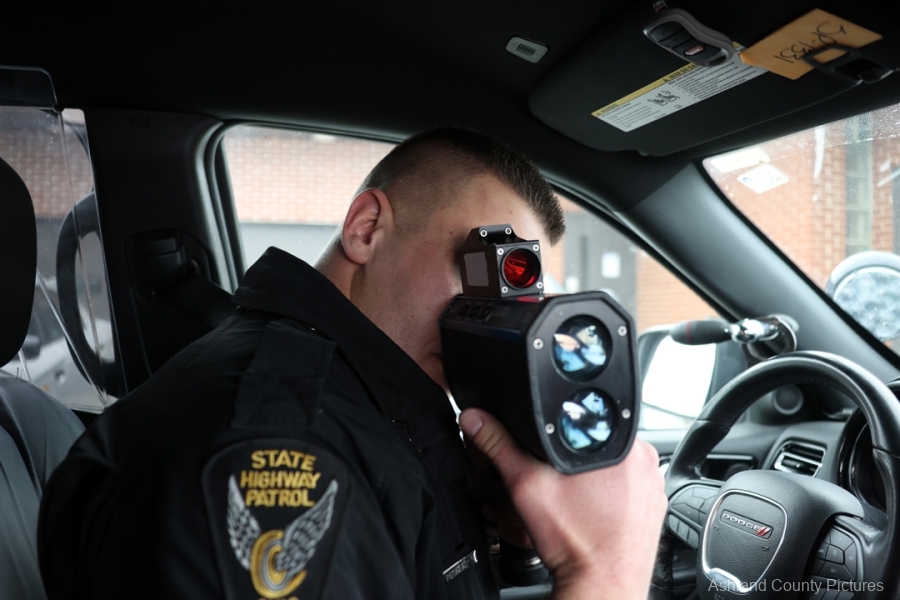
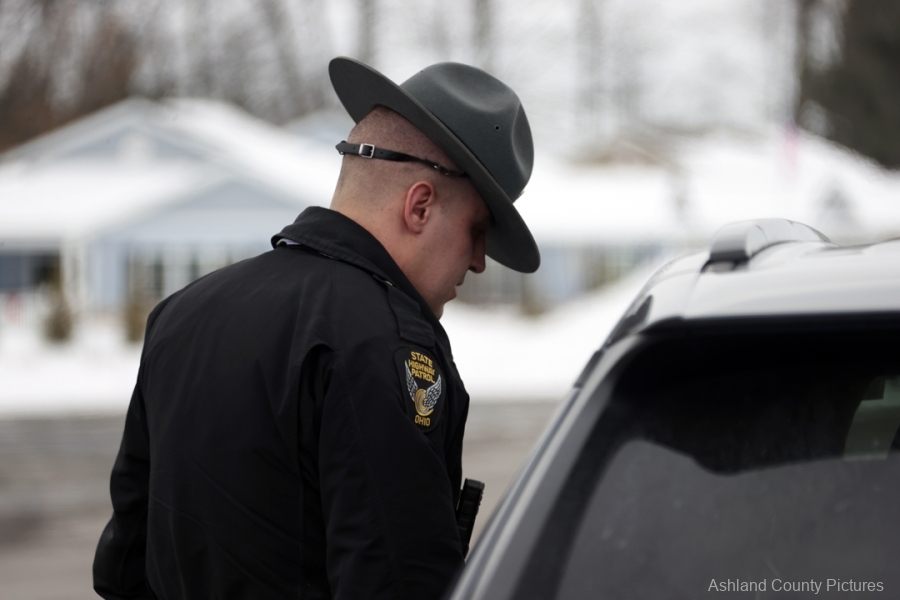
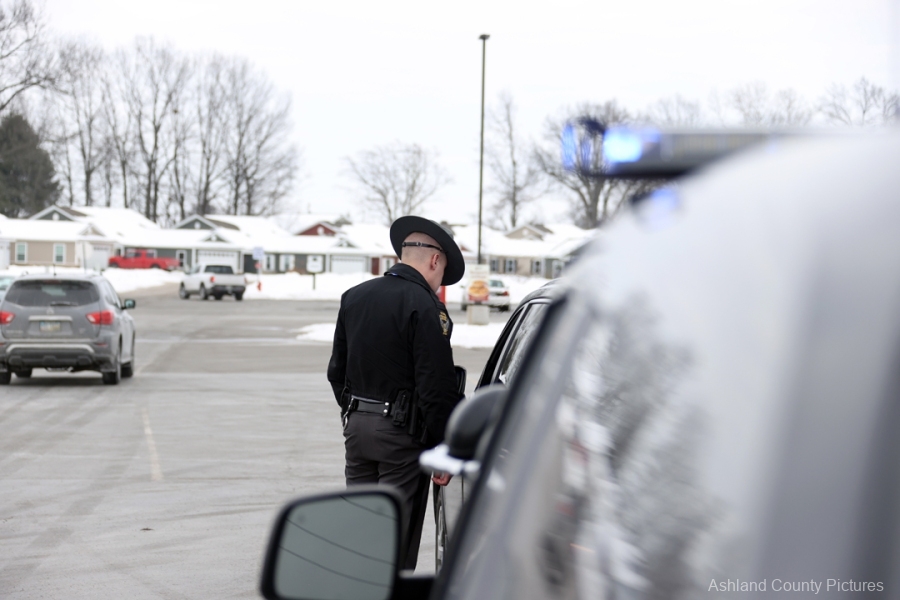
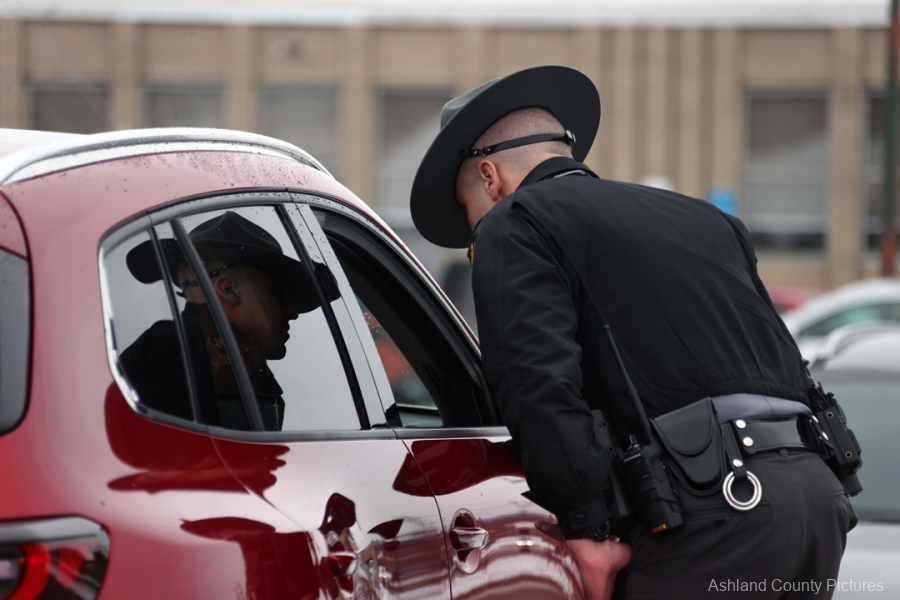
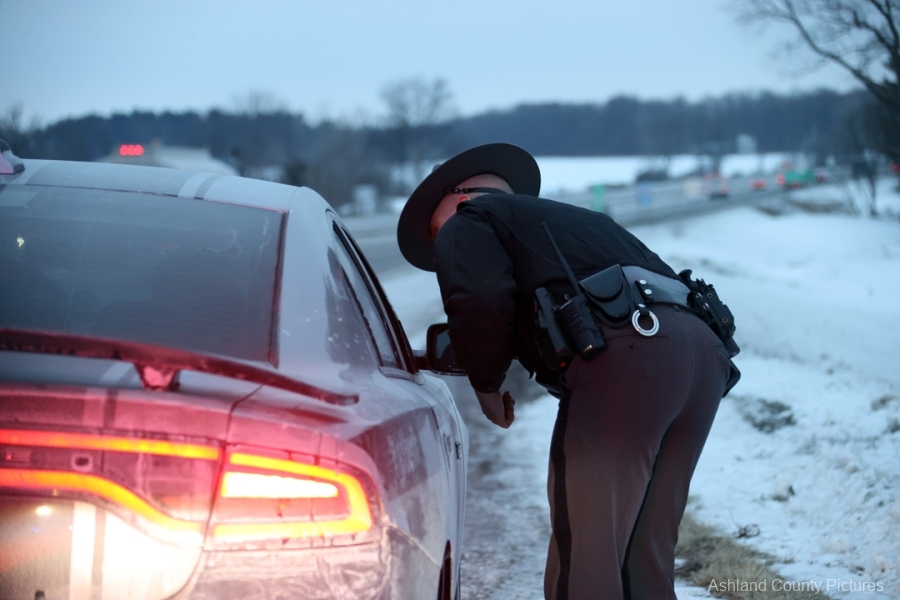
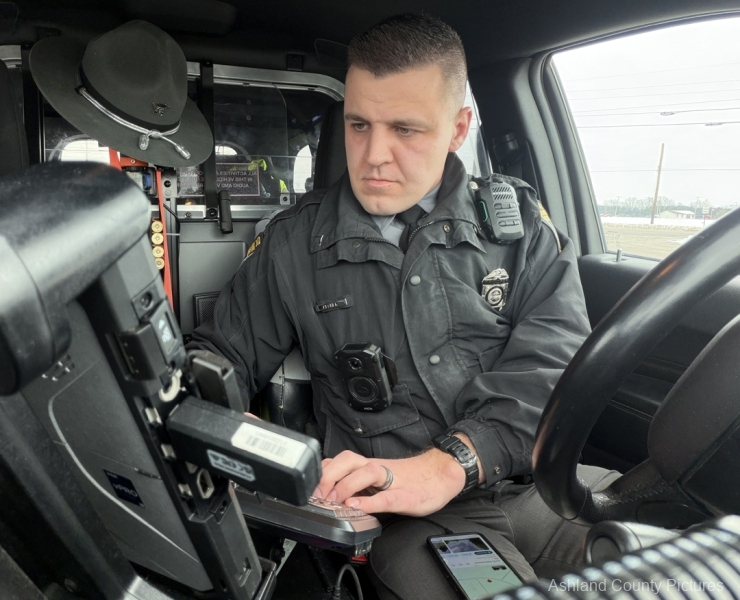
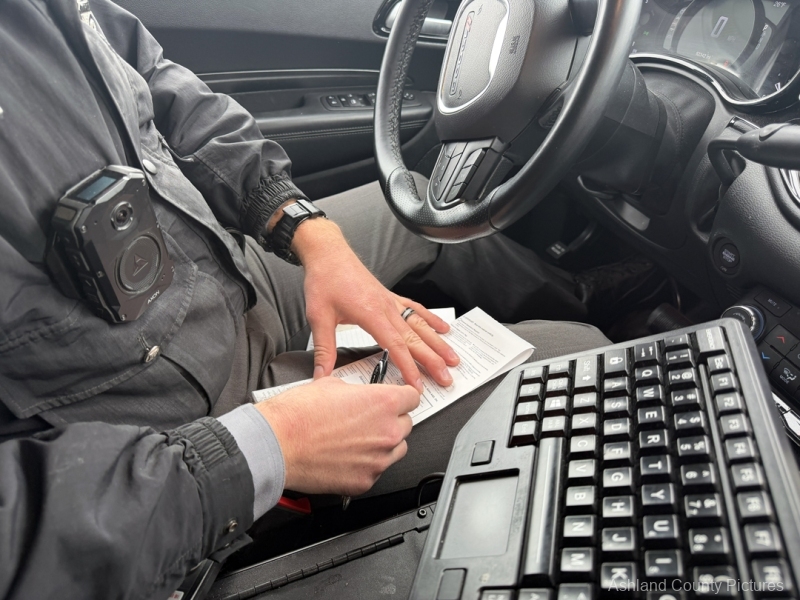
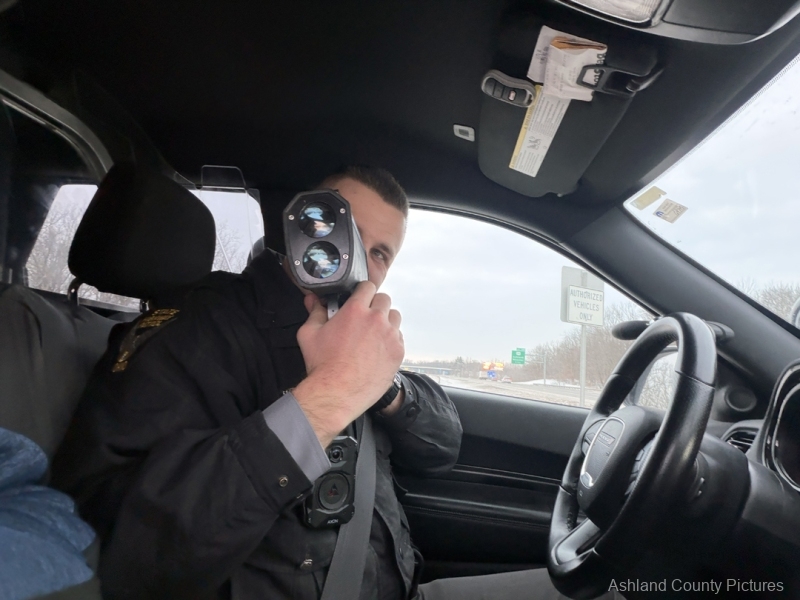
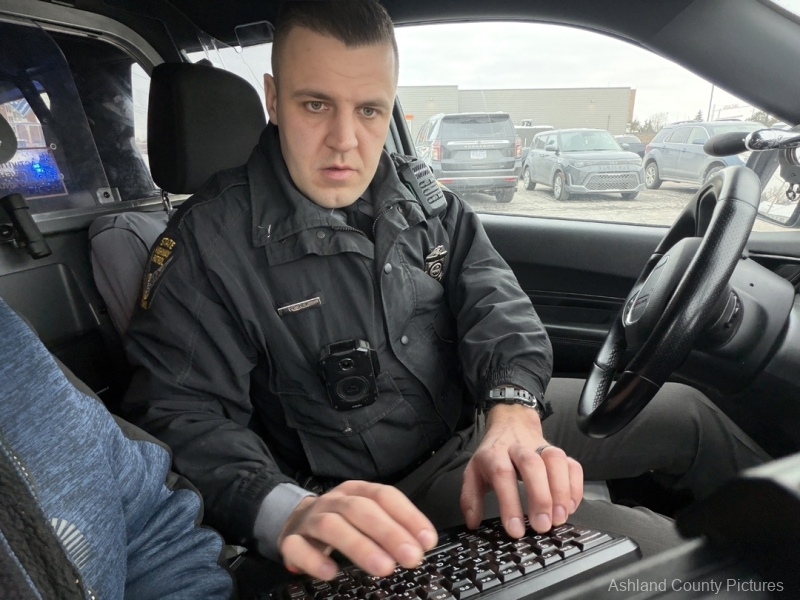
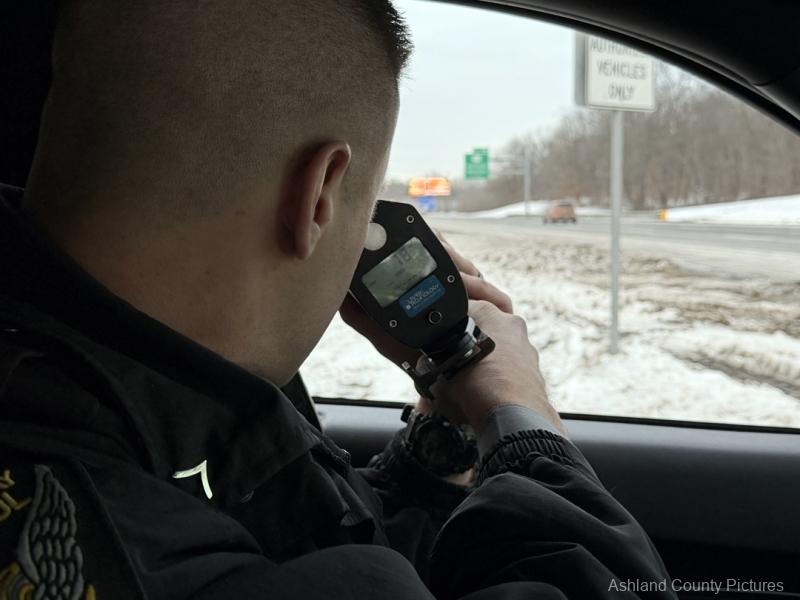
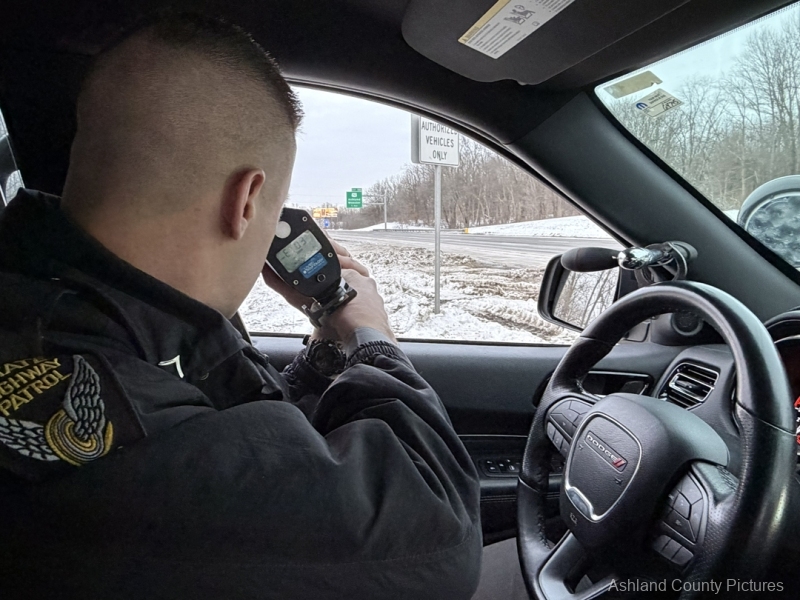
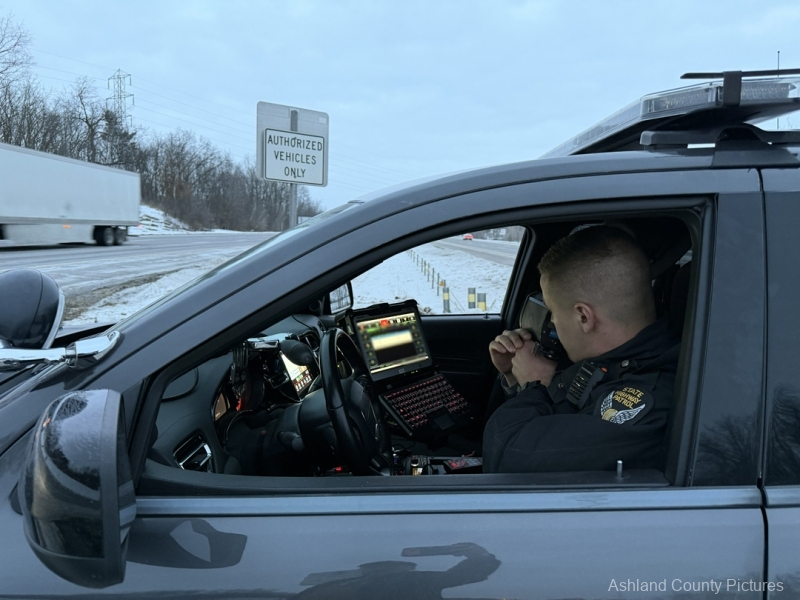
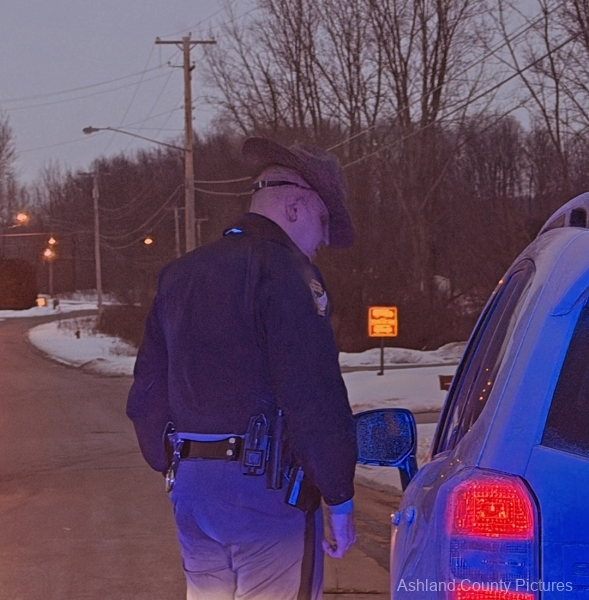
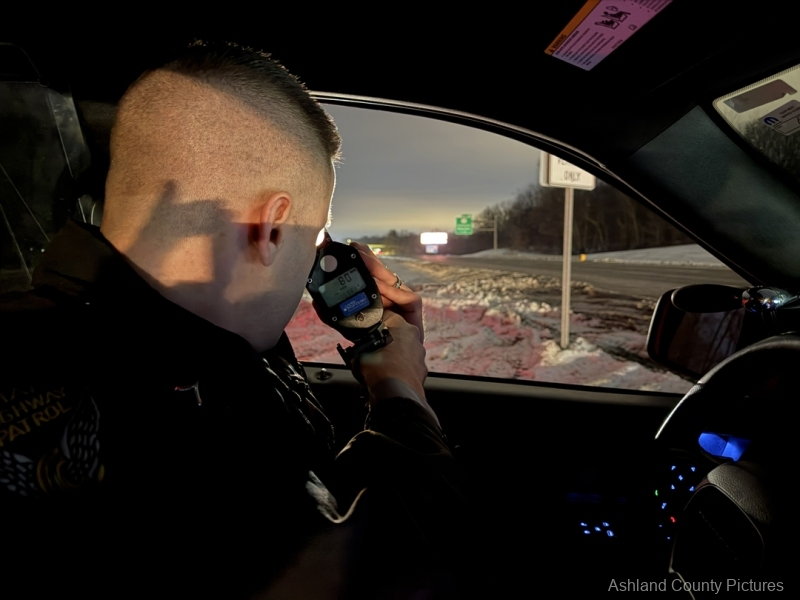
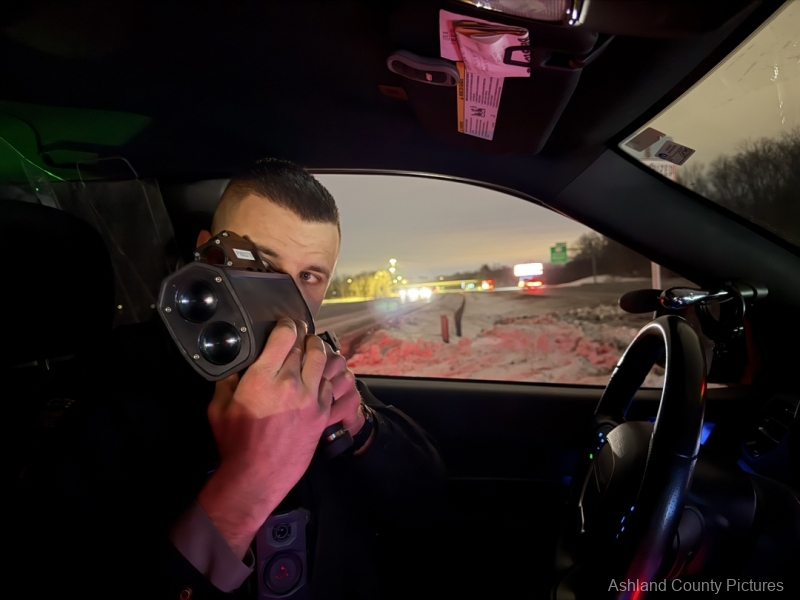
The ride-along took place shortly after 2 p.m. with Trooper Kevin Peshek, an eight-year veteran of the Ashland Post. While traveling along Claremont Avenue, it took only minutes to observe a driver actively using a cell phone. The driver was stopped and issued a citation. Trooper Peshek explained the violation in a professional, factual manner, outlining the reason for the stop and the applicable distracted driving law. Within a short time after clearing that stop, another driver was observed using a phone while driving.
According to Peshek, distracted driving continues to be a factor in many crashes troopers respond to across Ohio.
“I think it’s very important, especially with cell phones and other electronic devices becoming so popular now,” Peshek said of Ohio’s distracted driving law. “A lot of the crashes we respond to involve distractions with cell phones or other electronic devices.”
He explained that many daytime crashes — including vehicles failing to yield at stop signs, drifting out of lanes, or sideswiping other vehicles in clear weather — are often linked to drivers not paying attention to the roadway.
“A lot of those crashes are most likely due to people being distracted on their devices, on their cell phones,” Peshek said. “This law gives us a tool to try to prevent some of those unnecessary crashes from occurring.”
Peshek noted that drivers frequently claim they were using their phone for GPS navigation when stopped, but emphasized that holding a phone for navigation still takes a driver’s eyes off the road.
“Even if you are on your GPS and you’re holding it for navigation, you’re still looking at the screen,” he said. “It’s still taking your eyes off the roadway and definitely causing a safety risk.”
To provide additional context on local traffic safety, Ashland Post crash data from 2025 further illustrates the challenges troopers face. Ashland Post, Sergeant E. Crum reported that troopers investigated 1,254 crashes throughout Ashland County during the 2025 year. These figures reflect only crashes handled by the Ohio State Highway Patrol Ashland Post and do not include incidents investigated by the Ashland County Sheriff’s Office or the Ashland Police Division.
Crashes occurred most frequently on Mondays, with 207 reported, followed by Fridays with 198 and Tuesdays with 195. Sundays saw the fewest crashes, with 146 reported. Other totals included 176 crashes on Thursdays, 175 on Saturdays, and 157 on Wednesdays.
Crash data also identified several contributing factors, with some crashes involving more than one cause. Deer-related crashes were the most common, accounting for 270 incidents. Speed-related crashes followed at 227, while failure to yield contributed to 154 crashes. Troopers also documented 151 crashes involving unbelted occupants and 150 involving commercial vehicles.
Distracted driving and running a red light or stop sign each contributed to 47 crashes. Additional factors included 37 OVI-related crashes, 27 motorcycle-related crashes, 16 buggy-related crashes, nine drug-related crashes, six pedestrian-involved crashes, five school bus–related crashes, three work zone–related crashes, and two bicycle-related crashes.
Sergeant Crum said the data helps guide enforcement and education efforts throughout the county.
“These statistics help guide where we focus patrols and safety messaging,” Sergeant Crum said. “Our goal is always to reduce serious injuries and fatalities on Ashland County roadways.”
Ohio State Highway Patrol Ashland Post Commander Brian Beal also cautioned that distracted driving figures likely underrepresent the true scope of the problem.
“I also think it may be worth noting that those are just reported numbers,” Beal said. “If we have solid evidence or an admission that someone was distracted and a crash was caused, then we will document our report accordingly. Sometimes we do not have that evidence, and it may not be counted in those numbers.”
Beal added that distraction may play a role in other crash categories that are not officially documented as distracted driving.
“Yes, we had 270 deer-related crashes,” he said. “But how many could have been avoided if someone wasn’t on their phone?”
According to Beal, the reality highlights why troopers continue to emphasize hands-free compliance, situational awareness, and proactive enforcement — even when distraction is difficult to definitively prove after a crash has occurred.
Ohio troopers continue to stress that while enforcement is important, preventing distracted driving ultimately depends on motorists choosing to keep their attention on the road.
Looking ahead, tomorrow’s article and video interview will feature John Good, Honorable Judge of Ashland County Municipal Court, who will share the court’s perspective on distracted driving, how cases are handled, and what drivers need to know under Ohio law.