
Familial Trafficking: Understanding a Hidden Crisis Impacting Our Community
ASHLAND, OH — Human trafficking is often imagined as something that happens far from home, in distant countries or unfamiliar places. However, experts say one of the most dangerous and least recognized forms of trafficking is happening much closer to home—sometimes within a victim’s own family.
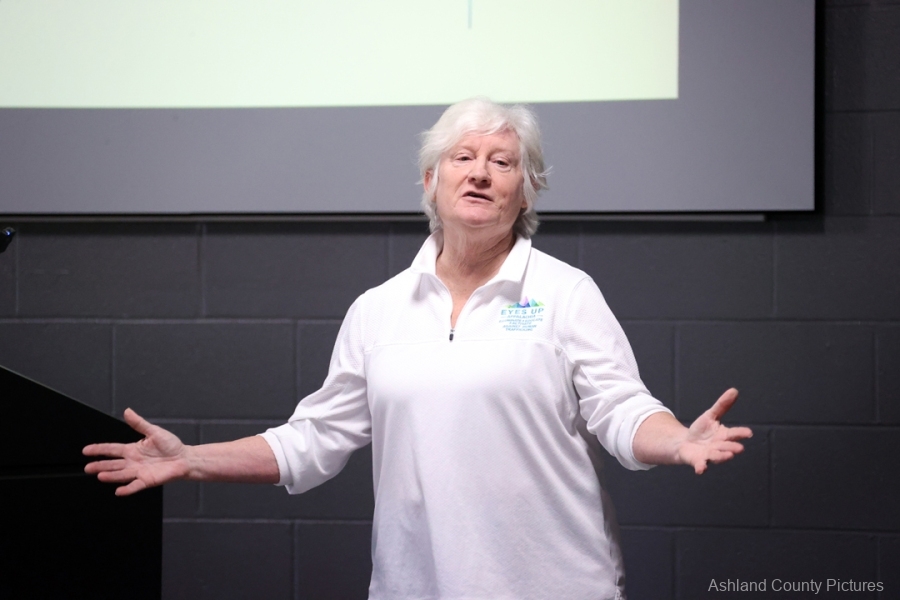
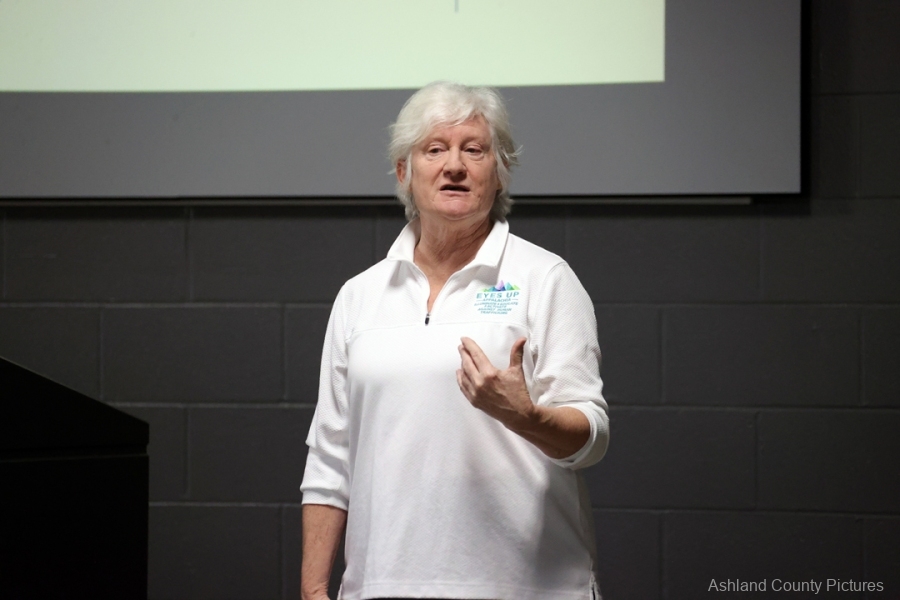
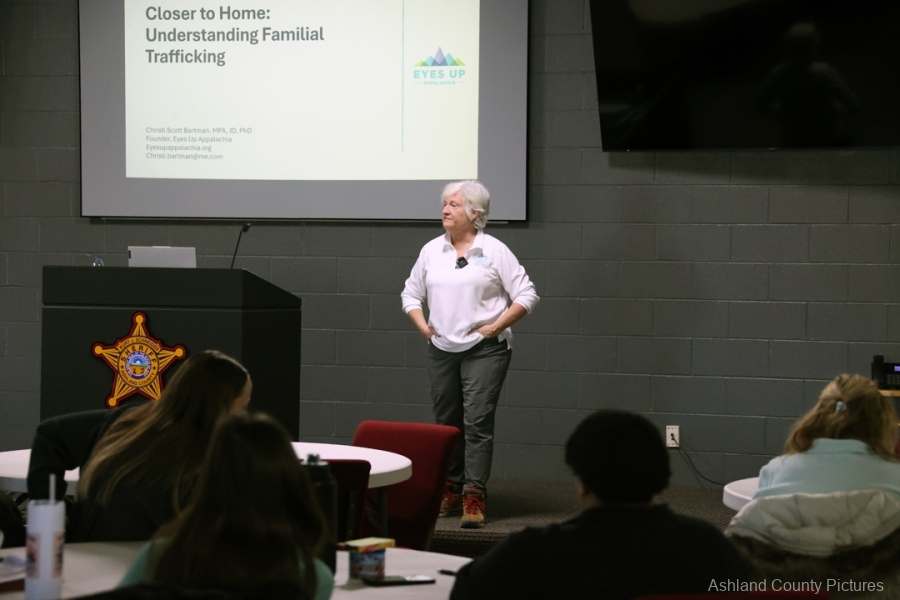
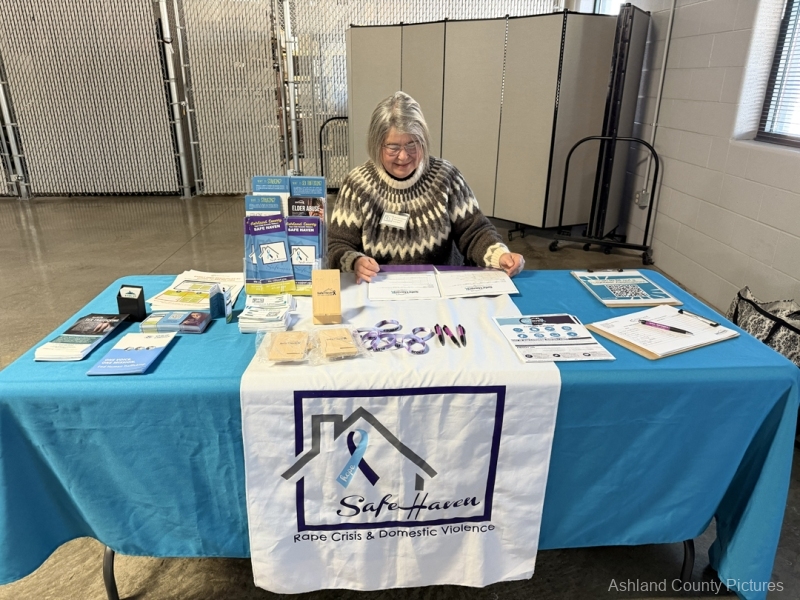
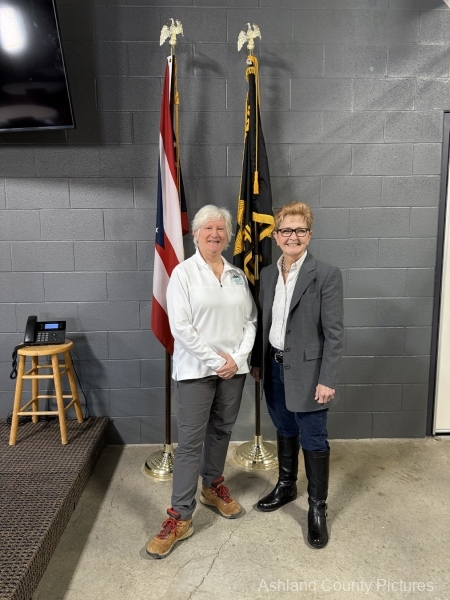
That reality was the focus of a recent Lunch-and-Learn educational presentation titled “Closer to Home: Understanding Familial Trafficking,” held Tuesday, January 20, 2026 at the Sheriff’s Annex. The event was coordinated by Laura Brewer, Outreach and Prevention Coordinator for Rape Crisis and Domestic Violence Safe Haven, and featured nationally recognized speaker Dr. Christi Scott Bartman, MPA, JD, PhD, Founder of Eyes Up Appalachia.
Dr. Bartman, whose work centers on identifying and combating familial trafficking, delivered an in-depth and thought-provoking presentation aimed at increasing local awareness of this often-overlooked issue. Through her organization, Eyes Up Appalachia, and her many speaking engagements, Dr. Bartman dedicates her work to supporting and educating those individuals and families affected by trafficking and exploitation.
What Is Familial Trafficking?
Under the Victims of Trafficking and Violence Protection Act of 2000, human trafficking is defined as compelling someone to engage in a commercial sex act, labor, or services through the use of force, fraud, or coercion. Familial trafficking falls under this definition but differs from commonly understood abuse scenarios.
Familial trafficking is not considered incest, because it involves the exchange of sex or labor of a person for goods or services, involving a third party as the trafficker. These exchanges may include money, drugs, alcohol, food, housing, car repairs, or government assistance such as food stamps. In these cases, the trafficker is a family member—by blood or legal relationship.
Familial Trafficking is not prostitution; prostitution is when 2 individuals agree to the exchange of sex for something of value. There is no 3rd party involved and no coercion or exploitation.
Dr. Bartman explained that many survivors do not recognize themselves as victims. Children and adults may believe they are fulfilling a “duty” to help support their family. Others may be coerced through threats of harm to siblings or loved ones if they refuse to comply.
Risk Factors and Warning Signs
Several risk factors can increase vulnerability to familial trafficking, including:
- Families living below the poverty line
- Substance and alcohol abuse within the household
- Lack of adequate health insurance
- Divorce or single-parent households
- Rising inflation and food insecurity
- Generational patterns of addiction and poverty
“These conditions don’t cause trafficking on their own,” Dr. Bartman noted, “but they can create environments where exploitation becomes easier to hide.”
How Does Familial Trafficking Affect Our Community?
The effects of familial trafficking extend far beyond the home and impact the entire community.
- Behavioral challenges in schools
- Increased recidivism within jail populations
- Earlier onset of substance use among children
- Higher crime and violence rates
- Greater demand for medical and mental health services
- Increased Adverse Childhood Experiences (ACEs) scores
- Higher rates of suicide attempts and drug overdoses
- Deep and lasting trauma among young children
What Can Be Done?
Addressing familial trafficking requires a community-wide, multidisciplinary approach.
- Expanding mental-health services
- Increasing awareness and education
- Strengthening drug and alcohol prevention and treatment programs
- Encouraging collaboration across professional fields
Law enforcement officers, firefighters, teachers, clergy, counselors, grocery-store clerks, parents, grandparents—everyone can benefit from understanding the warning signs and knowing how to respond safely and compassionately.
Dr. Bartman’s presentation offered practical tools for recognizing and combating familial trafficking at the local level. Helping survivors recognize their self-worth, find a path to safety, and begin healing is among the most important work a community can do.
Help Is Available
If you suspect trafficking is occurring in your area or involving someone you love, do not hesitate to reach out. If you or someone you know needs help, resources are available:
- Emergency: Call 911
- 24-Hour Anonymous Hotline (Local): 419-289-8085
- National Human Trafficking Hotline: 1-888-373-7888
- Ohio Statewide Human Trafficking Hotline: 1-844-363-6448
- Text: 233733
Your Health Matters.
Ashland County Pictures
JS Lyons