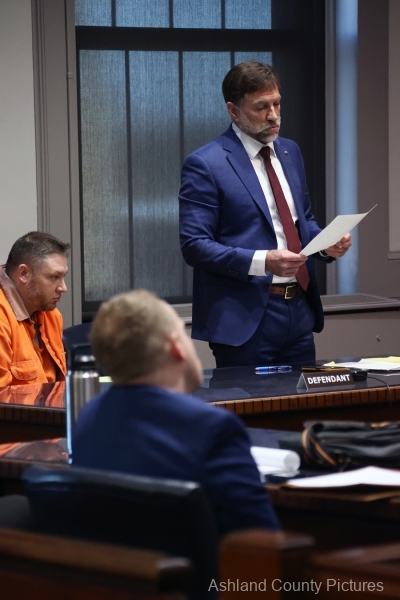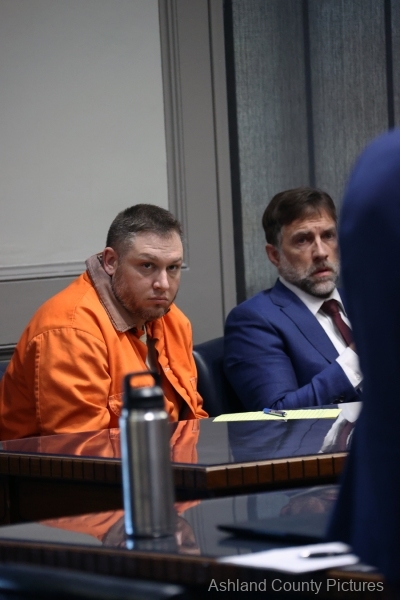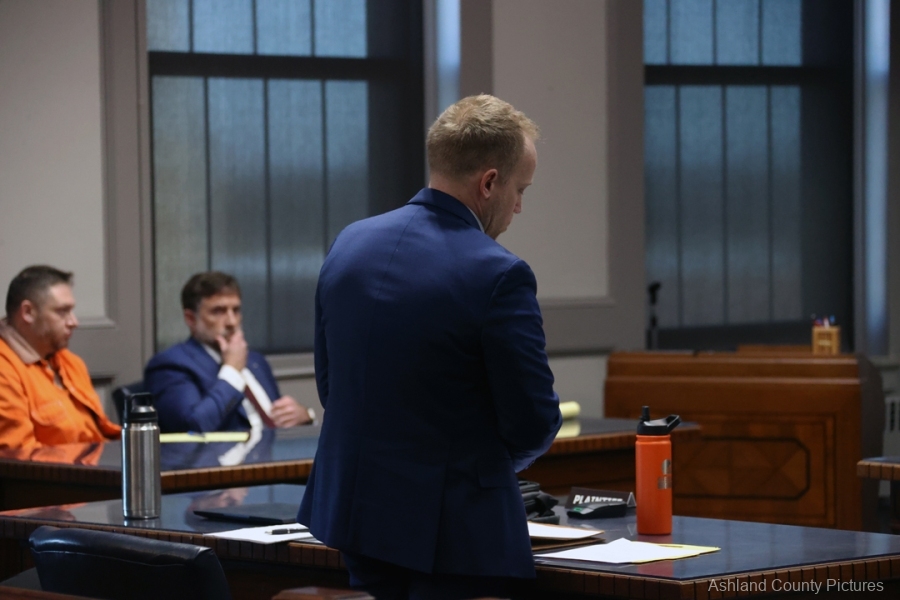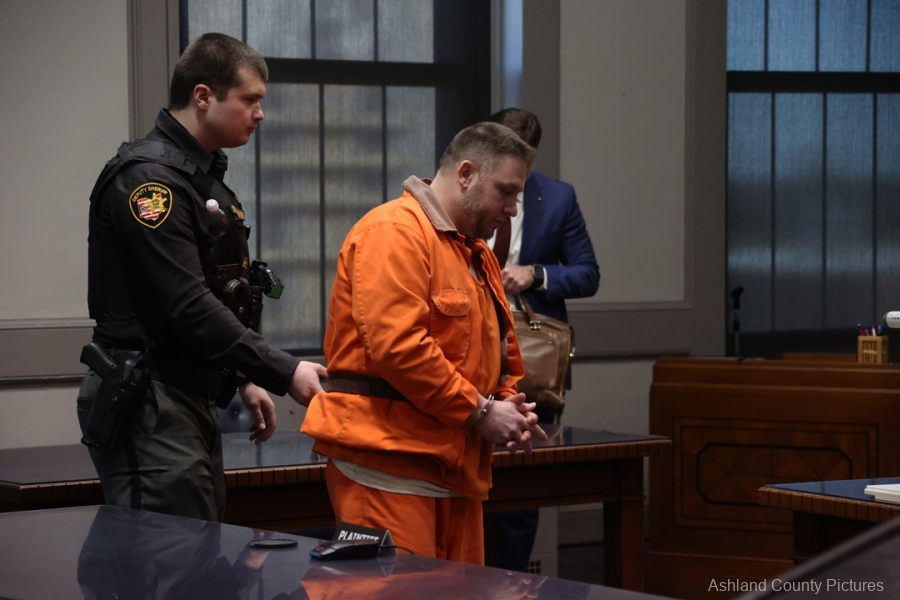

Judge takes “no-bond” request under advisement in Brandon Mosher case; BCI agent outlines cyber-tip investigation and alleged online activity
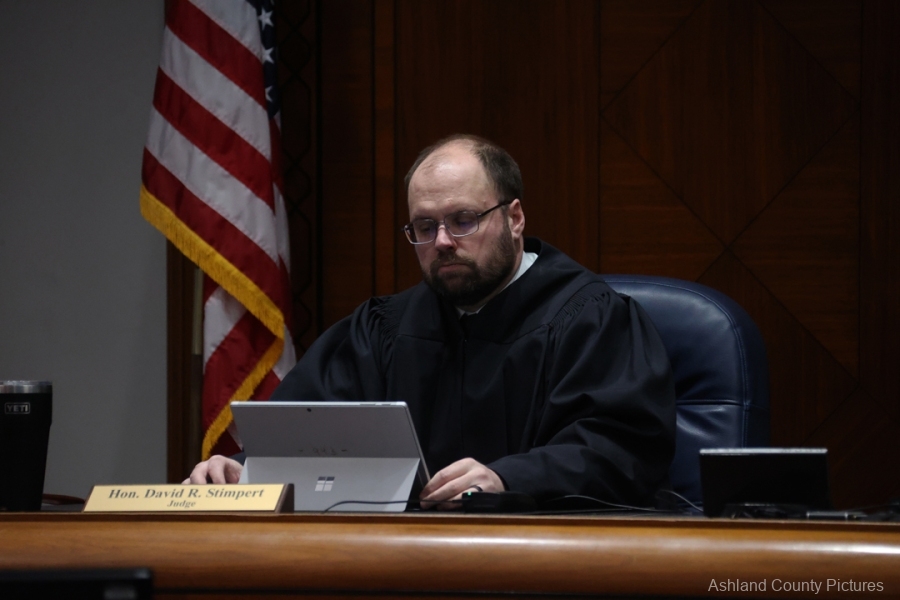
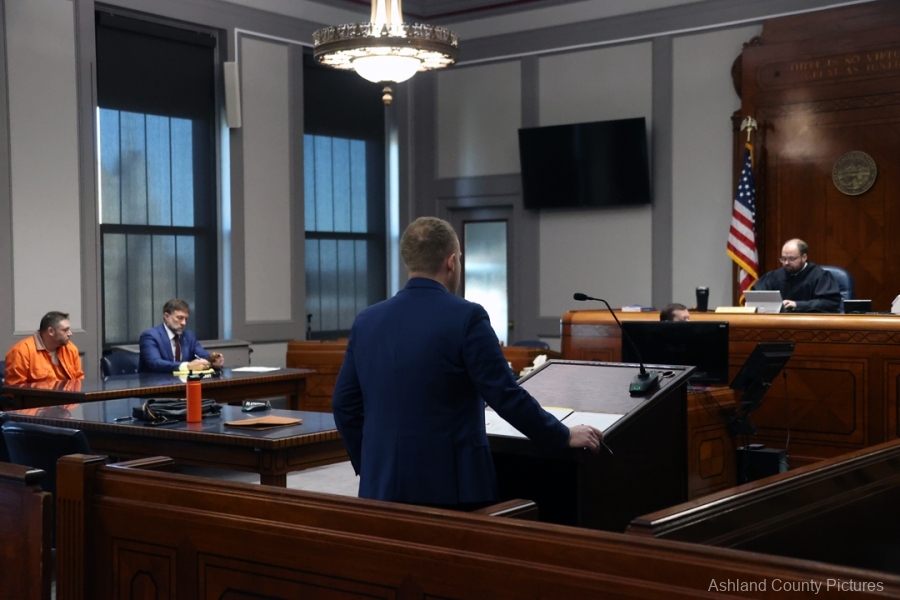
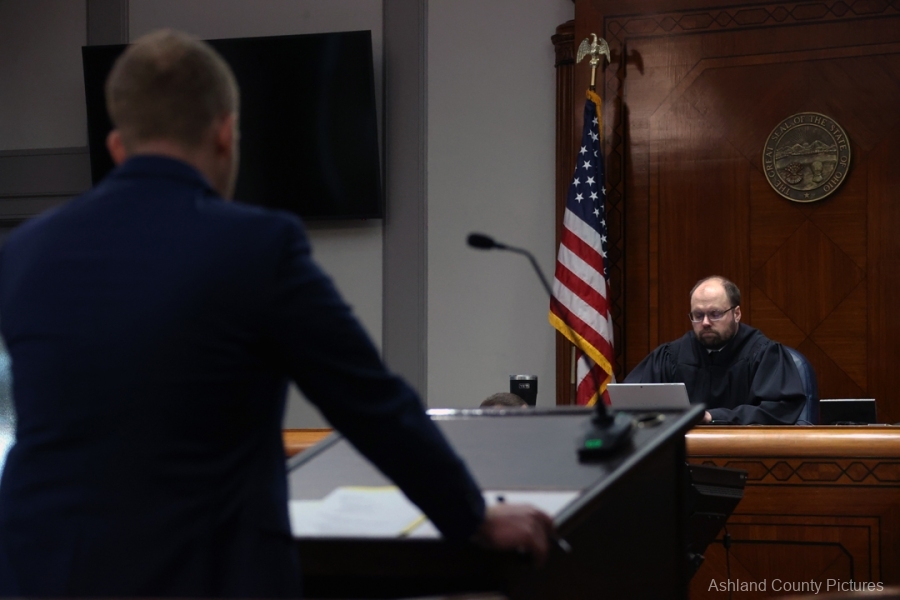
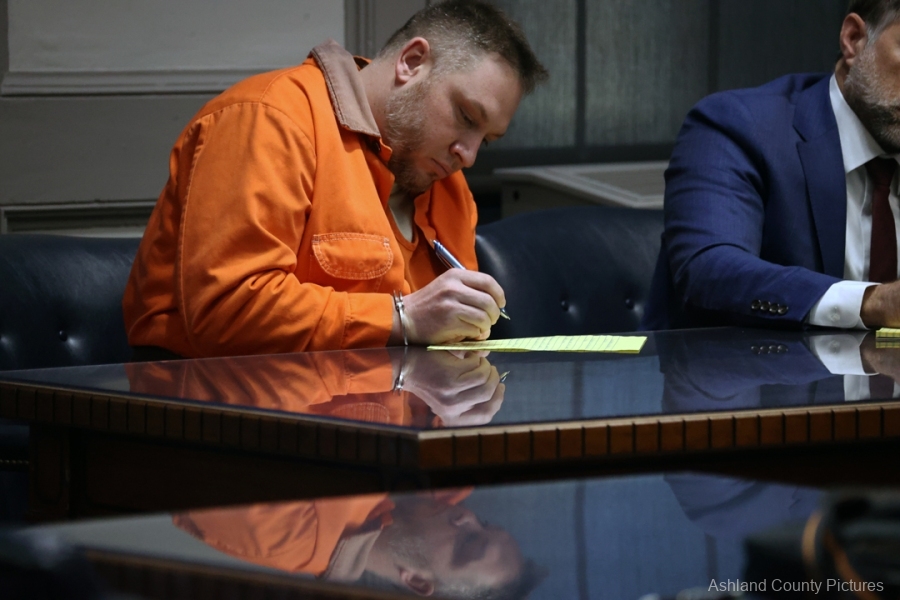
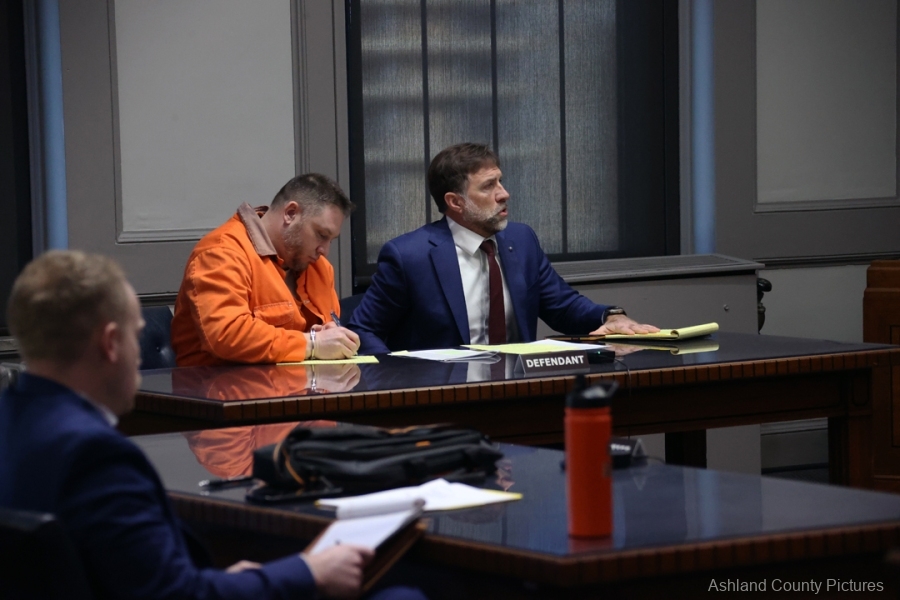
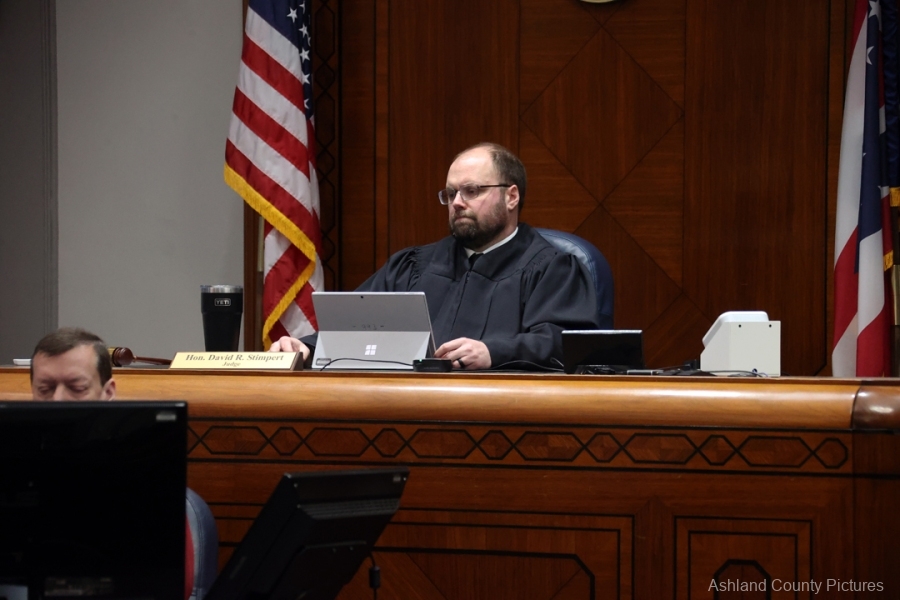
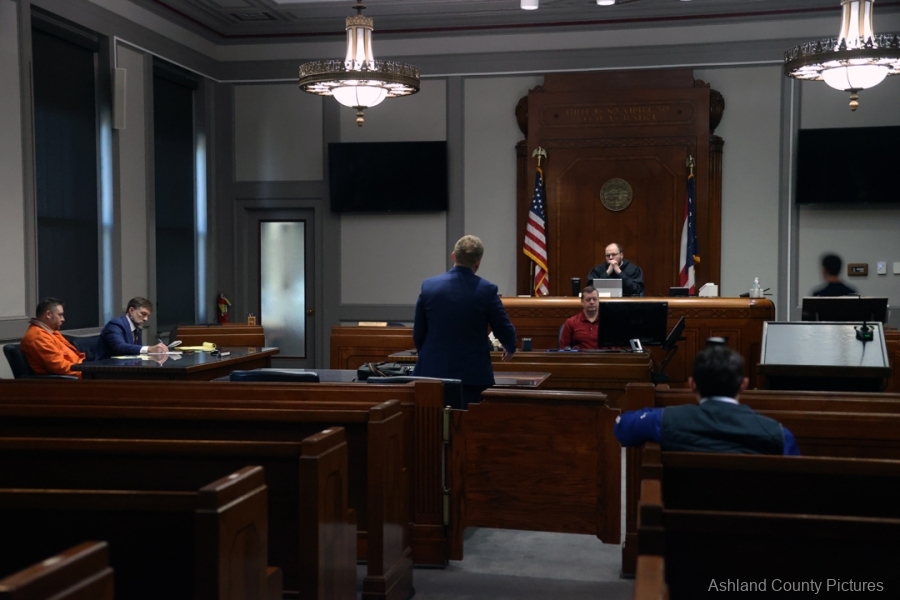
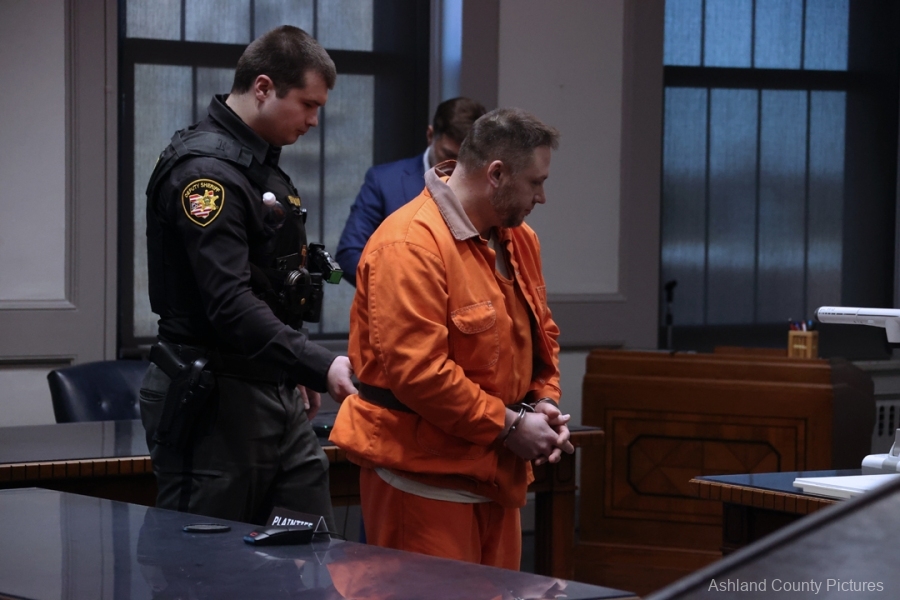
ASHLAND COUNTY, Ohio — Ashland County Common Pleas Court Judge David R. Stimpert took a prosecution request to hold Brandon Mosher without bond under advisement following testimony Monday detailing a wide-ranging Ohio Bureau of Criminal Investigation (BCI) probe that began with a cyber tip and expanded into multiple social-media and messaging platforms.
During the hearing, a BCI special agent ( I will be referring BCI Special Agent as Agent “X”) testified about an investigation that started Jan. 15, 2025, when the Ashland County Sheriff’s Office asked BCI to review a cyber tip involving Mosher “due to his position,” referencing his leadership roles in the fire service, including work connected to the Polk Fire Department and the Fremont Fire Department, according to testimony.
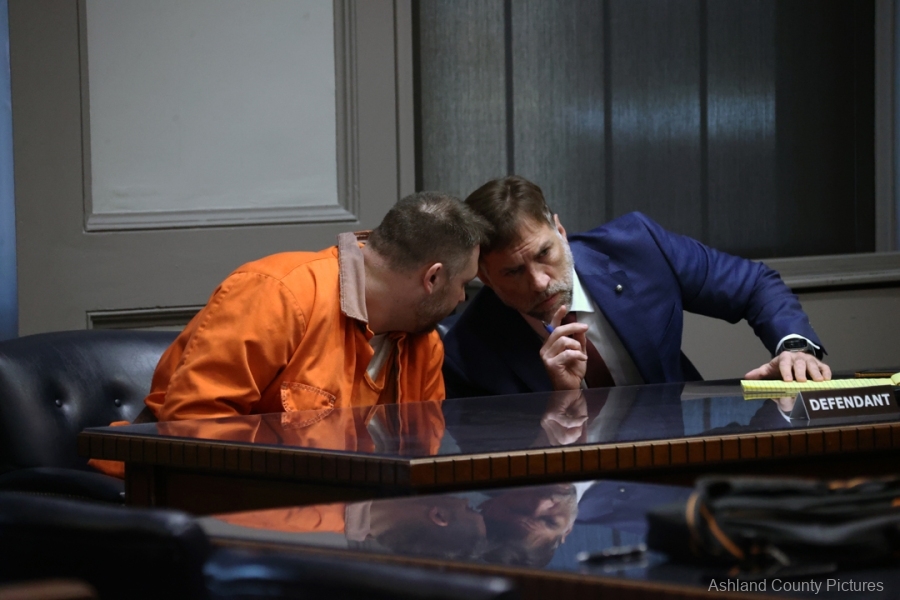
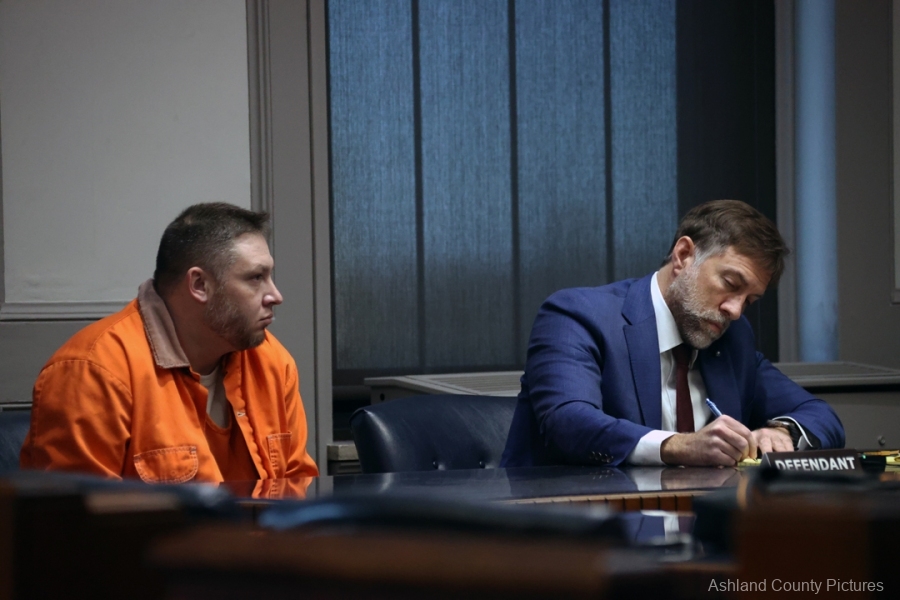
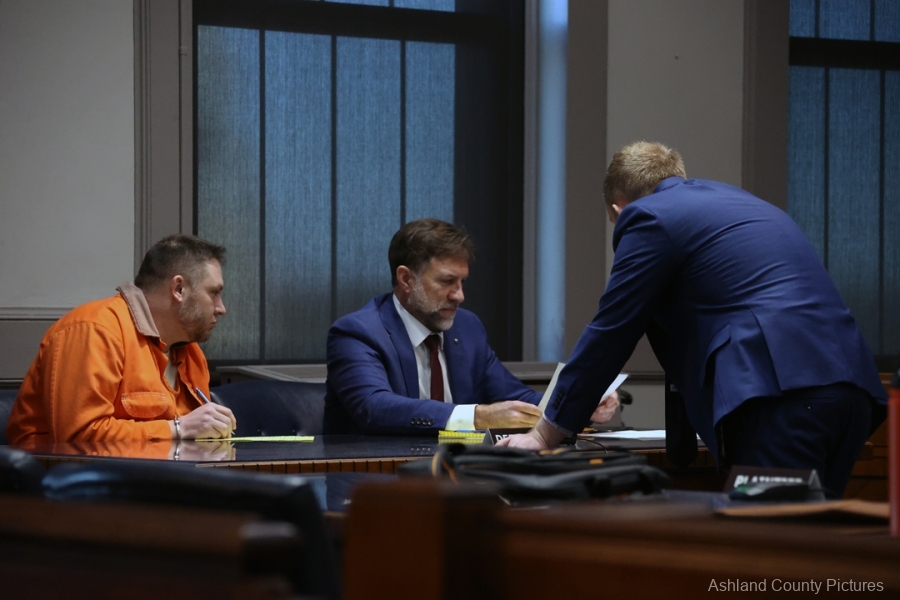
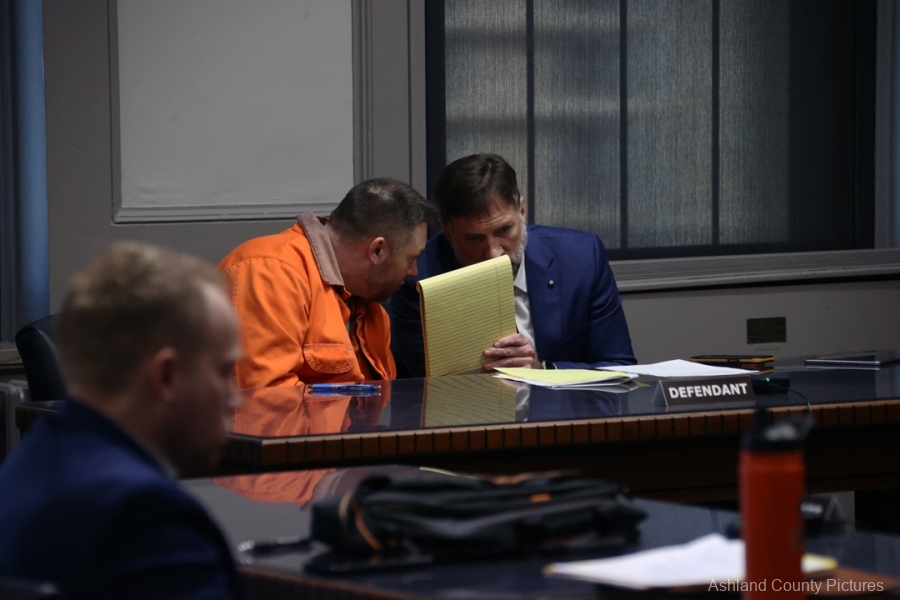
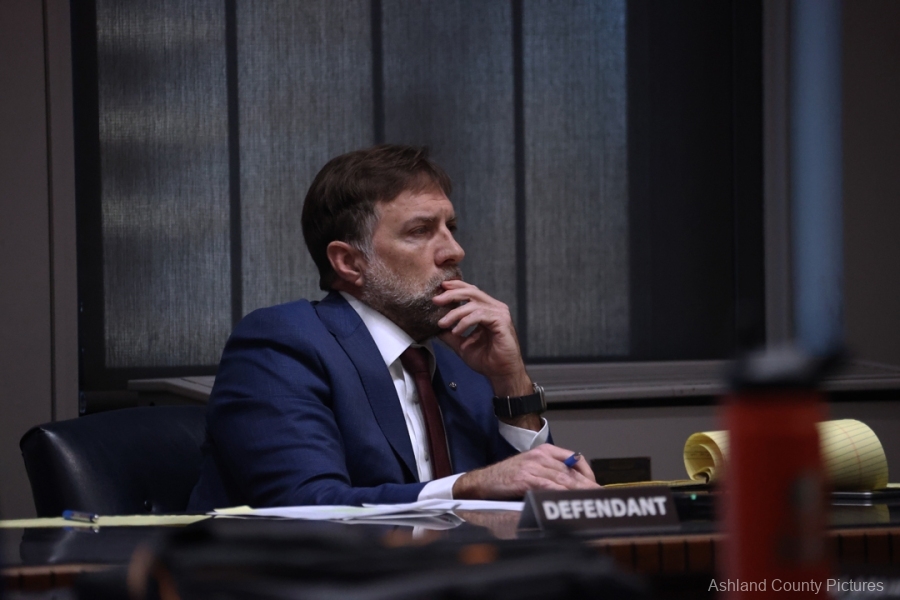
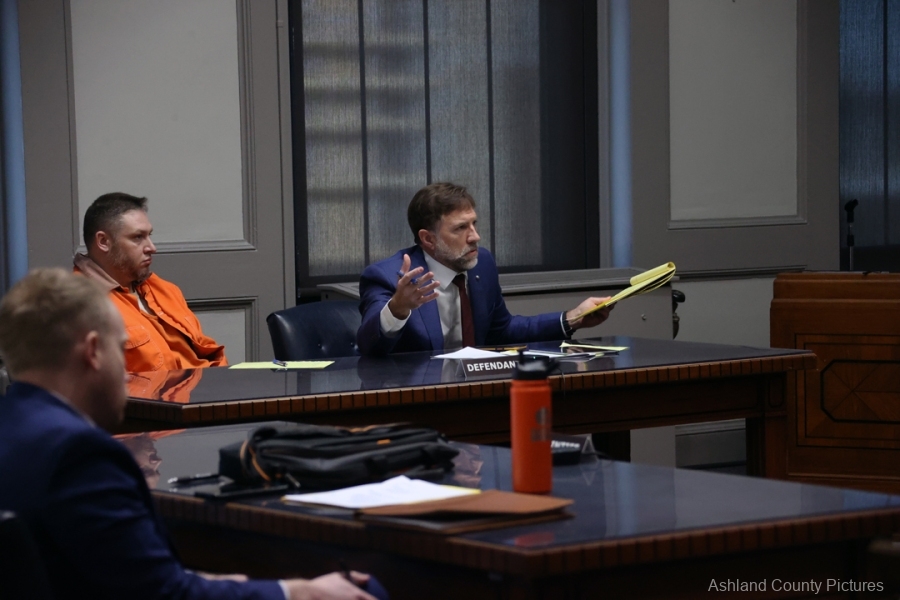
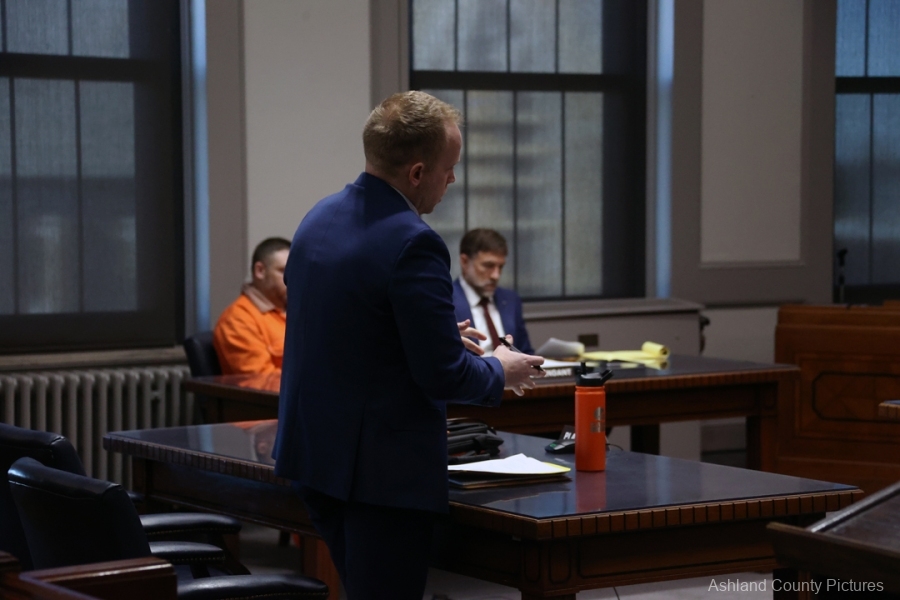
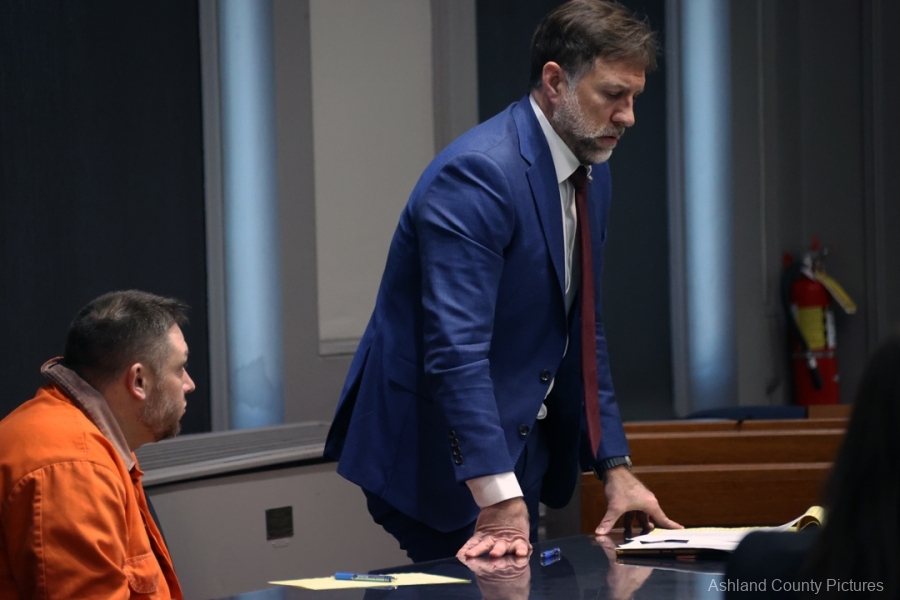
Assistant Prosecuting Attorney Matthew Metcalf questioned the agent for the state, while defense attorney James Mayer III cross-examined.
Cyber tip leads to multi-platform warrants, agent says
Agent “X” told the court the initial cyber tip was connected to the messaging app Kik, and investigators used subpoenas and search warrants to trace account information back to Mosher’s phone records, according to testimony. The agent said the case later expanded through a process described as “deconfliction,” which can surface other cyber tips tied to the same identifiers across other platforms.
The agent testified that additional cyber tips and investigative leads were associated with platforms including Snapchat, Tinder, and Instagram, and that location data within returned records placed activity at times at locations including the Fremont fire station and an Ashland Taco Bell.
The agent also described how investigators connected multiple accounts using “cookie” data and other digital markers, and testified that numerous email addresses and aliases were uncovered and linked during the process.
Devices, accounts, and alleged concealment tactics discussed
Testimony also addressed devices connected to Mosher’s workplace. Agent “X” said a cellphone was located in a locker at the Fremont Fire Department and later searched pursuant to a warrant, and that investigators also reviewed a desktop-style computer described as an “all-in-one” located in an office area connected to Mosher’s work.
The agent testified that investigators encountered barriers consistent with concealment efforts, including deleted accounts and a device that appeared to have been factory reset. The agent also referenced software and services that, in the agent’s experience, can be used to obscure online activity, testifying that those types of tools were found during this investigation.
Prosecutor cites risk to victims and defendant; defense disputes “no bond” standard
In questioning, Agent “X” testified that alleged victims described long-term emotional and psychological impacts, including changes in how they use social media and heightened concern about online activity. The agent also testified to concerns about Mosher’s safety after a jail call in which Mosher discussed suicidal thoughts, and raised concerns about his children based on material the agent said was discovered during the investigation.
Mayer pressed the agent on whether there was evidence of violations while Mosher was previously released on bond, repeatedly asking whether the agent could point to proof of direct or indirect contact with named victims or violations of conditions during the time Mosher was out. The agent testified that, as of the hearing, the agent could not point to specific confirmed contact during that period, while also stating the investigation remained ongoing.
Mayer argued that holding someone with no bond should be reserved for the most extreme cases and said the court had “a preview” of how Mosher behaved while previously on release with strict conditions. He emphasized the absence of reported violence and said the hearing record did not meet the legal threshold for denying bond.
Metcalf urged the court to grant the state’s request, pointing to the scope of the digital investigation, the agent’s testimony about concealment tactics, and the potential risk of harm. Metcalf also asked the judge, if no-bond is denied, to consider increasing bond, referencing a prior request the state had made for a significantly higher bond amount.
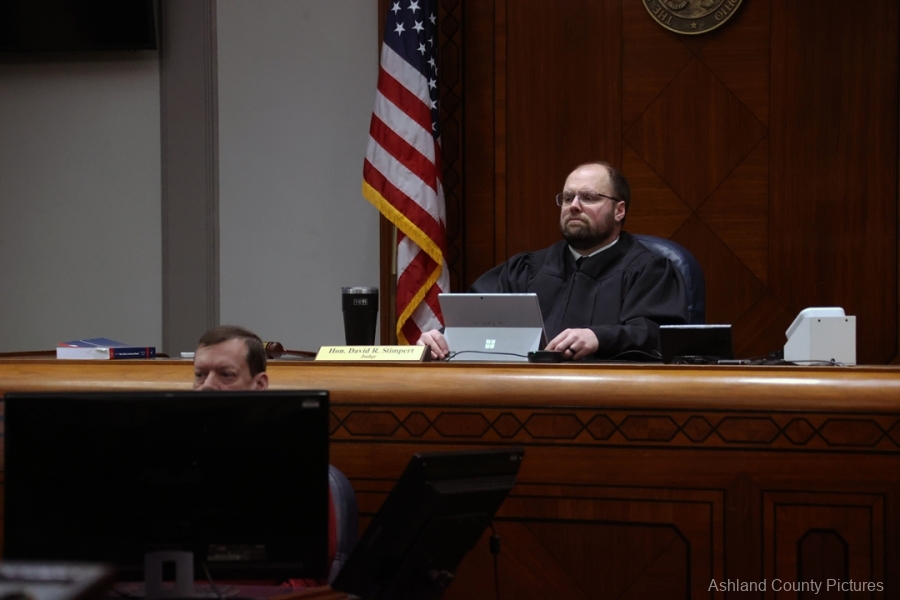
At the conclusion of arguments, Ashland County Common Pleas Court Judge David R. Stimpert said the matter would be taken under advisement and a decision would be issued after the court had time to review and consider the testimony and arguments presented.
Brandon Mosher remains in the Ashland County Jail.
NOTE:
Under both Ohio and federal law, “no bond” detention is reserved for limited circumstances and requires a court hearing. In Ohio, R.C. 2937.222 allows a judge to deny bail only if the state presents clear and convincing evidence that the defendant committed a qualifying felony, poses a substantial risk of serious physical harm to the community, and that no set of release conditions could reasonably ensure public safety. Federal law contains a similar framework under 18 U.S.C. § 3142, which permits detention when no combination of conditions will reasonably assure a defendant’s court appearance and the safety of the community. In practice, courts generally consider no-bond requests in the most serious cases—often involving major felonies or situations where the evidence is strong—and the prosecutor must demonstrate why detention is necessary. Common factors cited in no-bond motions can include an elevated risk of flight, danger to the public, potential witness intimidation, or alleged violations of prior bail conditions.