
This Day in History: Remembering the Kit Carson Scouts — A Vietnam Veteran Reflects
On this day in history, Vietnam veteran Doug Miller is reflecting on a little-known but deeply significant chapter of the Vietnam War — the Kit Carson Scouts — and one young man whose courage left a lasting mark on his platoon.
Kit Carson Scouts were former enemy soldiers who had “rallied,” or defected, to the government of South Vietnam under a program known as Chieu Hoi, meaning “Open Arms.” These individuals, once part of the Viet Cong or North Vietnamese forces, chose to risk everything by switching sides and assisting American and South Vietnamese units.
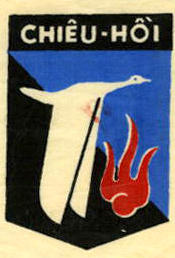
According to Miller, many former enemy soldiers were willing to act as scouts for U.S. units, and those who proved reliable were highly valued and treated with respect.
“Good Kit Carson Scouts were highly prized,” Miller recalled. “They were familiar with the terrain, often having operated in the same area as enemy soldiers. They knew where base camps and weapons caches were located, understood Viet Cong tactics, and could identify booby traps.”
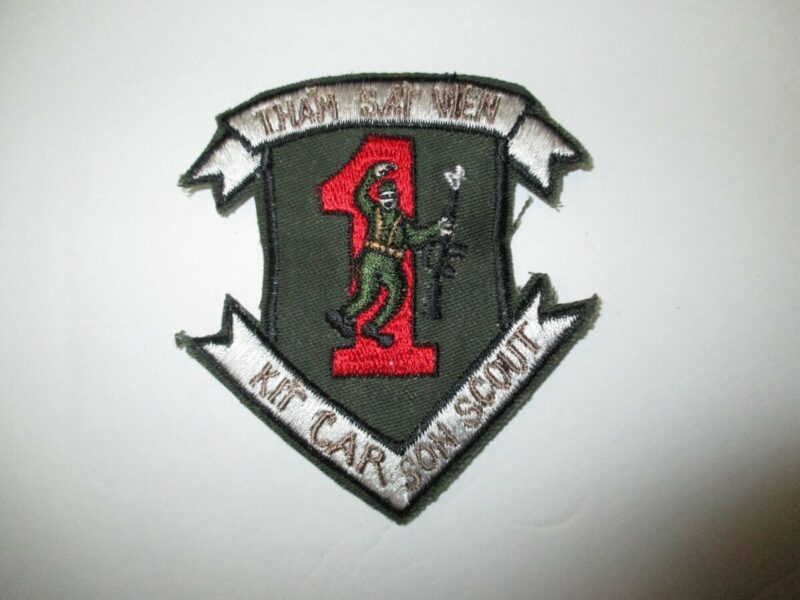
Their work was extremely dangerous. Scouts frequently put themselves in harm’s way, and many lost their lives while serving alongside American units. Despite the risks, most were considered dependable and courageous, fighting not just for survival, but for a chance at a different future.
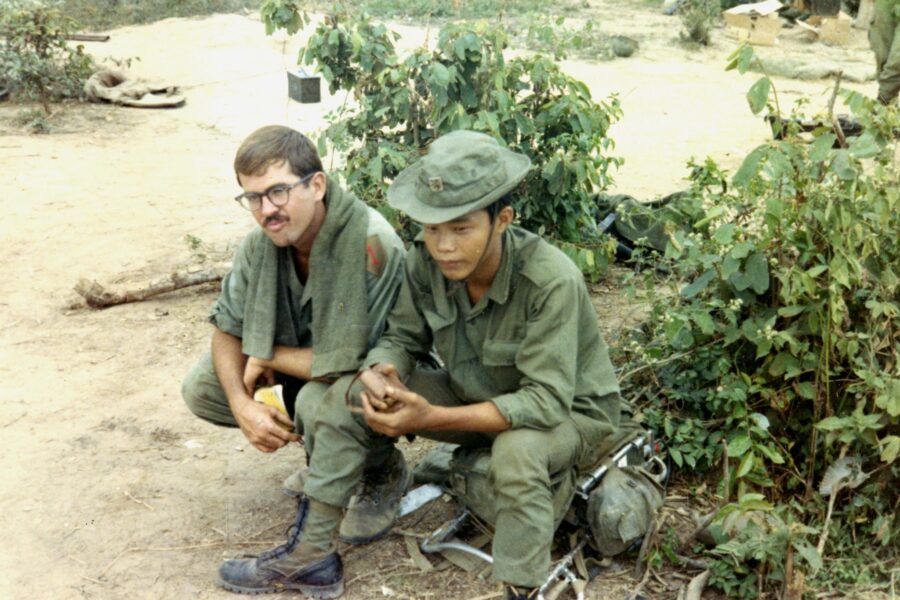
The Kit Carson Scout assigned to Miller’s unit was Cao Van Huong, a 20-year-old former Viet Cong soldier who had previously worked within their area of operations.
“When Cao tried to rally to our side, he was shot by the Viet Cong,” Miller said. “He managed to reach a friendly unit with a Chieu Hoi leaflet in his hand.”
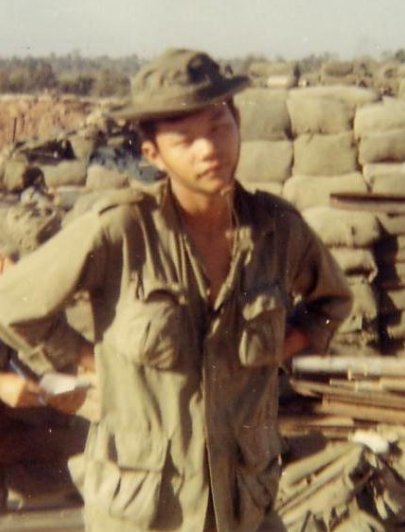
Cao survived his injuries, received medical treatment, completed the Kit Carson training program, and was eventually assigned to Miller’s platoon — where he quickly proved himself indispensable.
“Cao was an asset to us,” Miller said. “On many occasions, he located booby traps, identified enemy base camps, and found signs of enemy activity that we might have missed.”
Years after returning home from Vietnam, Miller says one question has never left him.
“In the years after our return from Vietnam, I have often wondered about Cao’s fate after the fall of the country to the Communists,” he reflected.
For Miller, remembering Cao Van Huong is about more than military history — it is about honoring the courage of those who stood in the shadows of war, often forgotten, yet critical to survival.
As veterans and communities pause to remember this day in history, stories like Cao’s serve as powerful reminders of the human cost of war and the quiet bravery of those who chose hope over fear, even when the future was uncertain.