
Vietnam Veteran Doug Miller Remembers a Day in History from the Black Lions’ Area of Operations
Vietnam War veteran Doug Miller is sharing another powerful memory from his time in Southeast Asia, reflecting on the complex and often dangerous realities faced by U.S. soldiers operating in contested rural areas of Vietnam.
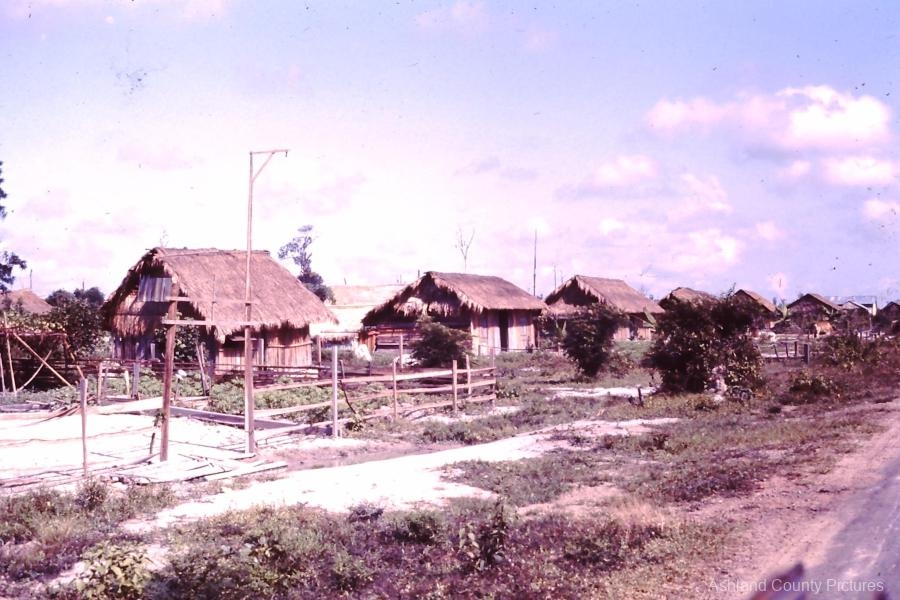
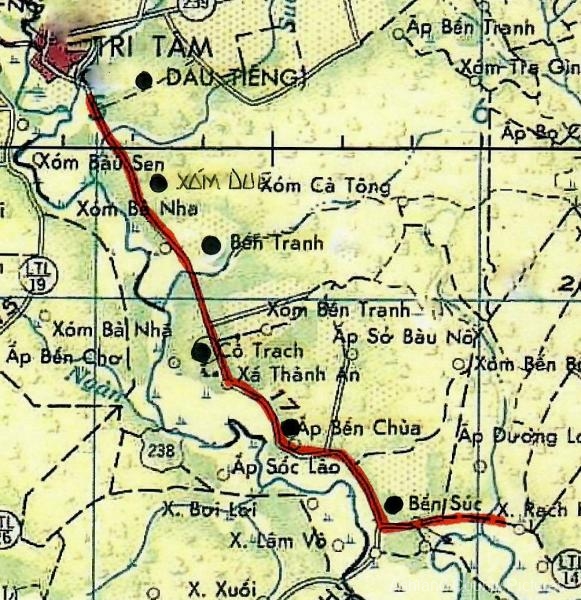
Miller recalled that numerous villages were located within the Black Lions’ Area of Operations (A.O.), stretching north to south along Route LTL 14. Those villages included Dau Tieng, Xom Due, Ben Tranh, Co Trach, Ben Chua, and Ben Suc.
According to Miller, Battalion Intelligence (S-2) assessed many of these villages as being under enemy control or sympathetic to the North Vietnamese Army and Viet Cong (NVA/VC). Intelligence reports indicated the villages frequently provided enemy forces with fighters, food, and “rice bearers”—young men and women who transported supplies to jungle base camps. Villagers were also believed to act as trail watchers, relaying information about American troop locations and movements.
Within the Black Lions’ operational area, Ben Chua stood out as the most hostile village.
“When Delta Company worked the area around Ben Chua, we made constant contact with the enemy,” Miller said.
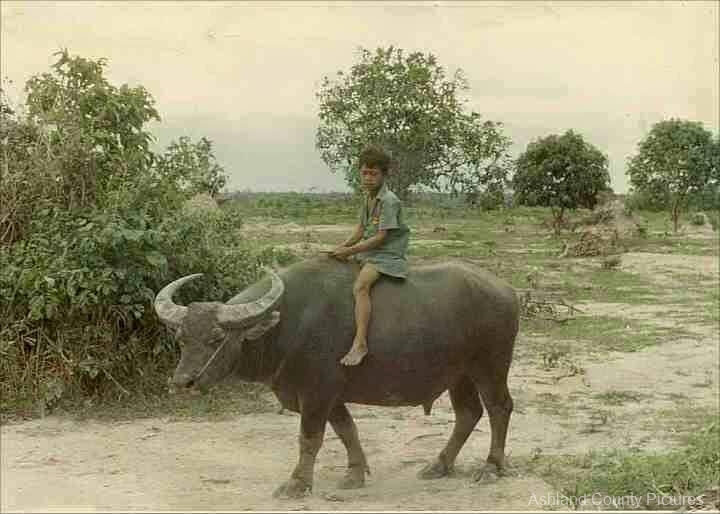
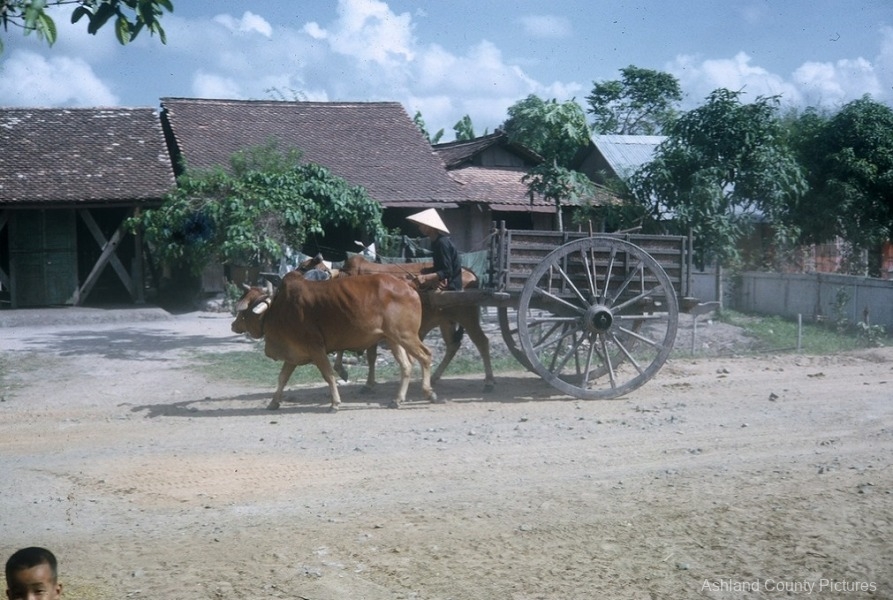
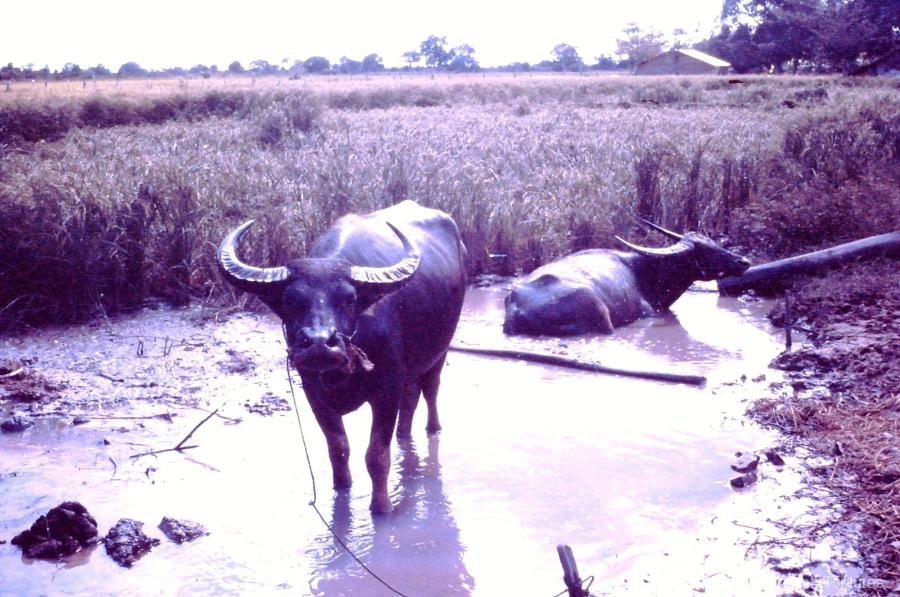
In addition to the ever-present threat of ambush or firefight, soldiers had to navigate unexpected dangers from village livestock—particularly water buffalo. Widely used by locals to plow rice paddies and pull carts, the massive animals appeared calm around villagers but behaved very differently around American troops.
“My recollection was that whenever American soldiers got anywhere near this large animal, they became extremely aggressive,” Miller said. “It must have been our scent that upset them. We decided it was in our best interest to keep our distance.”
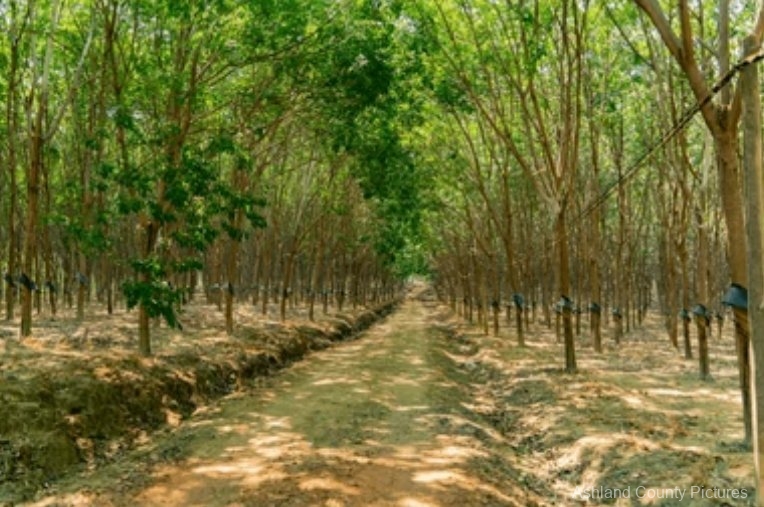
Miller said he was told at the time that if a water buffalo was killed by U.S. forces, the American government would pay to replace it. The same applied to rubber trees damaged during military operations—many of which were owned by the Michelin Rubber Company.
Claims for damaged or destroyed property were reportedly handled by USAID (United States Agency for International Development), with reparations set at $500 per animal or rubber tree.
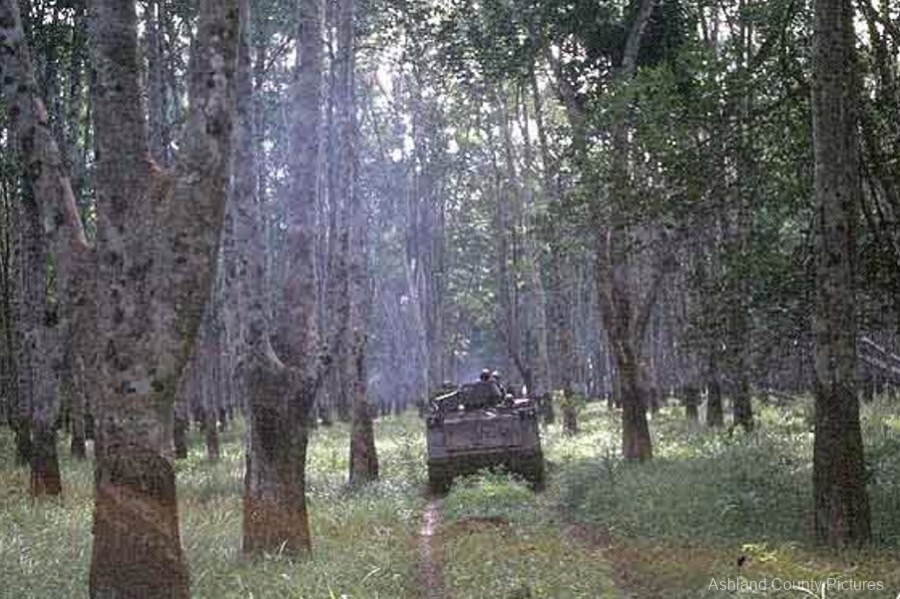
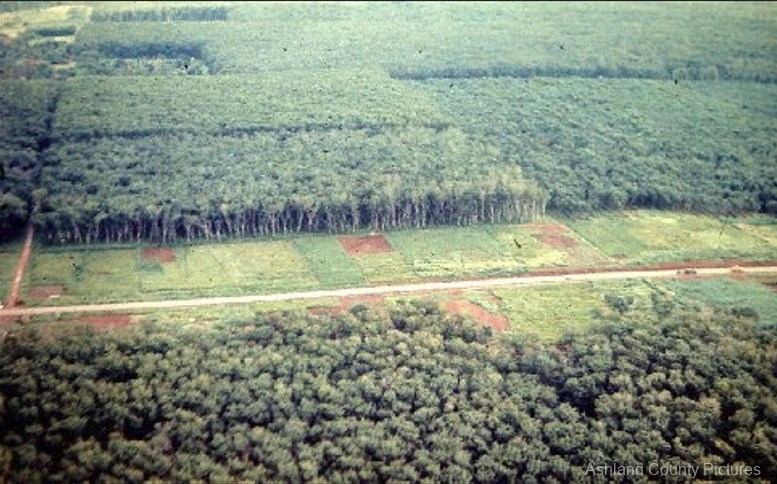
The Michelin Rubber Plantation itself played a significant role in the conflict. Miller explained that the NVA/VC frequently used the dense plantation to conceal base camps and weapons caches. U.S. forces conducted numerous operations in the area, often involving mechanized armor, artillery, and tactical air strikes.
“If reparations were true,” Miller reflected, “the government paid for quite a few rubber trees.”
Miller continues to share his memories as part of an ongoing effort to preserve the lived experiences of Vietnam veterans—stories that capture not only combat, but the complicated human, cultural, and environmental challenges faced during the war.