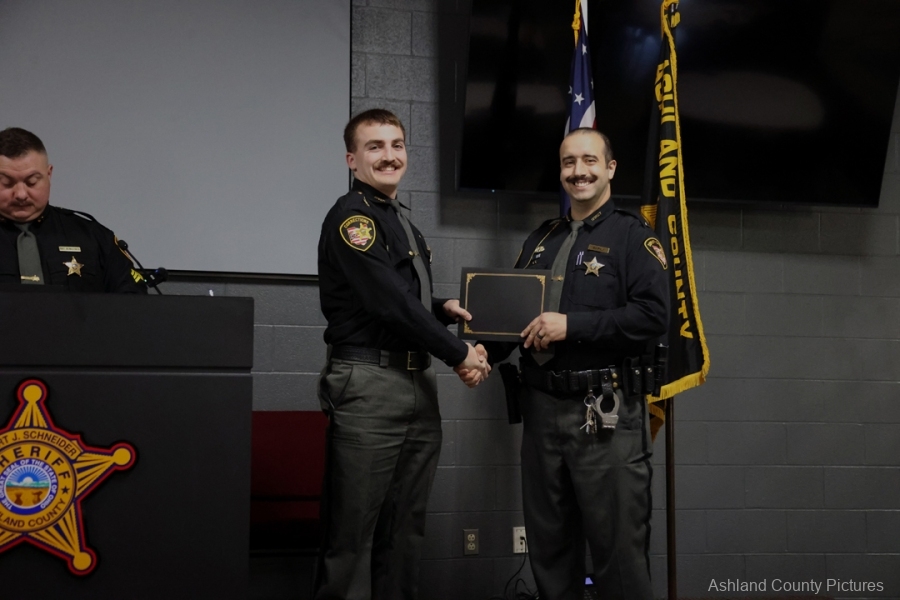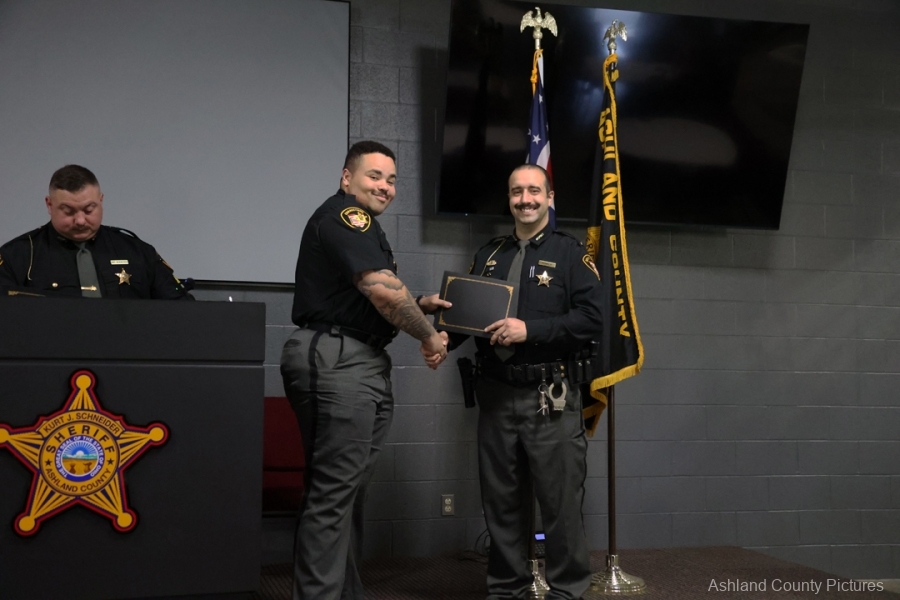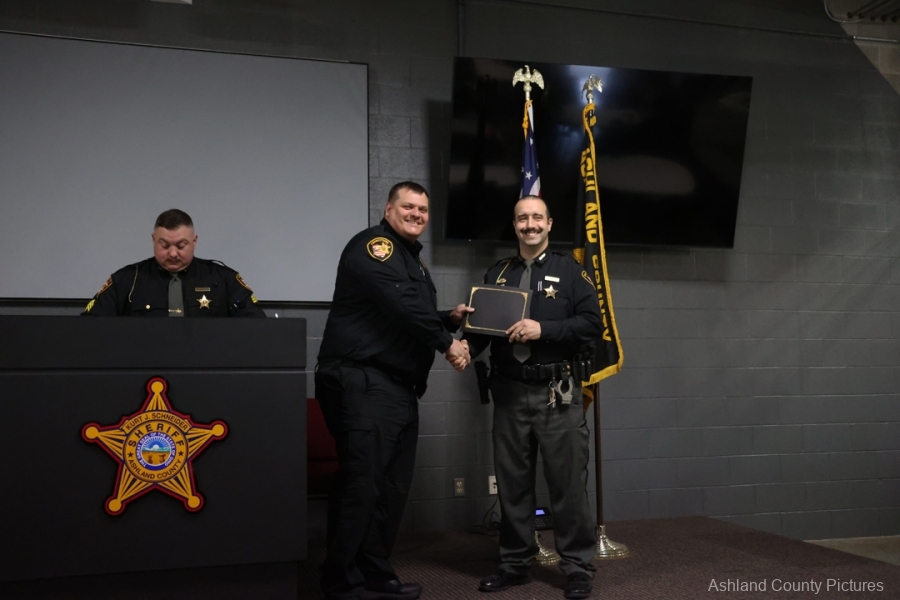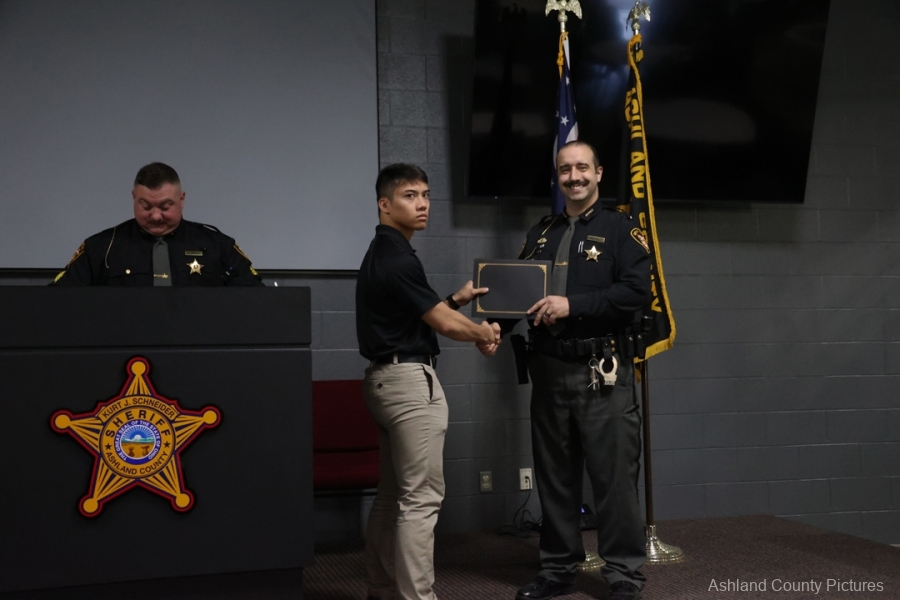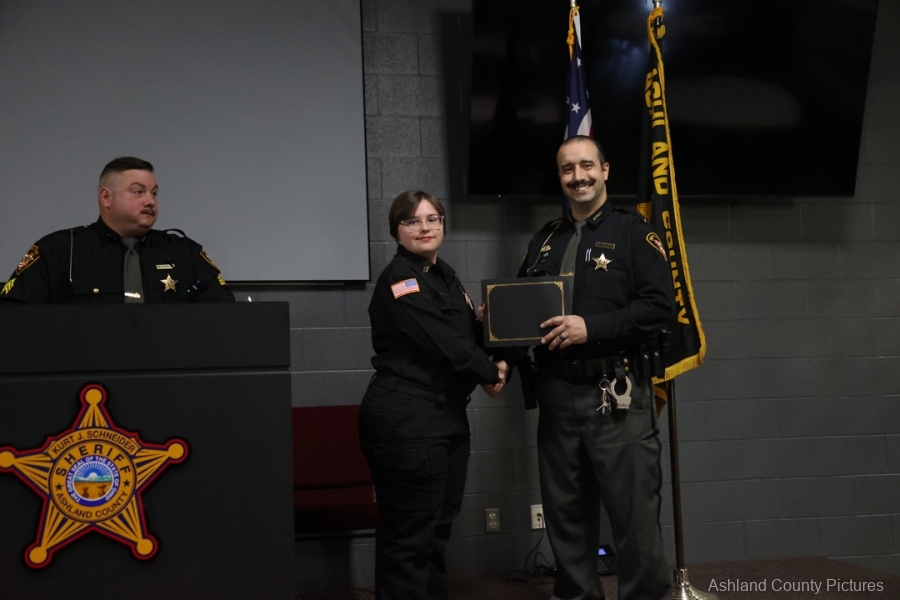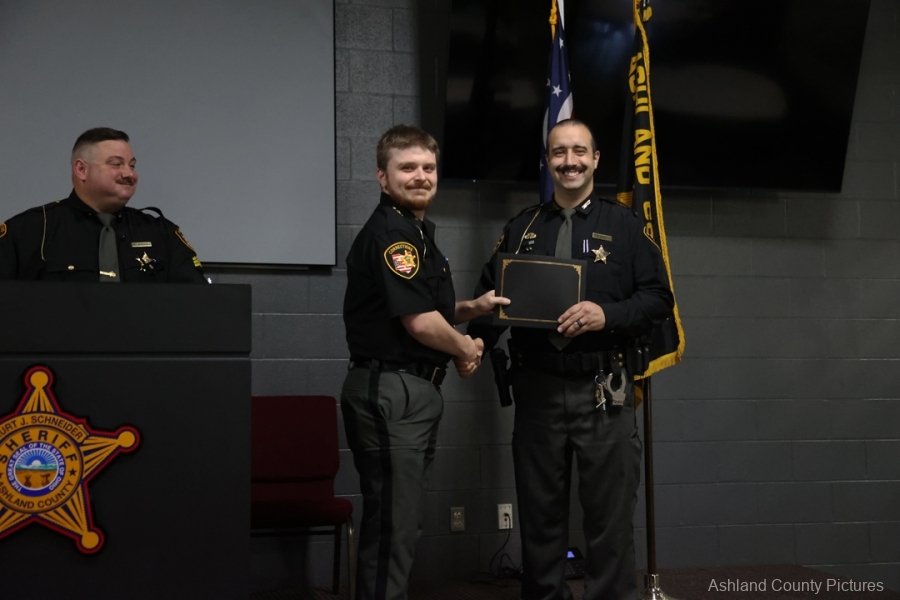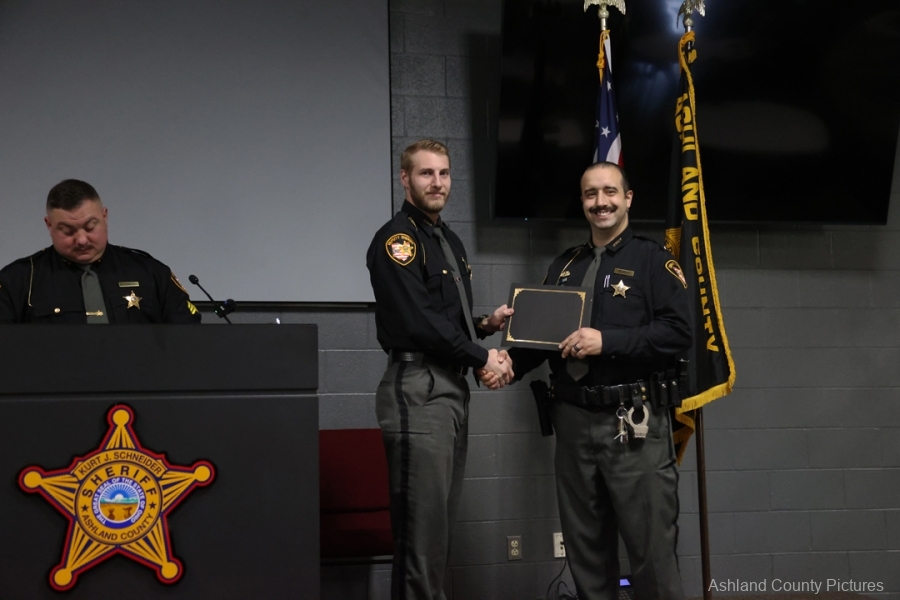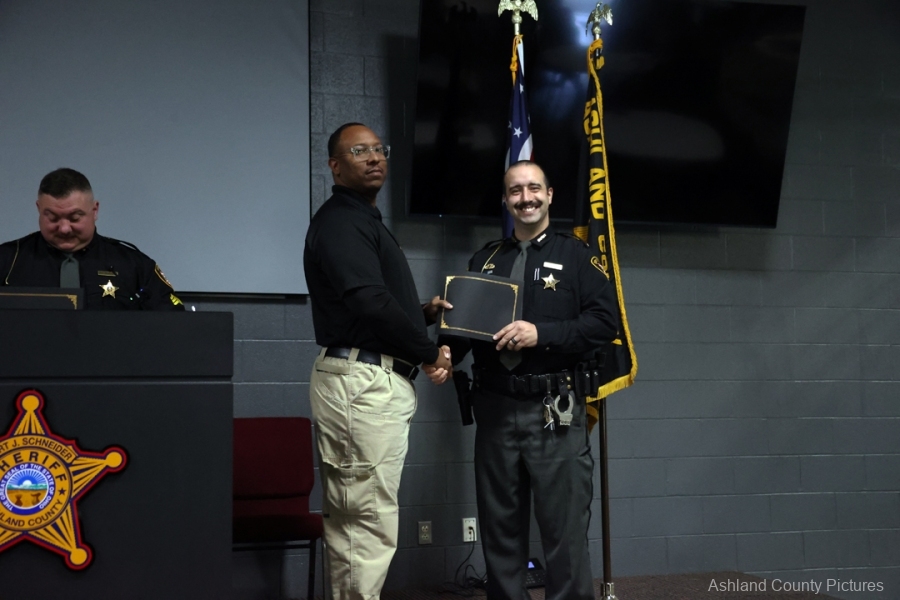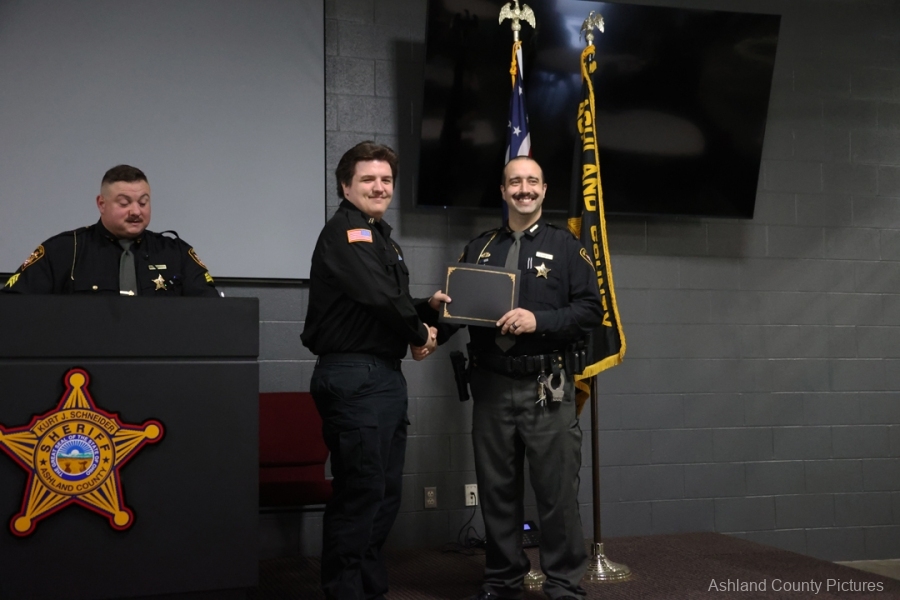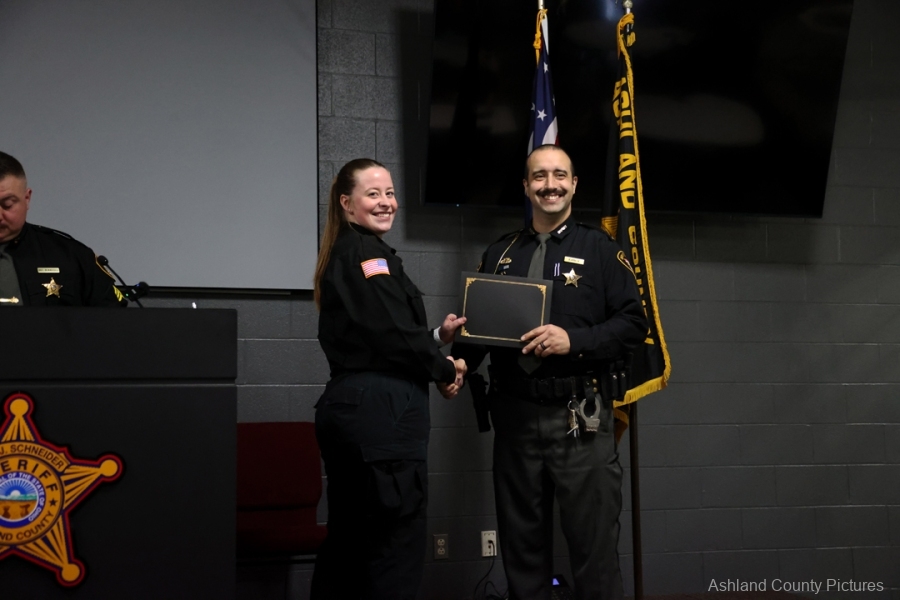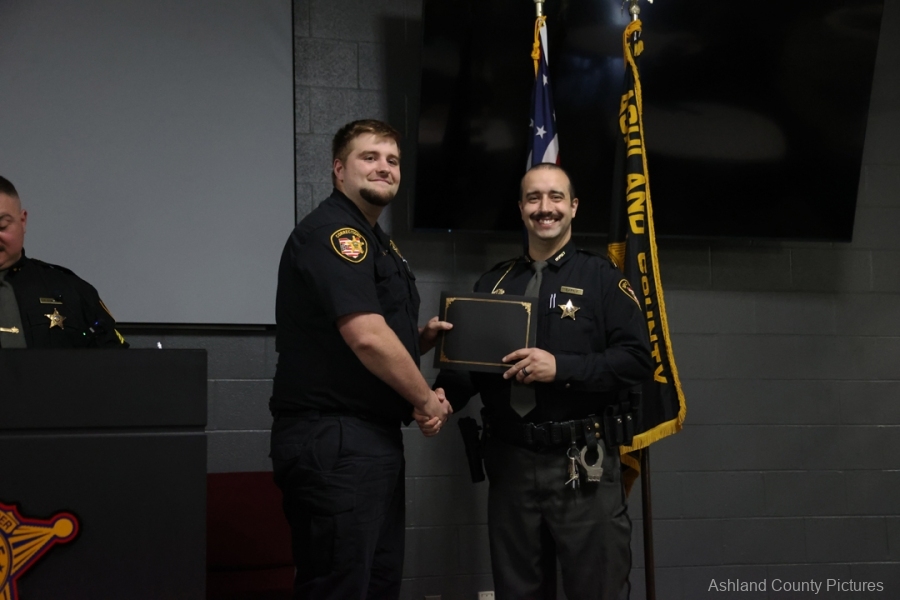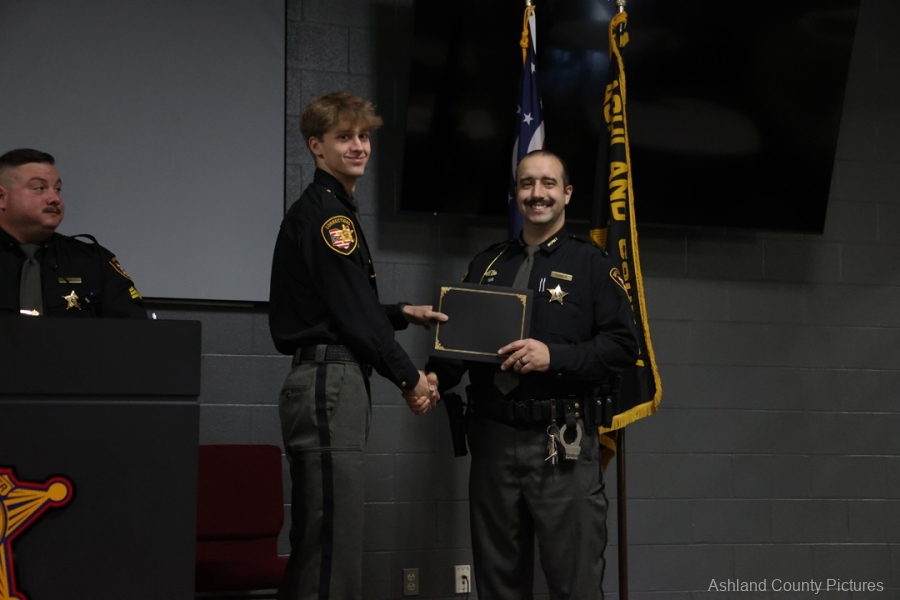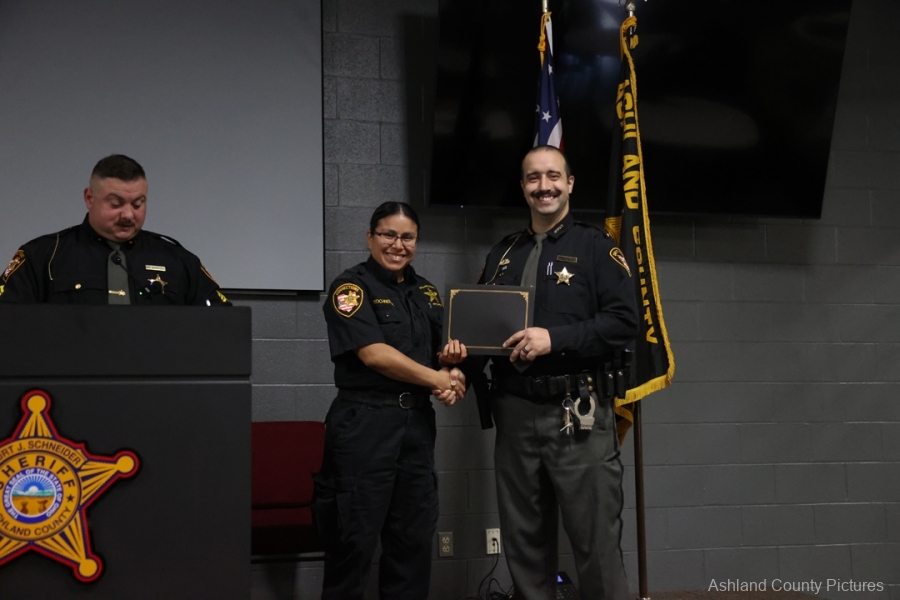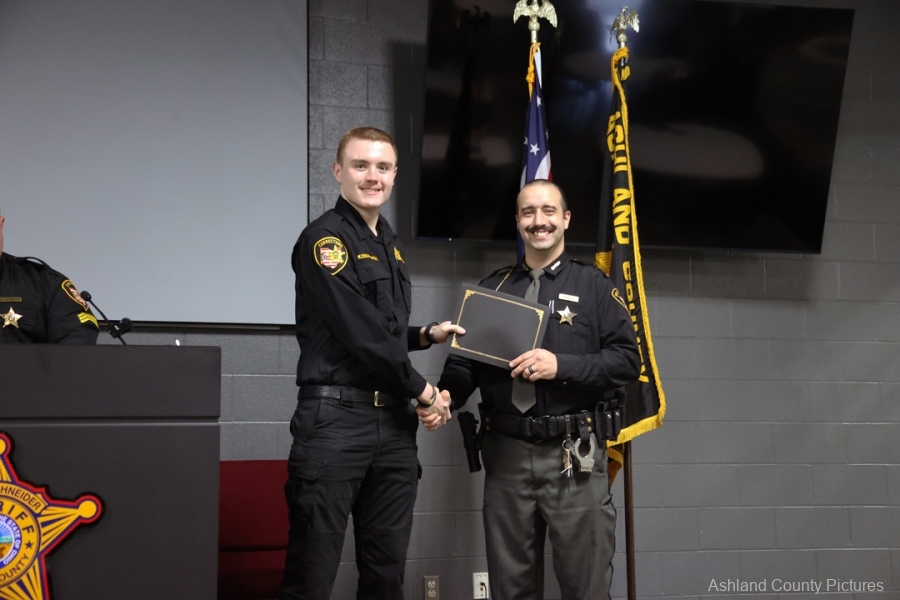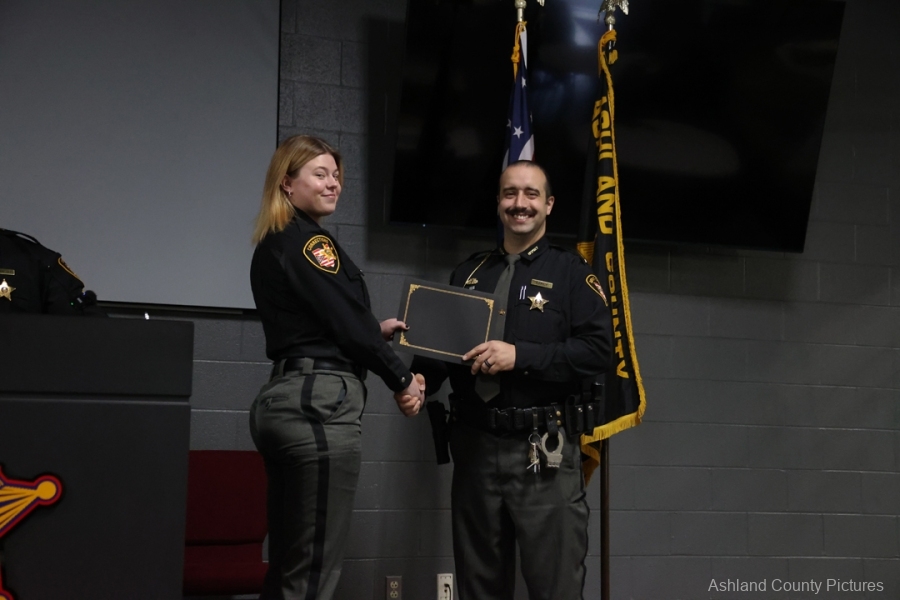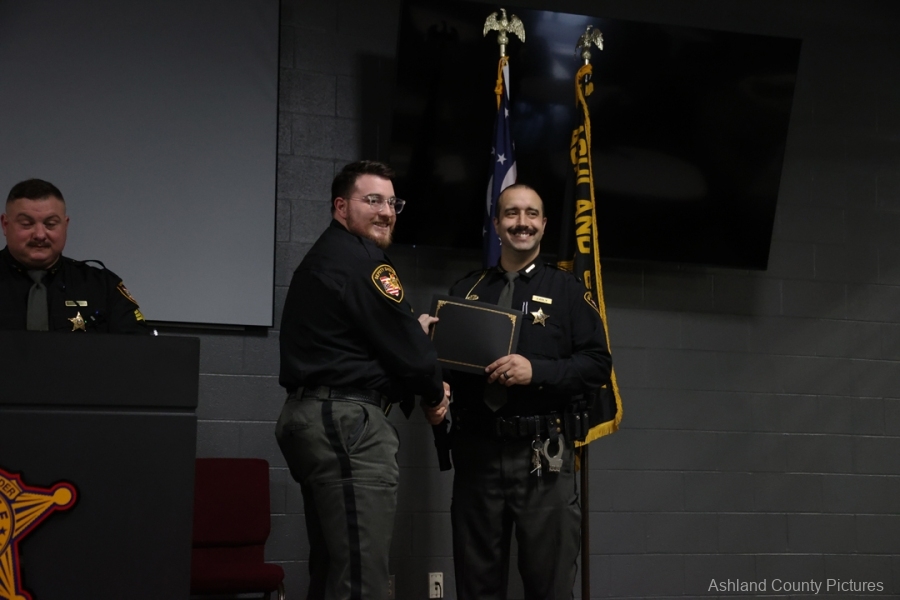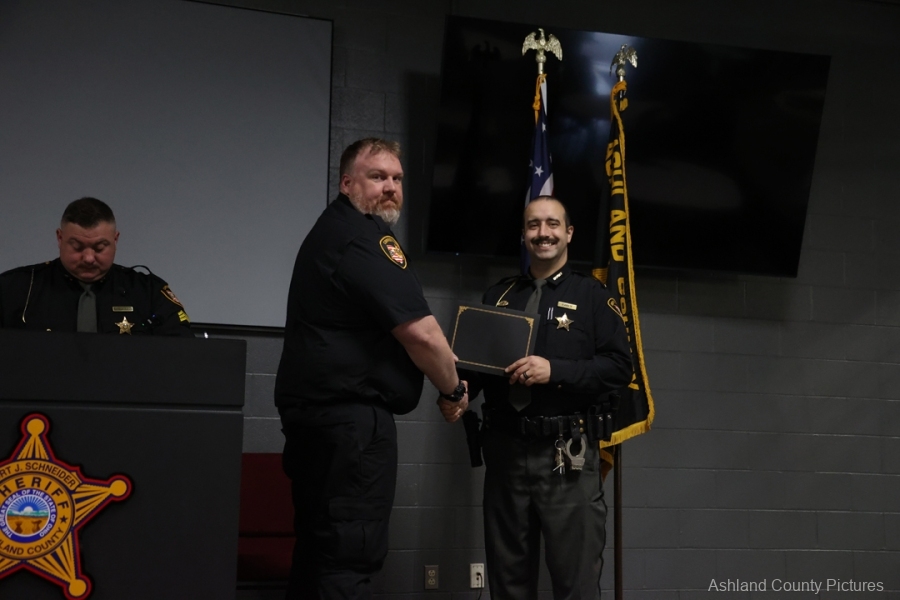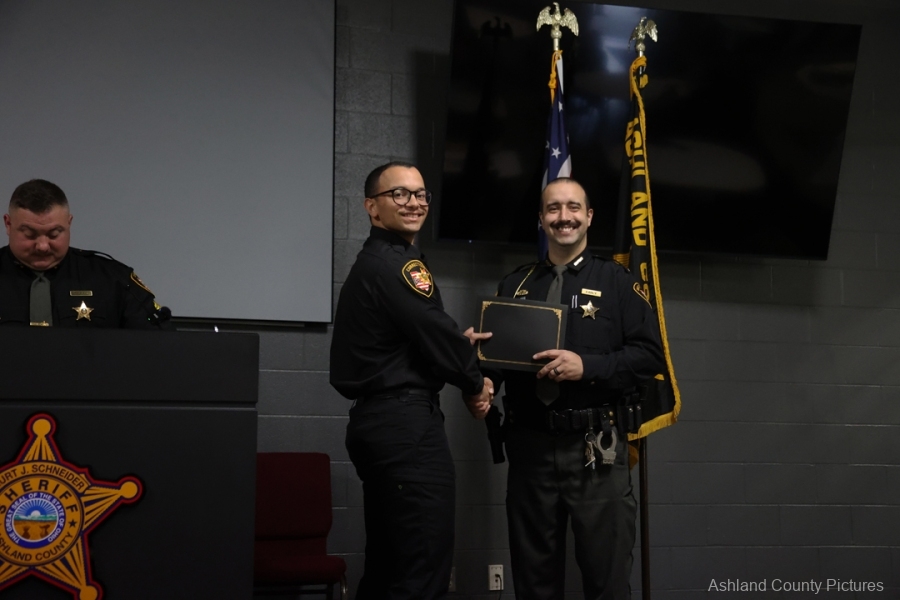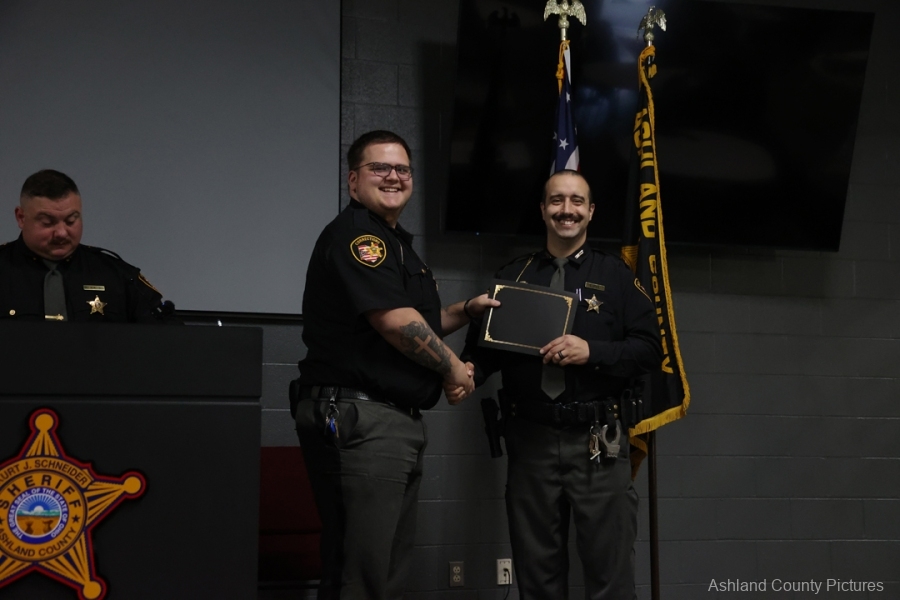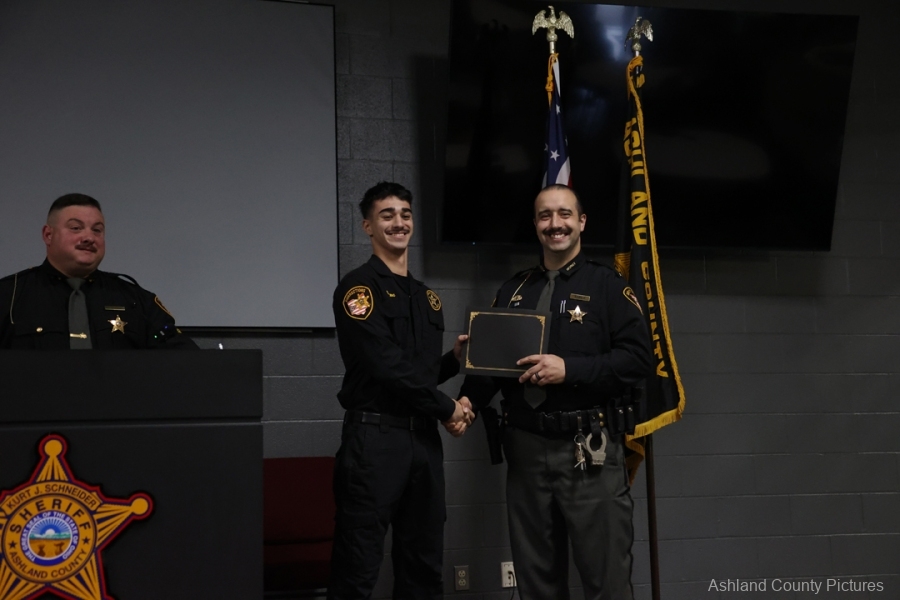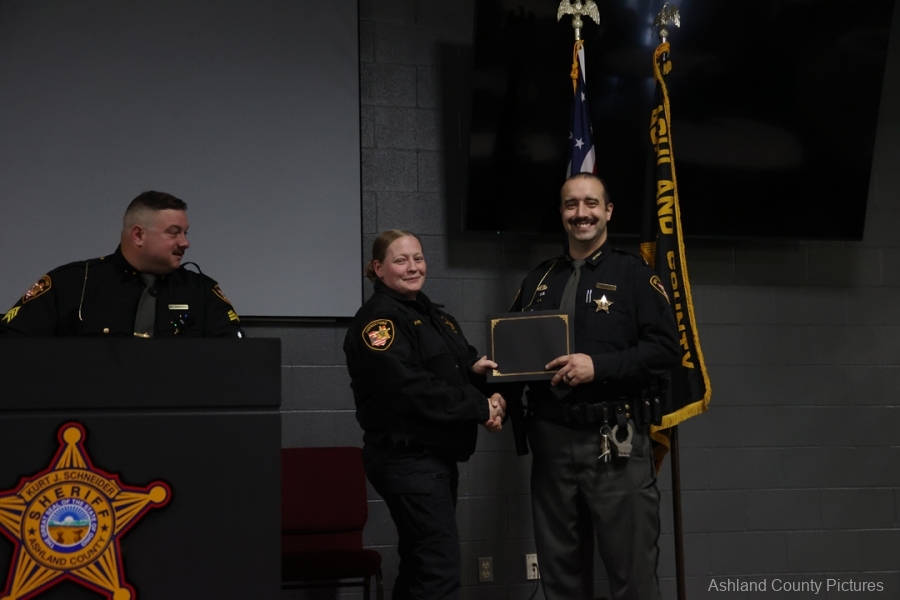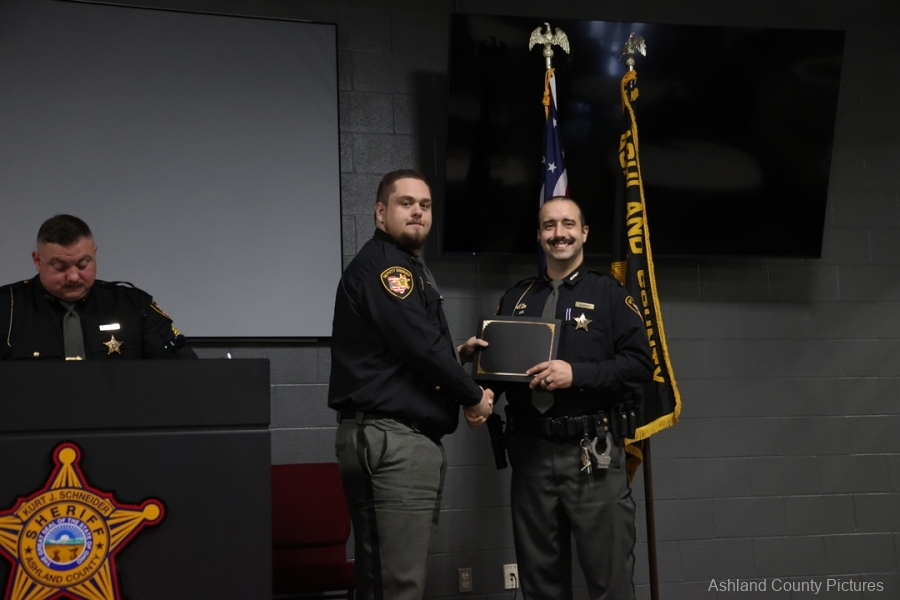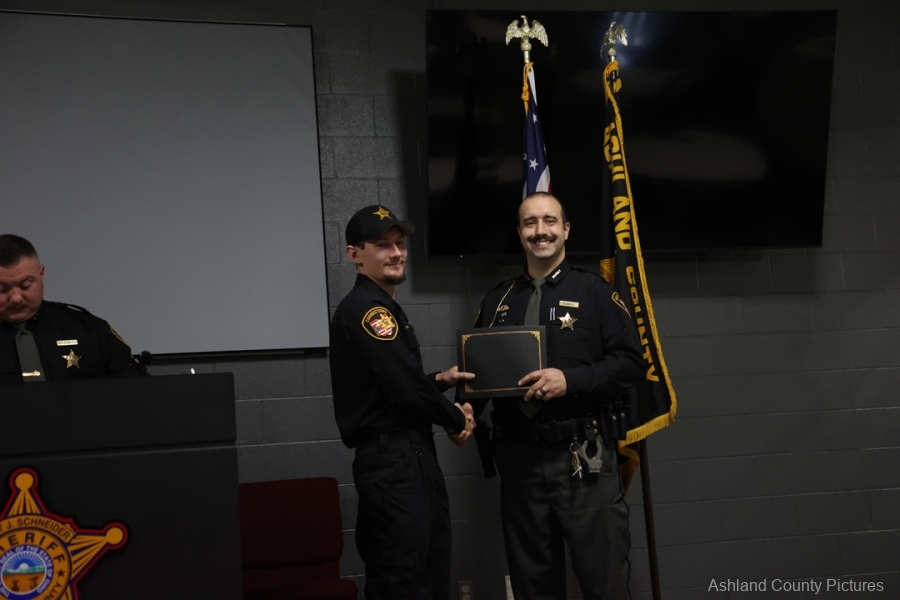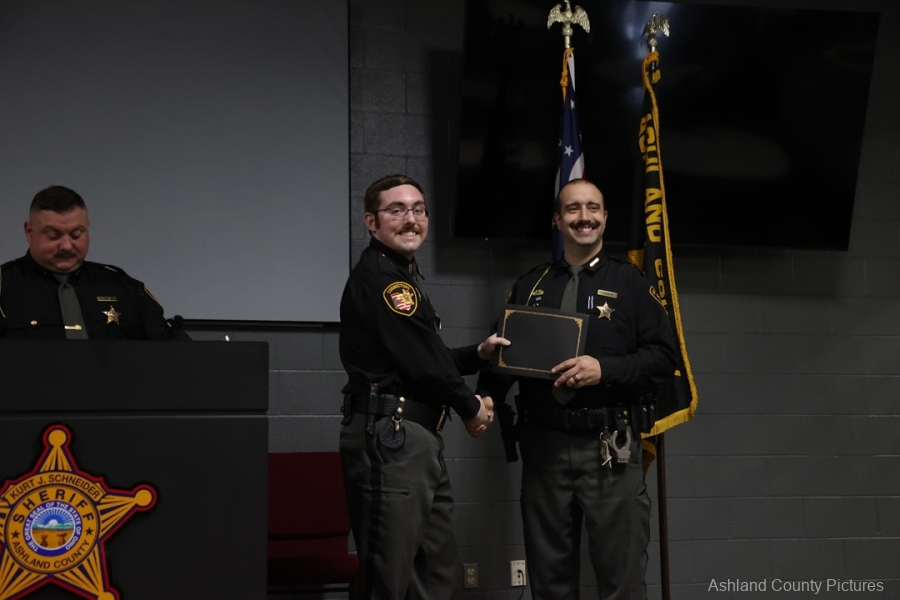

Law Heroes United Corrections Academy Marks 20 Years With 28-Student Class
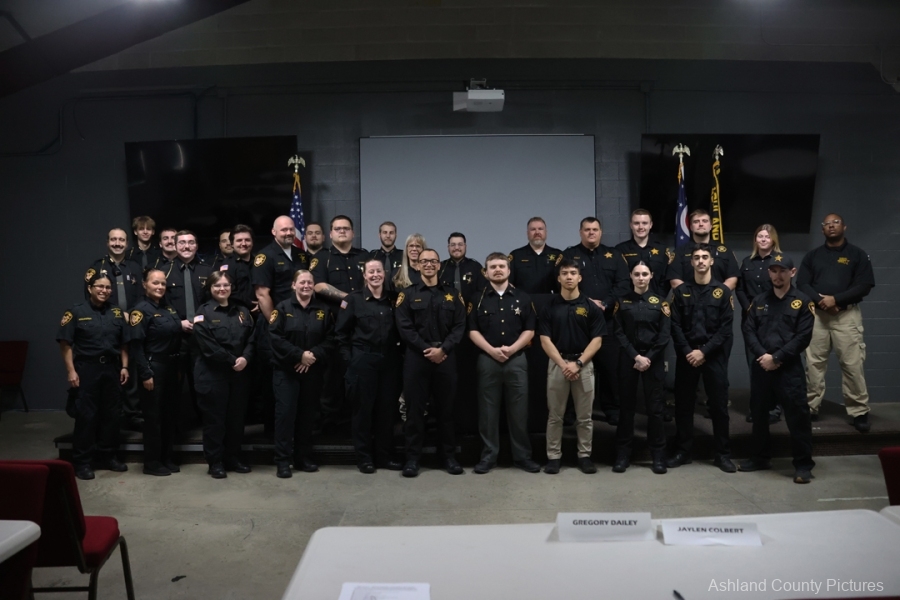
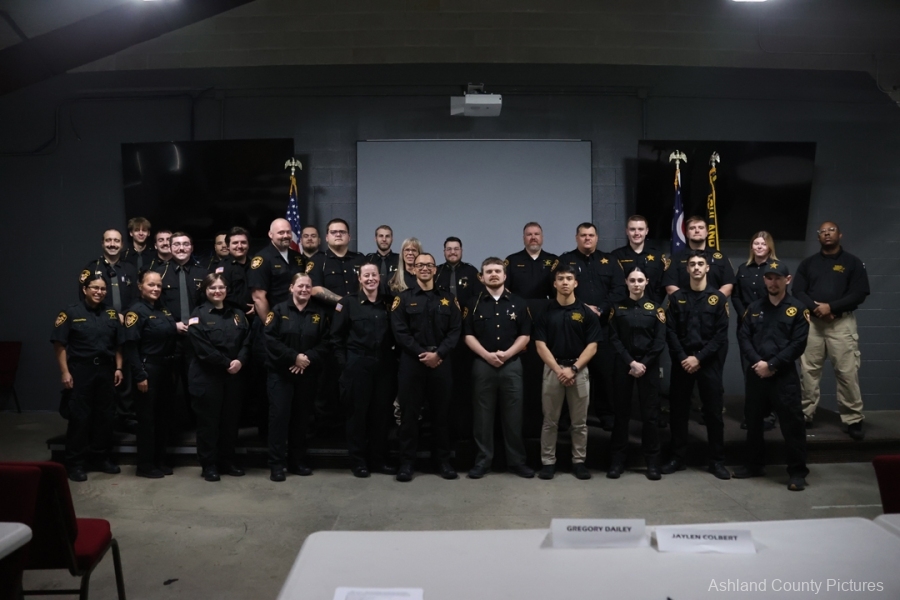
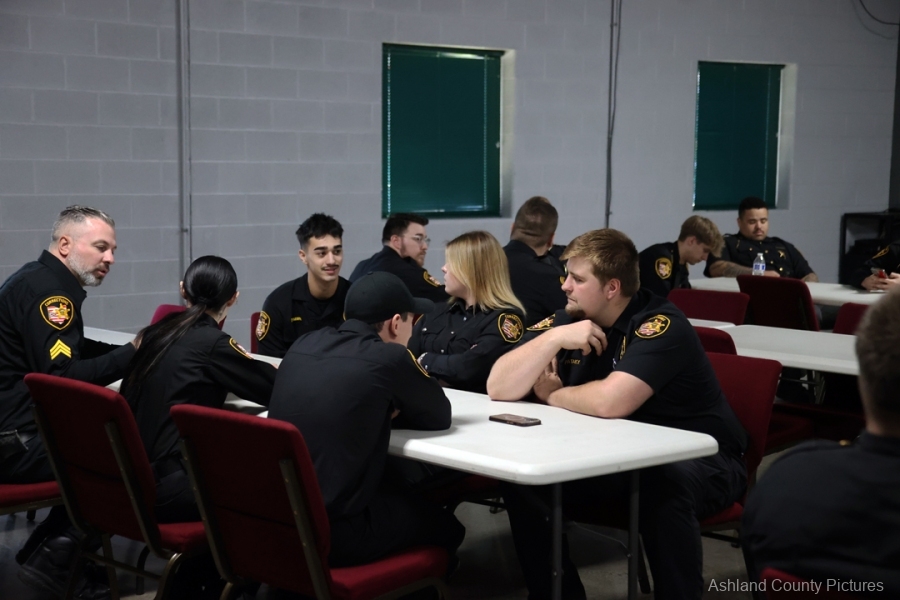
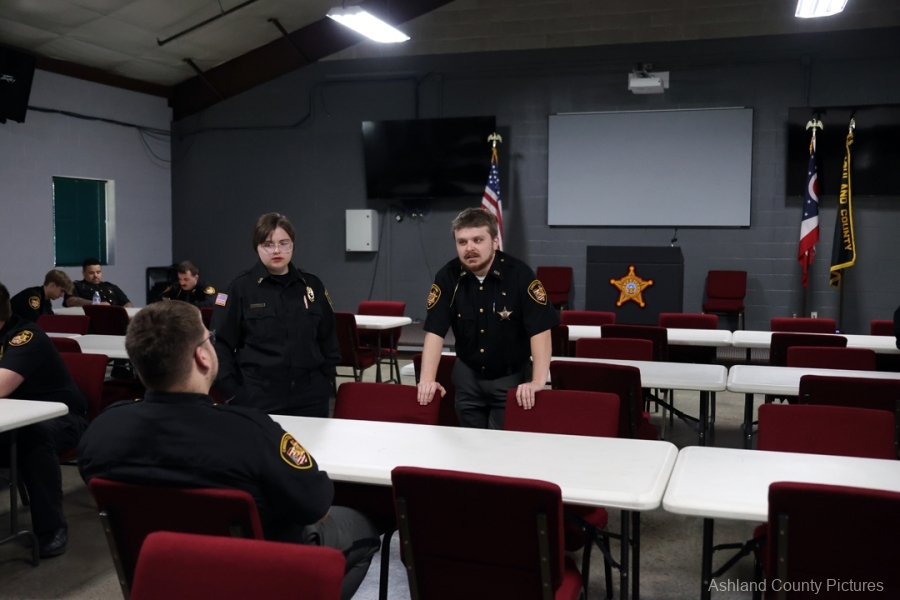
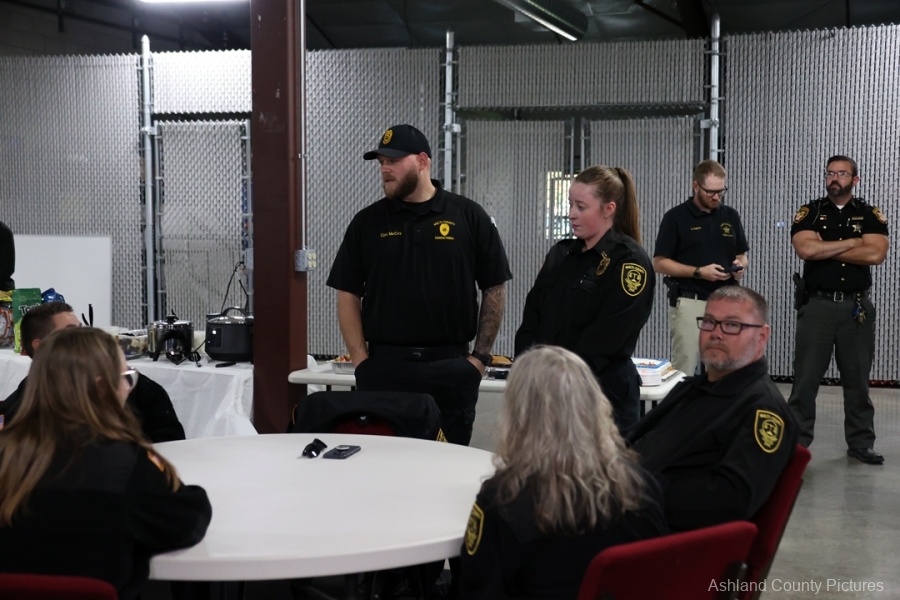
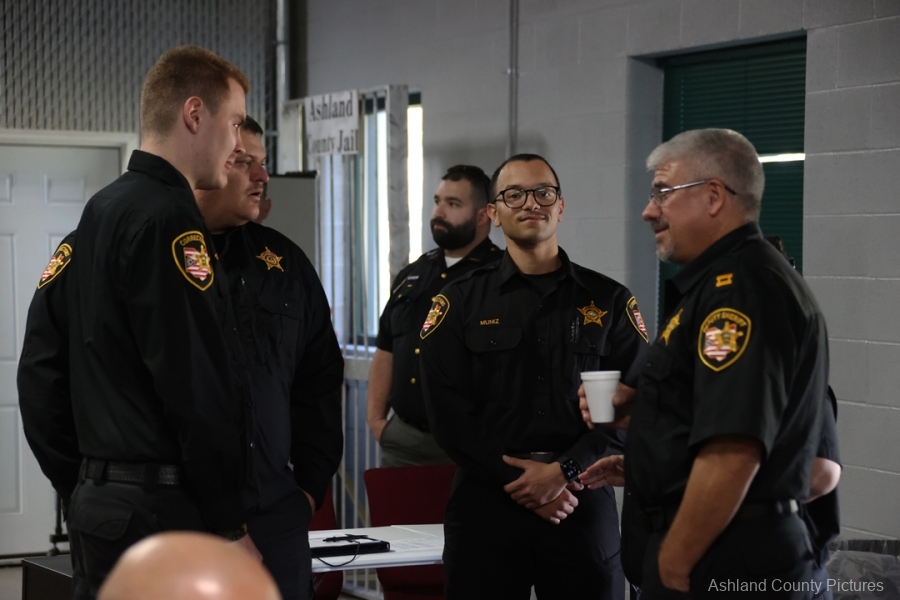
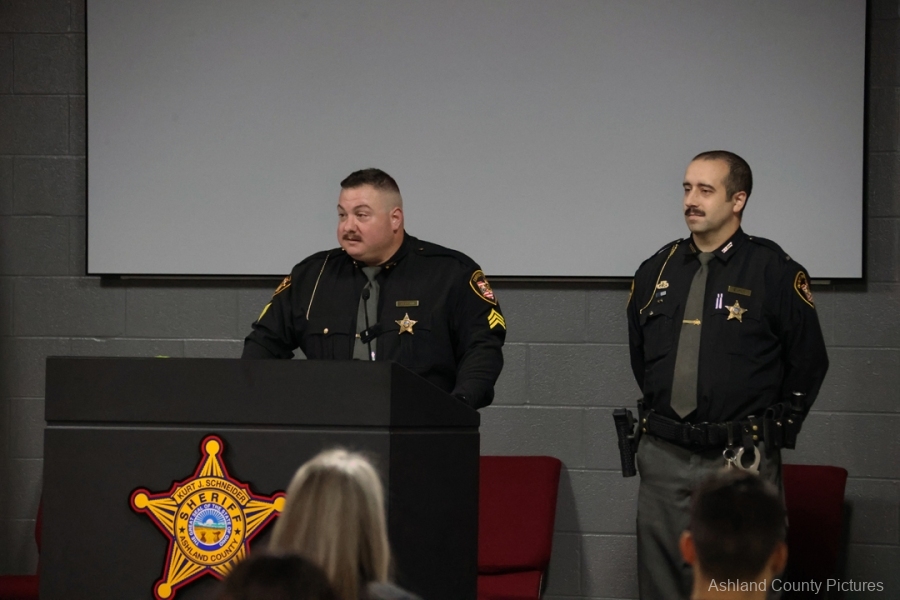
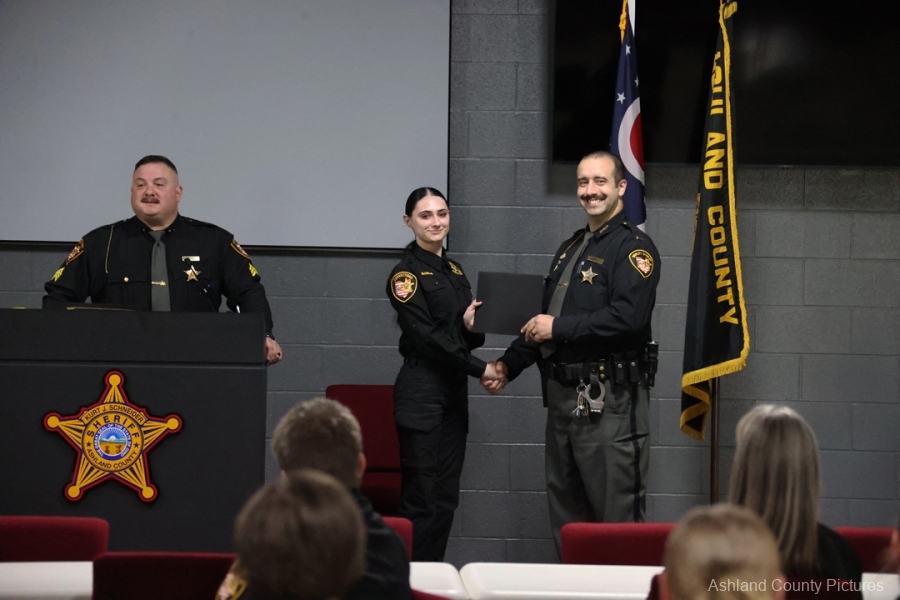
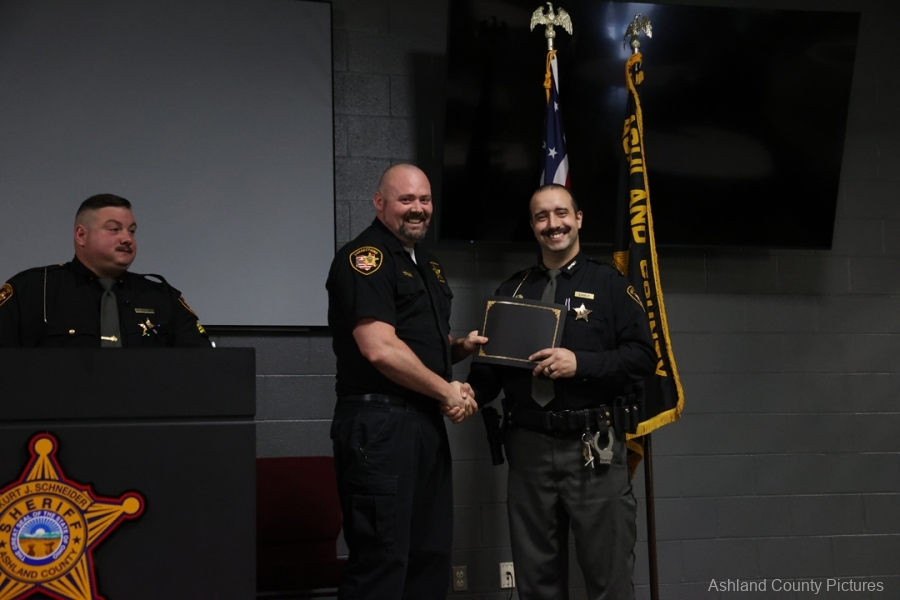
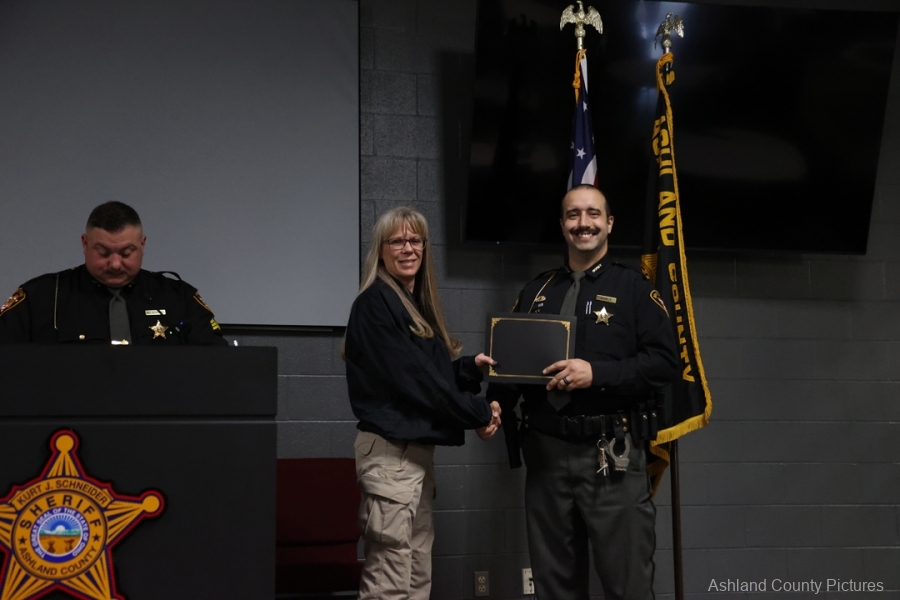
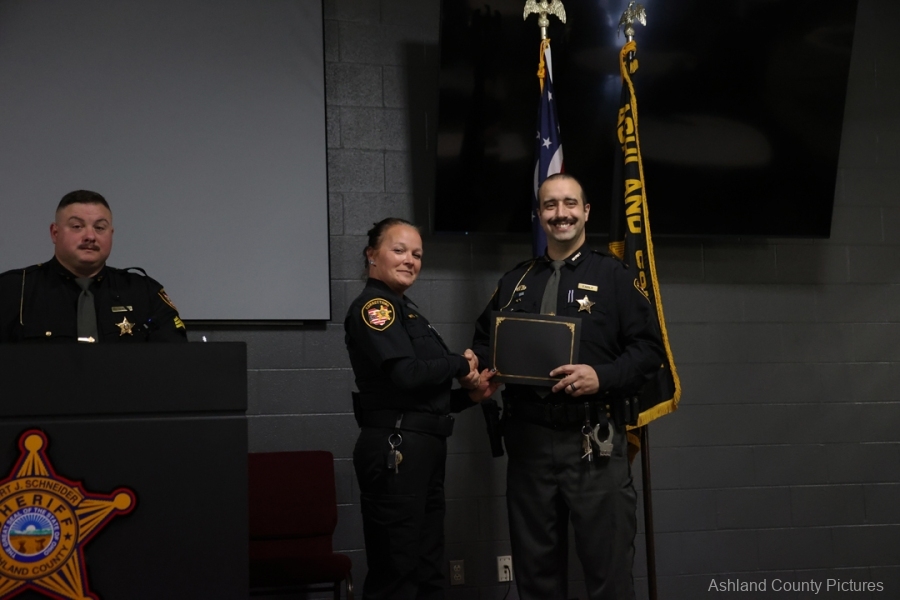
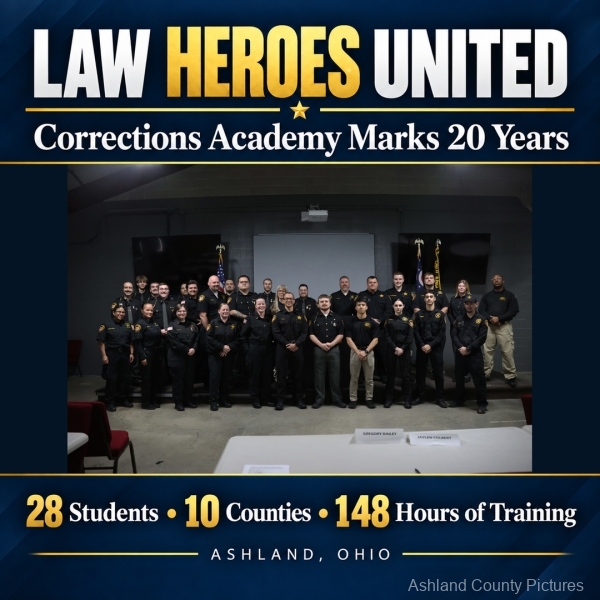
ASHLAND, Ohio — Twenty-eight students from ten Ohio counties participated in this year’s Law Heroes United corrections academy, marking 20 years of a regional training partnership that prepares officers for work inside county jails.
The four-week program combines 148 hours of instruction in jail security, communication, physical control techniques, report writing, emergency response and mental health care.
Ashland and Richland counties share responsibility for offering the academy, with Richland County hosting a spring session and Ashland County hosting a fall session.
This year’s participating agencies sent officers from Ashland, Holmes, Huron, Knox, Lorain, Medina, Morrow, Richland and Wayne counties and Multi-County Correctional Center.
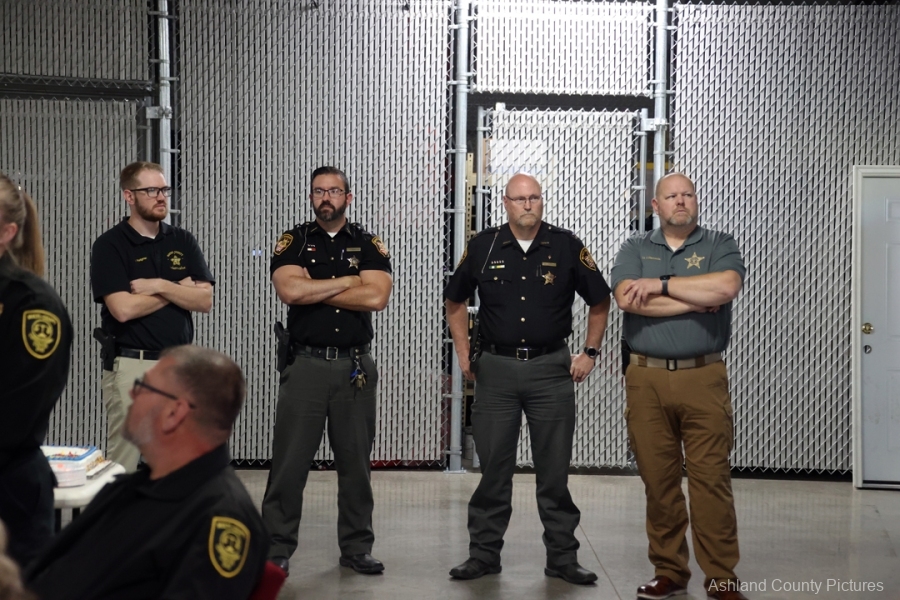
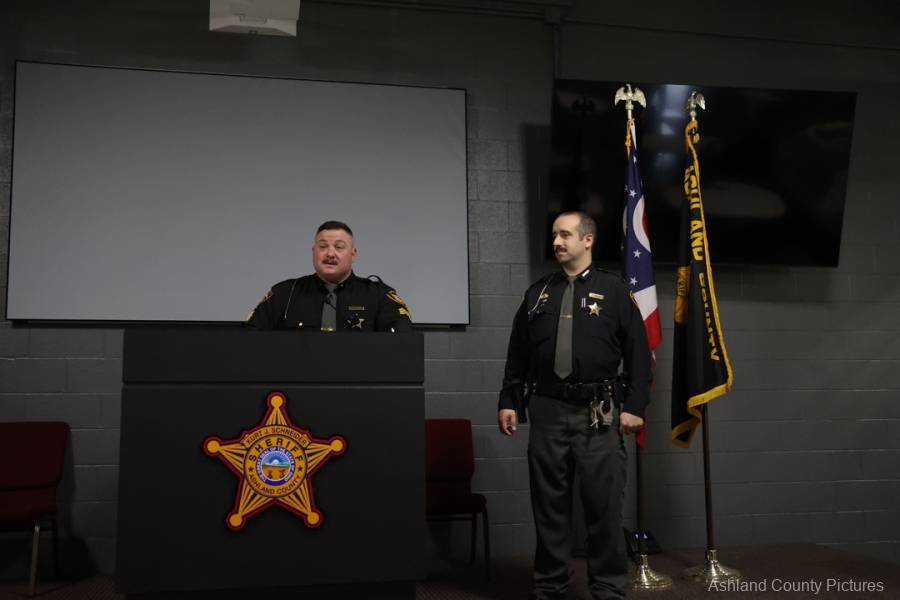
Capt. Backensto said the 28-student class was a large group for the fall academy, which has seen growing enrollment. Students attend Monday through Friday, with classes scheduled from 8 a.m. to 5 p.m.
The coursework includes 40 hours of subject control training, along with instruction in fire safety, jail security duties, first aid and CPR, Backensto said.
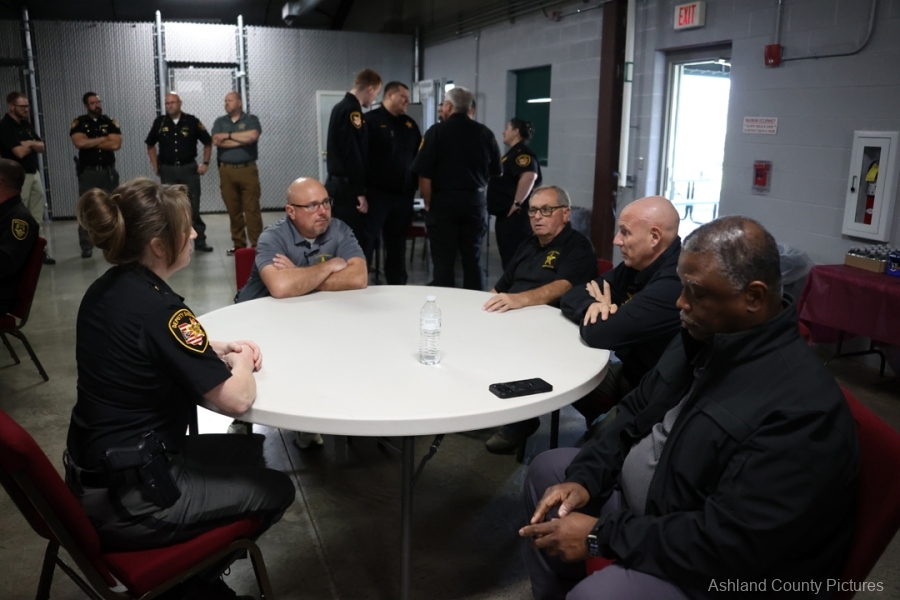
Richland County Jail Administrator Capt. Jim Myers said the larger class may reflect an improvement in hiring after several difficult years for corrections staffing.
“Everybody was hurting for staffing,” Myers said. “So I think that’s kind of on an uptick now.”
Myers, who said he has run academies in Richland County for about 10 years, said classes there typically draw about 20 to 25 students.
Much of the academy focuses on the knowledge and skills officers need to meet Ohio’s minimum jail standards, Myers said. After completing the required instruction, students must pass a state-sanctioned examination to earn their corrections certification.
Communication is a major part of that preparation.
Myers said new officers need to learn how to speak with people face to face, give clear directions and gain cooperation in difficult situations. The academy devotes two full days to communication skills.
“Once they kind of get a good feel for that, then their jobs are a lot easier,” he said.
Mental health training also accounts for a significant share of the program. According to Myers, students receive 20 hours of instruction covering crisis intervention and suicide prevention, including working with people on suicide watch.
Myers said a shortage of available psychiatric hospital beds can leave jails responsible for managing people with serious mental health needs while staff work to arrange appropriate treatment.
“We deal with an extreme amount of mental health in our facilities,” he said.
That responsibility requires officers to recognize problems, respond to immediate needs and help maintain safety while treatment options are pursued, he said.
Backensto added that many sheriff’s offices and other agencies provide additional mental health instruction through annual in-service training.
For Myers, the academy provides a starting point for a career that requires continued learning and experience.
“It gives them the basics to start their career, the basic concepts of corrections,” he said.
As officers gain experience, Myers said, they continue building on those lessons, using the academy’s foundation to help them perform their duties safely and properly.