
Ashland County Parks Survey Fish Populations to Improve Fishing and Pond Health
ASHLAND COUNTY, Ohio — A scientific look beneath the surface of Ashland County Park District ponds could help improve aquatic habitats and give families a better chance of reeling in a fish.
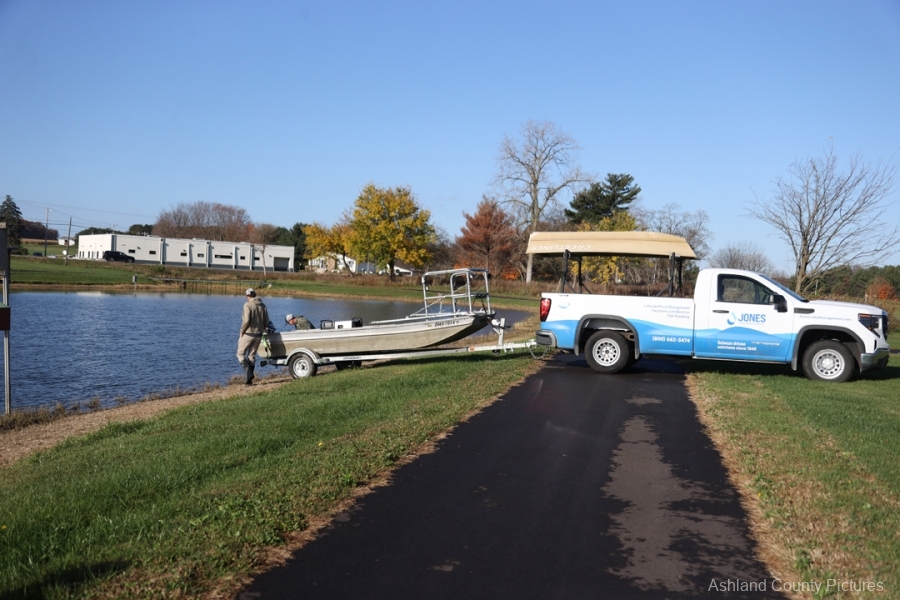
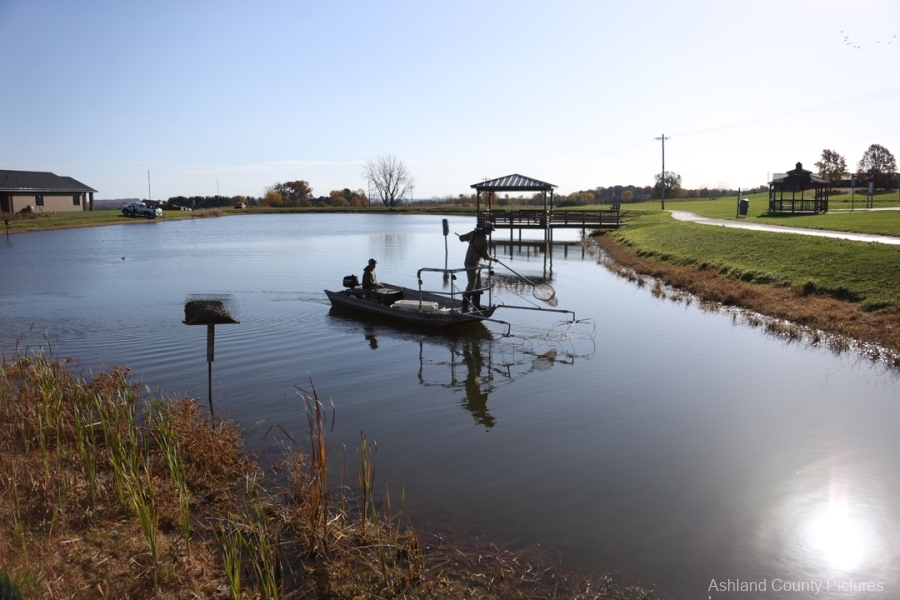
Jones Lake Management crews surveyed seven ponds within the park system, examining fish populations, their health and the balance between larger predators and the smaller fish they depend on for food.
Medina Operations Manager Nate Chronister said the work is part of a broader effort to strengthen the ponds’ ecosystems.
“Our goal at Jones Lake Management is to improve biodiversity and ecological health,” Chronister said.
He emphasized that crews conducted population surveys on six other ponds in the Ashland park system in addition to the pond featured during the interview, making this a districtwide effort rather than a project focused on one location.
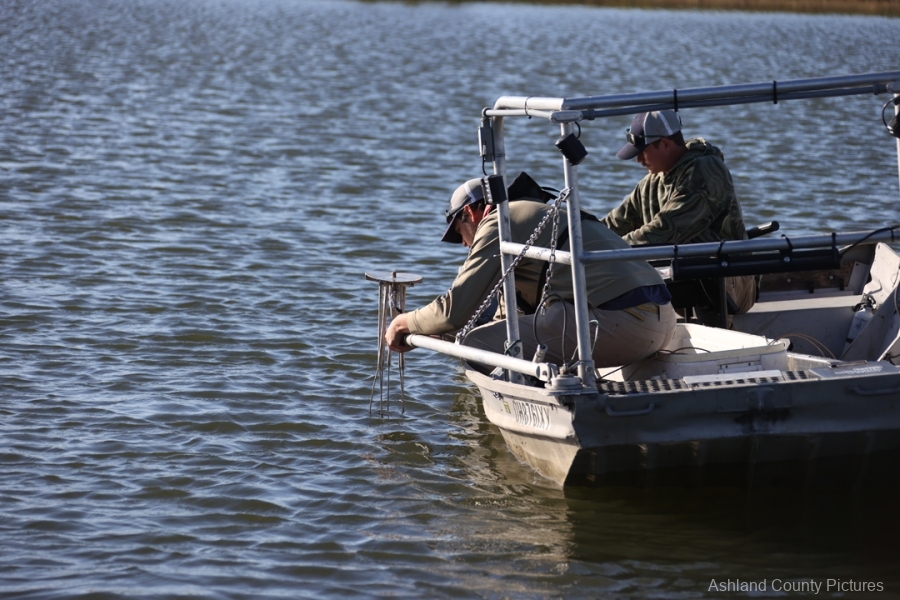
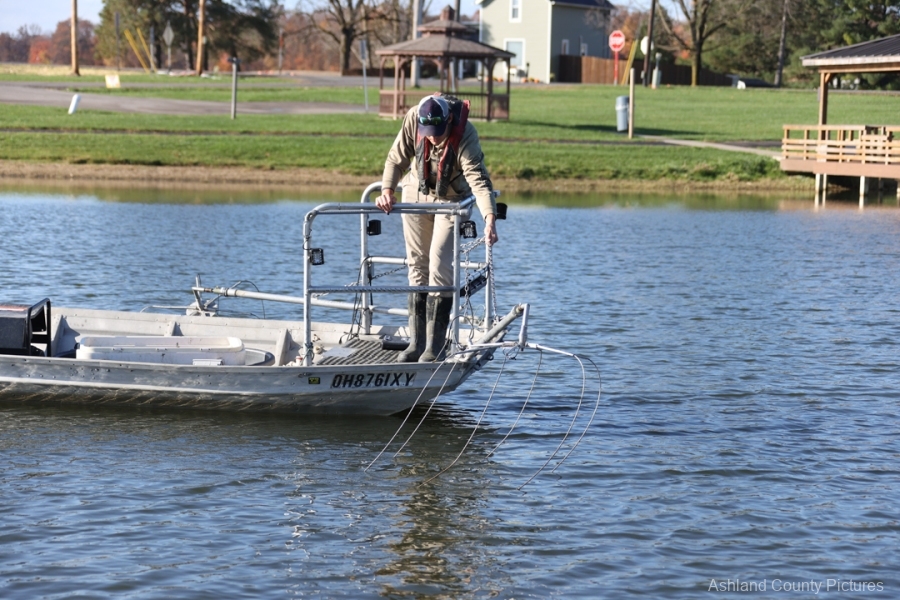
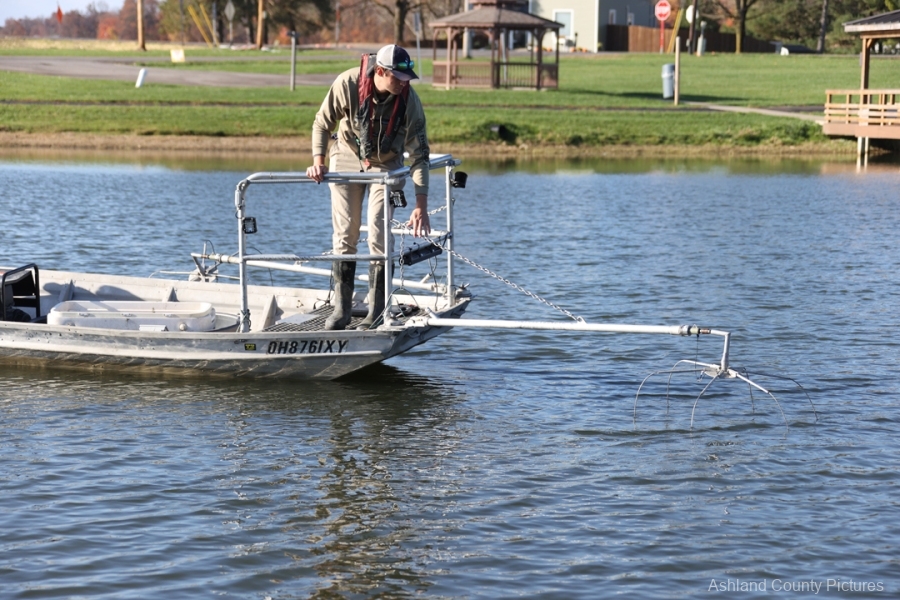
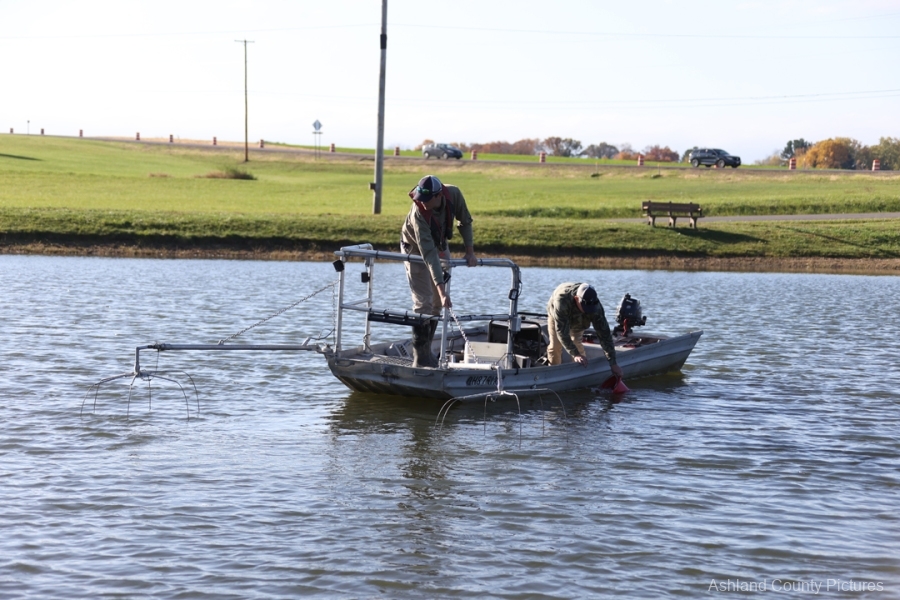
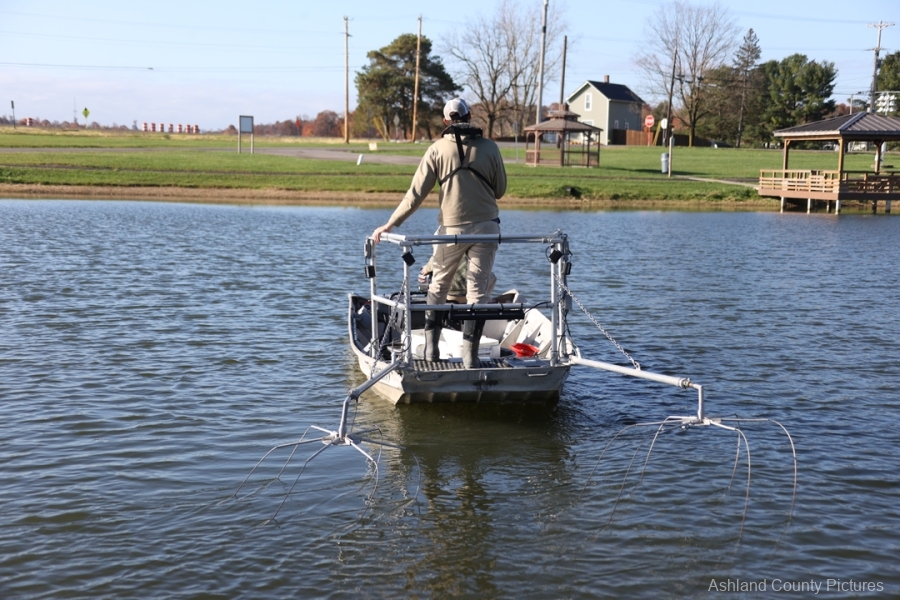
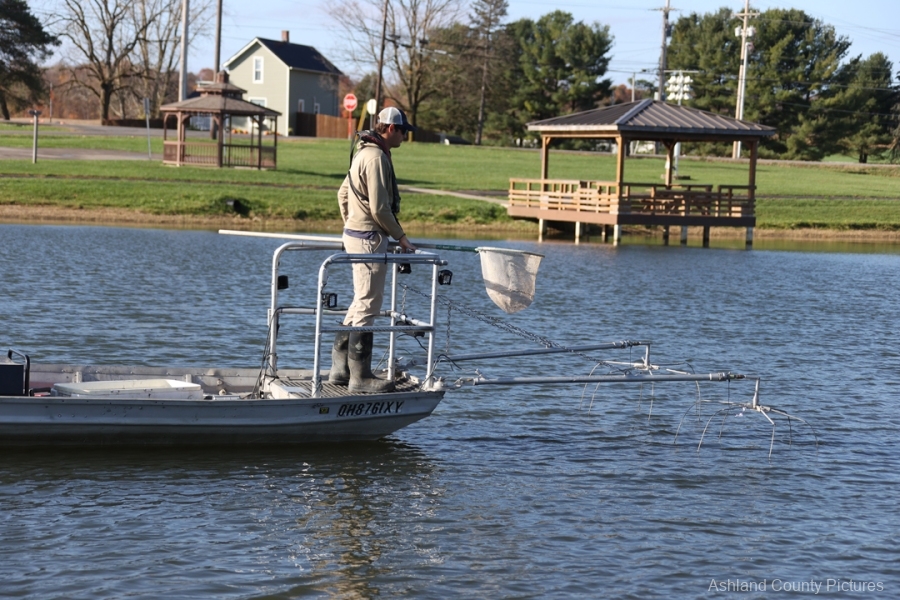
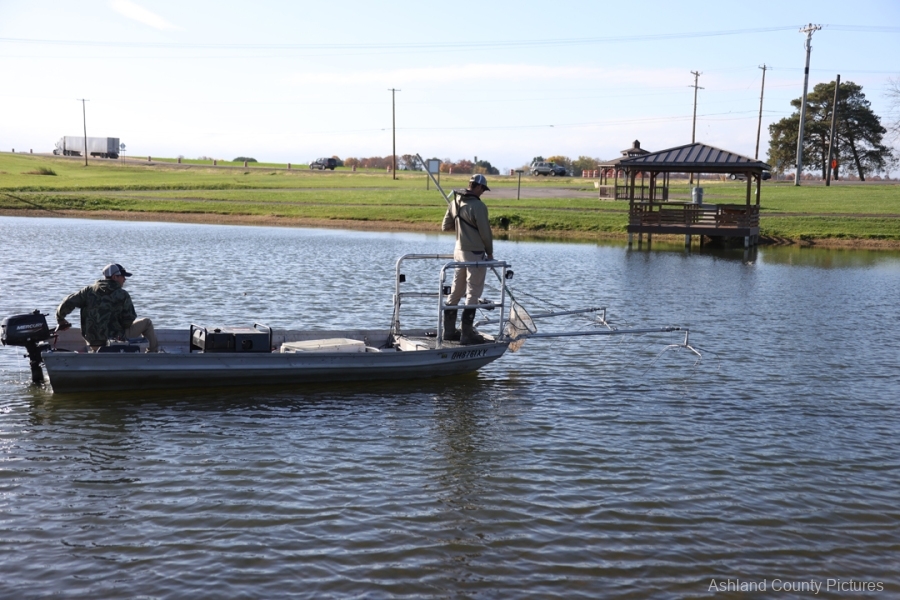
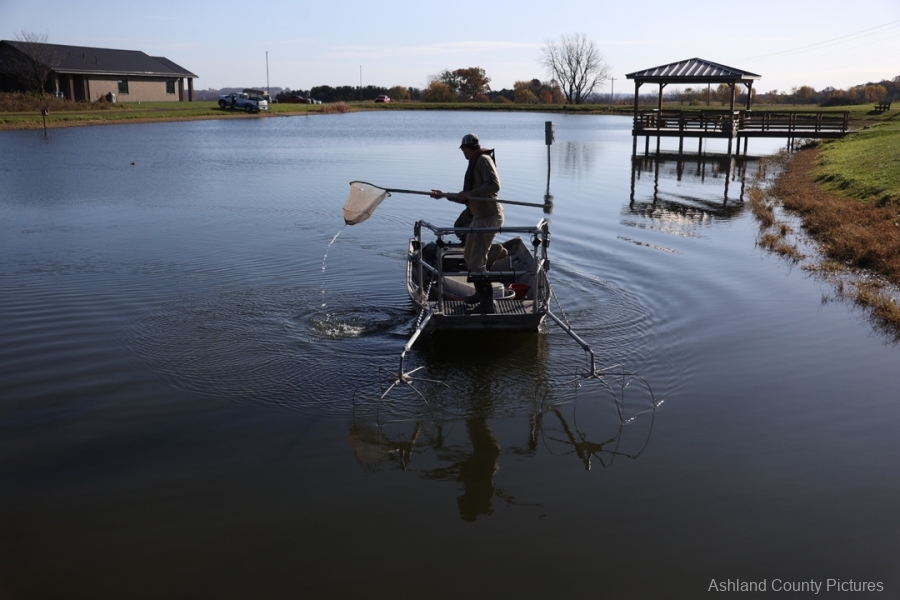
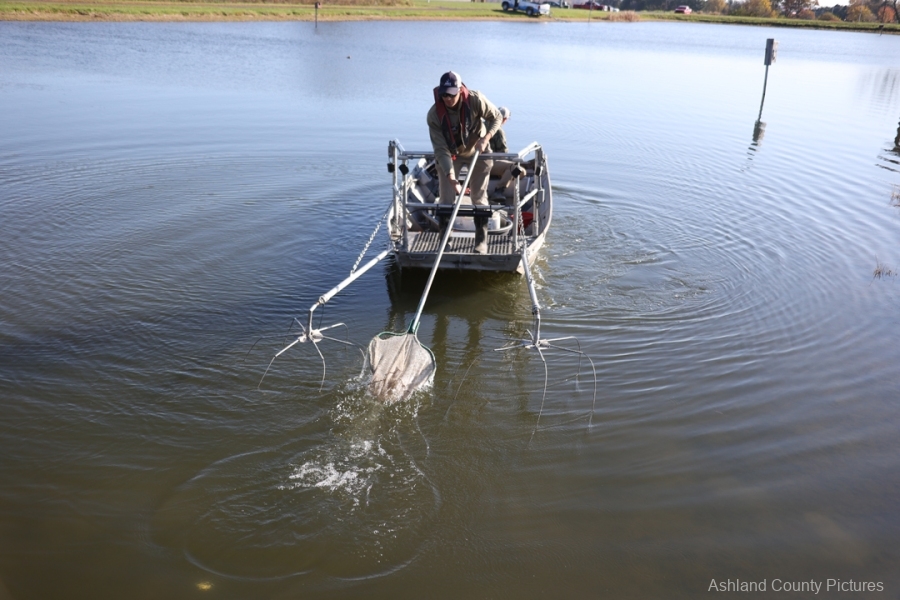
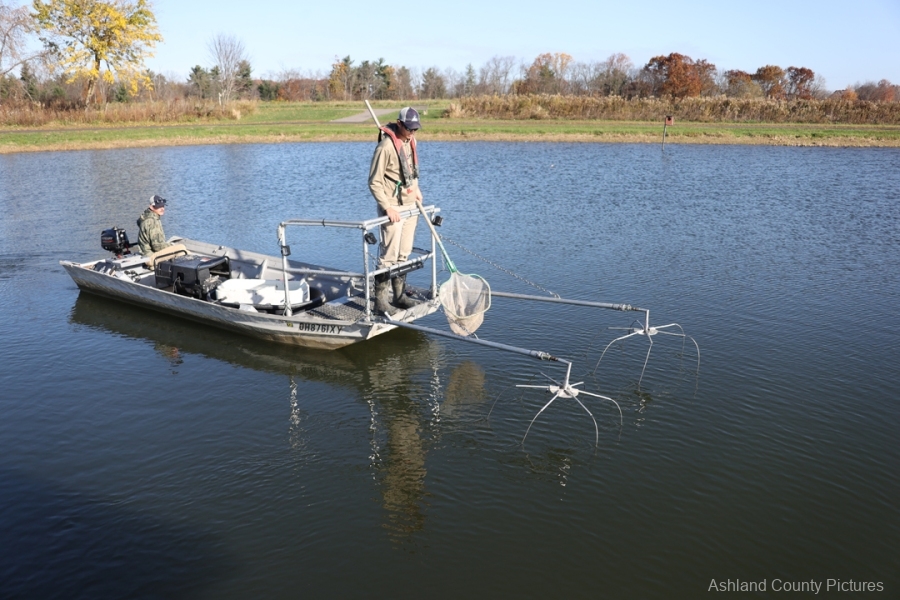
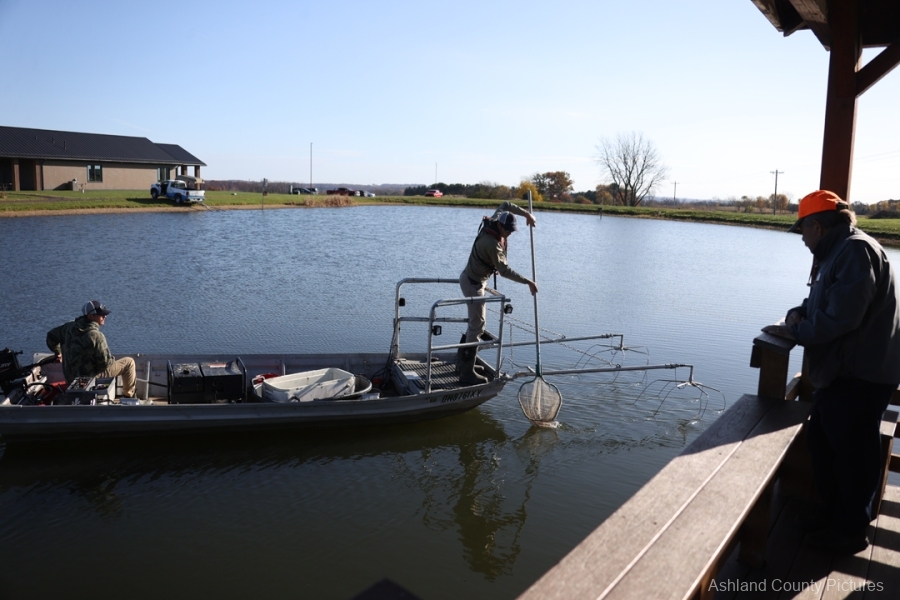
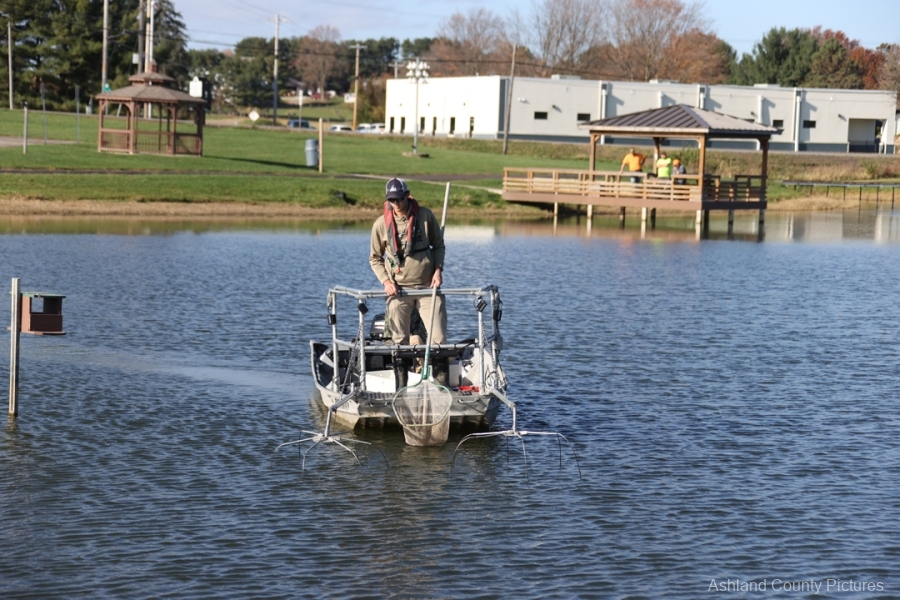
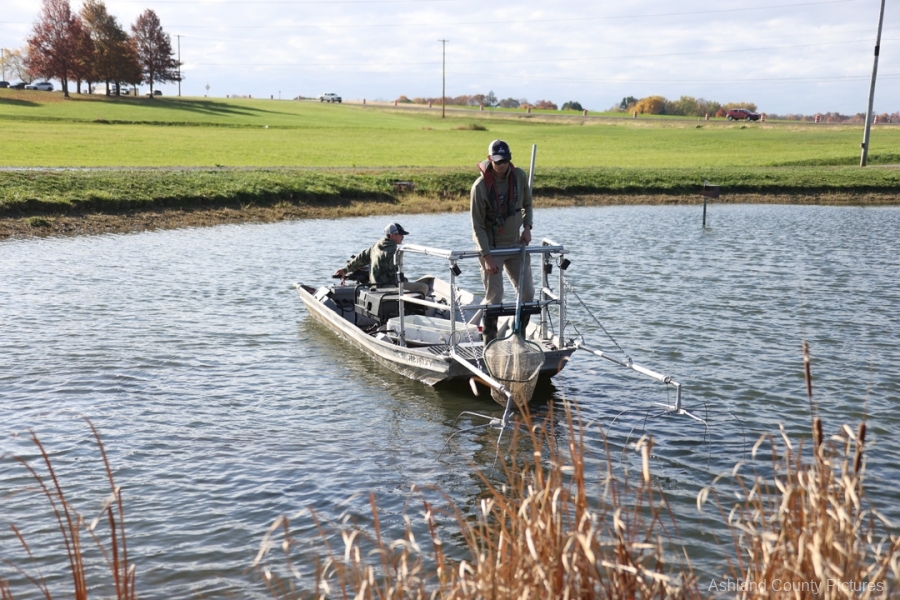
At the pond near the Davy McClure Outdoor Education Center at Tom Kruse Wildlife Conservation Park, workers used electrical equipment to temporarily stun fish so they could be netted, measured and examined before being returned to the water.
“We really want people to catch fish when they come out to our ponds,” said Bob DeSanto, a member of the district’s Board of Park Commissioners. “We want the kids to catch fish when they come.”
DeSanto said the surveys will help the district develop a management plan for its ponds based on the species present, their numbers and their general condition. The work included surveys at Byers Woods.
Jones Lake Management crew members Jason Spindel and Chronister explained that the surveys examine the balance between larger predator fish and smaller prey species, often called forage fish. Those species can include bluegill, fathead minnows and golden shiners.
The approximately 1½-acre pond surveyed during the interview showed encouraging signs. The crew reported finding several bass estimated at 3 to 4 pounds, along with fish from multiple age groups — evidence of successful reproduction.
Still, the pond has room for improvement.
The crew gave it an informal B-plus rating, explaining that relatively few young forage fish were collected. That finding suggests predators may be consuming many smaller fish early in their development.
“I think that this pond could bounce back to an A-plus system with increased forage stock,” a crew member said.
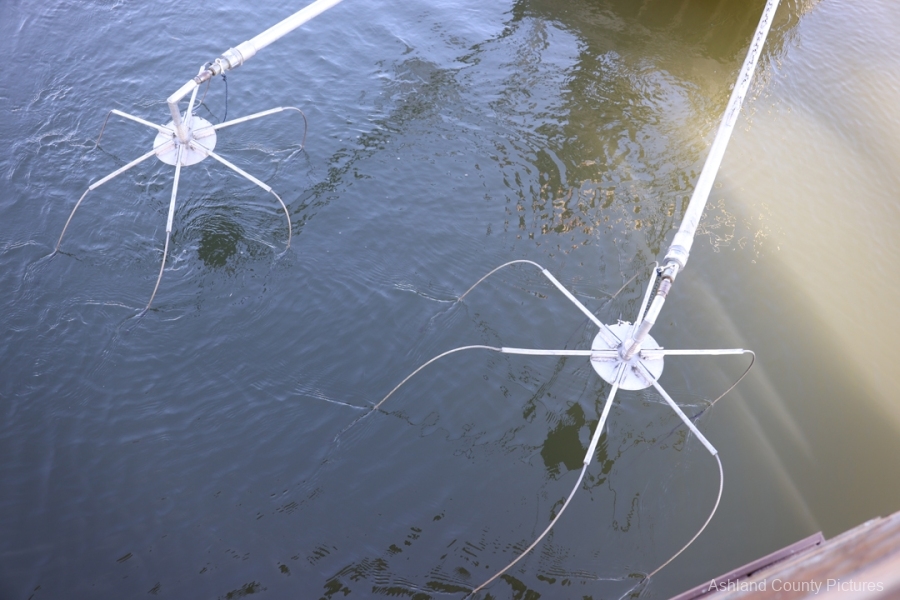
The sampling method, known as electrofishing, uses an electrical current to briefly stun fish so workers can collect them with nets. According to the crew, fish may recover within two to three seconds, leaving only a short window to scoop them up.
The equipment is adjusted for each pond because dissolved salts and other substances affect how readily the water conducts electricity. Collected fish are temporarily held in a cooler for examination before being released.
DeSanto said Park District Director Dan Mager is closely involved in the effort to improve the ponds, with maintenance staff also assisting.
The district’s ponds operate under catch-and-release rules, DeSanto said. Because the ponds are small, allowing unrestricted harvest could reduce fish populations and leave fewer opportunities for other visitors.
He said the district could consider designated days when anglers would be permitted to keep fish if survey results show that controlled harvest would help manage a pond’s population. No such change was announced during the interview.
For DeSanto, the project’s purpose comes back to the families fishing along the banks.
“We want them to enjoy our fishing here,” he said, “and we’re doing this for the benefit of the people of Ashland County.”