
123 Vehicles Screened During Ashland OVI Checkpoint
Law Enforcement Agencies join forces to educate motorists and deter impaired driving
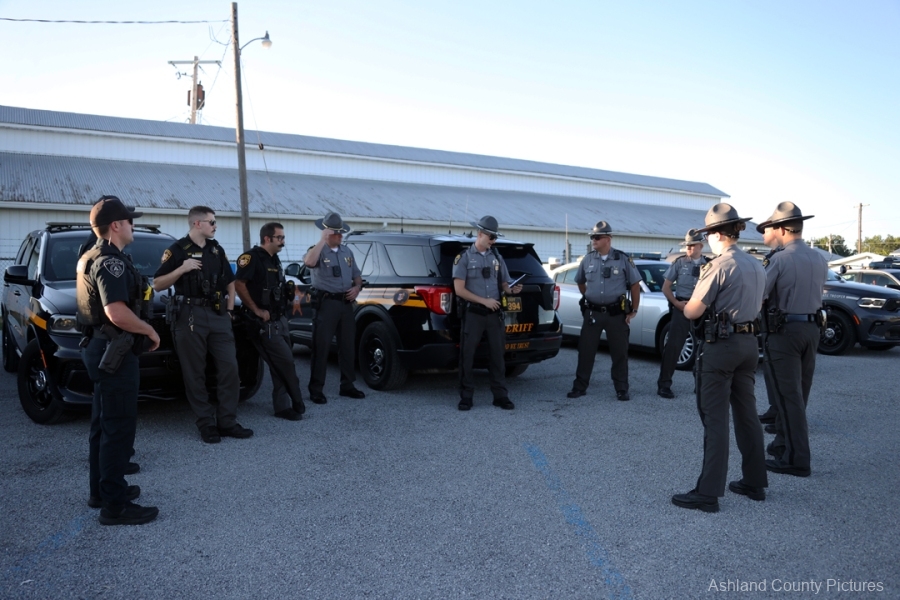
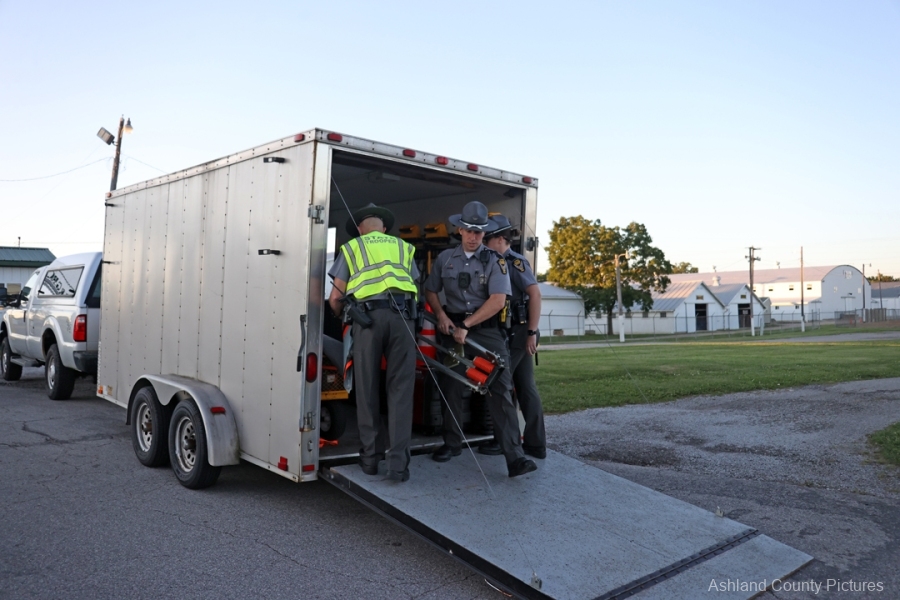
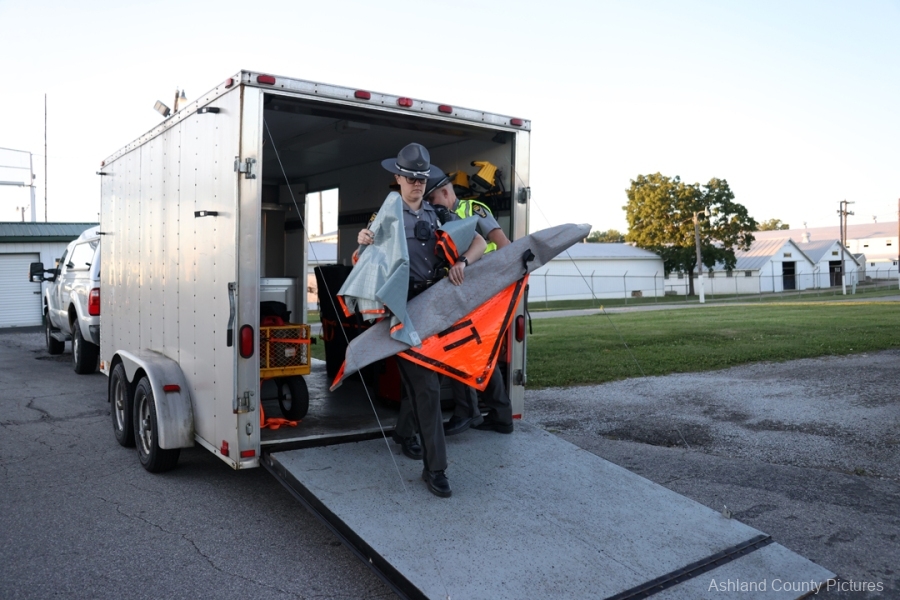
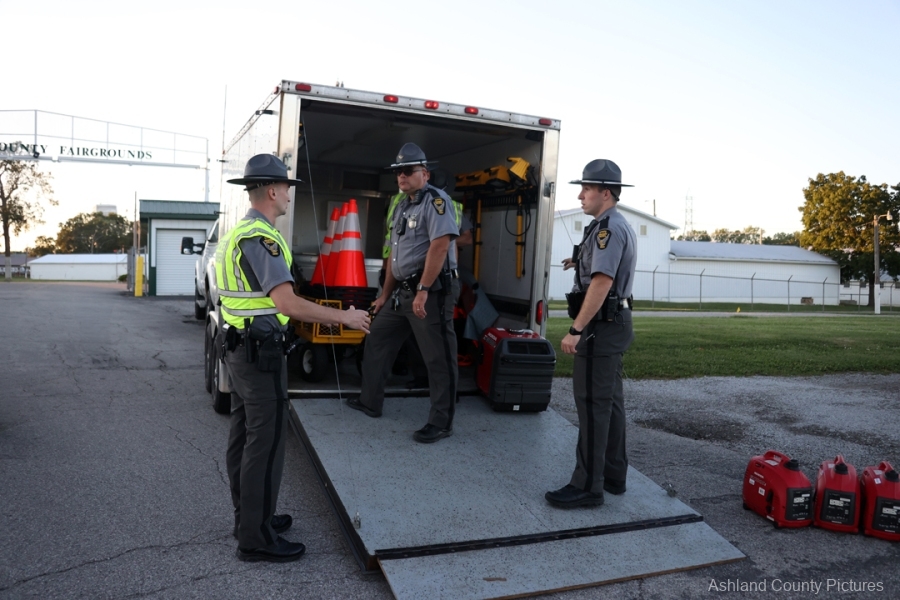
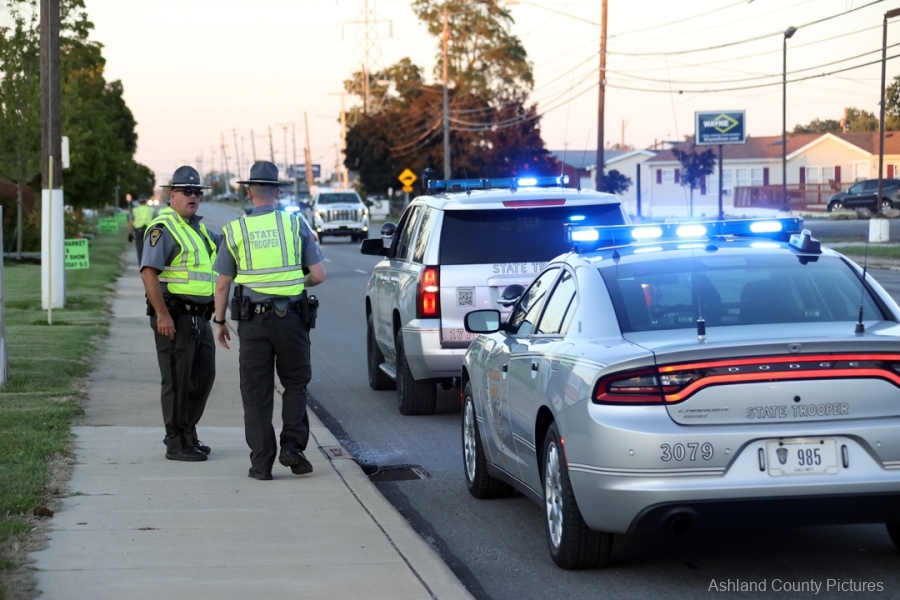
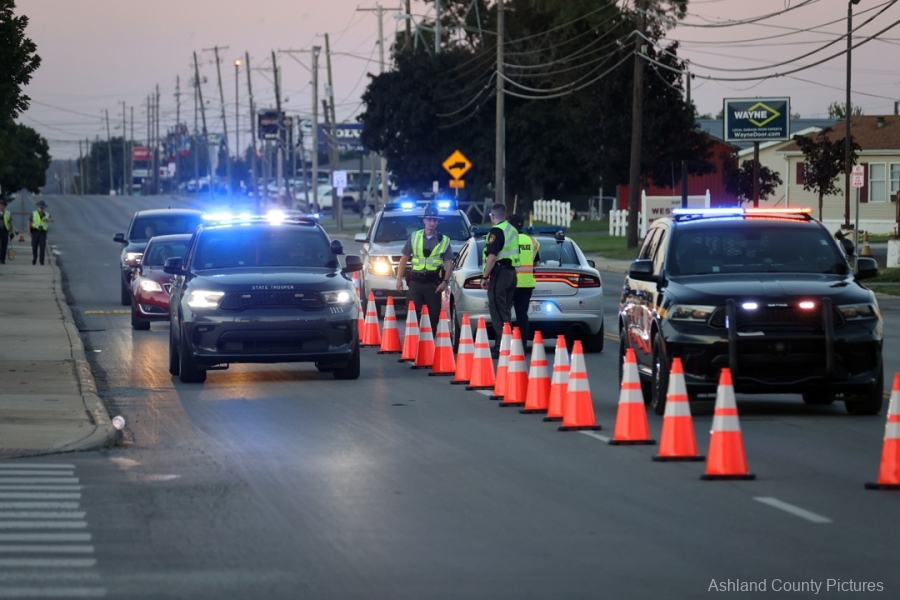
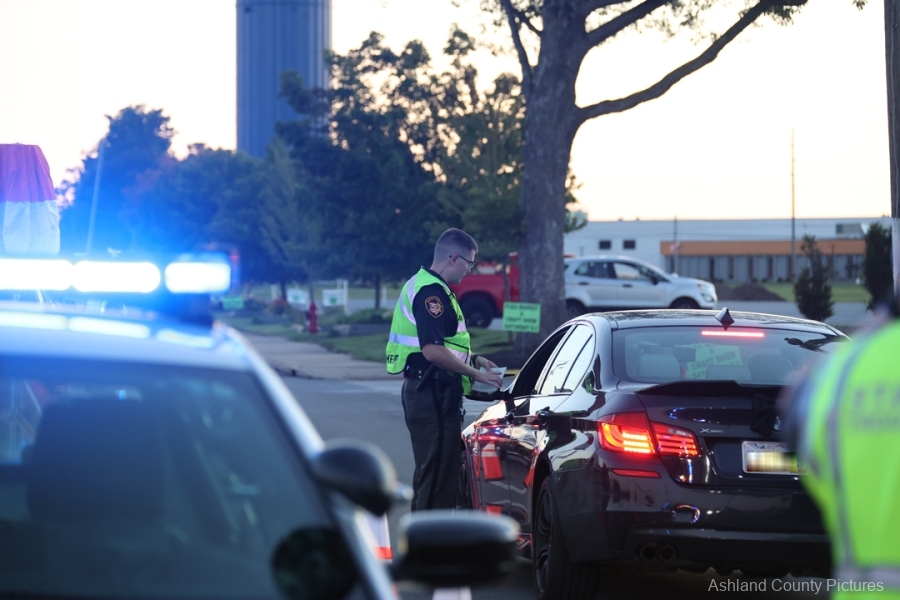
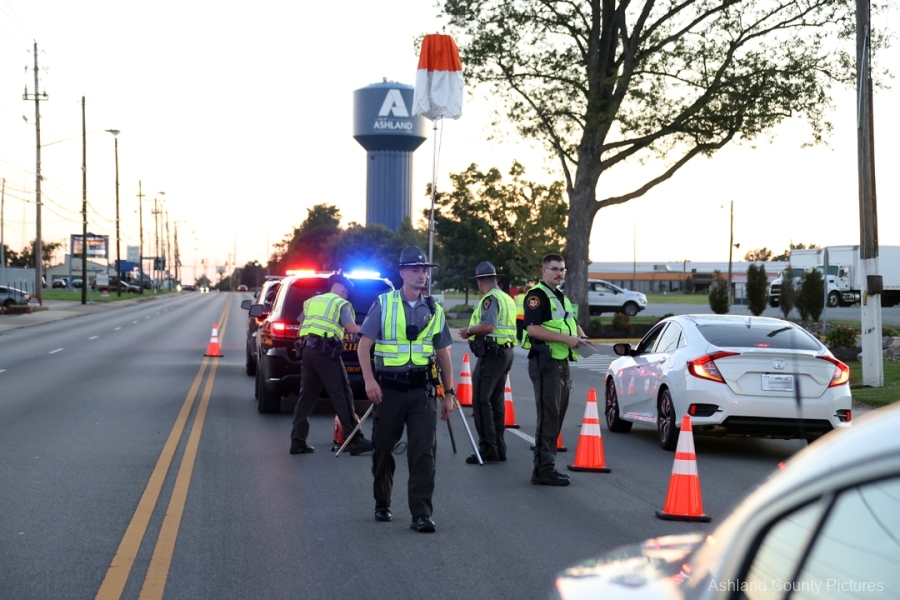
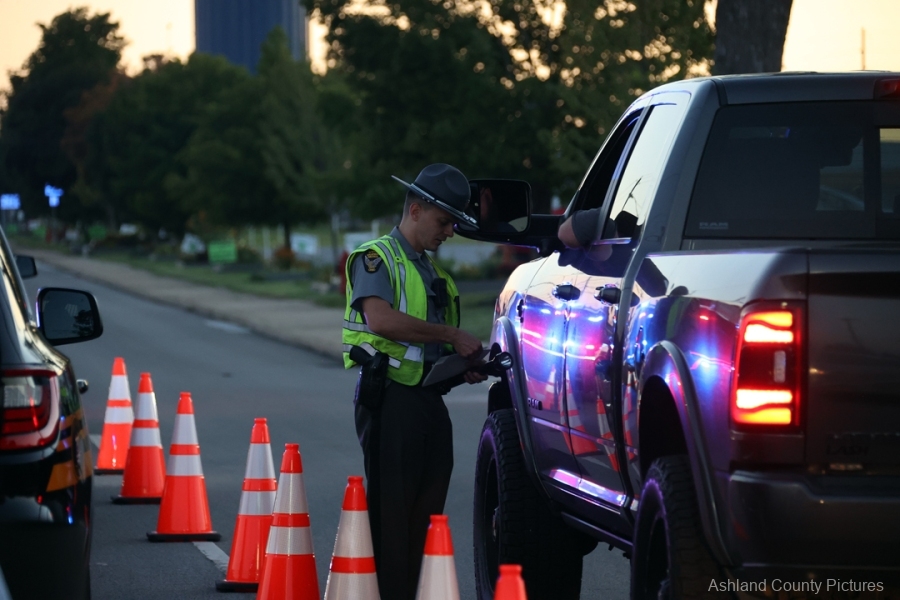
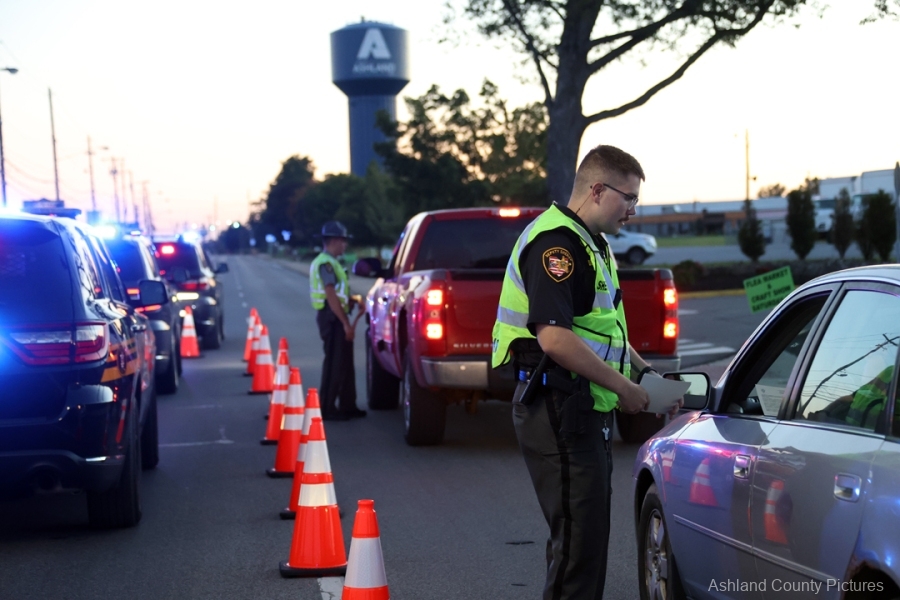
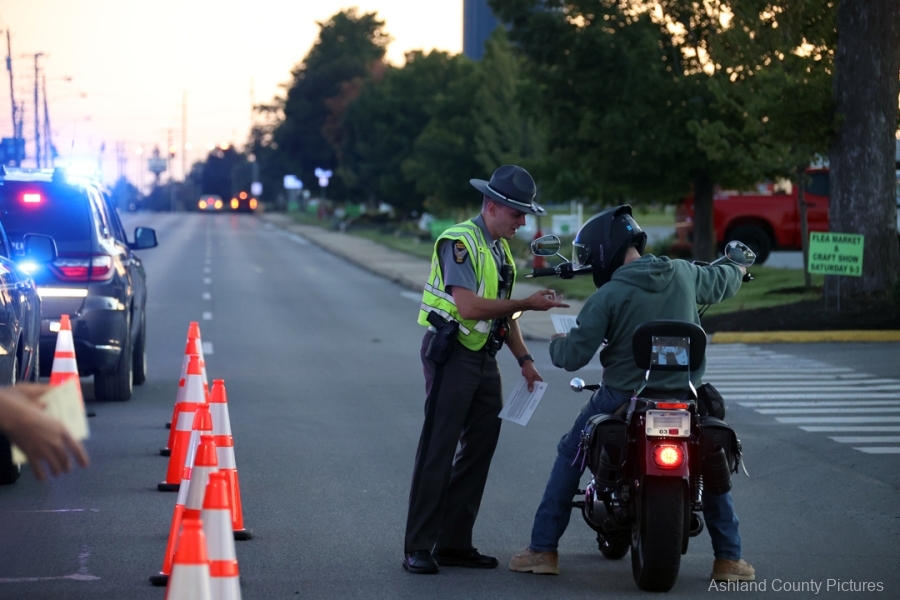
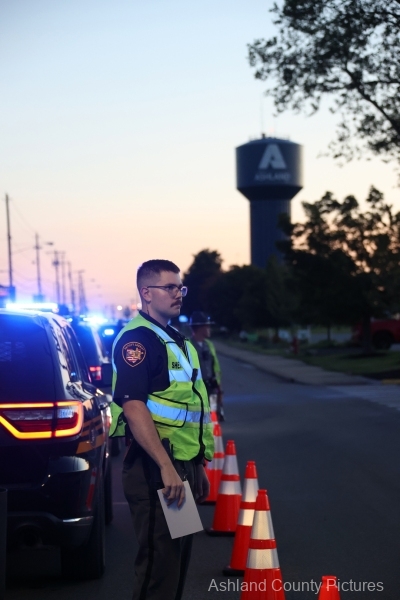
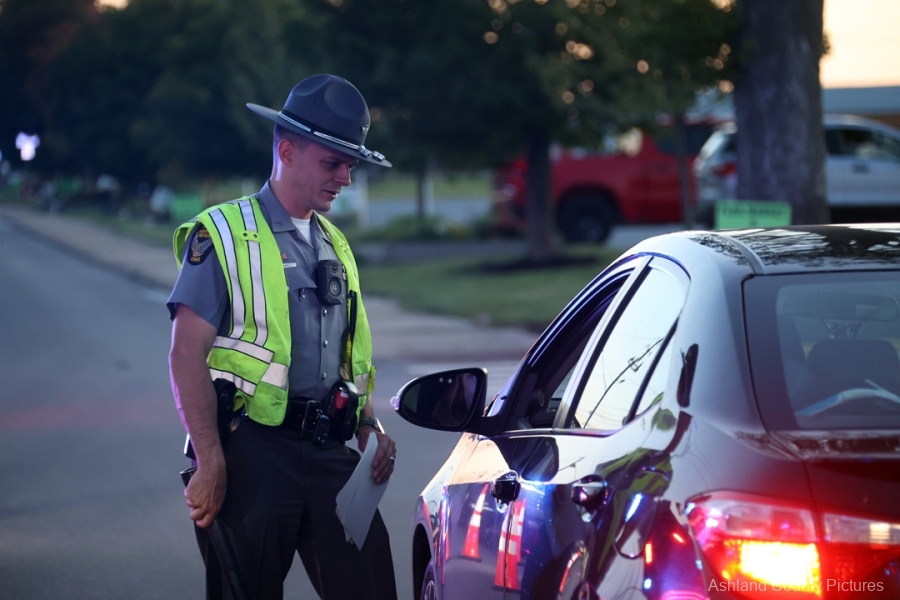
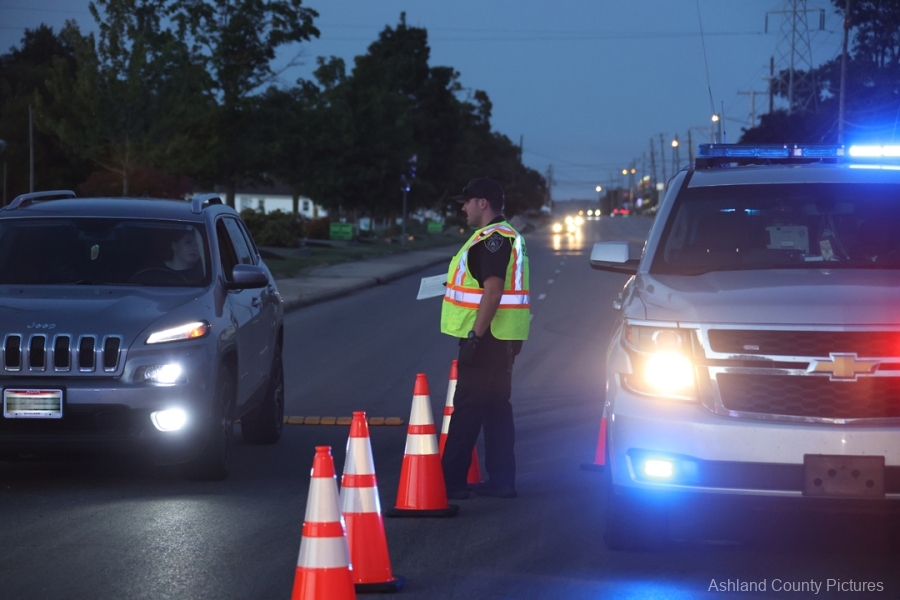
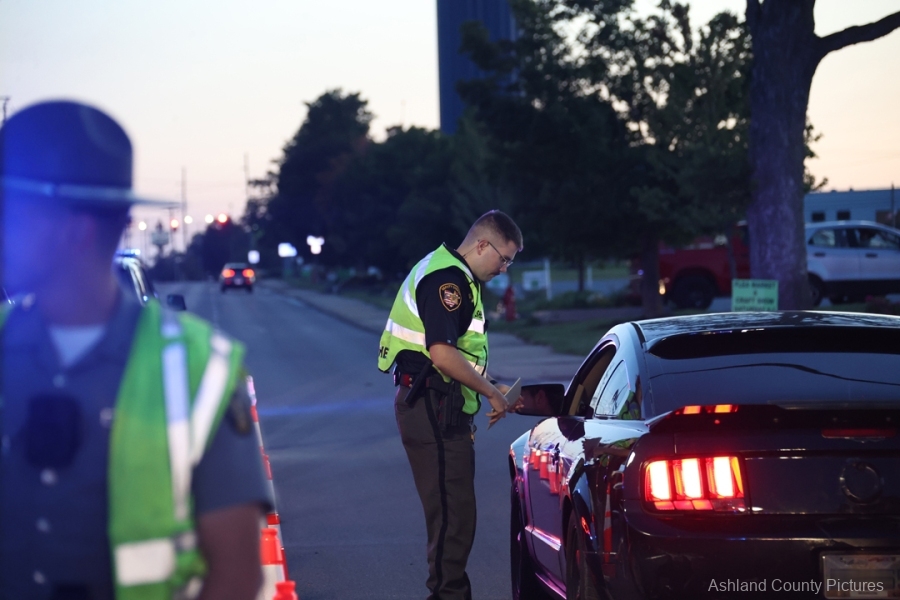
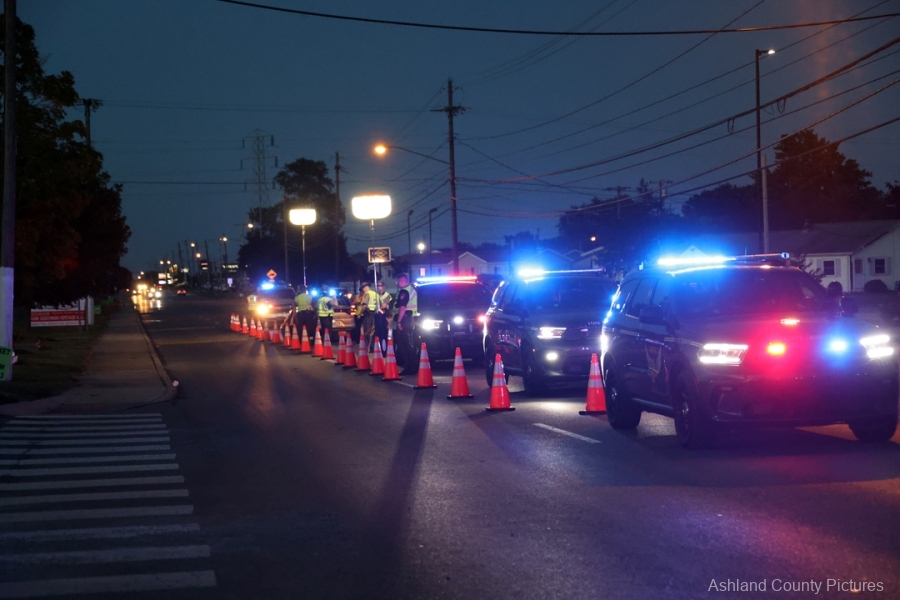
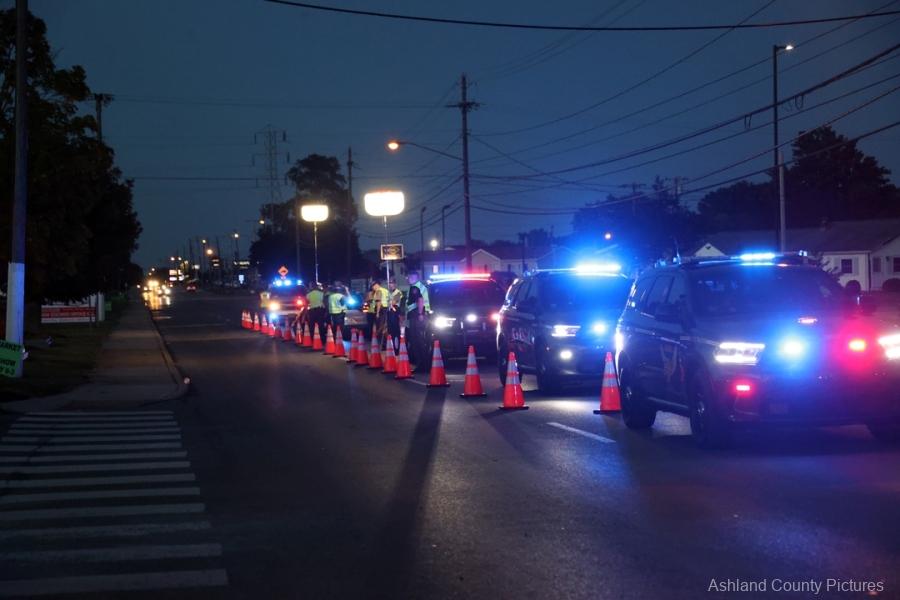
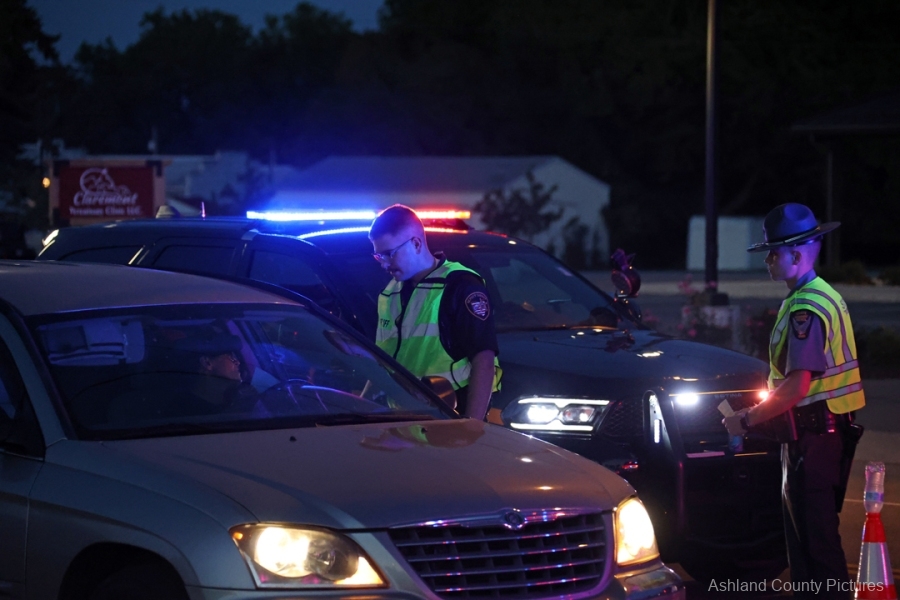
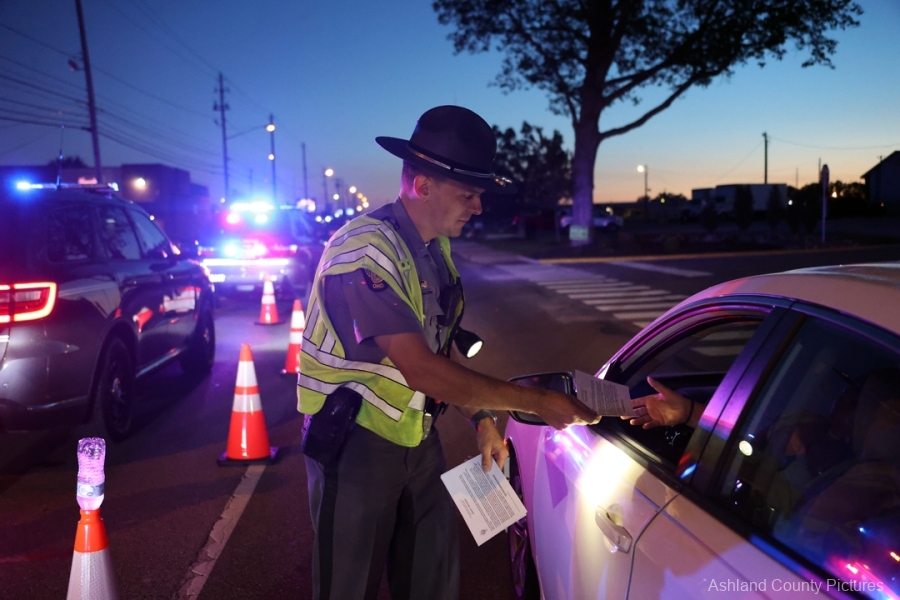
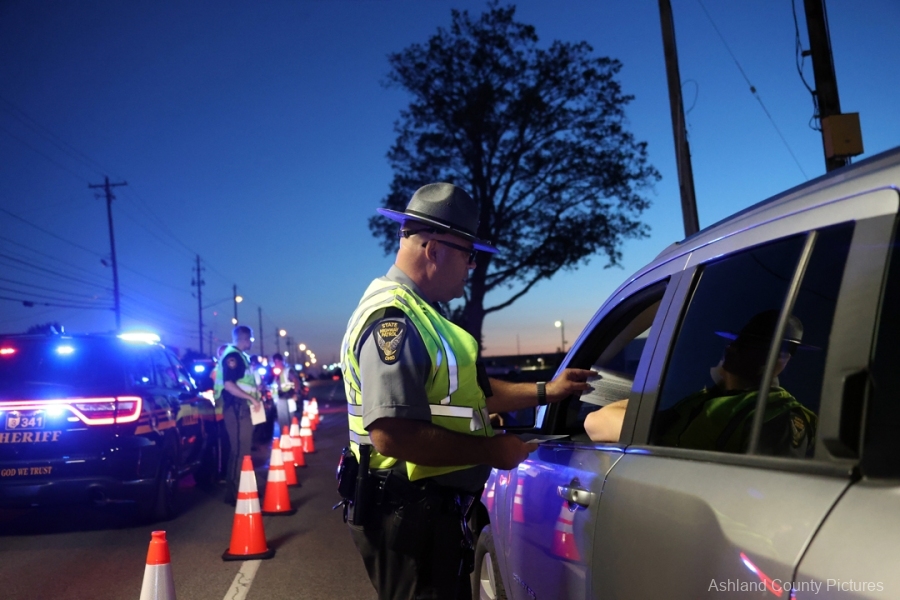
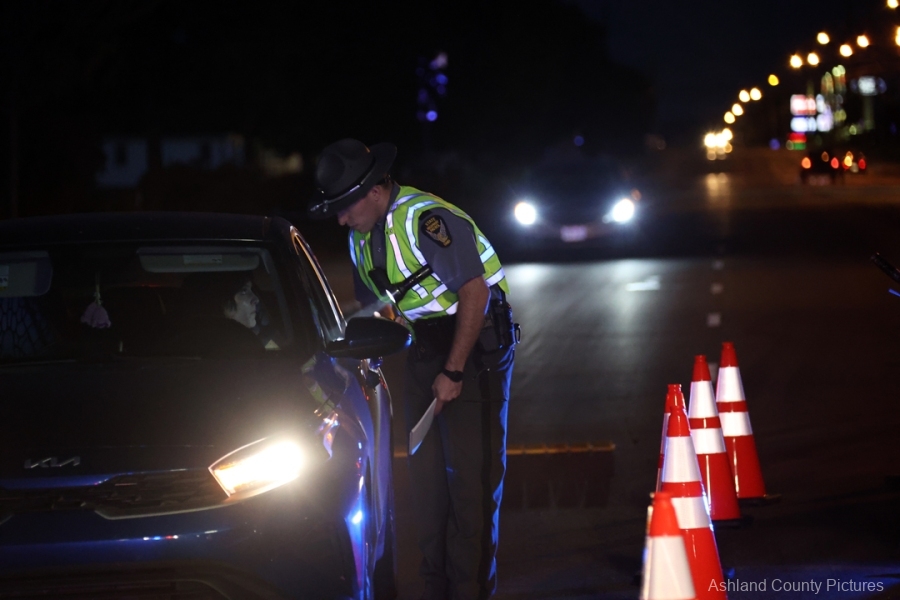
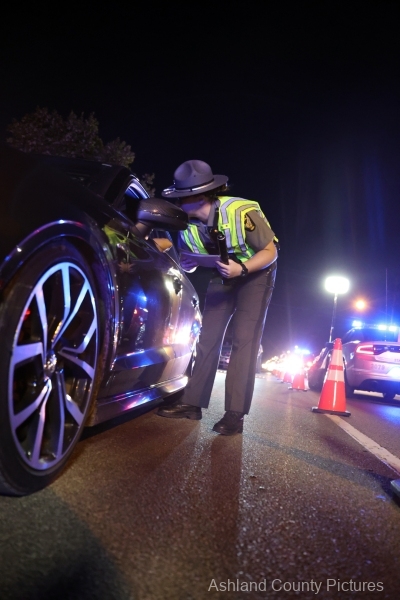
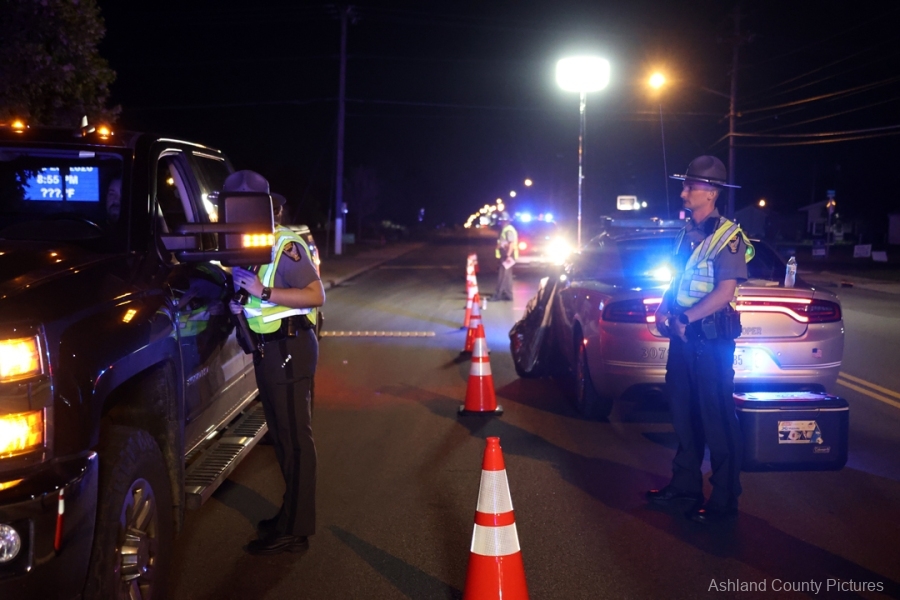
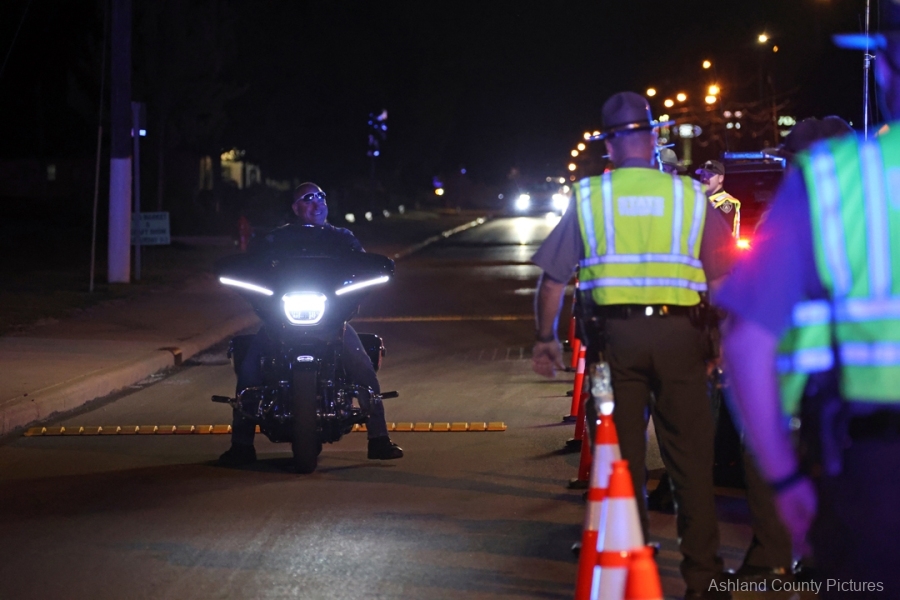
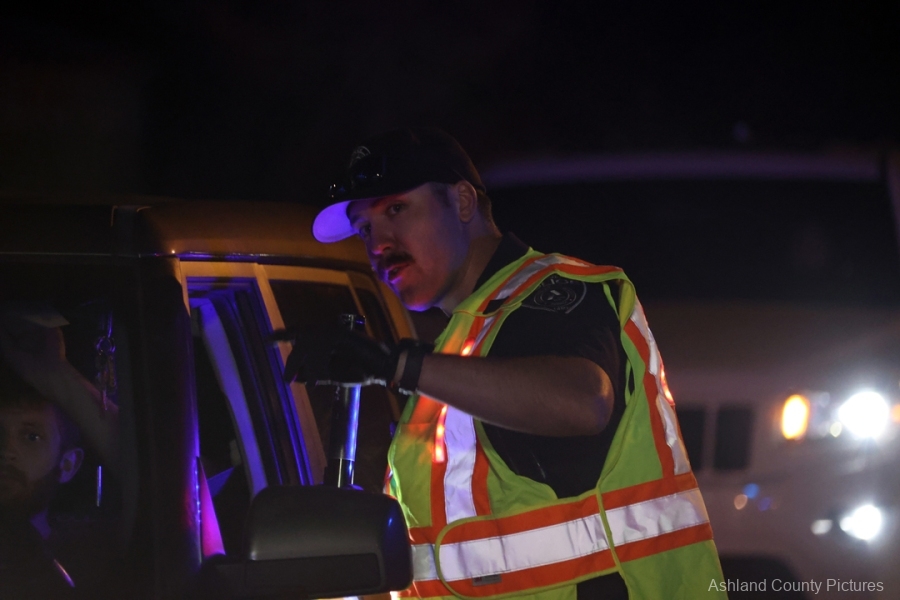
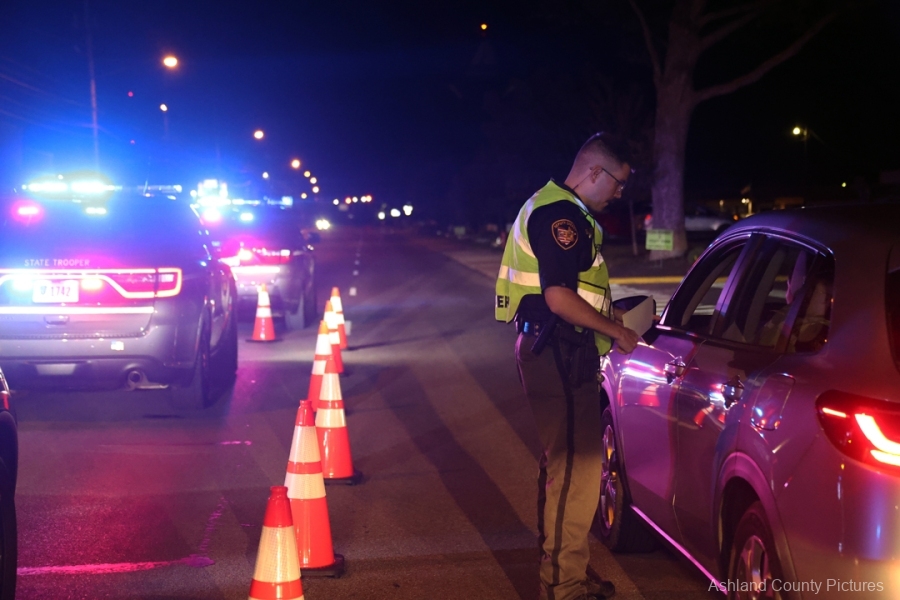
ASHLAND — Approximately 123 vehicles passed through an OVI checkpoint Friday evening on Claremont Avenue as three Ashland County law enforcement agencies worked together to promote sober driving and roadway safety.
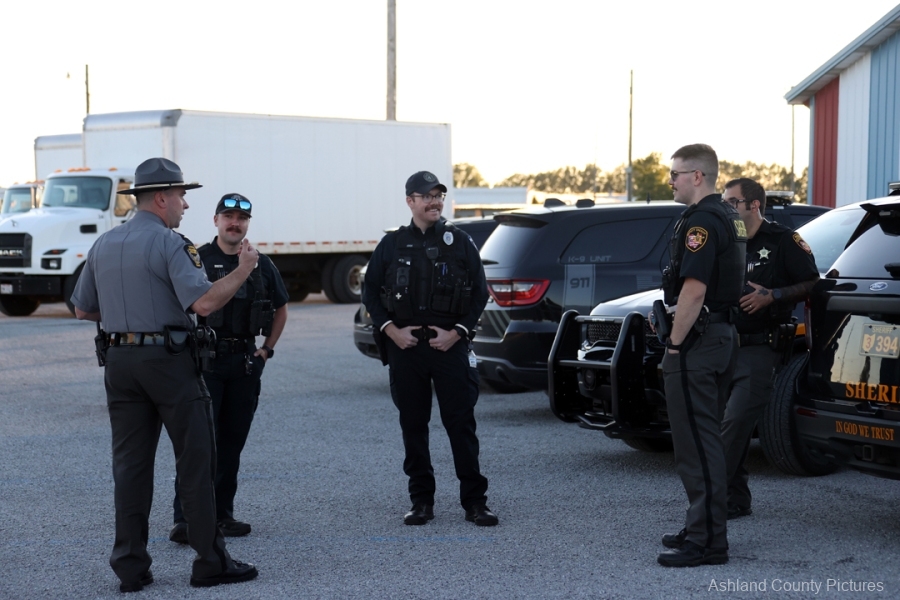
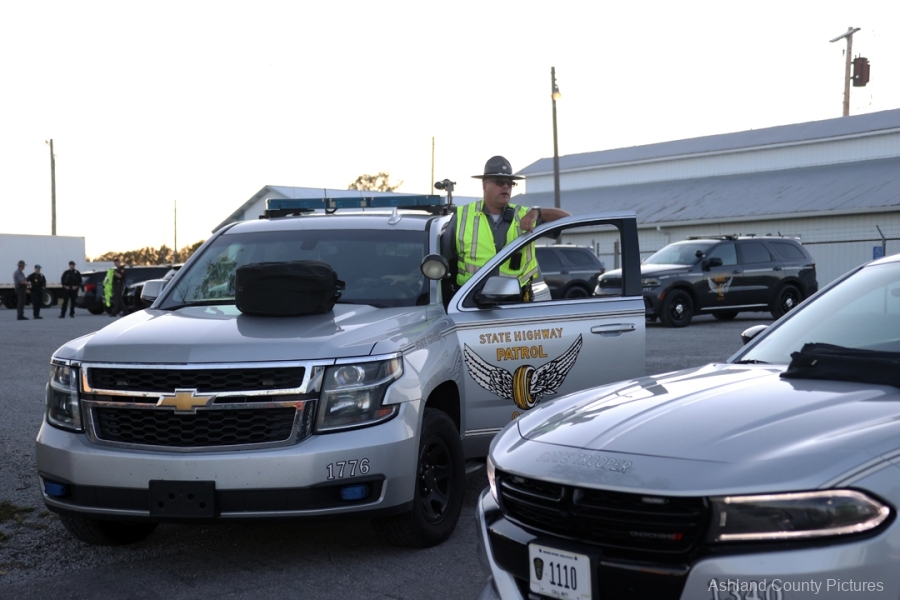
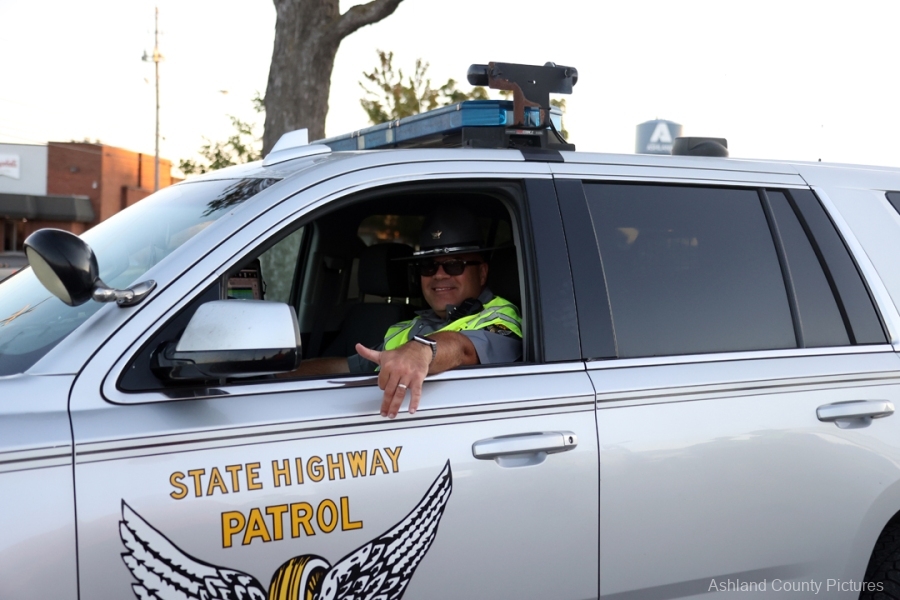
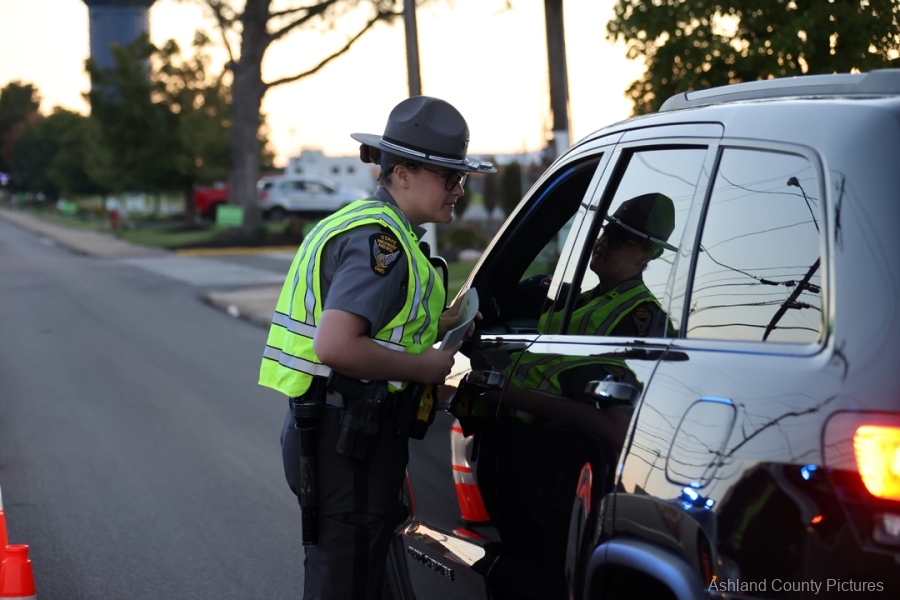
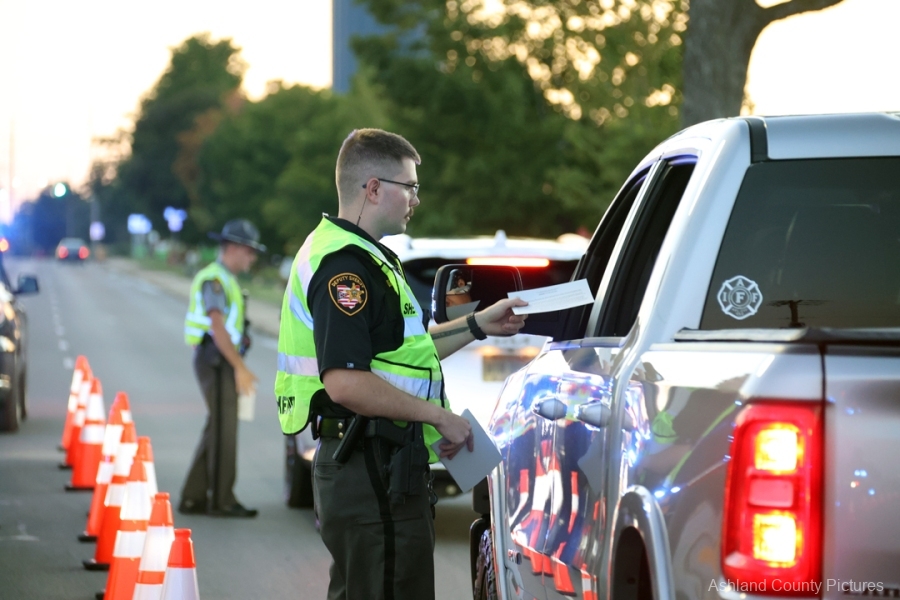
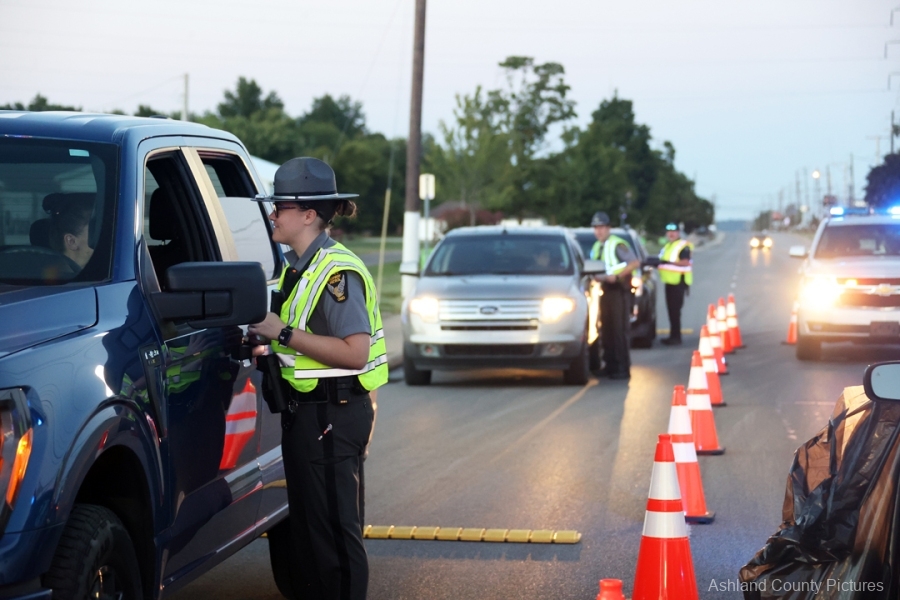
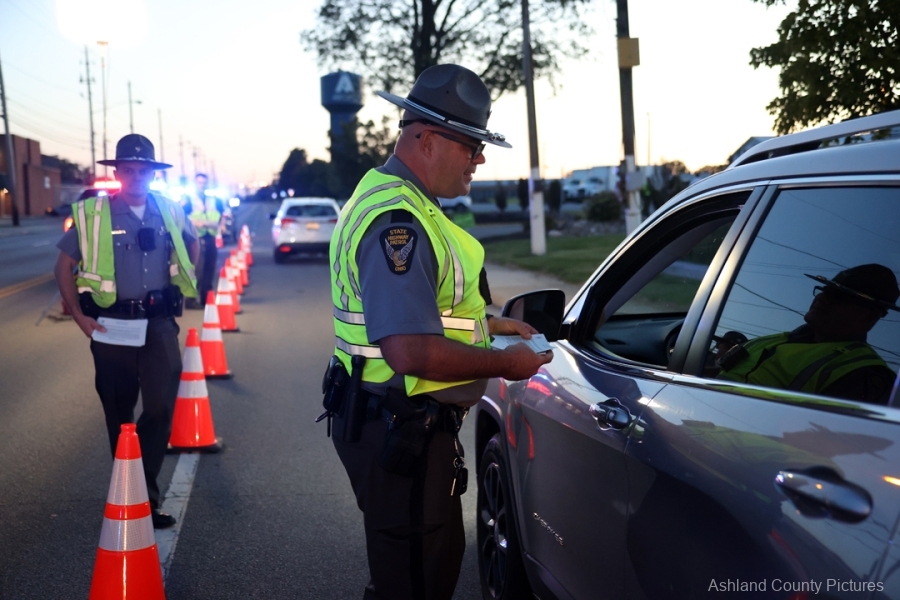
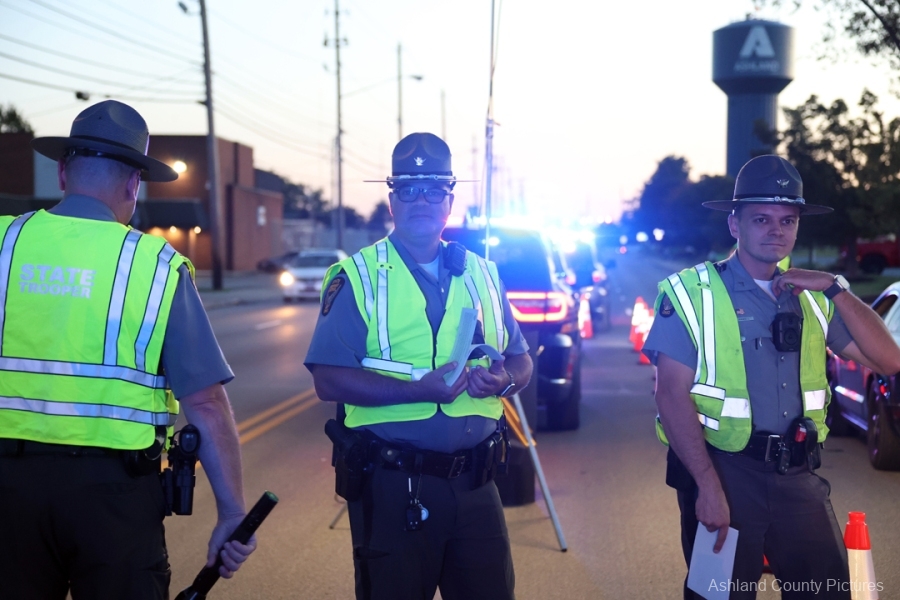
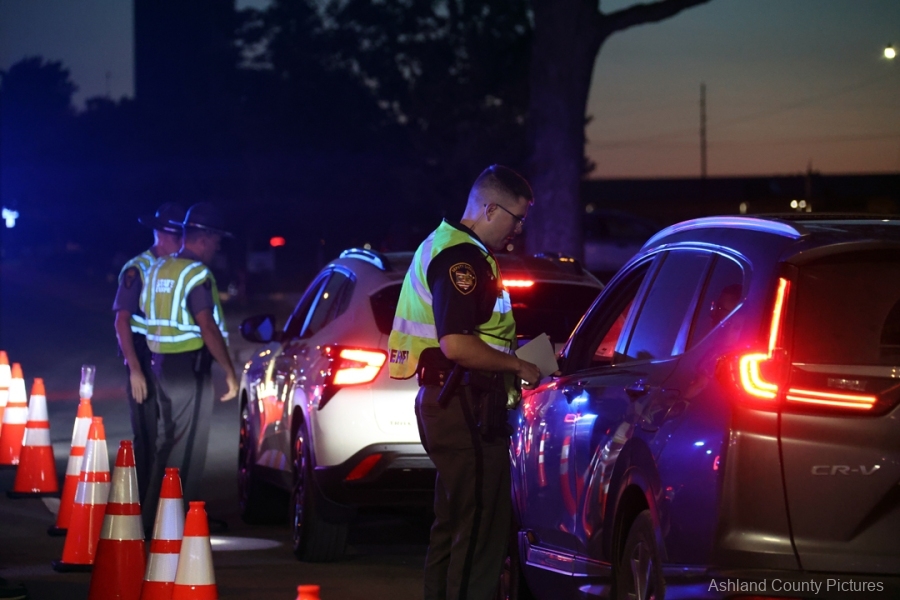
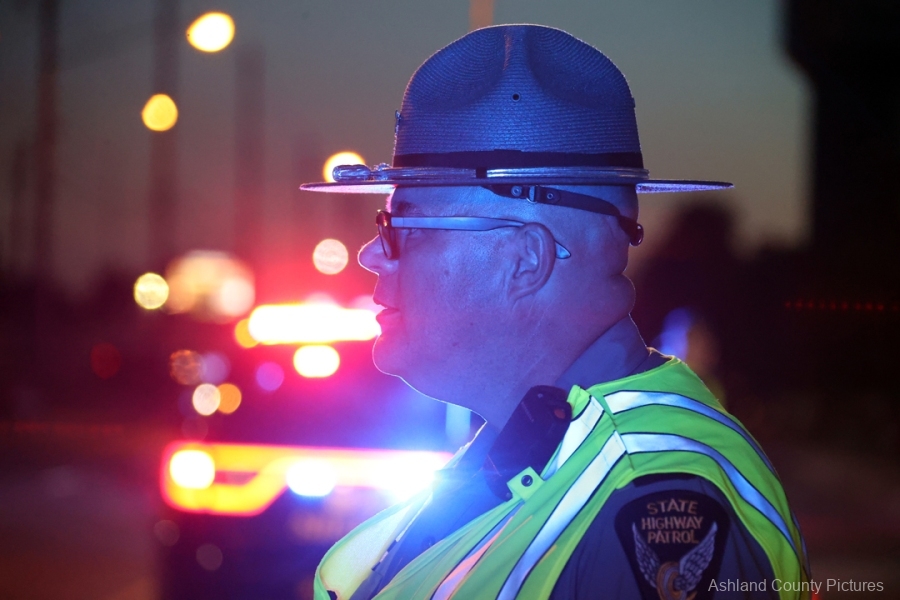
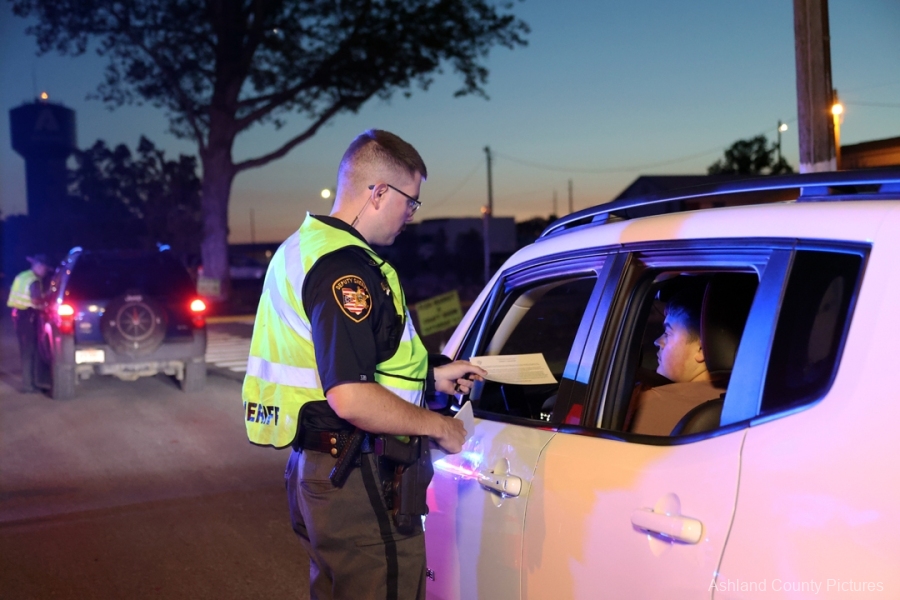
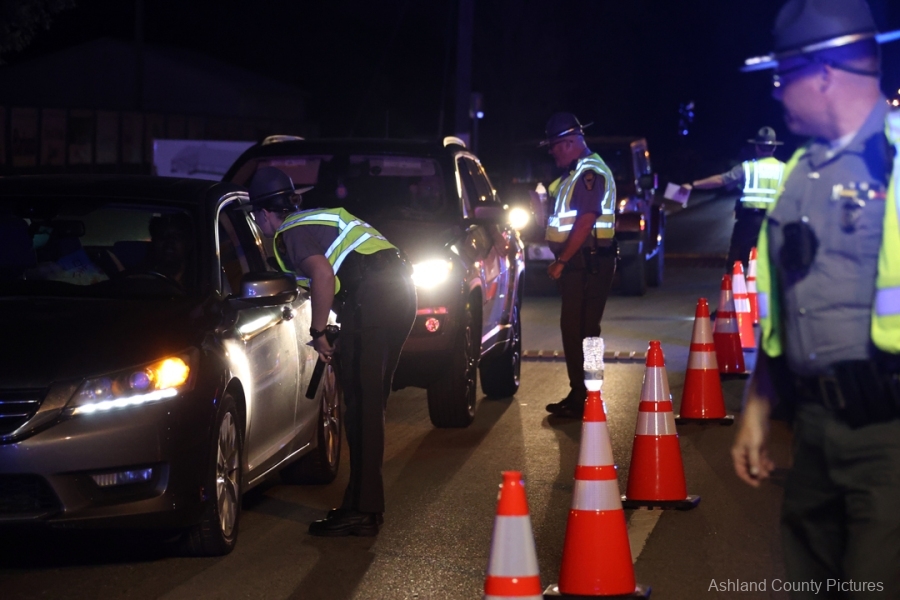
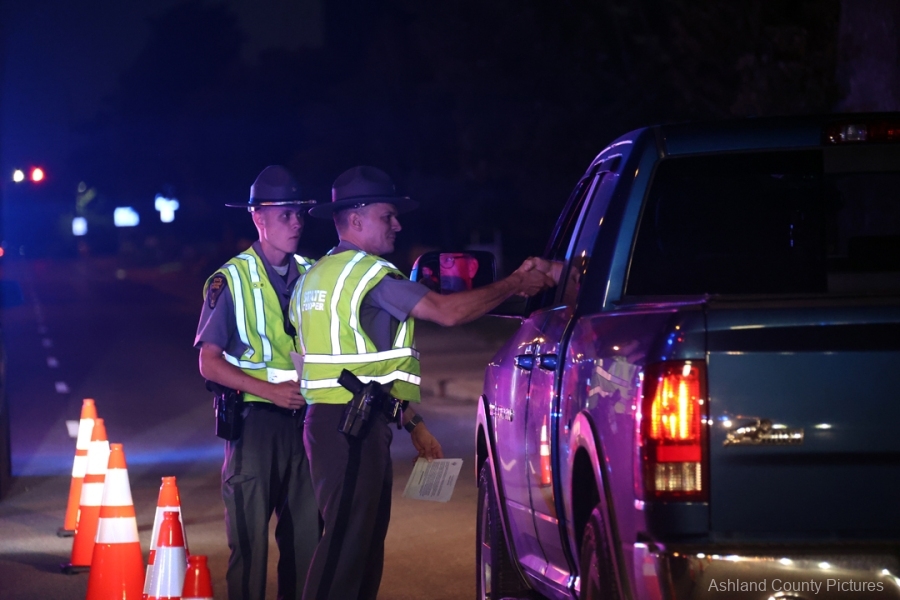
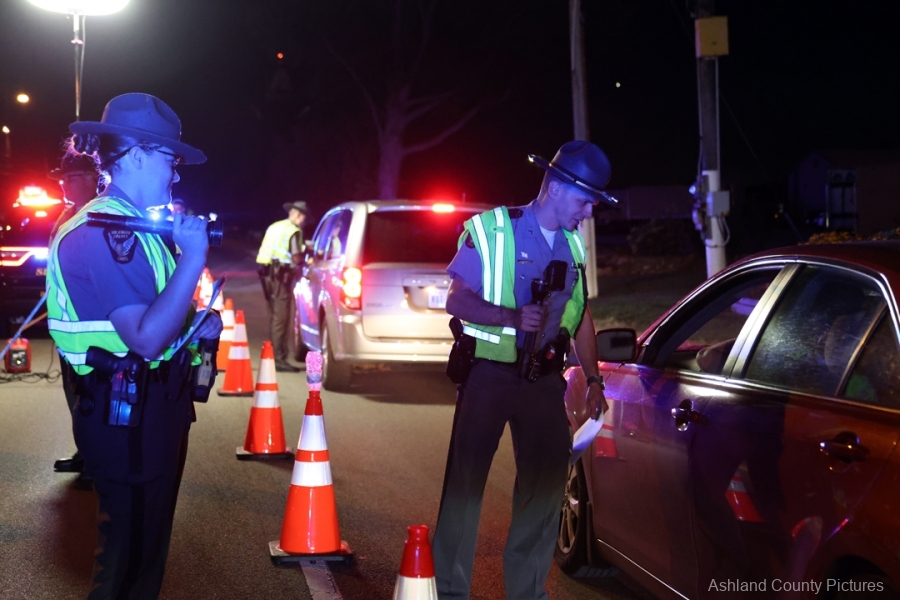
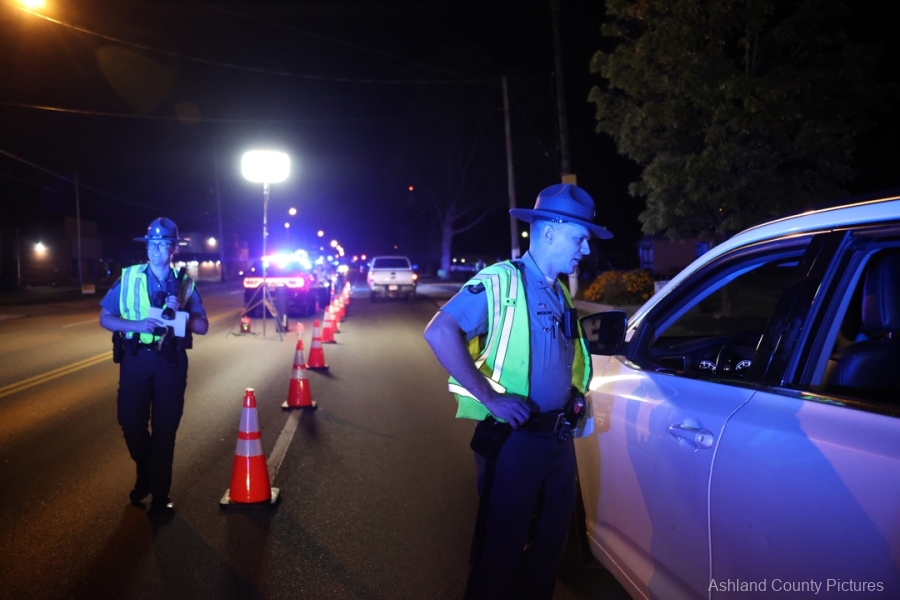
The Ohio State Highway Patrol conducted the checkpoint with assistance from the Ashland Police Division and Ashland County Sheriff’s Office. The operation ran from 8 to 10 p.m. Friday, Aug. 28, in the City of Ashland.
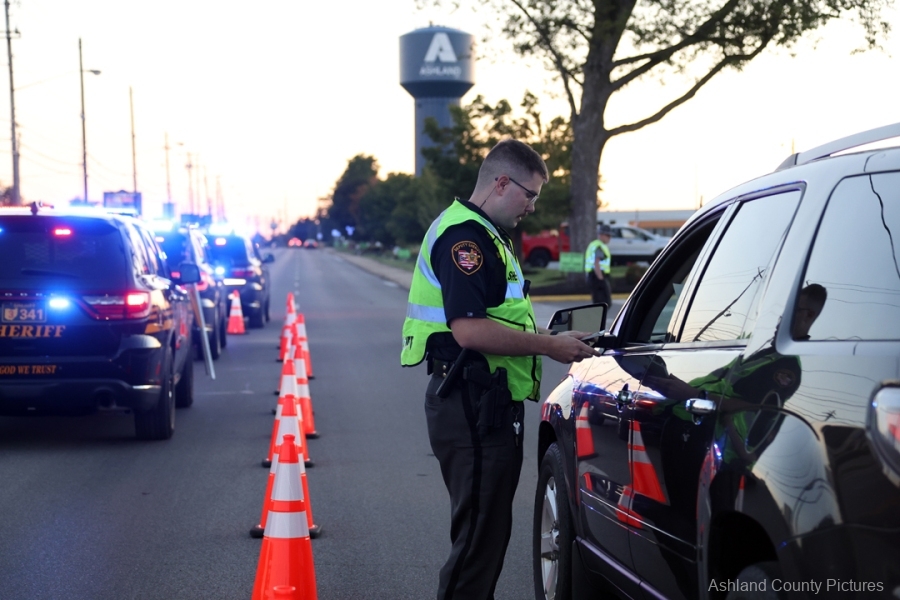
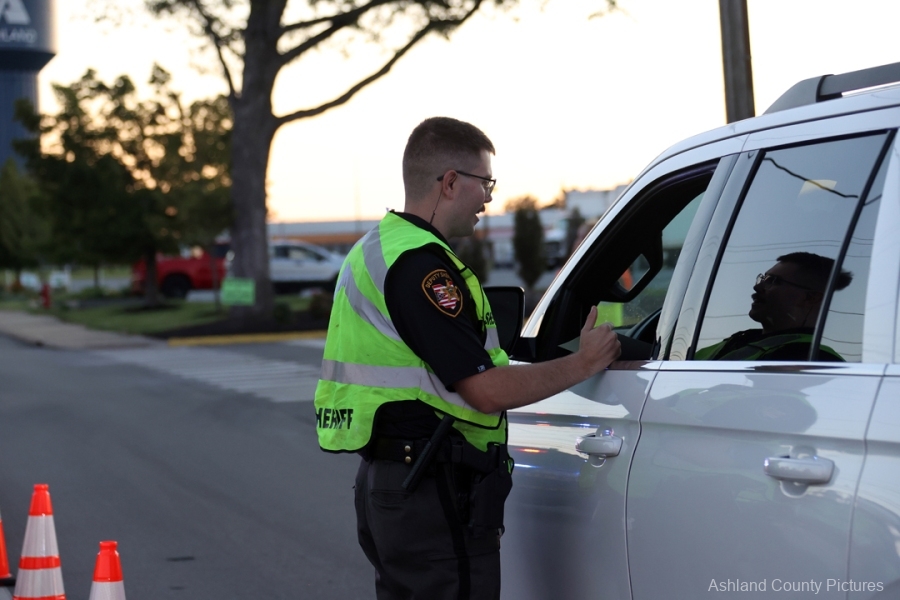
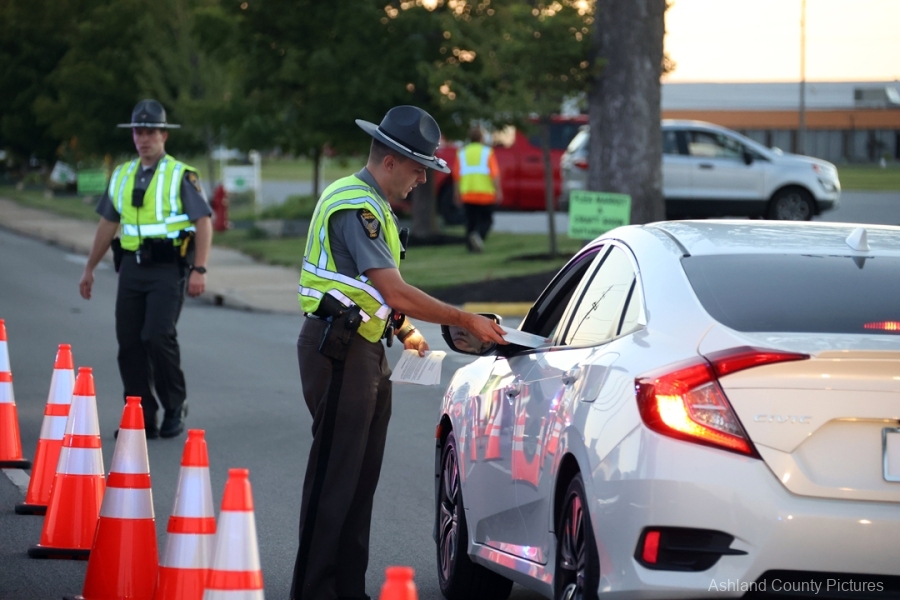
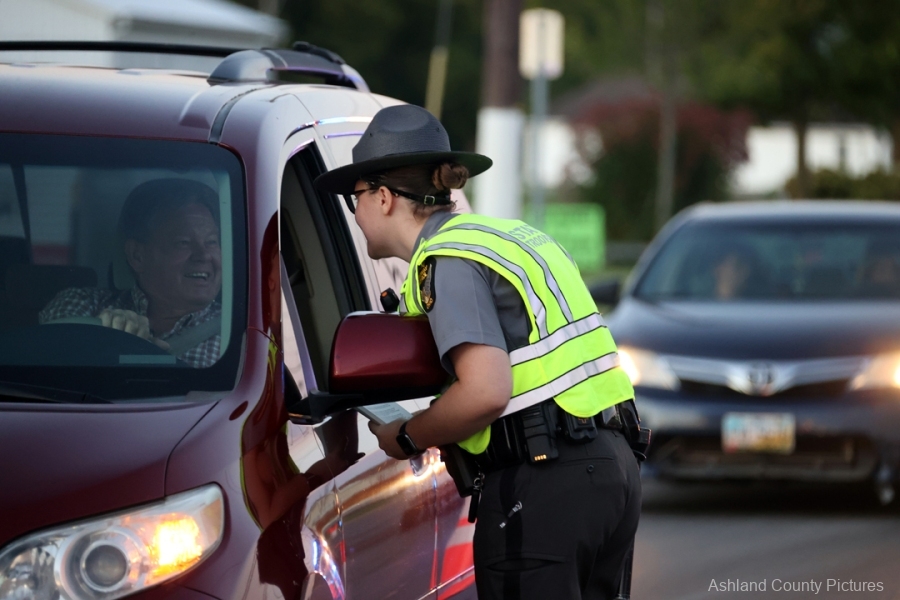
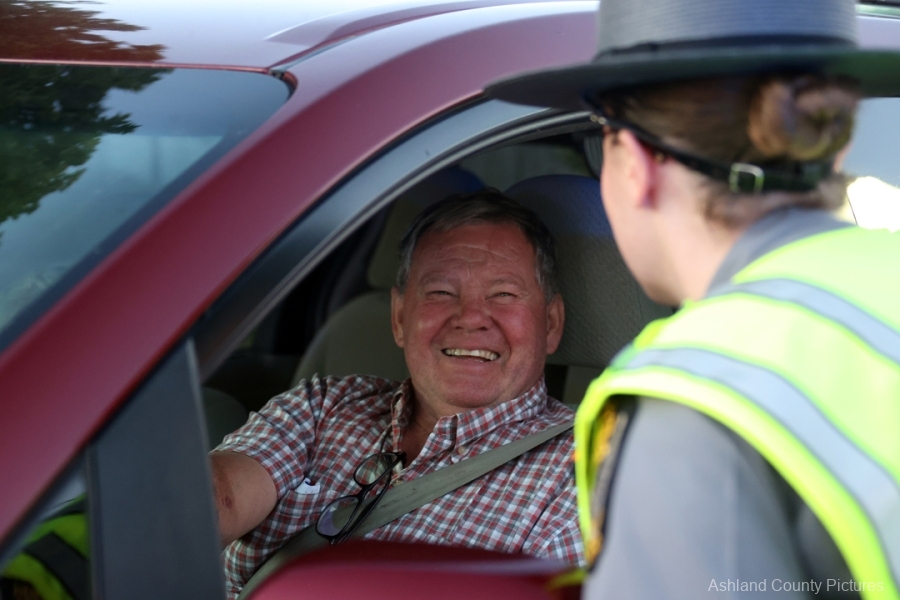
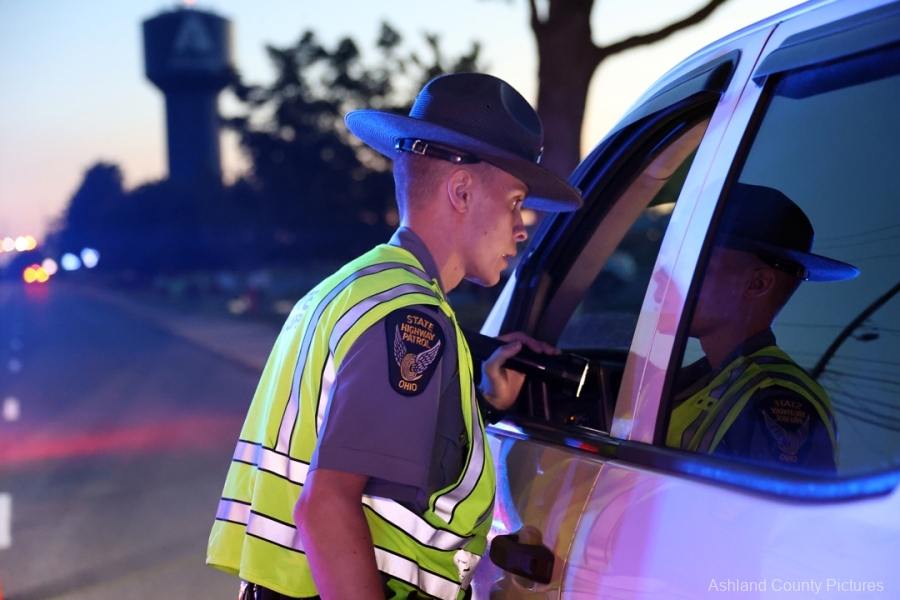
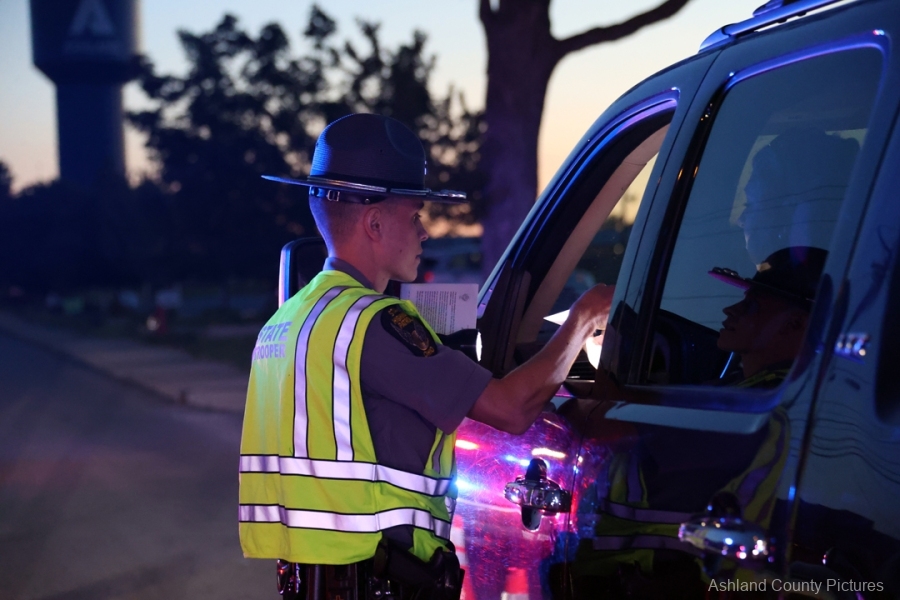
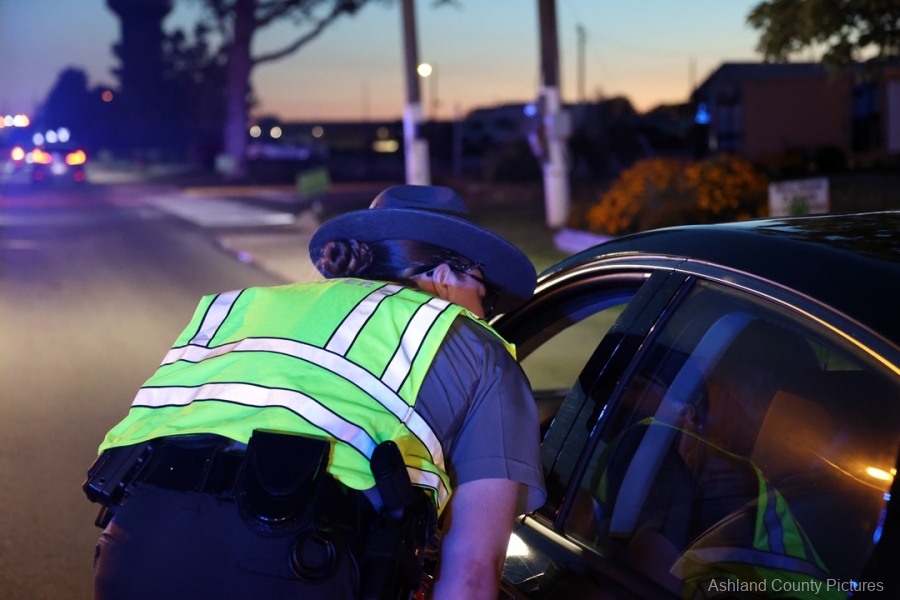
Drivers passing through the checkpoint were briefly screened for signs of alcohol or drug impairment.
Beyond enforcement, officials said the checkpoint was intended to increase awareness of the dangers of impaired driving and discourage people from getting behind the wheel after consuming alcohol or drugs.
“Checkpoints are an effort to make motorists more conscious of the impaired driver problem in Ohio and to help bring about a reduction in the number of alcohol and/or drug-related crashes,” Ashland Post Commander Lt. Brian Beal said. “I feel like our efforts tonight helped get us closer to meeting those goals.”
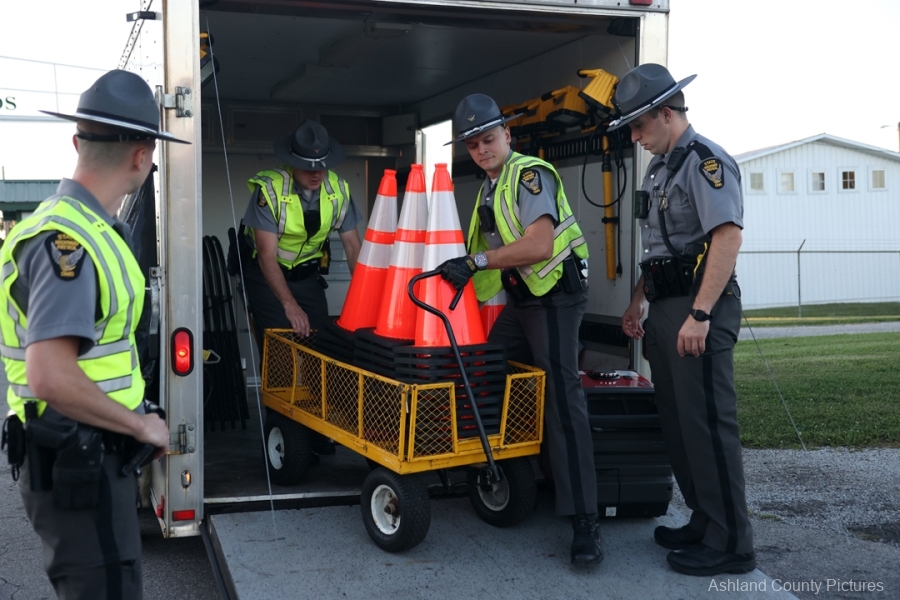
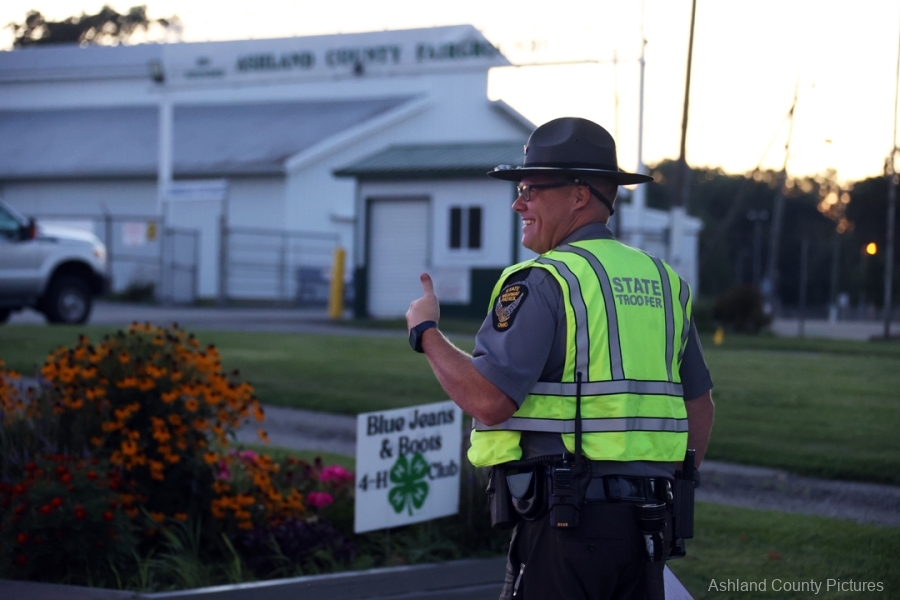
The operation also highlighted the cooperation and camaraderie among the Highway Patrol, Ashland Police Division and Sheriff’s Office. Officers, Deputies and Troopers worked as one team to safely direct traffic, screen motorists and educate the public.
Why sobriety checkpoints are conducted
The Ohio State Highway Patrol describes sobriety checkpoints as enforcement and educational tools designed to reduce, and ultimately eliminate, alcohol-related crash deaths and injuries.
While checkpoints may not always produce arrests, their visibility increases the perceived risk of being caught and can persuade potentially impaired drivers to make safer choices.
Public notification, education and enforcement work together to strengthen that deterrent effect.
The U.S. Supreme Court upheld the use of properly operated sobriety checkpoints in 1990. Guidelines include selecting locations based on a history of impaired-driving incidents or alcohol-related crashes, notifying the public, establishing clear objectives and emphasizing the safety of officers and motorists.
Plan a sober ride before going out
Law enforcement officials urge motorists to make transportation arrangements before drinking. Choose a designated driver, use a ride service or call a trusted friend or family member.
Anyone who sees a suspected impaired driver should avoid approaching the vehicle and contact law enforcement when it is safe to do so. On Ohio roadways, motorists may report dangerous driving by calling #677.
One decision can prevent a crash, save a life and help ensure everyone makes it home safely.