
Greentown’s Removal and the Copus Massacre: Fear and Violence During the War of 1812
Part Two of a local history series
By Kenneth Hammontree
ASHLAND COUNTY, Ohio — The first installment of this series examined the Indigenous peoples who inhabited Ashland and Richland counties, concluding with Greentown, one of the region’s largest remaining Indigenous settlements at the time.
With the United States’ declaration of war against Great Britain on June 18, 1812, relations between settlers and Indigenous communities at Greentown and Jeromesville rapidly deteriorated.
Rumors of raiding parties connected to Shawnee leader Tecumseh and his brother Tenskwatawa, commonly known as the Prophet, spread fear throughout the frontier. Settlers began constructing blockhouses and gathering inside the fortified structures for protection.
Following Gen. William Hull’s surrender to the British at Detroit on Aug. 16, 1812, suspicion of the Indigenous residents grew even stronger. Although the people of Greentown had lived in the area for decades, military authorities decided the villages at Greentown and Jeromesville posed a potential threat to the surrounding settlements.
The consequences of that decision would be devastating.
Military Orders Force Greentown Residents From Their Homes
Authorities ordered the Indigenous residents removed and sent under guard to Piqua, approximately 100 miles west. Capt. Douglas of Mount Vernon and a company of soldiers were assigned to enforce the order.
The people of Greentown and Jeromesville did not want to leave. Like many Indigenous communities, they had already been repeatedly pushed westward as white settlements expanded.
A delegation led by Chief Armstrong visited Peter Kinney at his Green Township cabin and asked him to intervene with the military. Kinney, the Rev. James Copus and possibly John Chapman, better known as Johnny Appleseed, reportedly met Douglas and his soldiers outside Greentown.
Chief Armstrong offered to surrender the villagers’ weapons and submit to roll calls twice each day if they could remain in their homes.
The discussion became heated. Historical accounts claim Douglas drew his sword and threatened Kinney, but the presence of armed Indigenous warriors prevented the confrontation from escalating. Copus, a Methodist minister respected by Greentown’s residents, reportedly stepped forward and urged everyone to remain calm.
Douglas then demanded that Copus persuade the residents to obey the removal order. Copus attempted to reason with them, but they continued to resist leaving their homes. Eventually, he refused to pressure them further.
Douglas reportedly threatened to arrest Copus as a traitor. The minister left the meeting fearing that bloodshed would follow.
Greentown Burned After Removal
Sometime between Aug. 27 and Sept. 3, 1812, Col. Kratzer, commander of the troops at the Mansfield blockhouse, received final orders to remove the Indigenous residents of both villages.
Peter Kinney and Capt. Cunningham inventoried the residents’ property before the people of Greentown were placed into a guarded line and marched away from the community that had been their home for approximately 30 years.
Only a few miles into the journey, the displaced residents reportedly looked back and saw black smoke rising from Greentown.
Historical accounts state that six soldiers or stragglers had remained behind and burned the village without authorization. The men later reportedly claimed they acted in revenge for past grievances against Indigenous people.
To Greentown’s residents, however, the destruction appeared to confirm that promises to protect their homes and property had been broken. Many blamed Copus, believing the minister they once trusted had helped deceive them.
That belief may have played a role in the violence that followed, although historians have never conclusively established who carried out the attack on the Copus cabin or precisely why.
Settlers Seek Shelter Following Killings
Fear intensified after members of the Zimmer family and settler Martin Ruffner were killed on Sept. 10, 1812.
The Rev. Copus moved his wife and seven children to the Mansfield blockhouse. Other frightened families sought protection at fortified settlements throughout the region. Eight families reportedly gathered at the Jerome blockhouse, while Peter Kinney, James Cunningham, John Wilson and others traveled to Samuel Lewis’ blockhouse near the Clear Fork.
Conditions inside the Mansfield blockhouse were crowded, and Copus eventually insisted on returning his family to their cabin above the Black Fork.
Capt. Martin objected but ultimately permitted the family to leave, assigning soldiers to accompany them.
The group departed early on Sept. 14 and reached the Copus property late that afternoon. They found the cabin and livestock undisturbed.
“All felt quiet in the surrounding forest and peaceful,” Copus reportedly told his 12-year-old daughter, Sarah.
The soldiers declined an invitation to sleep inside the cabin, choosing instead to stay in the barn about 80 feet away.
According to an account later attributed to Sarah, she slipped into the cornfield that evening and saw a warrior with his face painted black and red standing near the field’s edge. Frightened that she would cause panic, she did not tell her father.
The family’s dogs barked repeatedly during the night, but no immediate alarm was raised.
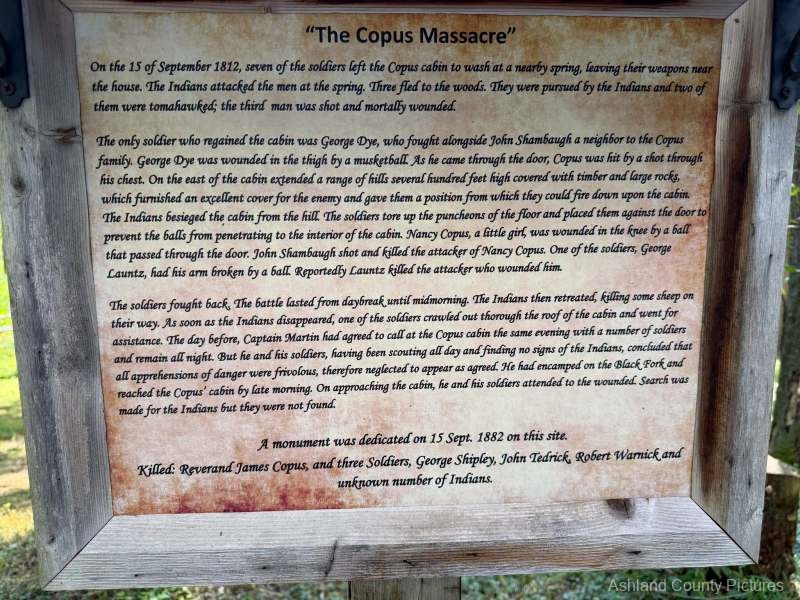
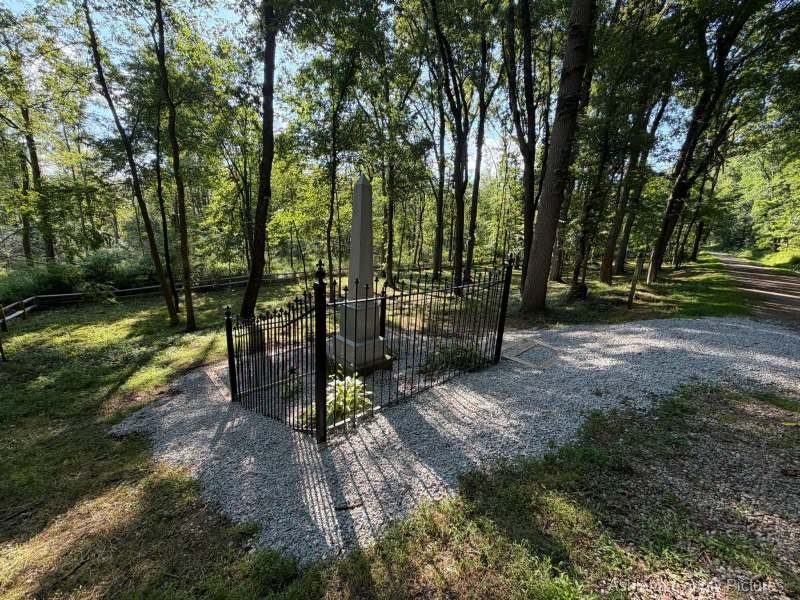
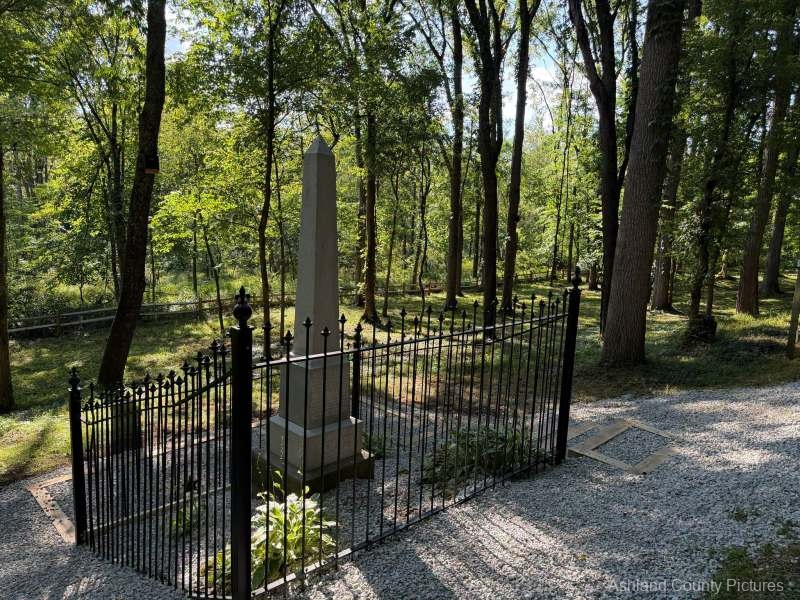
A September morning: The Rev. Copus massacre
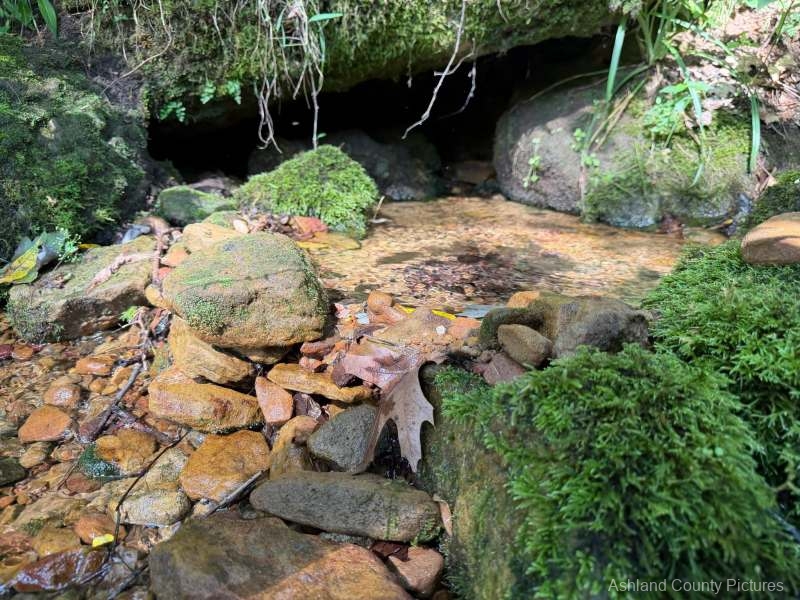
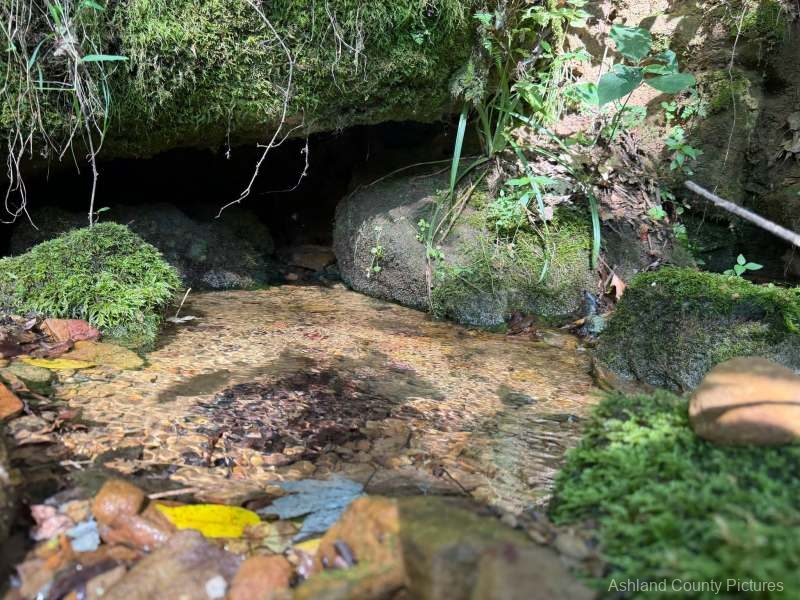
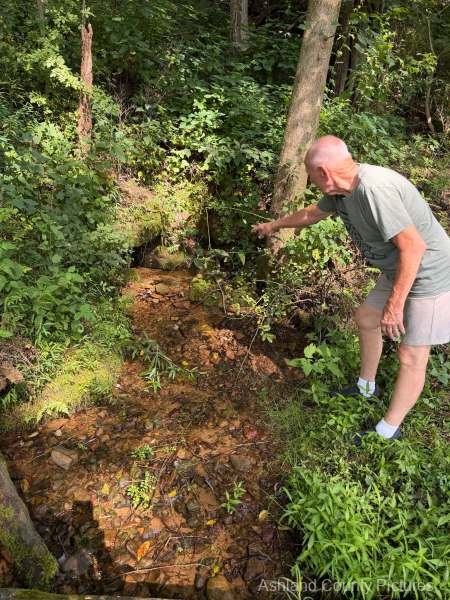
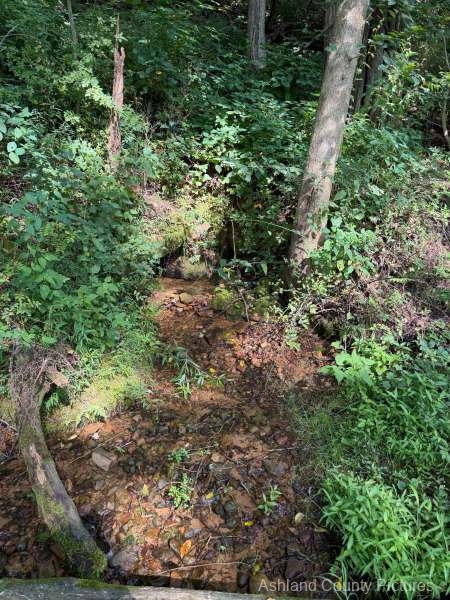
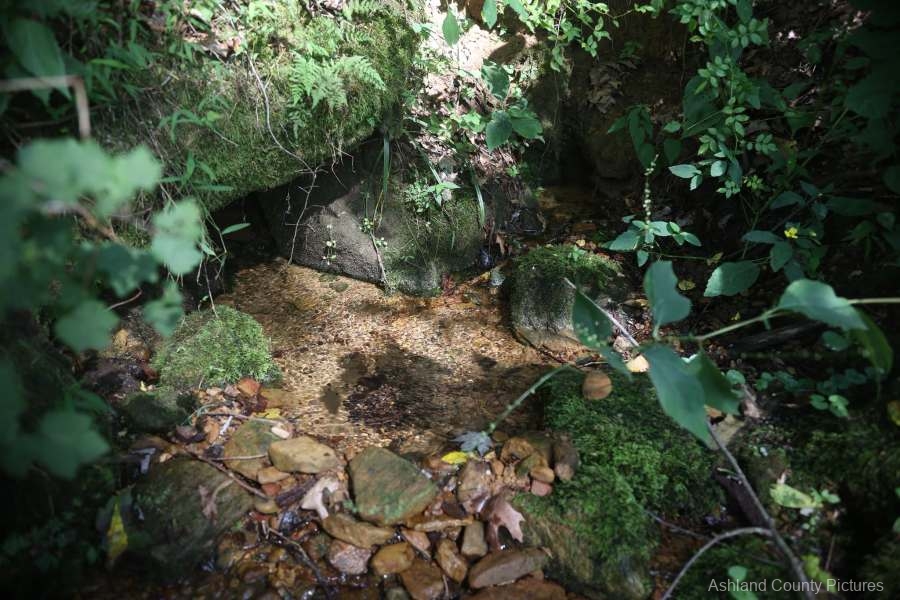
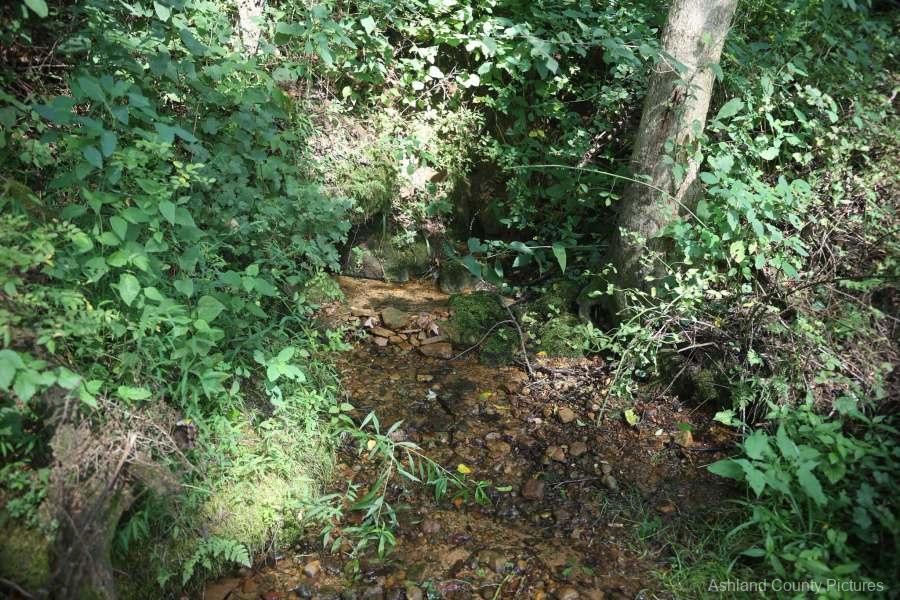
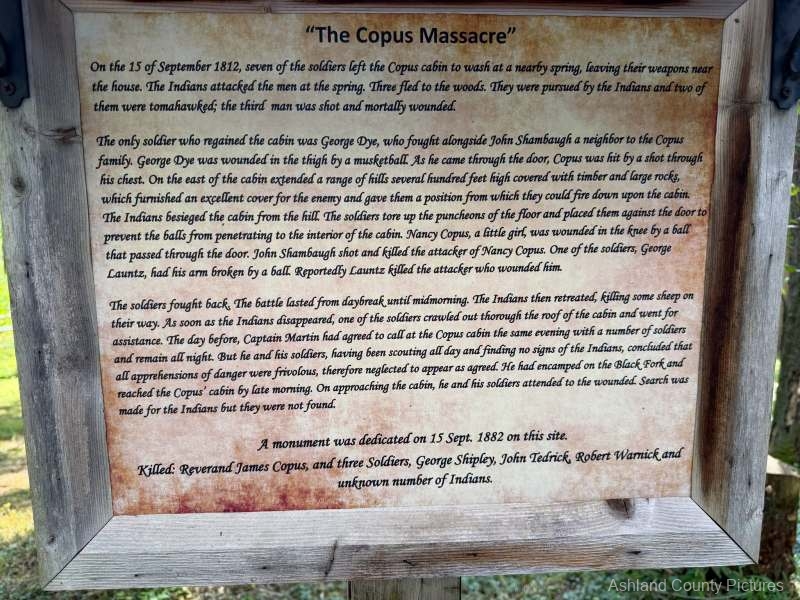
Before daylight on Tuesday, Sept. 15, Copus again invited the soldiers into the cabin. Instead, they walked toward a spring across the lane to wash.
Copus reportedly warned them to carry their guns and gunpowder. Although the soldiers brought their weapons out of the barn, historical accounts say they stacked the guns against the barn before approaching the spring.
At dawn, a large war party emerged from the cornfield, cutting the soldiers off from their weapons.
Copus awakened to the commotion, grabbed his rifle and rushed to the cabin’s front door. As he opened it, he and an attacker reportedly fired almost simultaneously. A musket ball struck Copus in the chest, severing the strap of his powder horn and knocking him backward into the cabin.
Mortally wounded, Copus reportedly survived for approximately another hour, urging the soldiers to protect his wife and children.
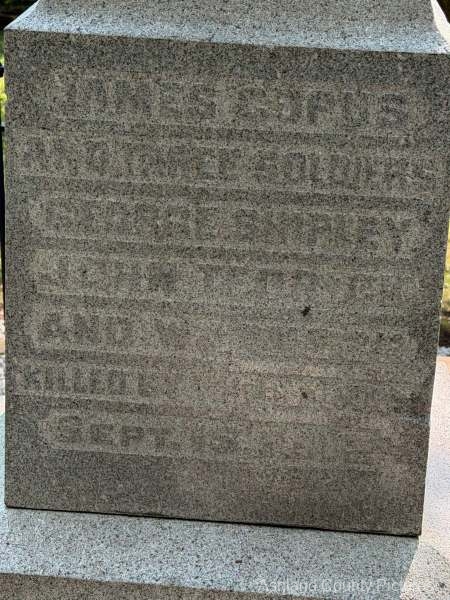
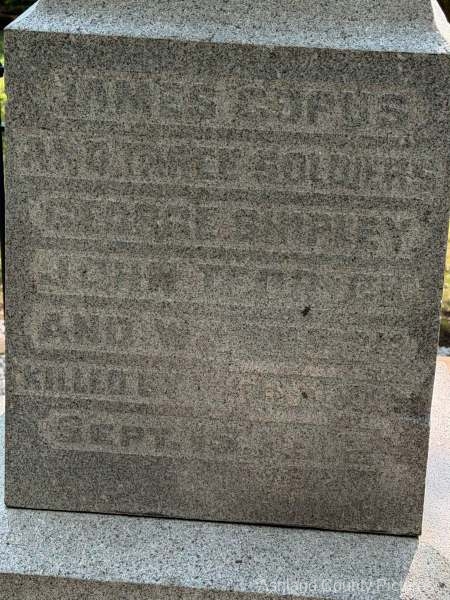
Several soldiers ran toward the woods. George Shipley and John Tedrick were reportedly overtaken and killed. John Warnock reached the forest despite being shot but later died from his wound. His body was discovered approximately two weeks later.
The remaining soldiers reached the cabin, although George Dye suffered a gunshot wound to the thigh as he entered.
Family Trapped During Five-Hour Battle
The attackers used a steep, wooded ridge east of the cabin for cover, firing down at the structure from behind trees and large rocks.
Gunfire tore through the cabin’s front door. Soldiers ripped boards from the floor and used them to reinforce it against the incoming musket balls.
The battle reportedly continued for approximately five hours.
Copus’ 15-year-old daughter, Nancy, was struck in the knee by a ball that passed through the door. Soldier George Launtz suffered a broken arm while removing clay chinking from between the cabin’s logs to create a firing position.
Unable to take the cabin, the attackers eventually withdrew. Historical accounts say they carried their dead and wounded away while killing sheep gathered near the barn.
After the gunfire stopped, one soldier cautiously removed wooden shakes from the cabin’s roof, slid down the back wall and ran toward Beam’s blockhouse for help.
Along the way, he encountered Capt. Martin, who had promised to check on the family and was scouting along the Black Fork River.
When Martin and his soldiers arrived, they found the cabin yard marked by the aftermath of the battle. Scouts followed the attackers’ path along the bluff and down a ravine toward the south, but the group had gained an estimated three-hour lead. The soldiers decided against pursuing them.
Investigators reportedly found approximately 45 fire pits in the cornfield where members of the war party had roasted corn during the night. That discovery led to estimates that about 45 people participated in the attack.
Family Eventually Returns to Ashland County
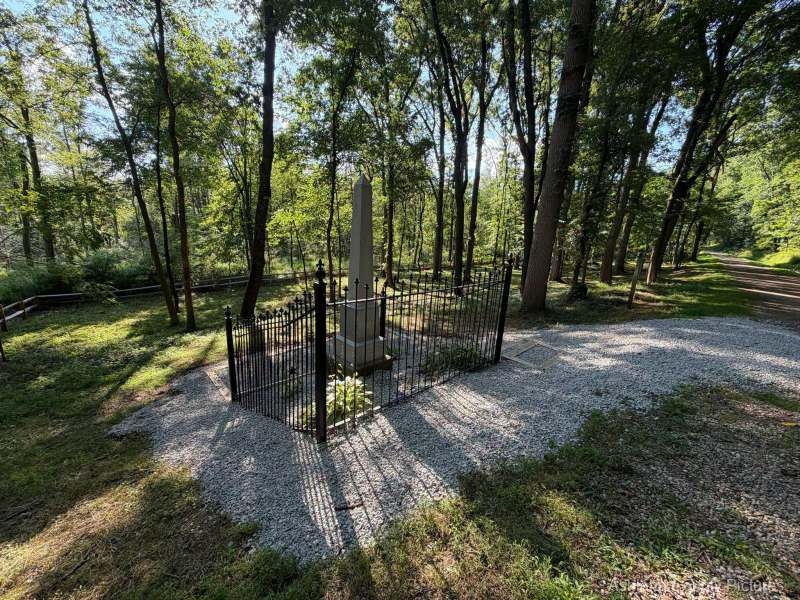
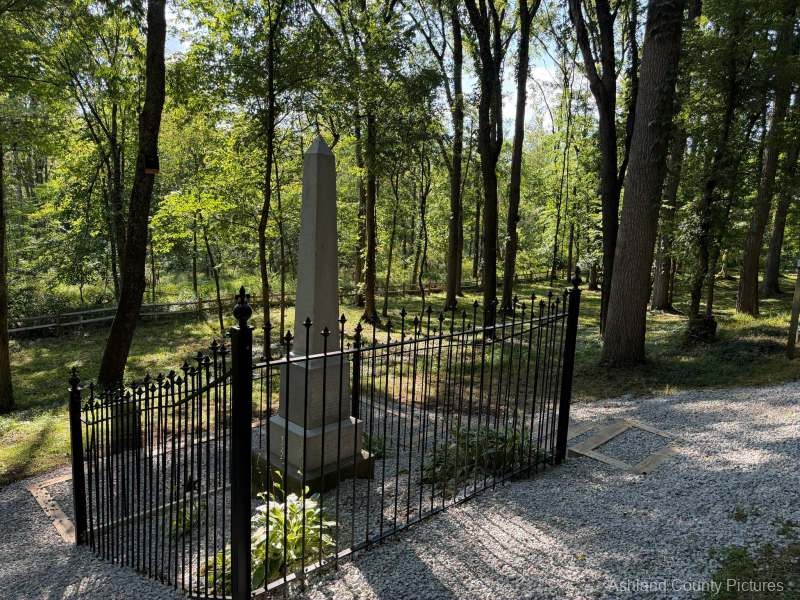
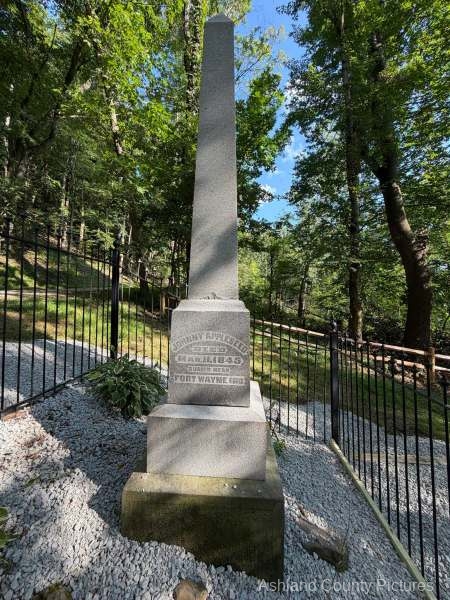
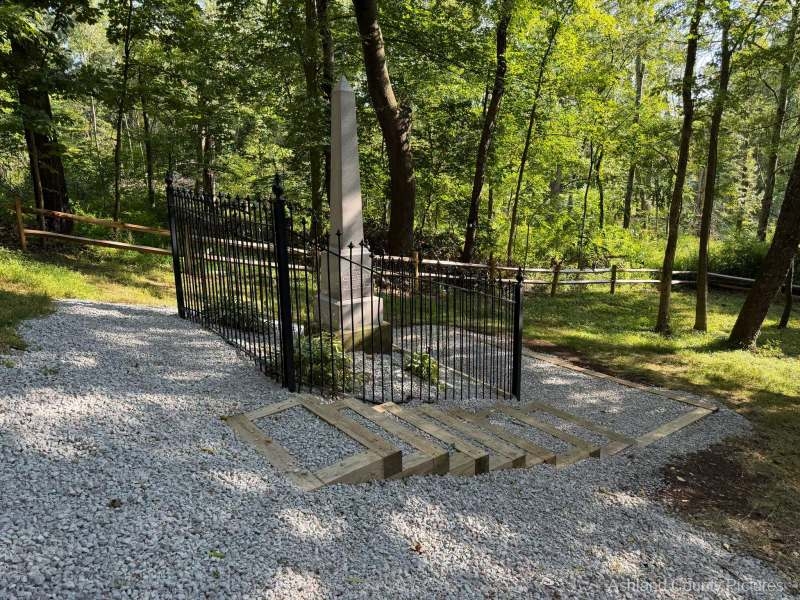
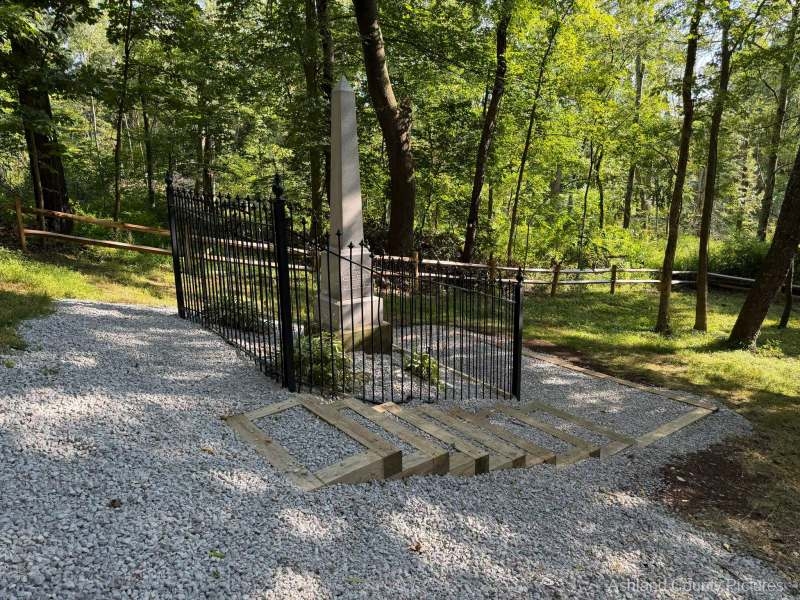
Copus and two of the slain soldiers were buried together near an apple tree a short distance from the cabin. Capt. Martin then escorted the family and wounded soldiers approximately 13 miles to Beam’s blockhouse.
Several weeks later, Henry Copus and six soldiers returned and found Warnock’s body in the woods. They also reportedly discovered the remains of two wounded attackers devoured by wolves.
On the evening following the Copus attack, the nearby Newell, Cuppy and Fry cabins were burned. The families survived because they had already sought protection at a blockhouse.
Mrs. Copus and her children remained at Beam’s blockhouse for several months before traveling to Guernsey County to stay with relatives. The family returned to Ashland County in 1815.
The forced removal and destruction of Greentown, followed by the killings of settlers and the attack on the Copus family, illustrate how wartime rumors, racial distrust, displacement and retaliation engulfed the Ohio frontier.
More than two centuries later, details of the Copus Massacre remain disputed. What is clear is that fear and violence brought suffering to Indigenous residents and settler families alike during one of the darkest periods in the region’s early history.
Next in the series: The Zimmer Massacre in Ashland County.
Sources cited by the author:
History of Ashland County* by A.J. Baughman, published in 1909
History of Ashland County* by George William Hill
Philip Seymour; or, Pioneer Life in Richland County* by the Rev. James F. McGaw, published in 1858