
Where Rubber Meets the Road: Ashland County Deputies Push Their Skills and Cruisers to the Limit
Controlled driving exercises at Ashland County Airport bring squealing tires, wailing sirens and real-world pressure to sheriff’s office training
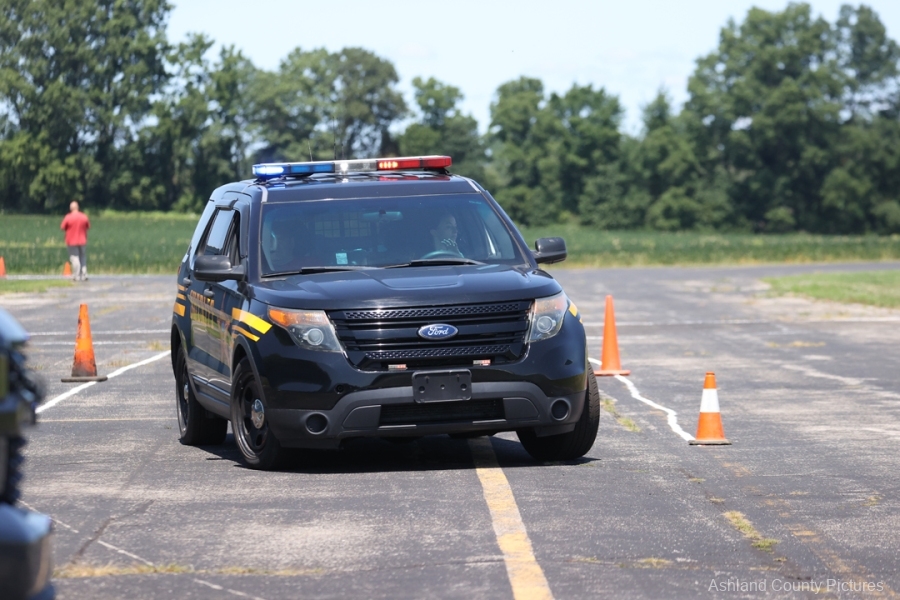
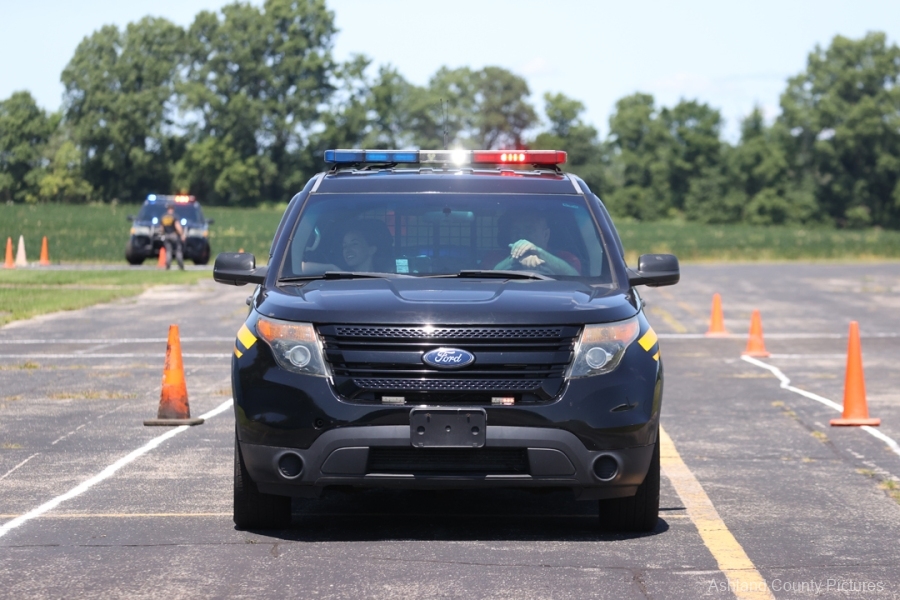
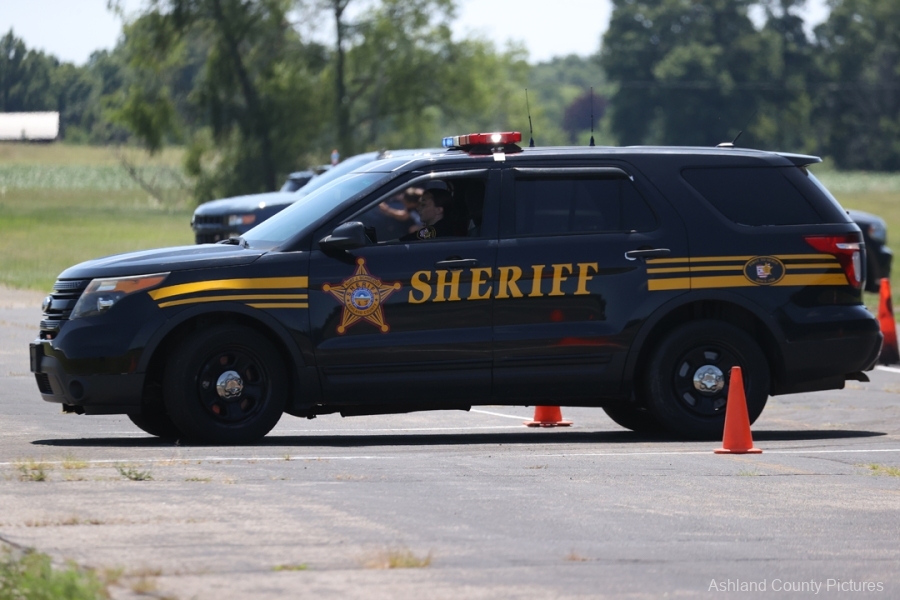
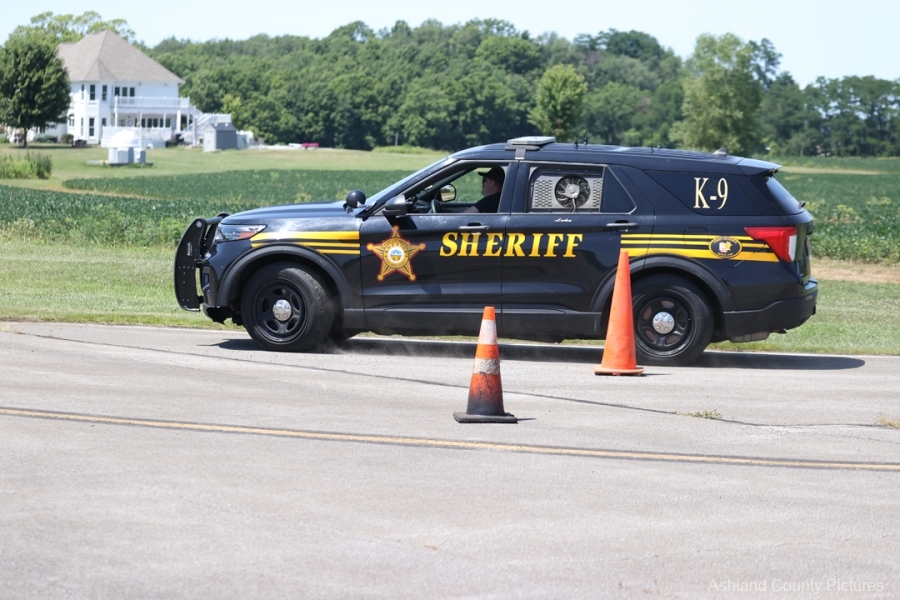
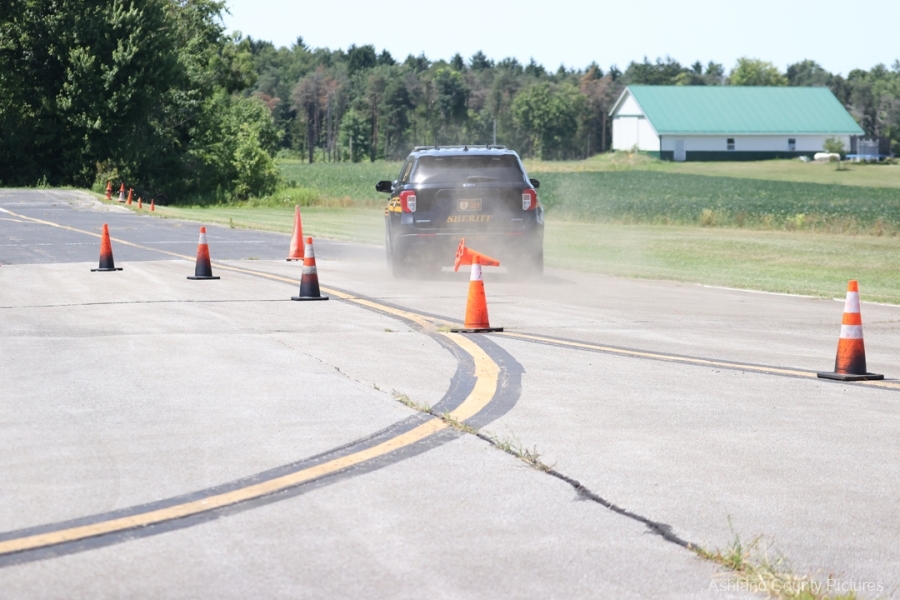
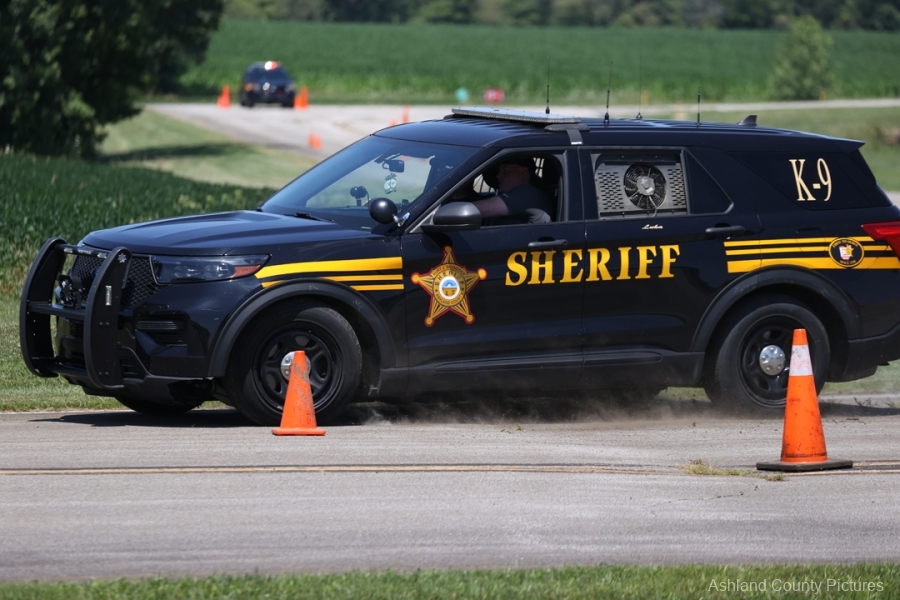
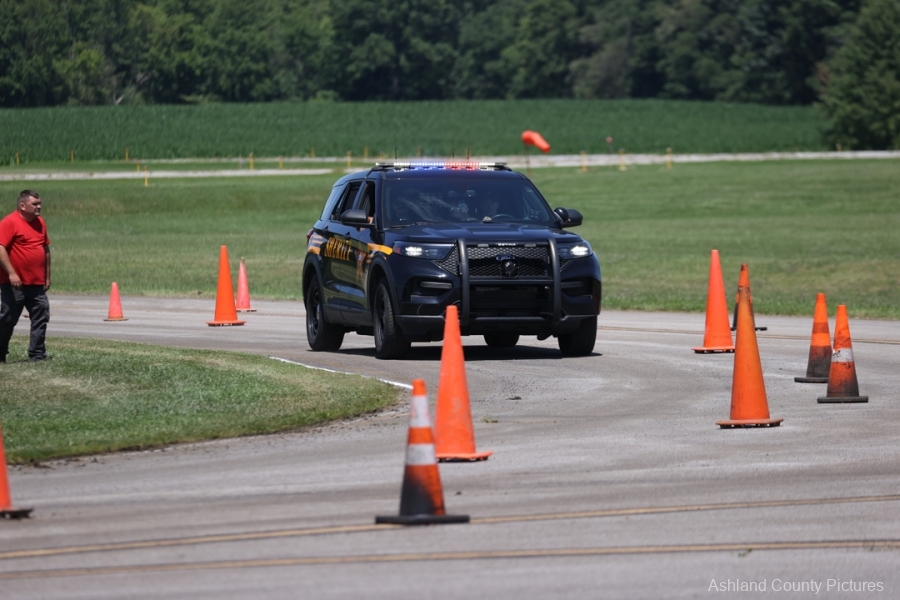
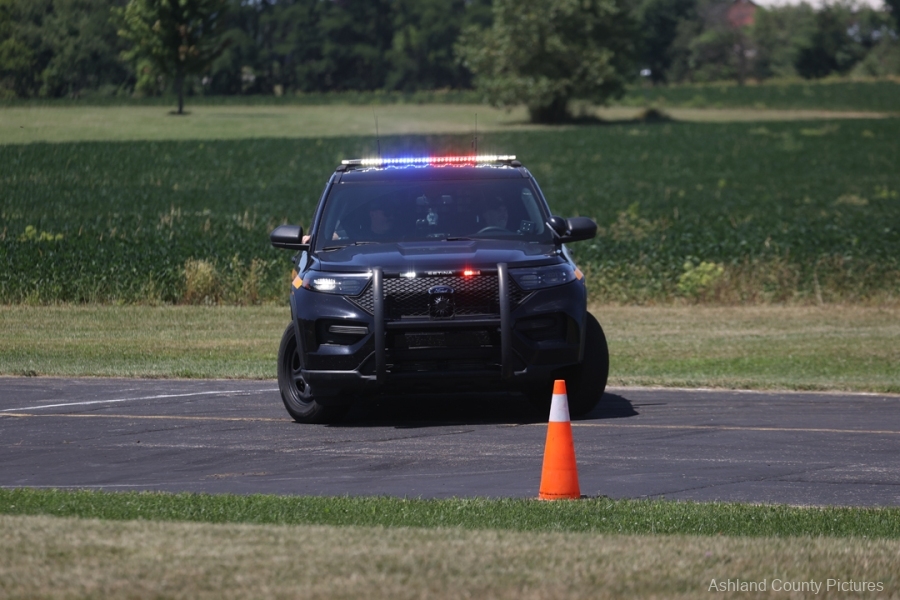
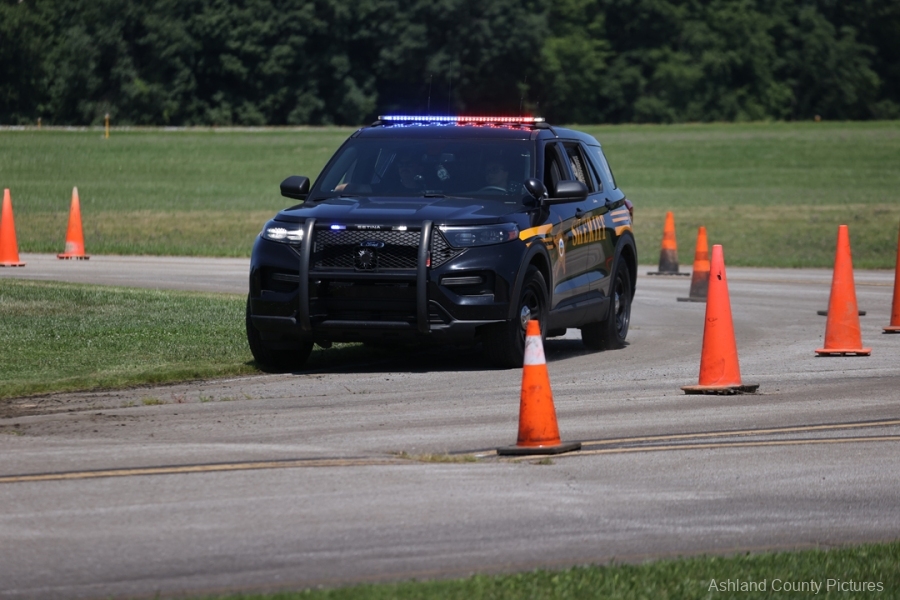
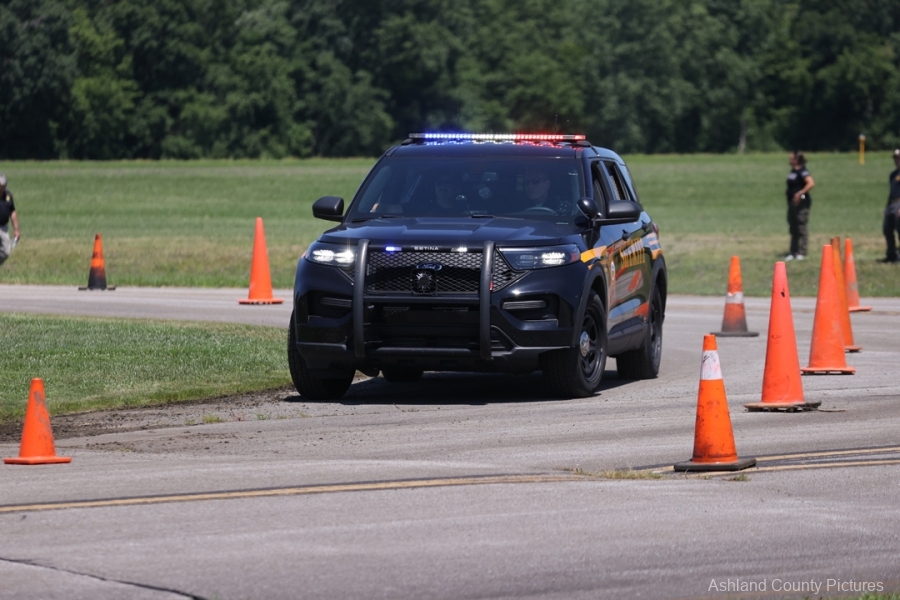
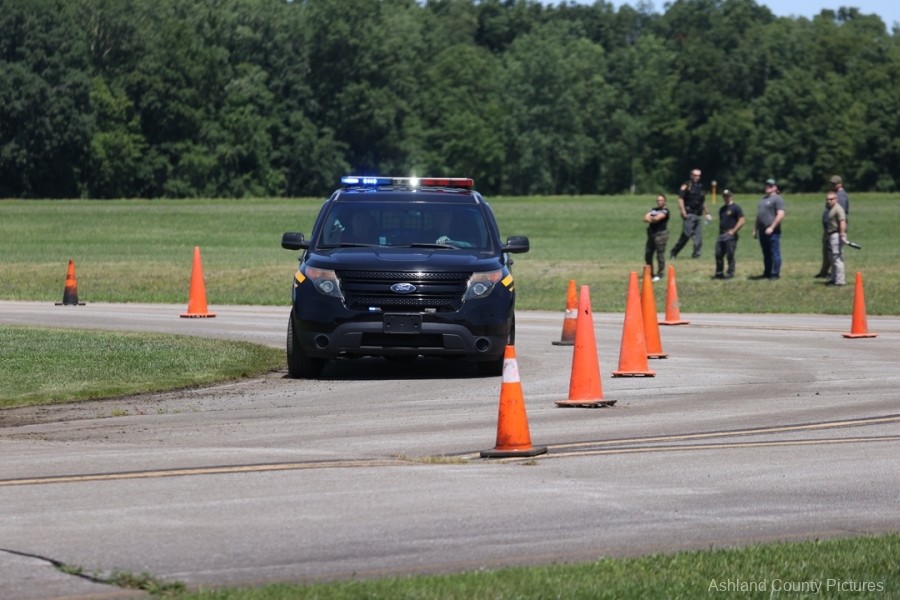
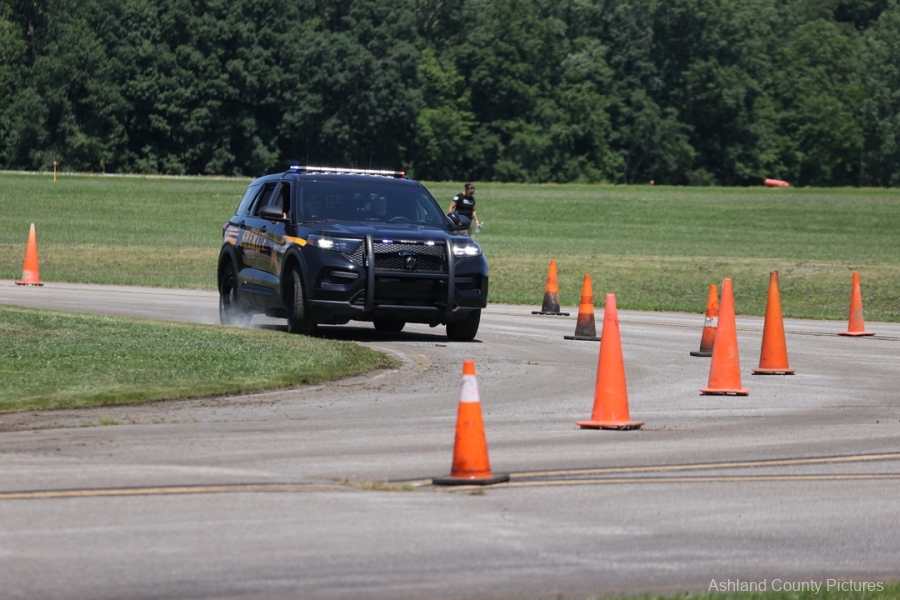
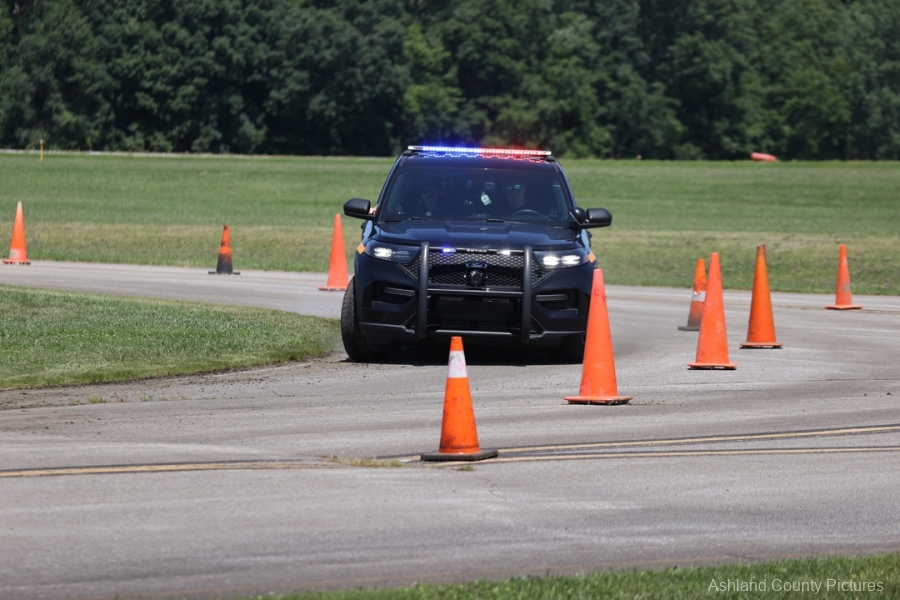
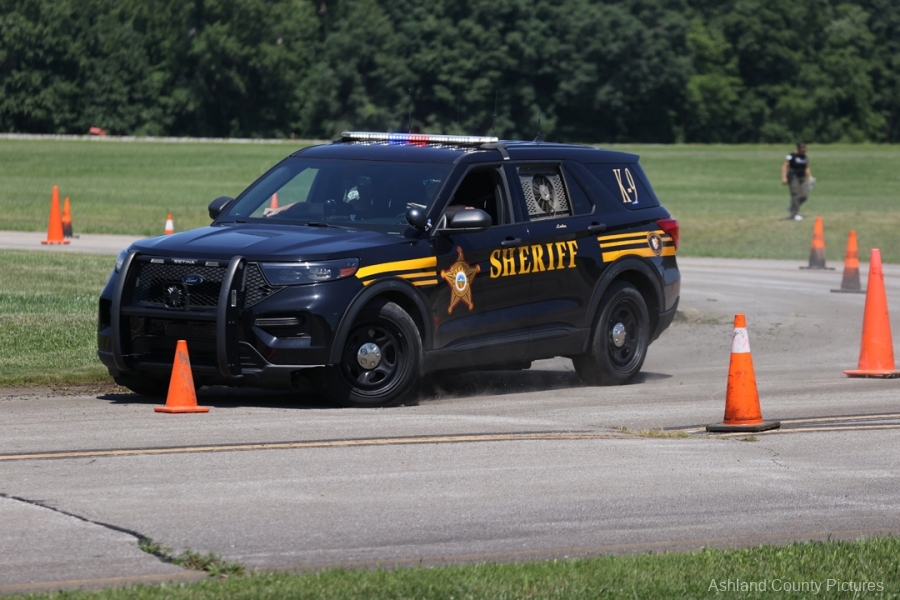
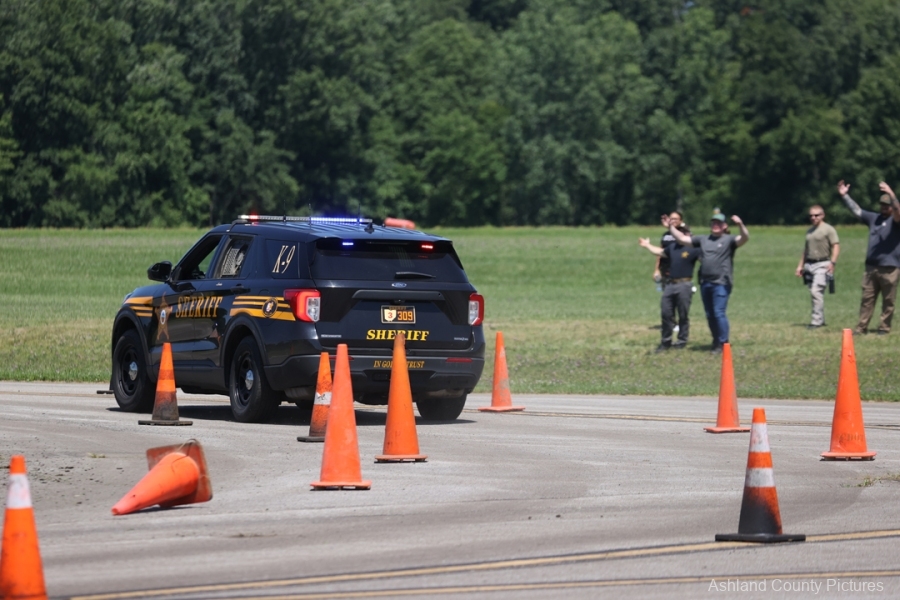
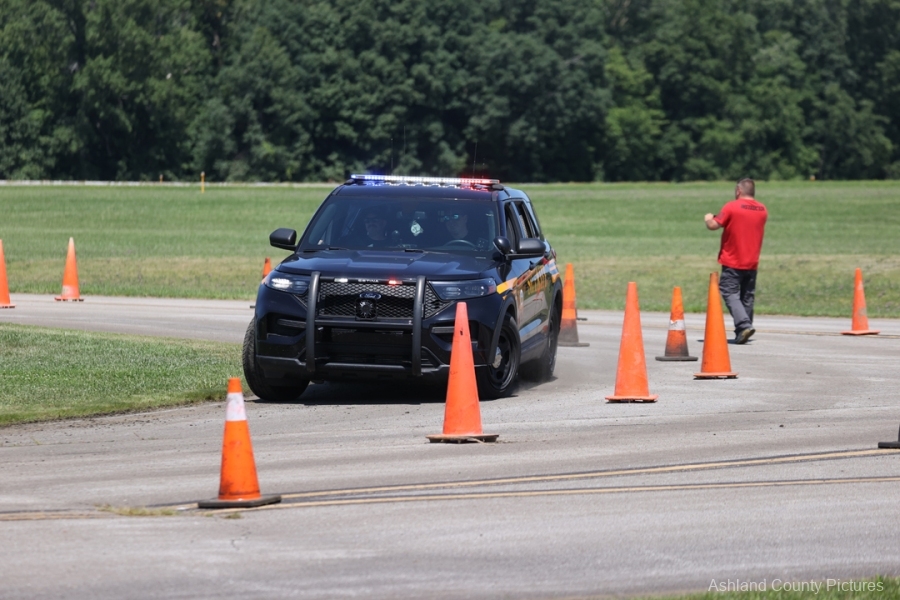
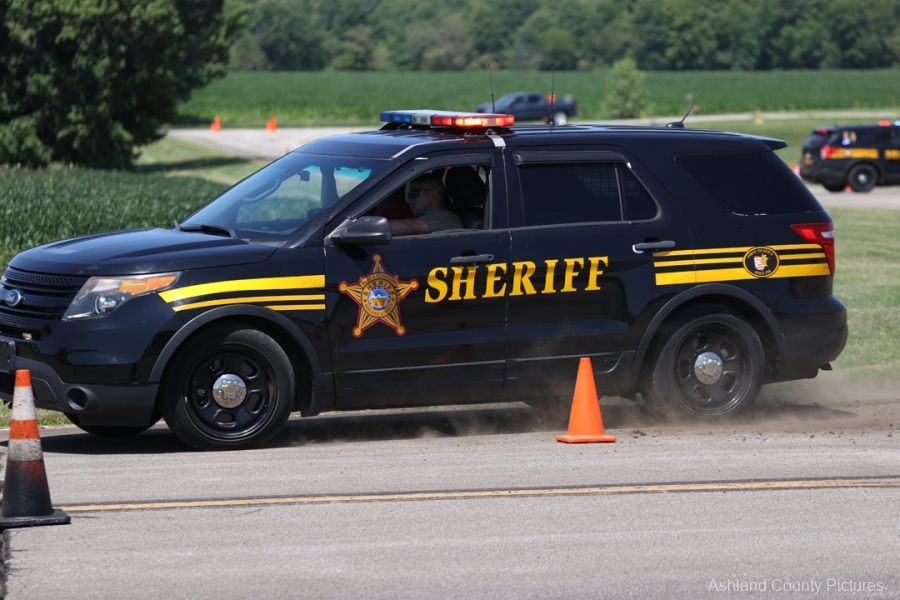
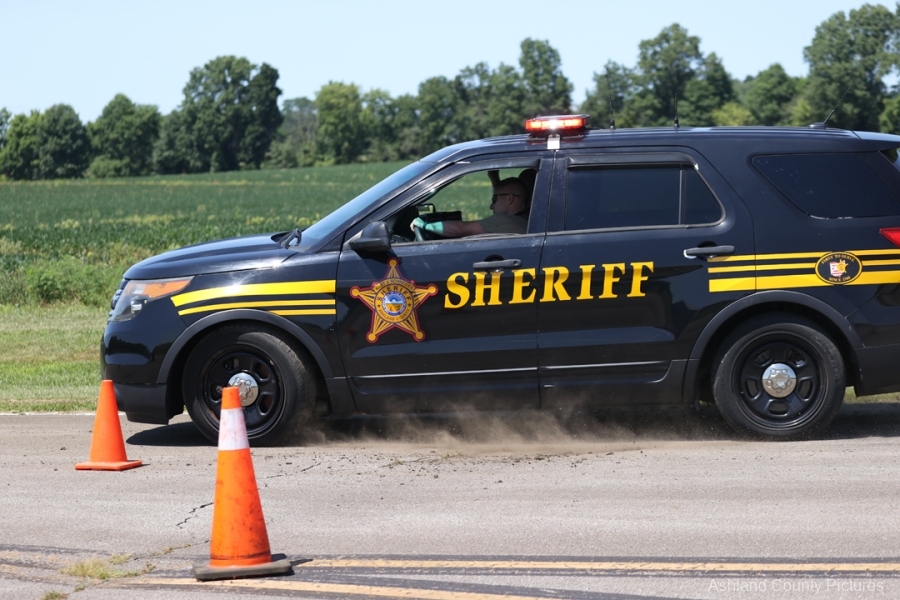
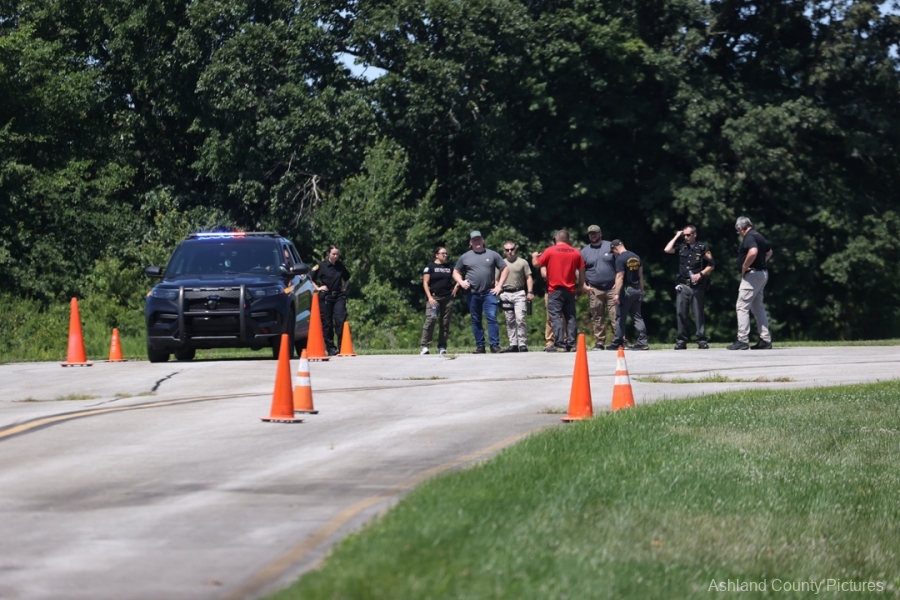
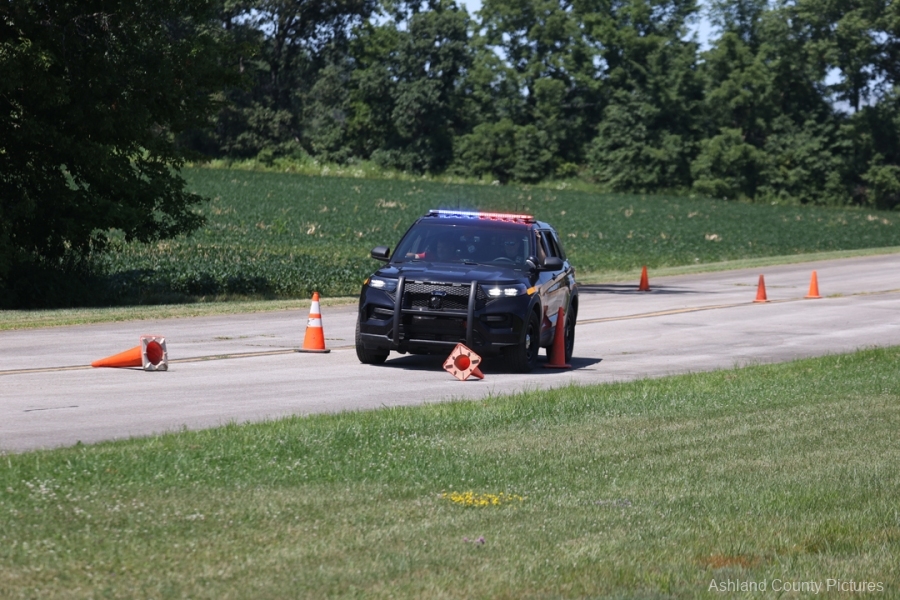
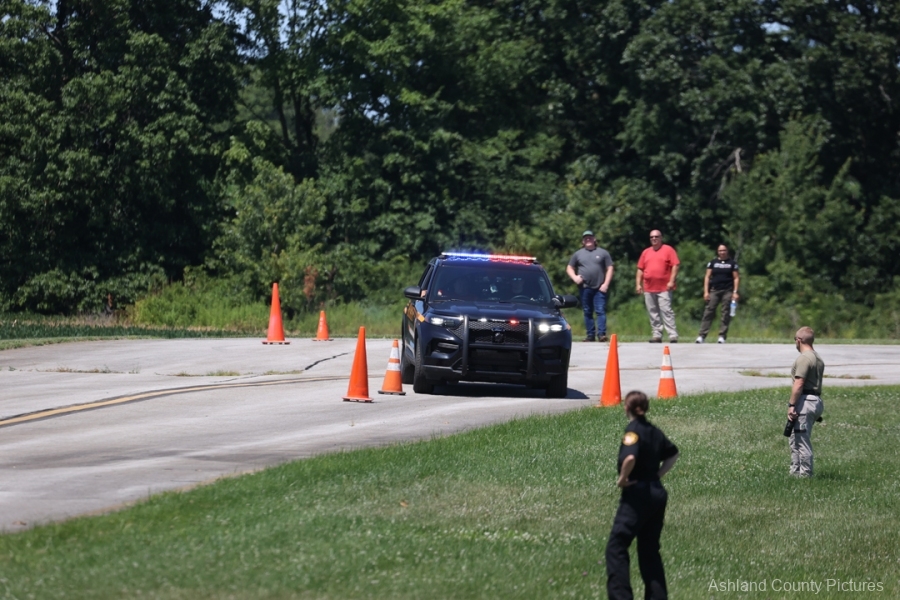
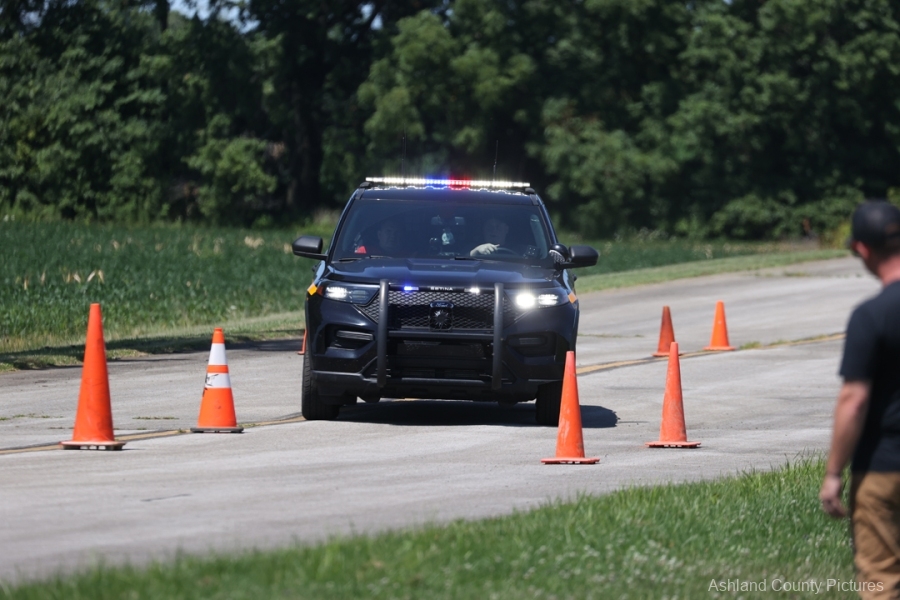
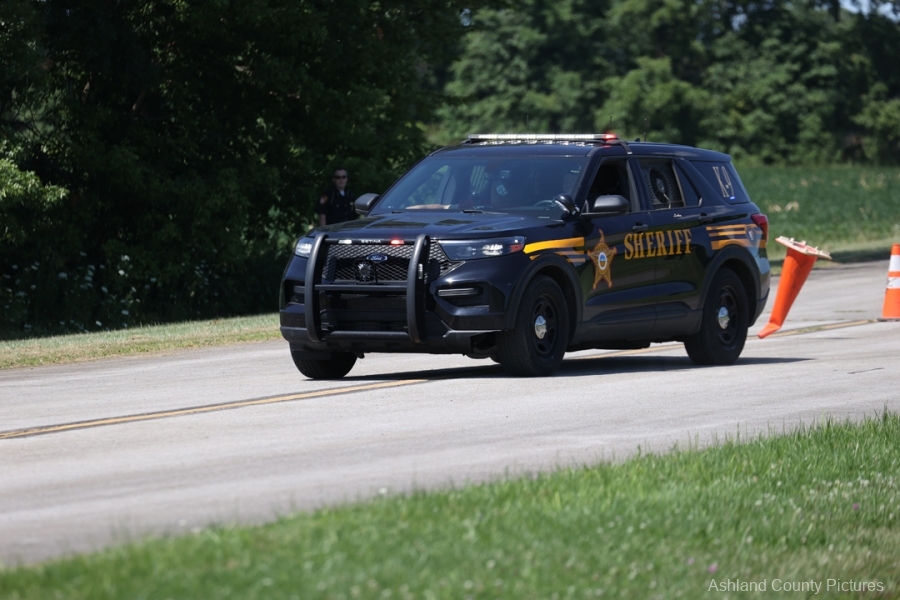
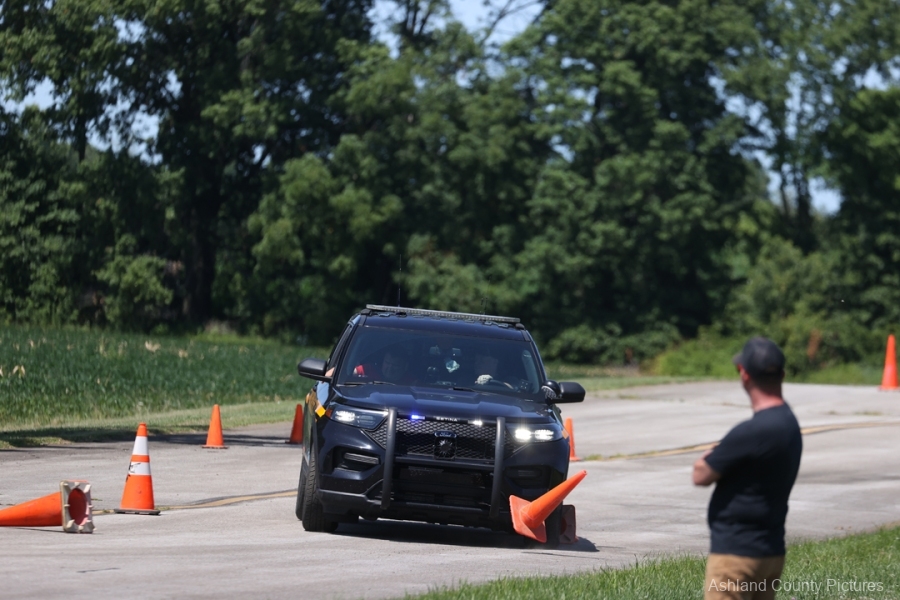
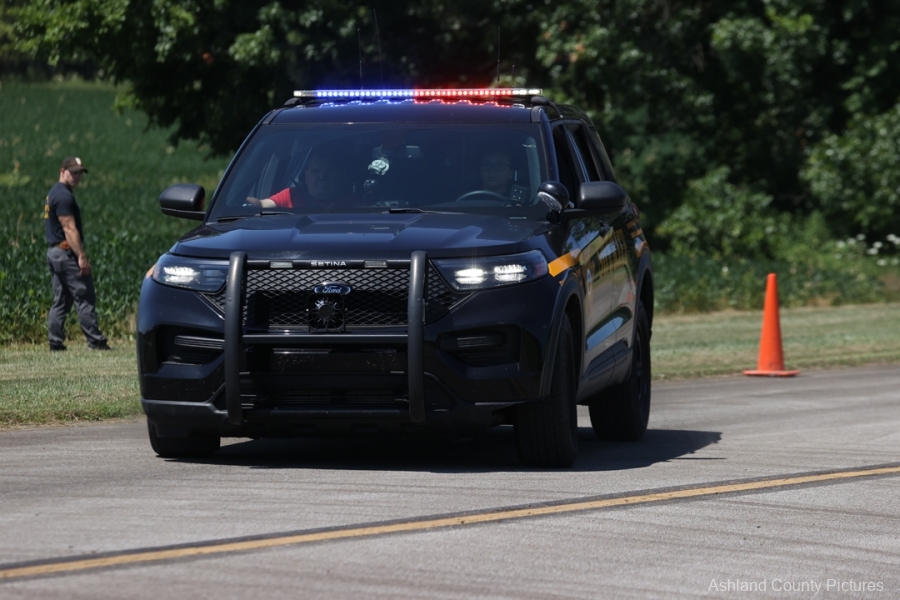
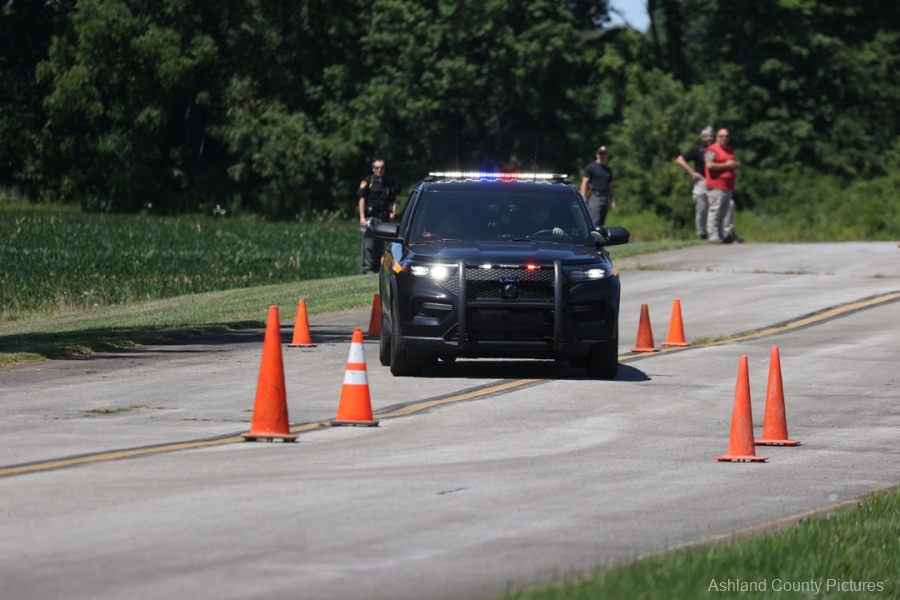
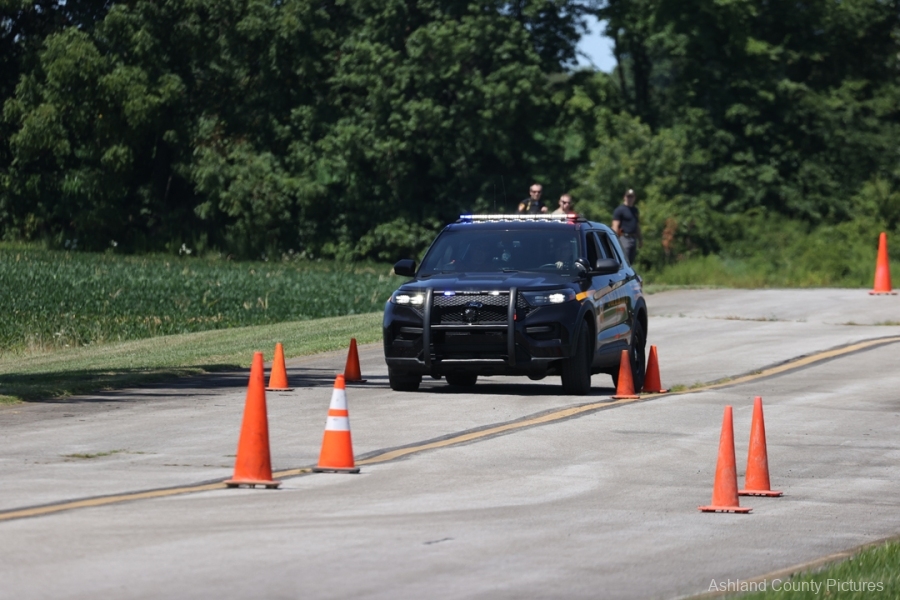
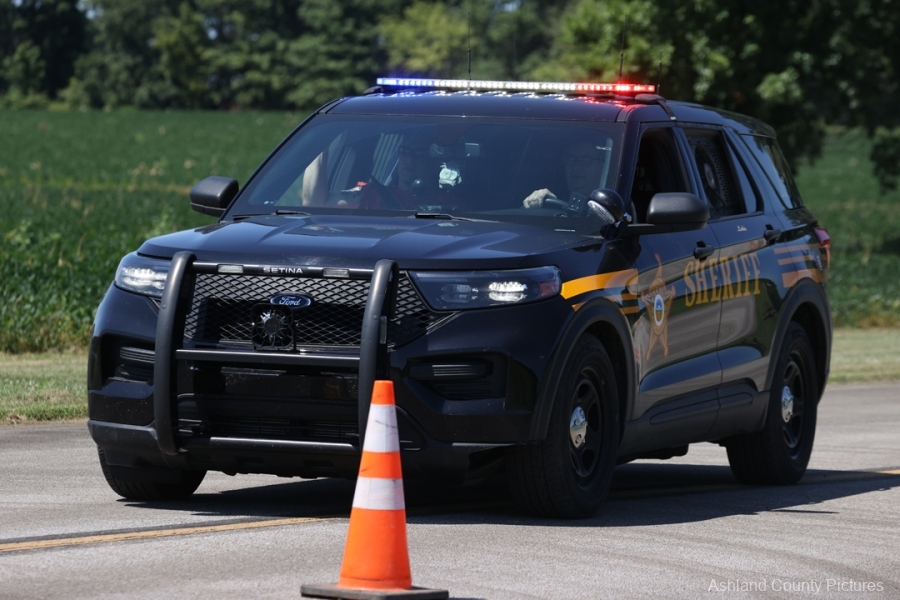
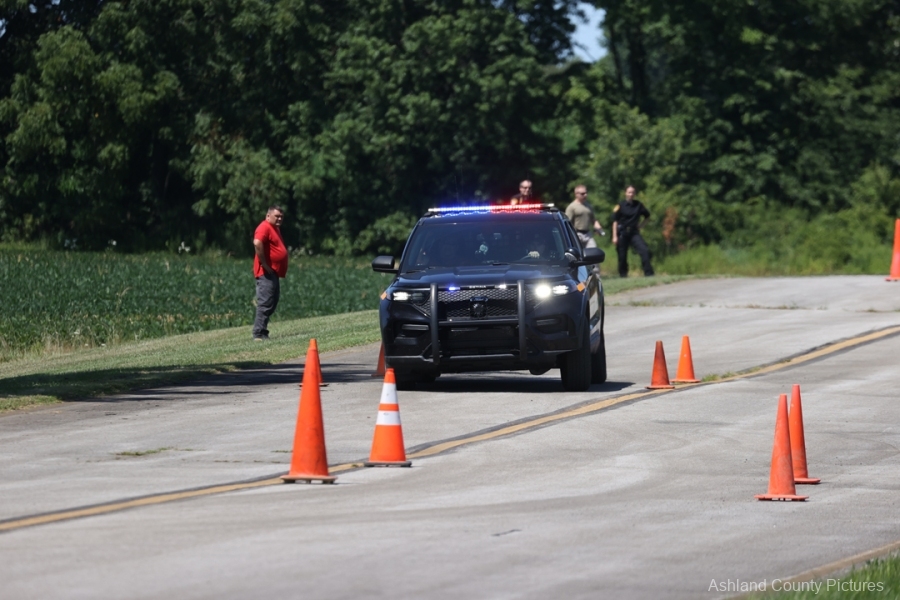
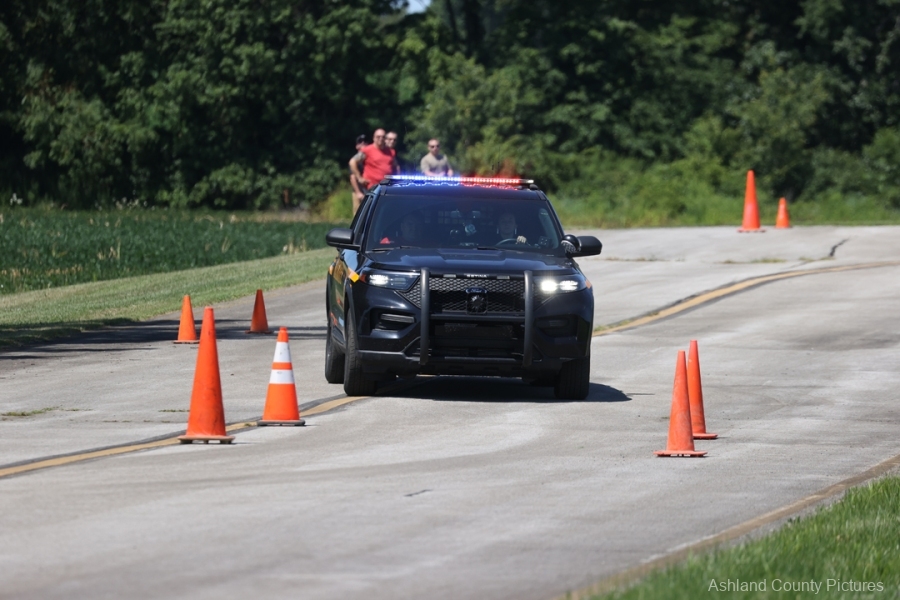
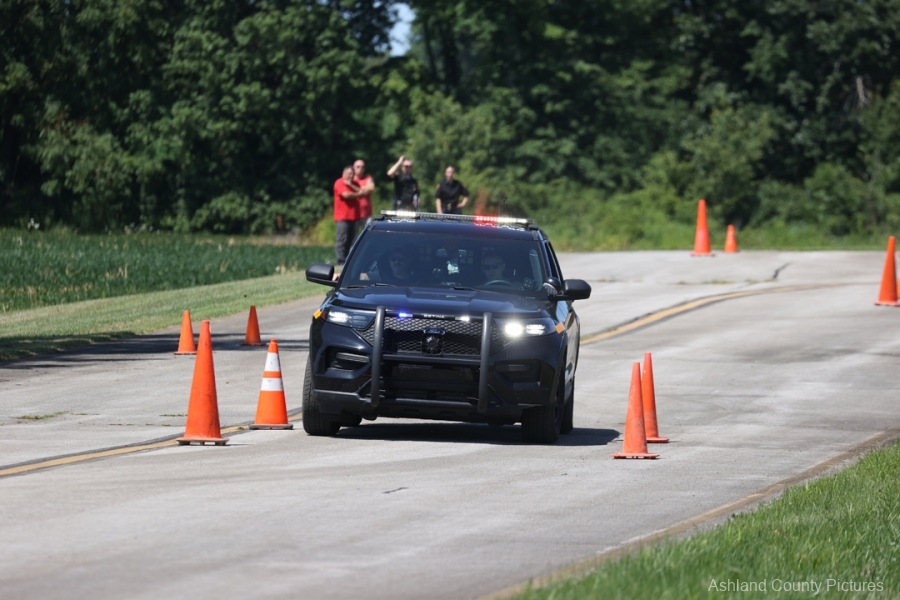
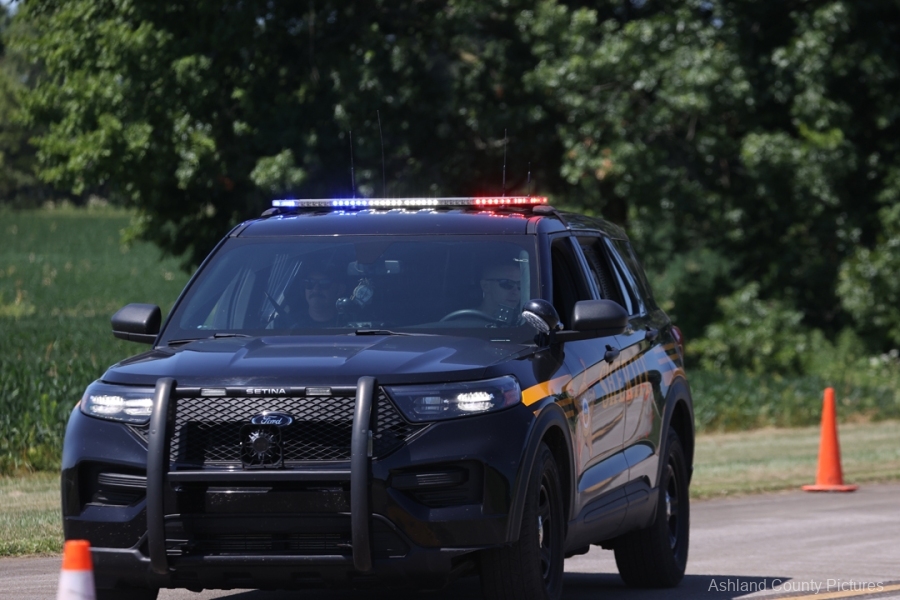
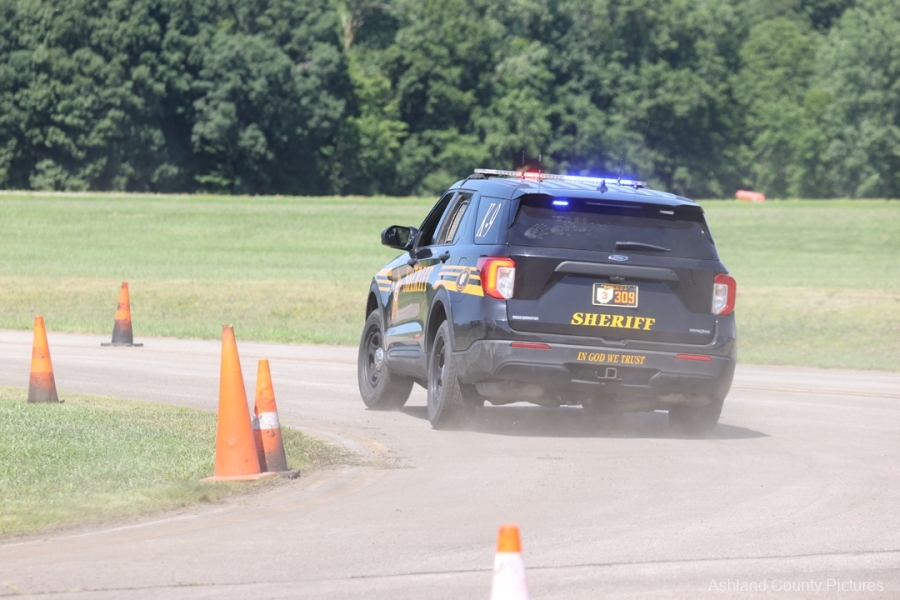
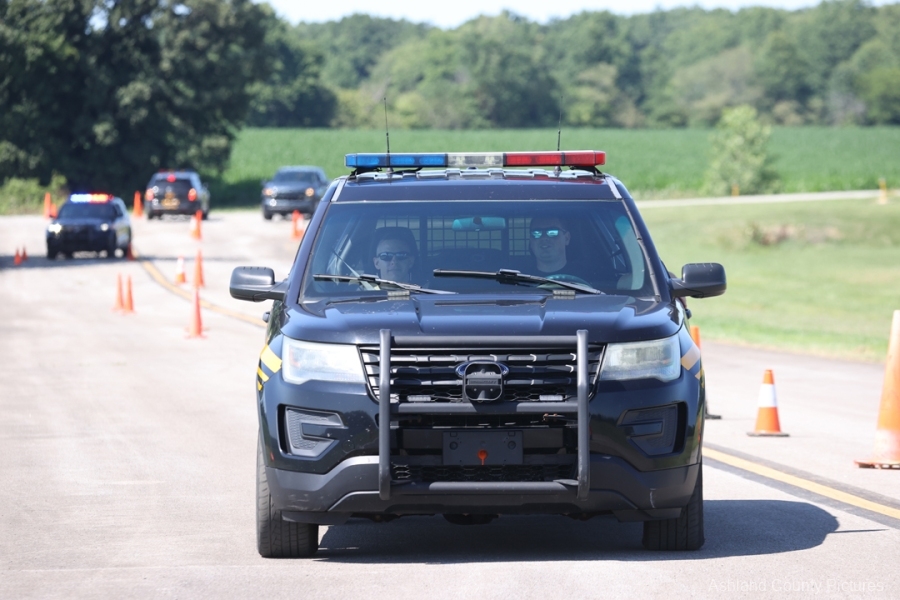
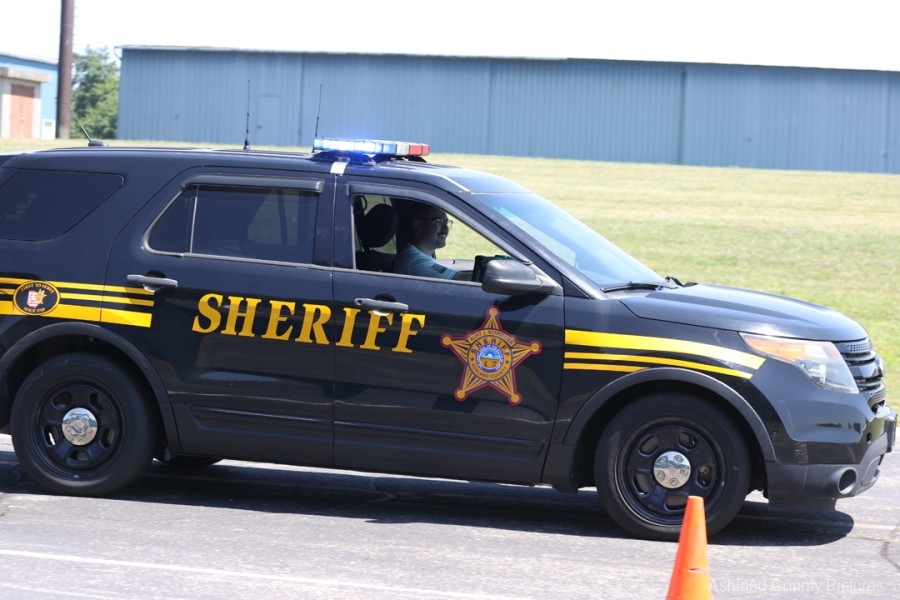
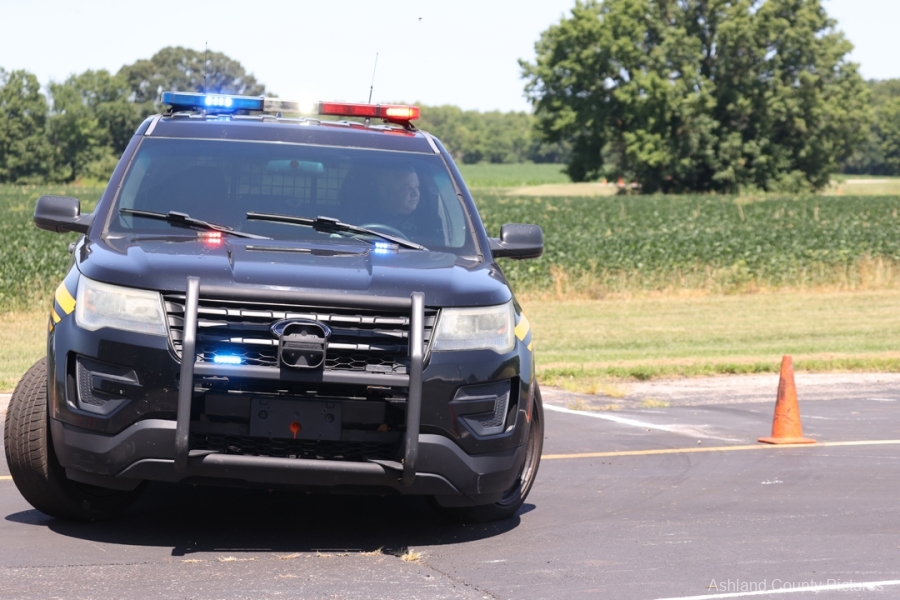
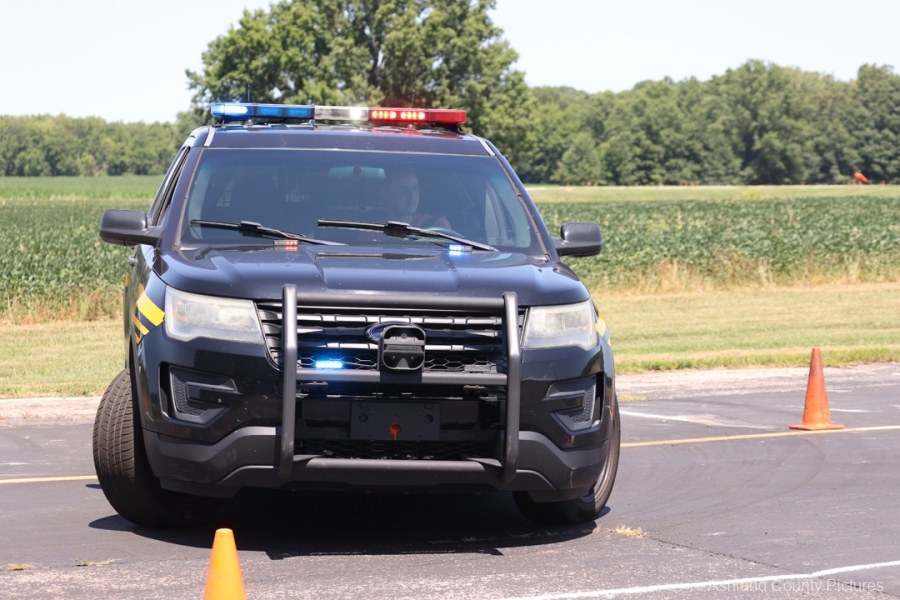
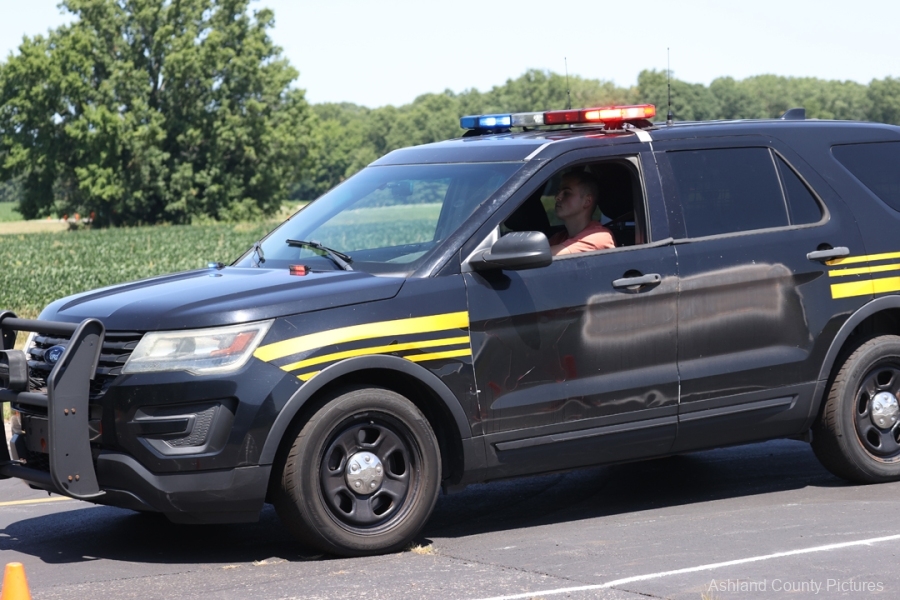
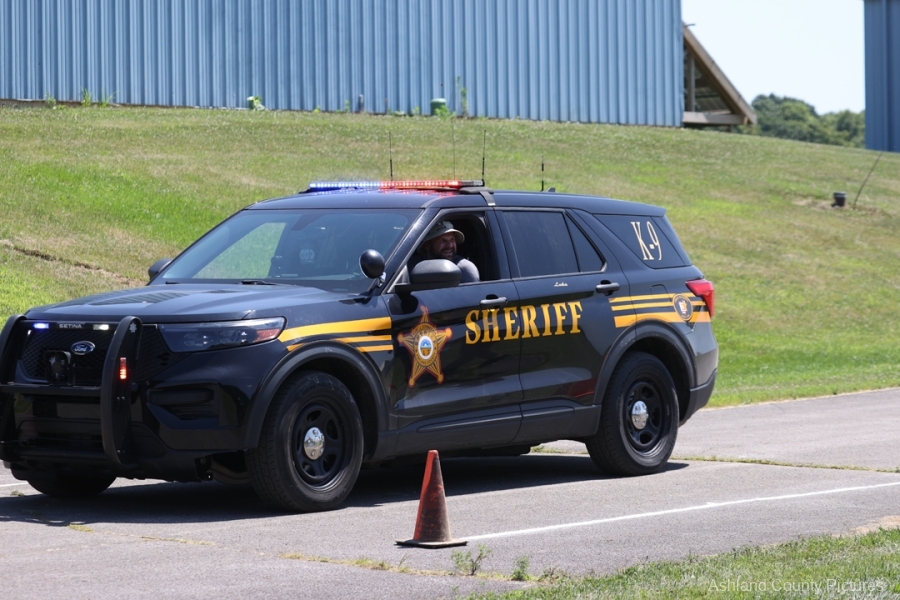
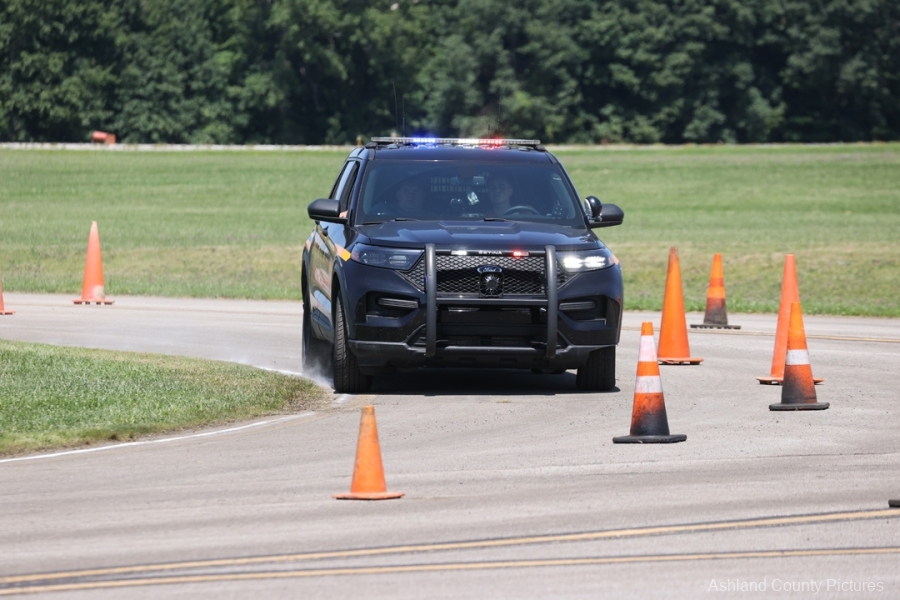
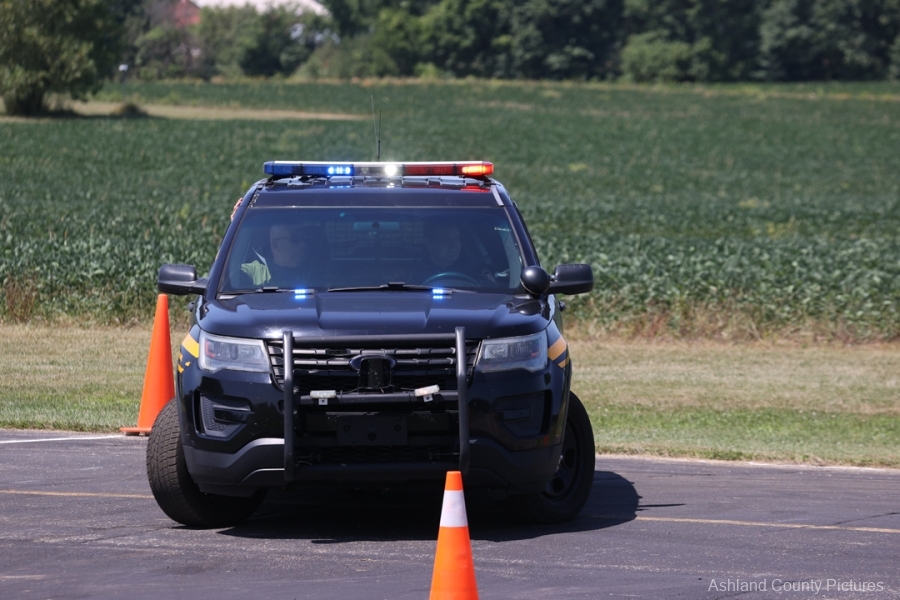
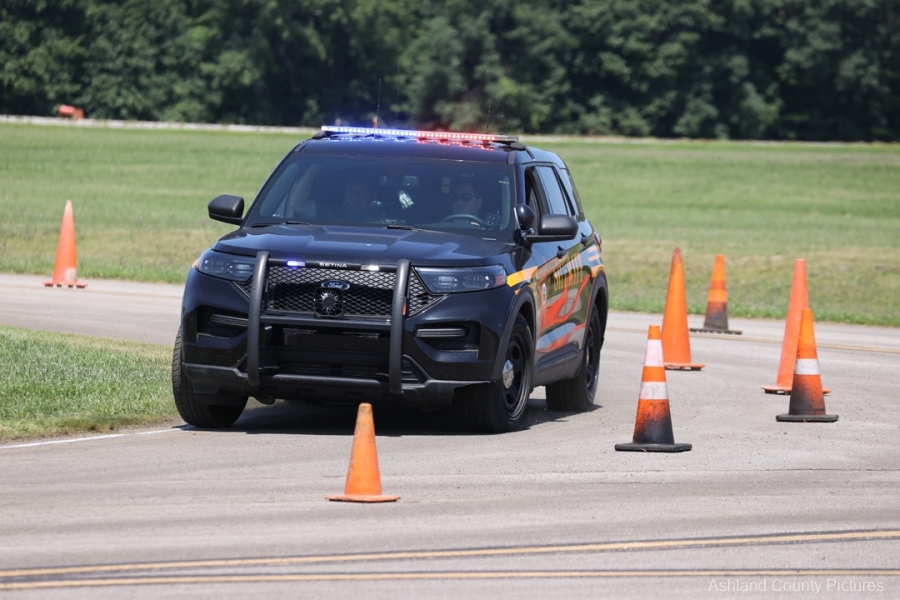
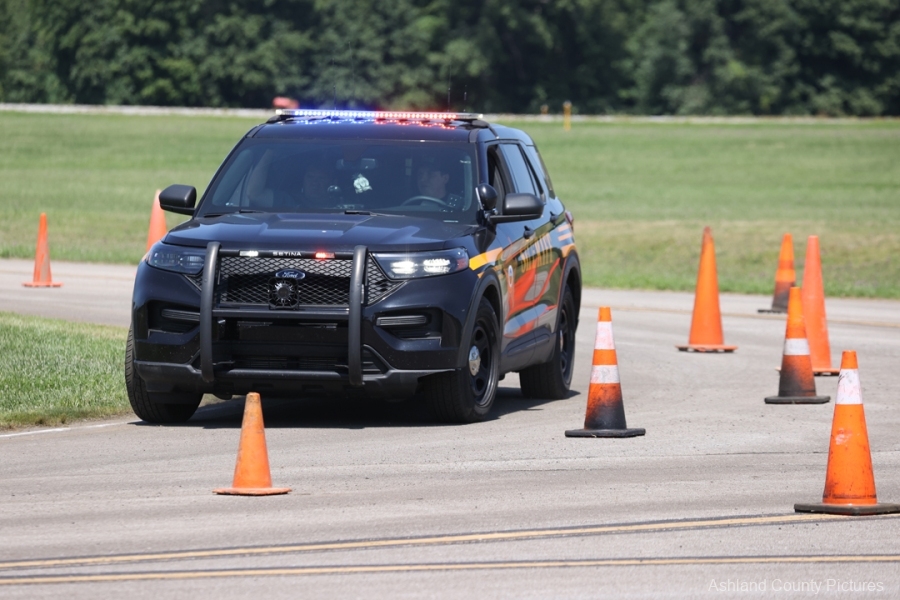
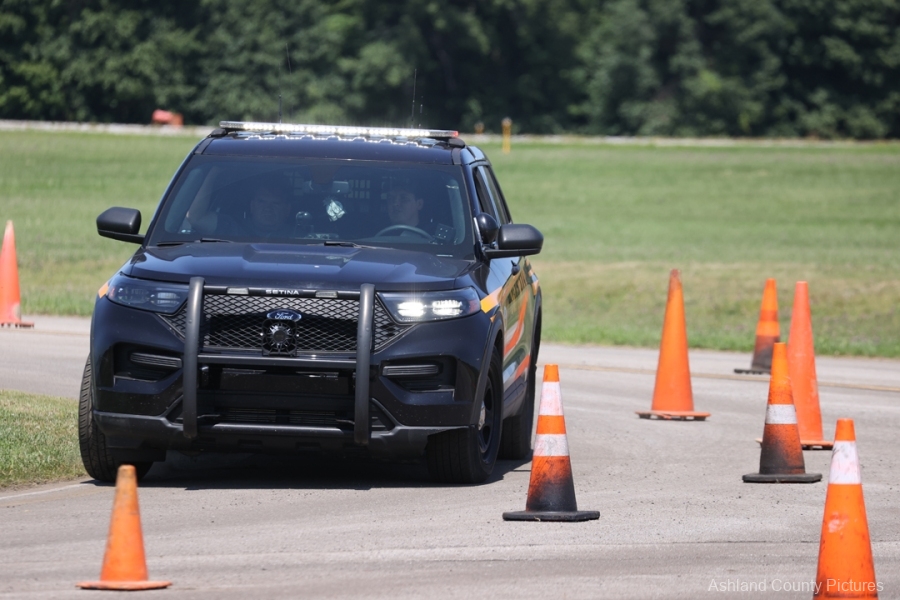
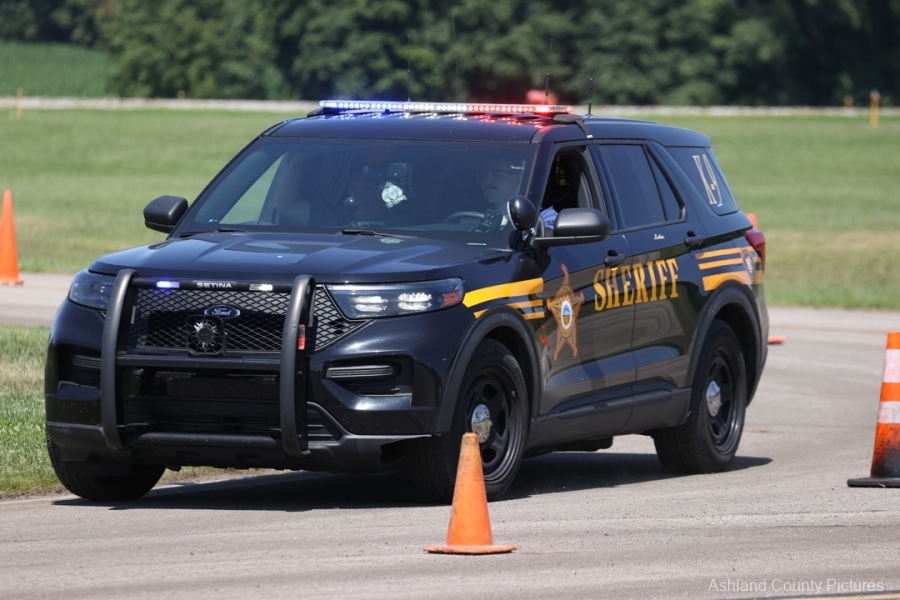
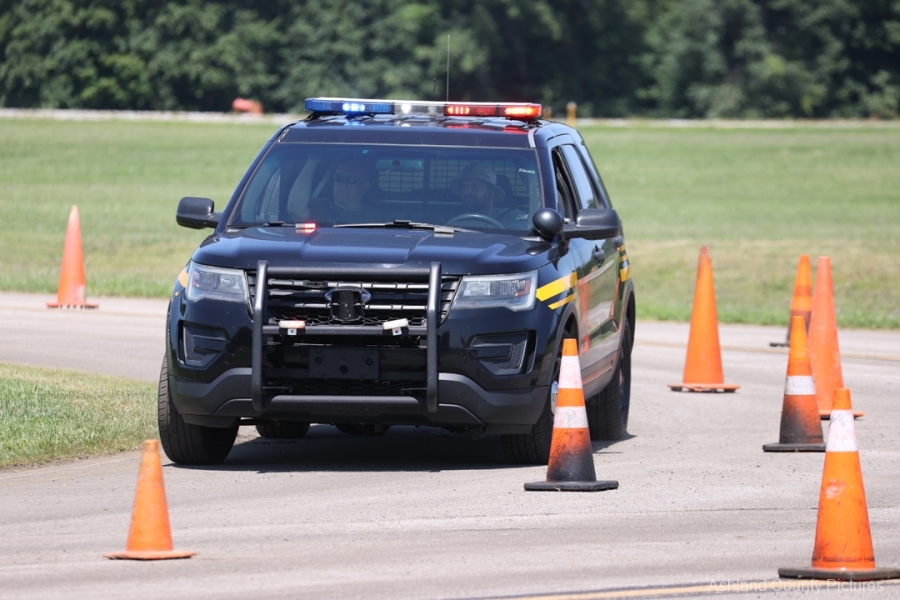
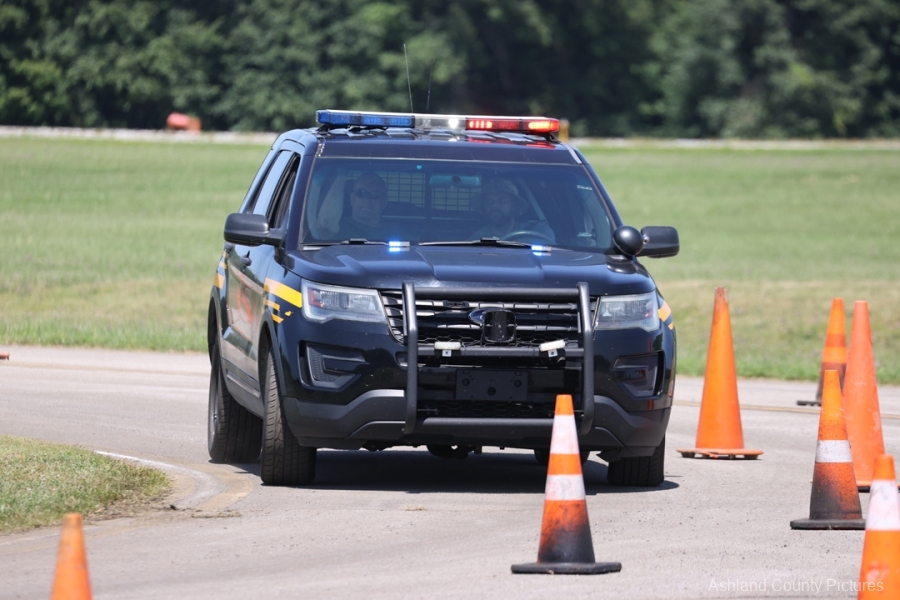
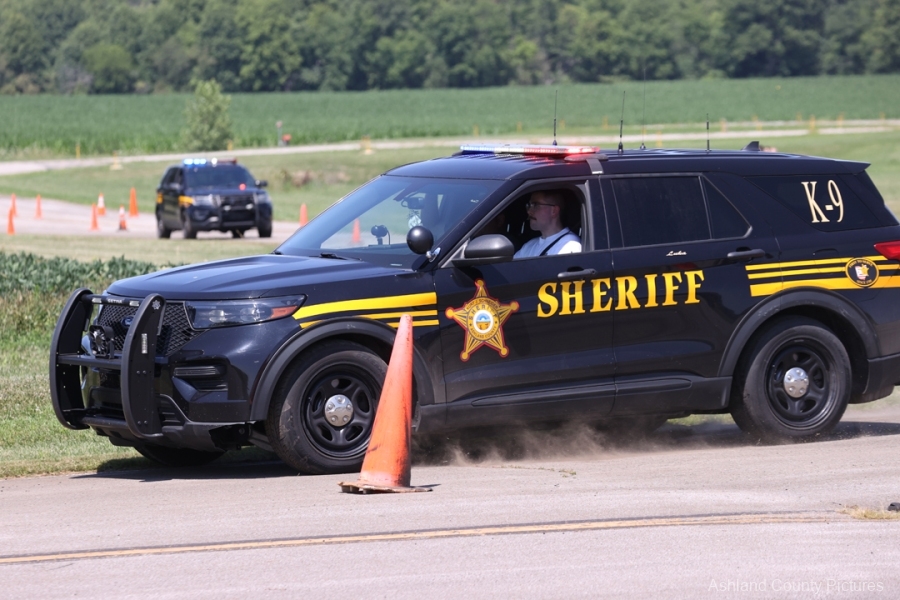
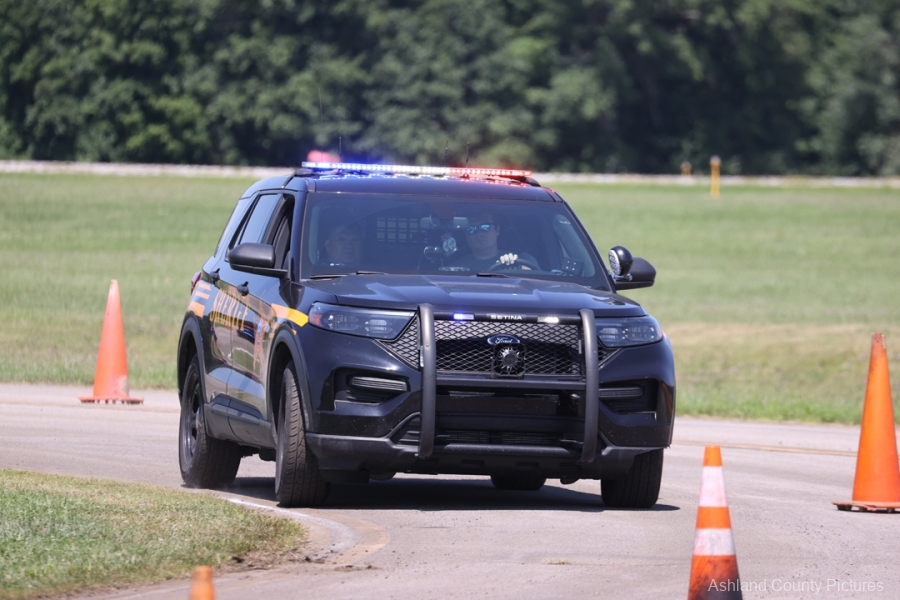
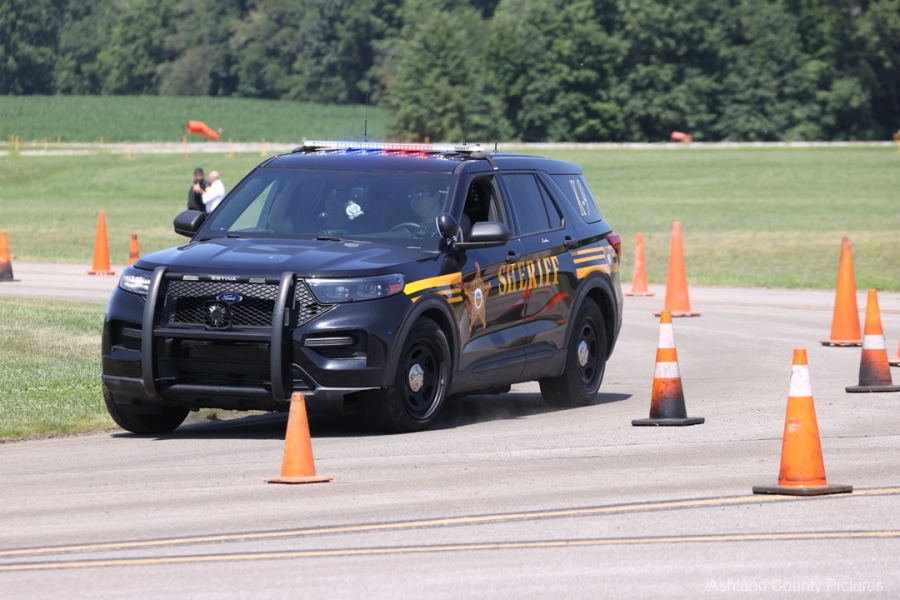
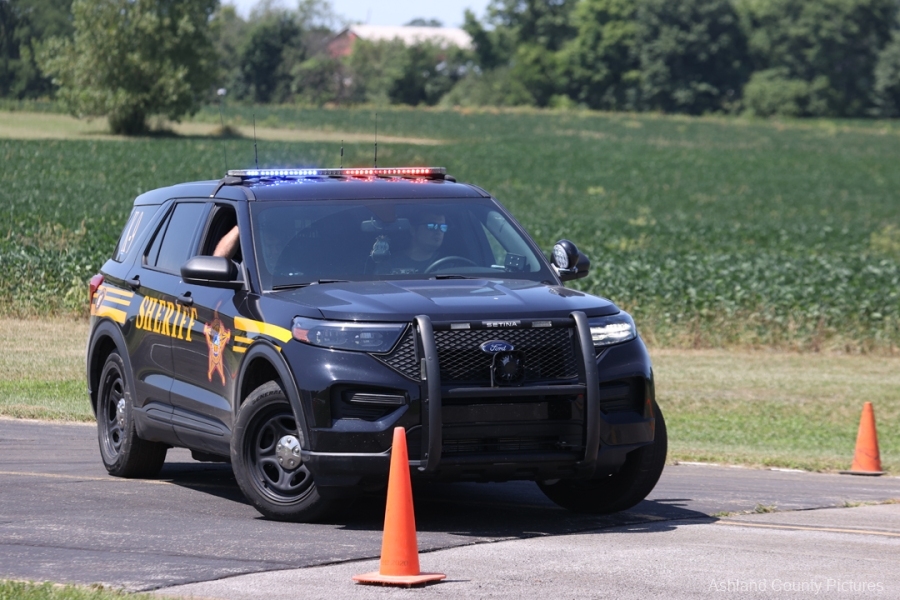
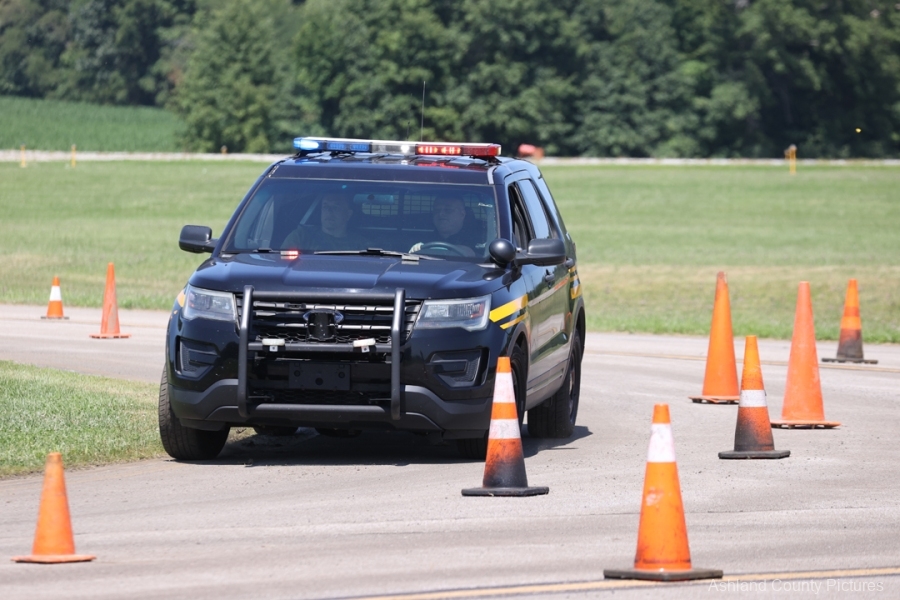
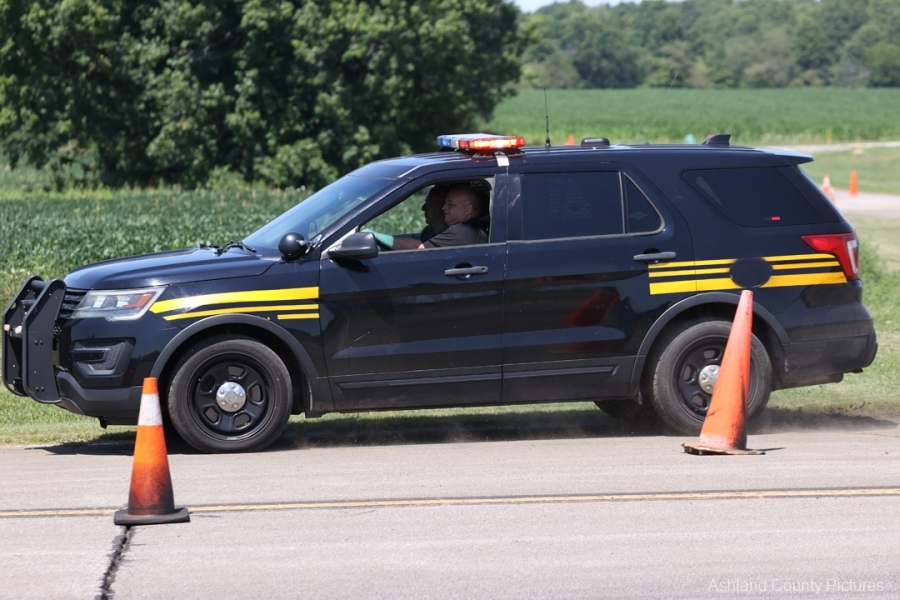
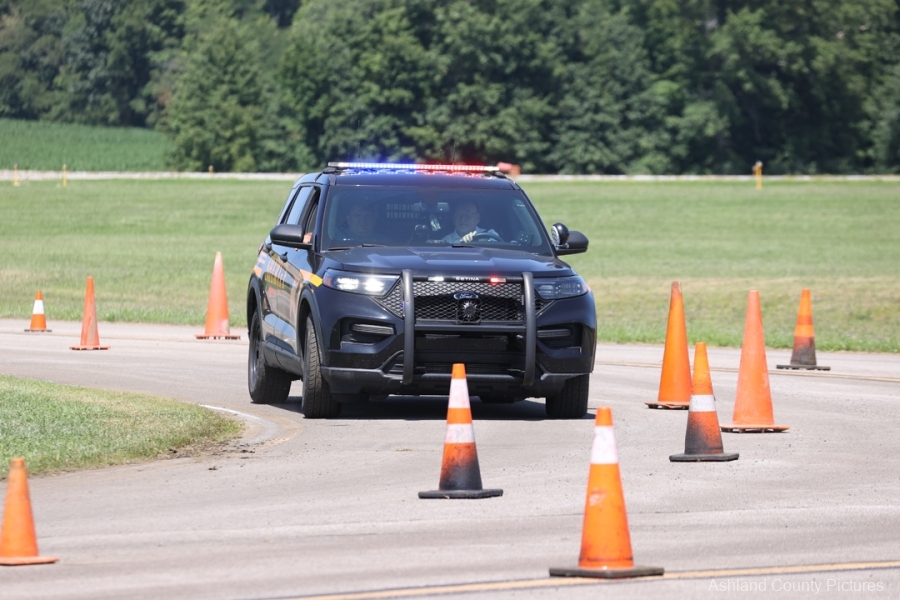
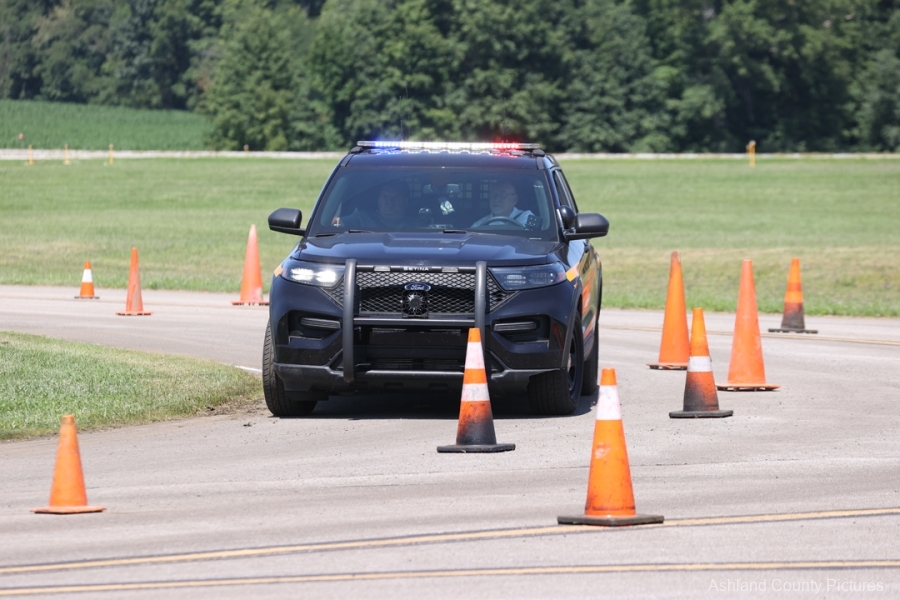
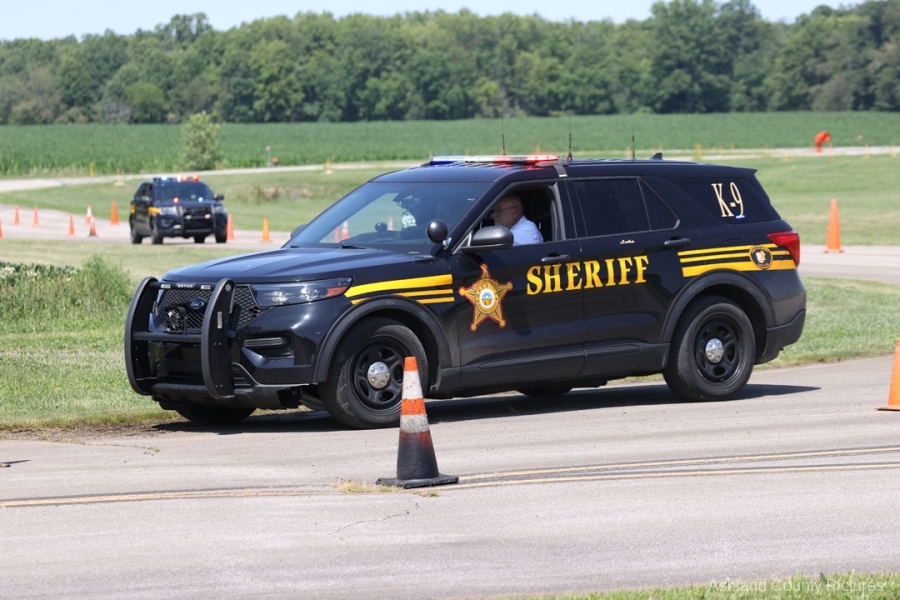
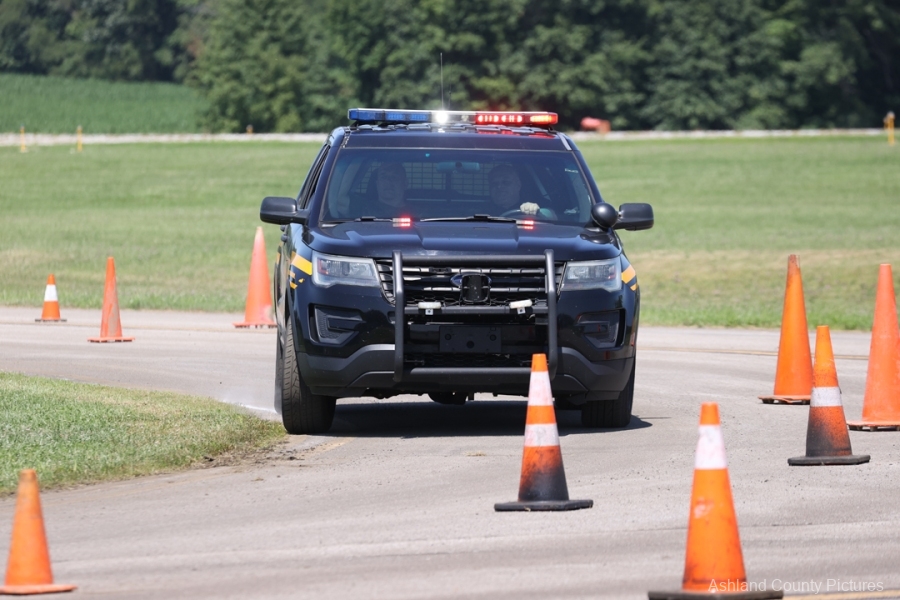
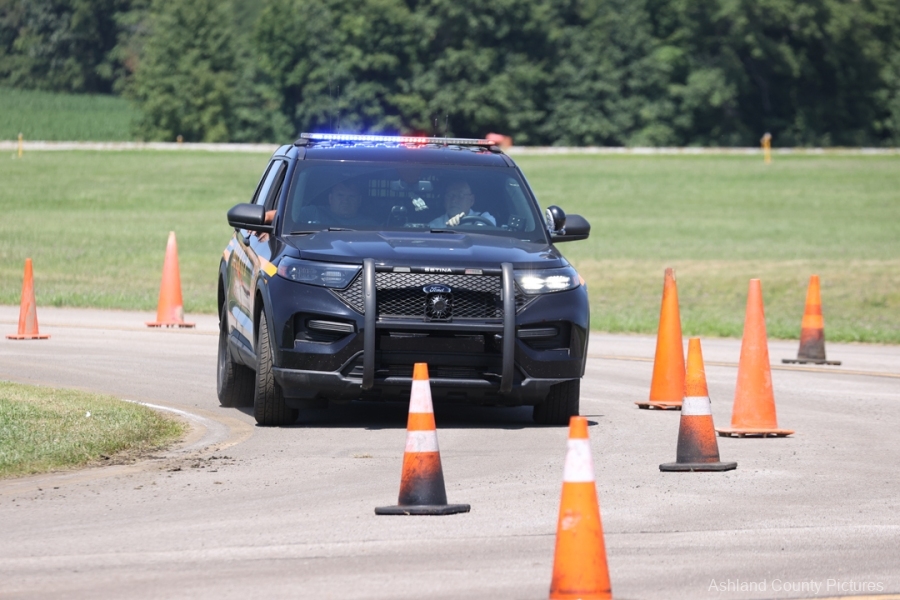
ASHLAND — Sirens wailed. Tires screamed against the pavement. Sheriff’s cruisers slid through tight turns as deputies pushed themselves, and their vehicles, toward the edge of control.
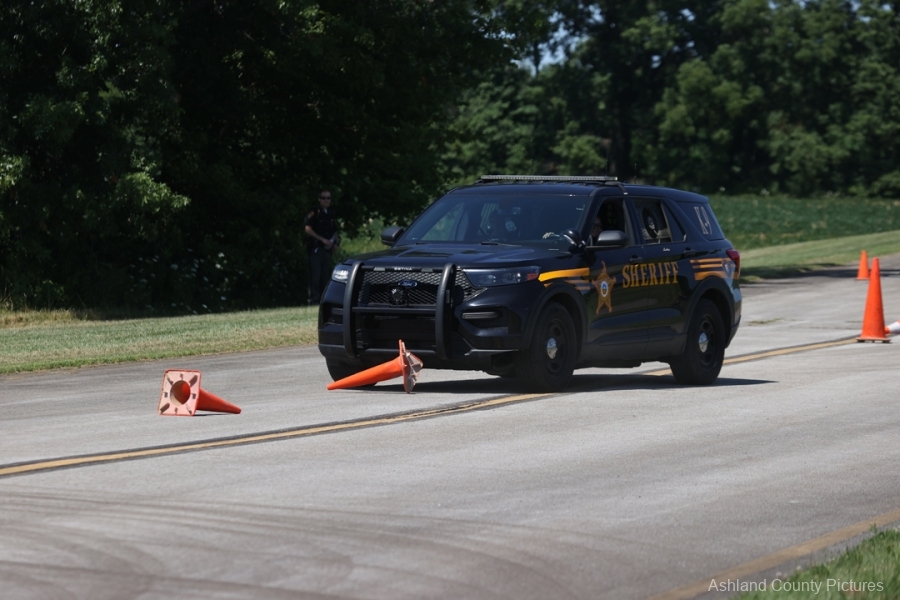
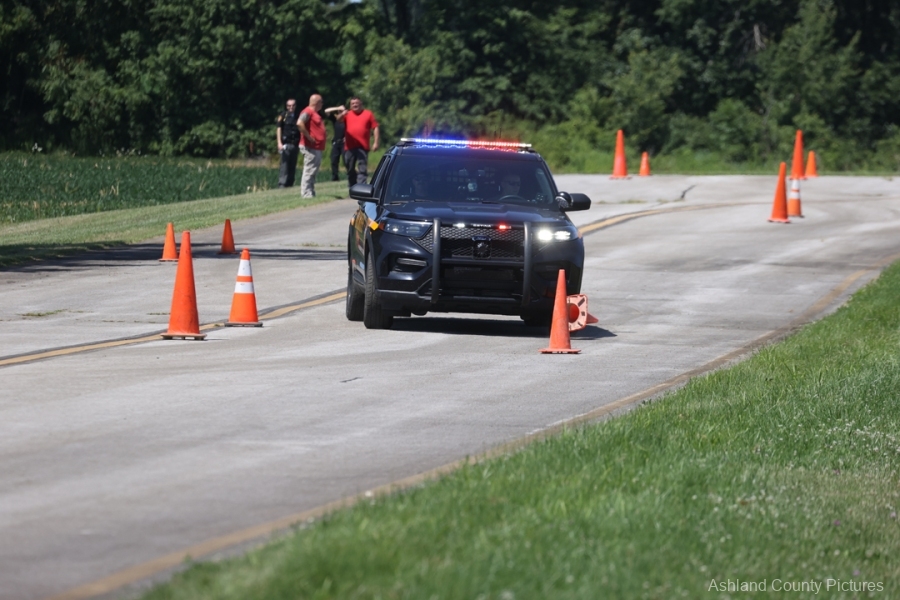
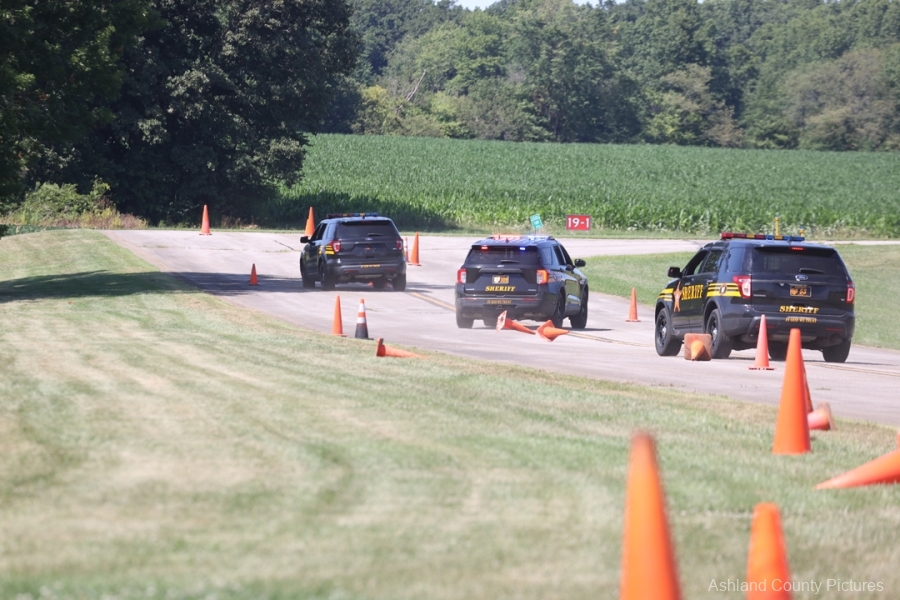
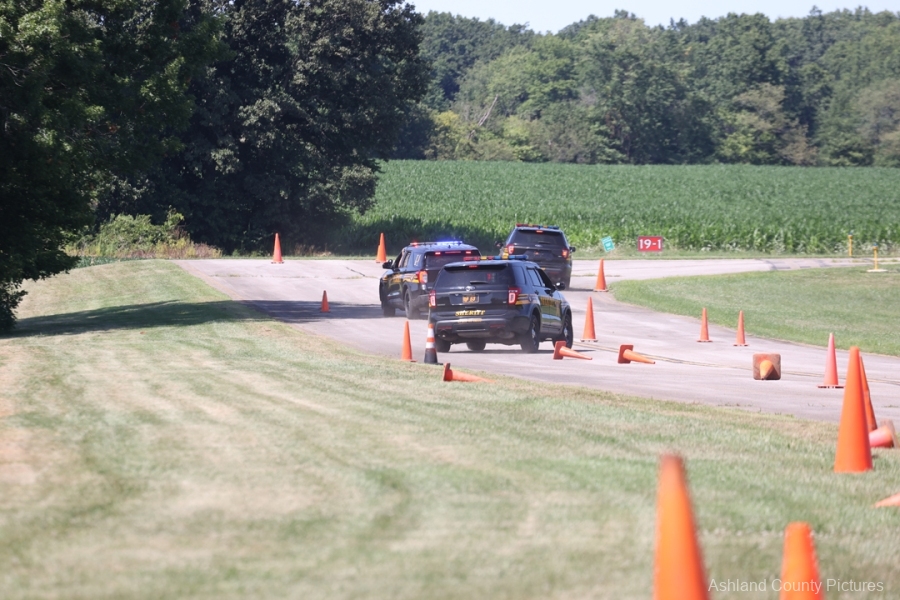
When a cone went flying or a driver made a mistake, arms shot into the air and shouts erupted from those watching nearby.
It had all the sights and sounds of a high-speed police pursuit, but this was no television show, and the danger was carefully controlled.
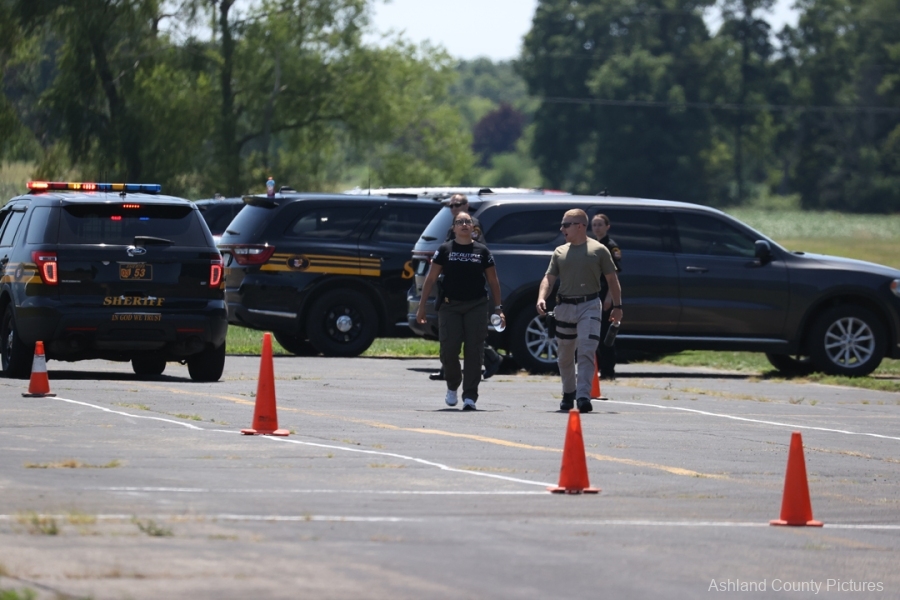
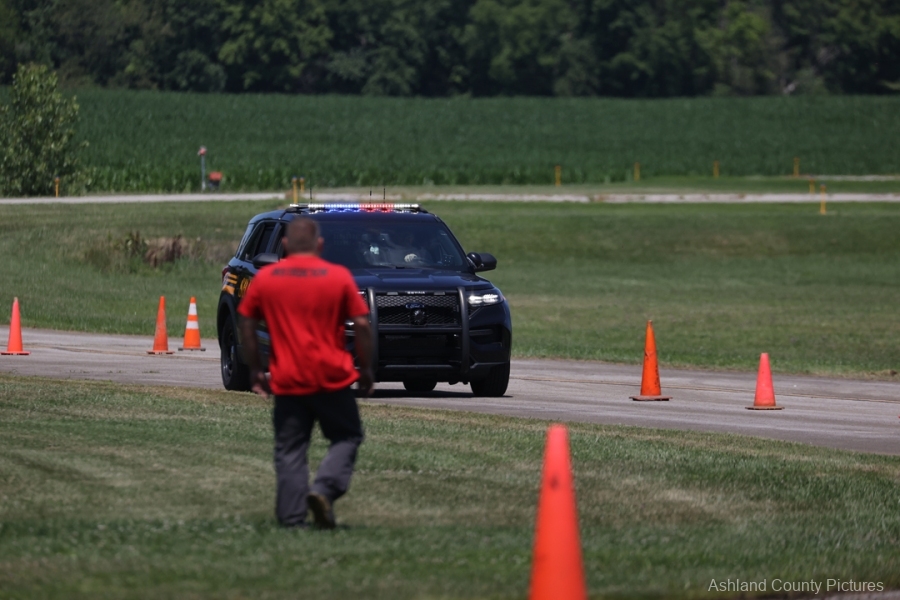
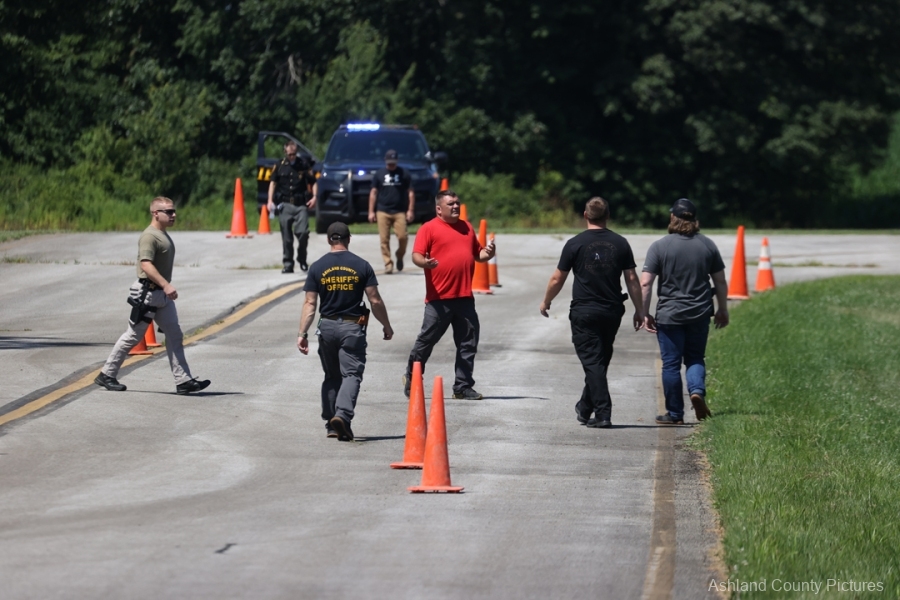
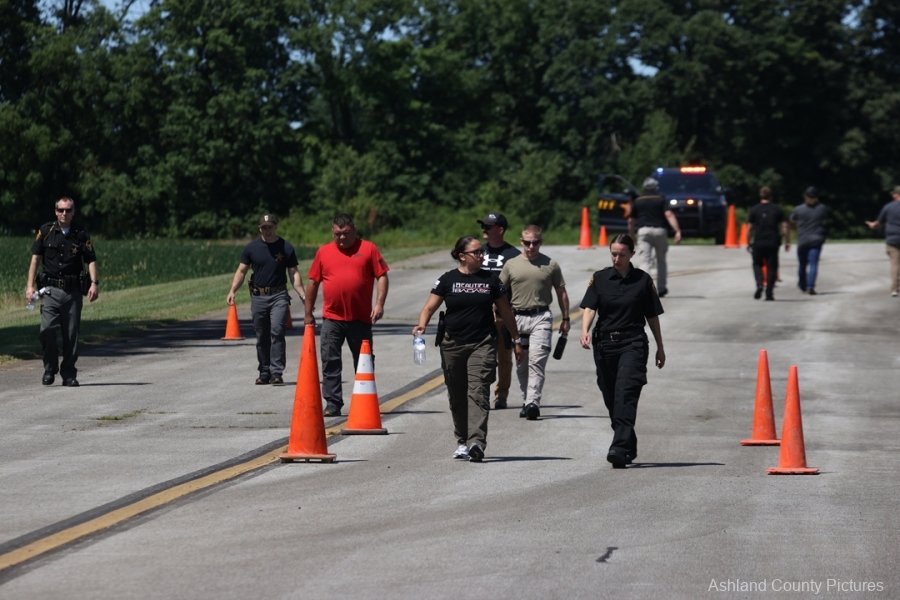
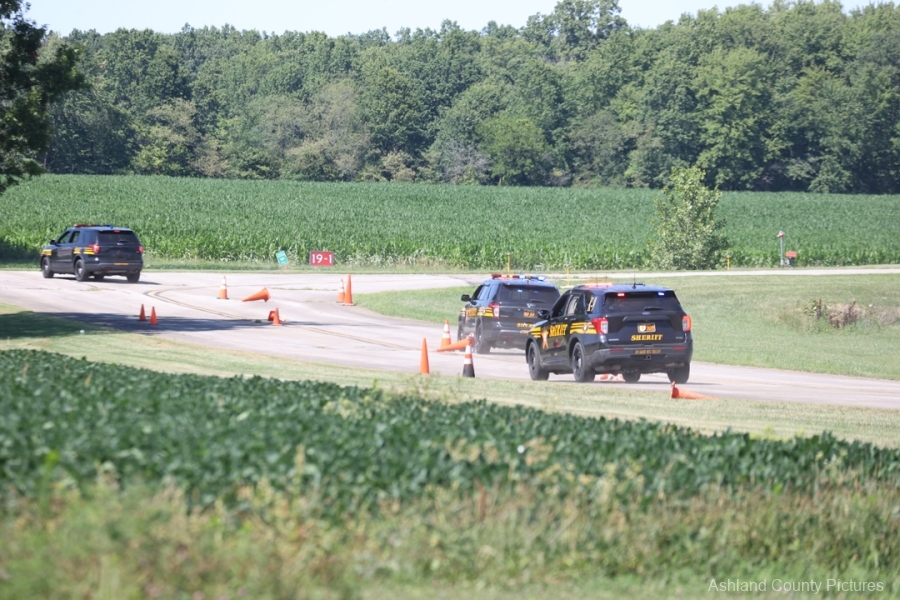
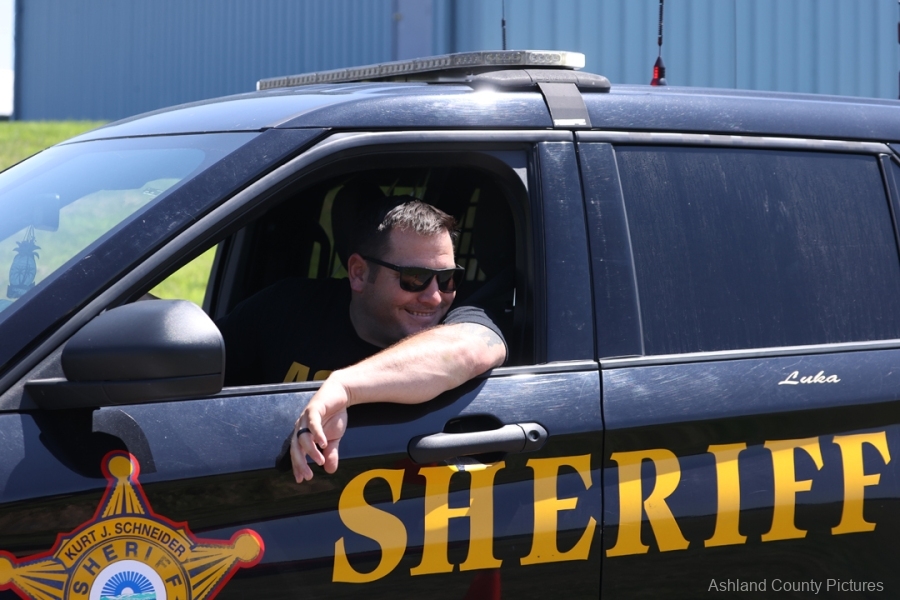
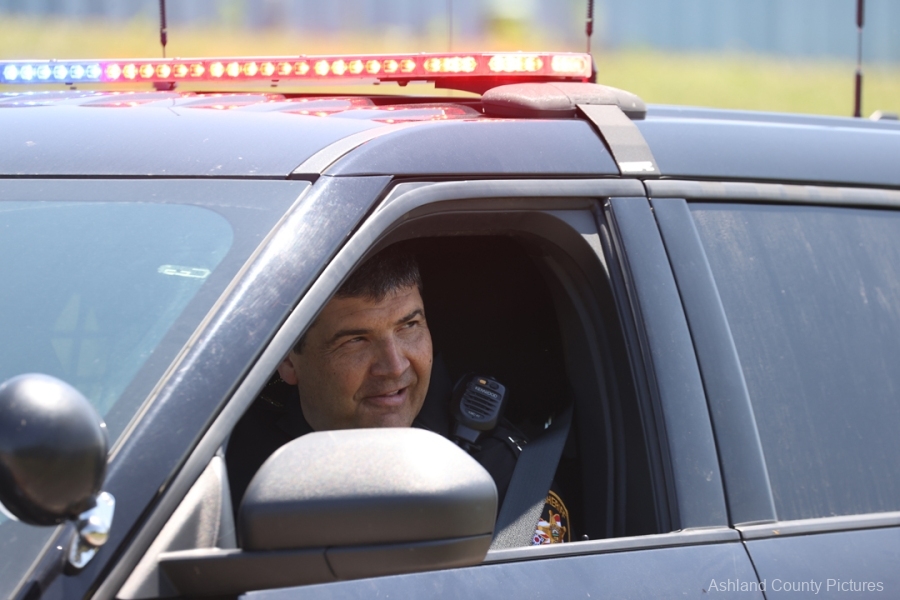
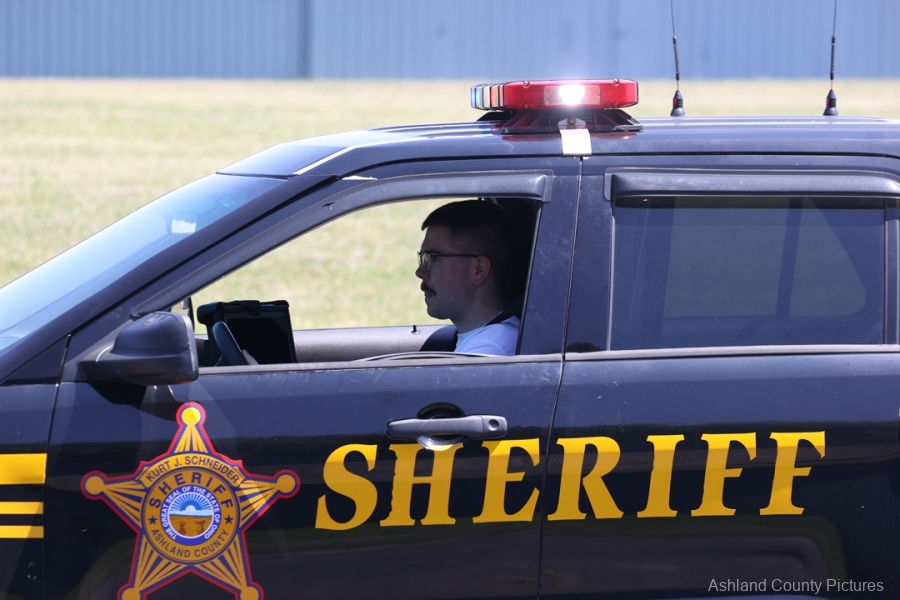
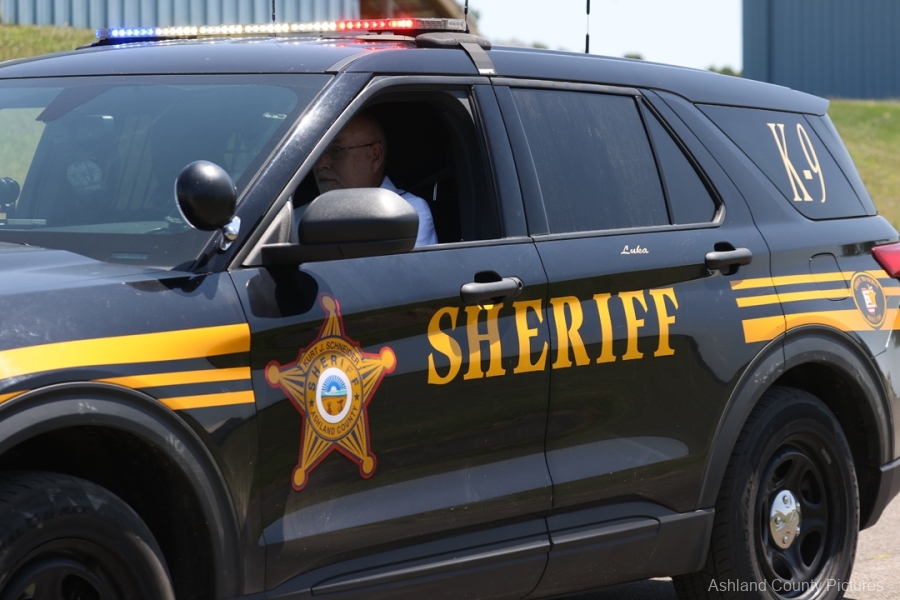
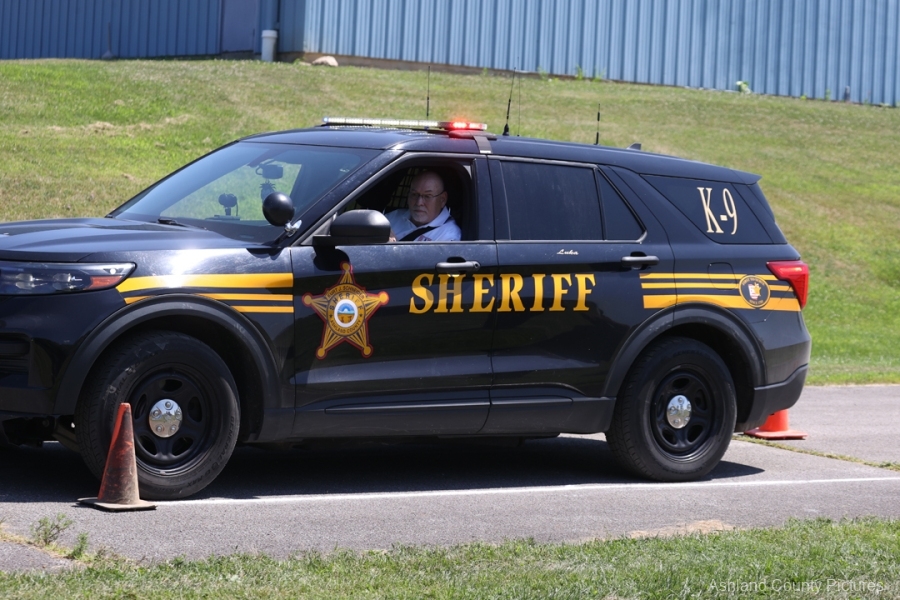
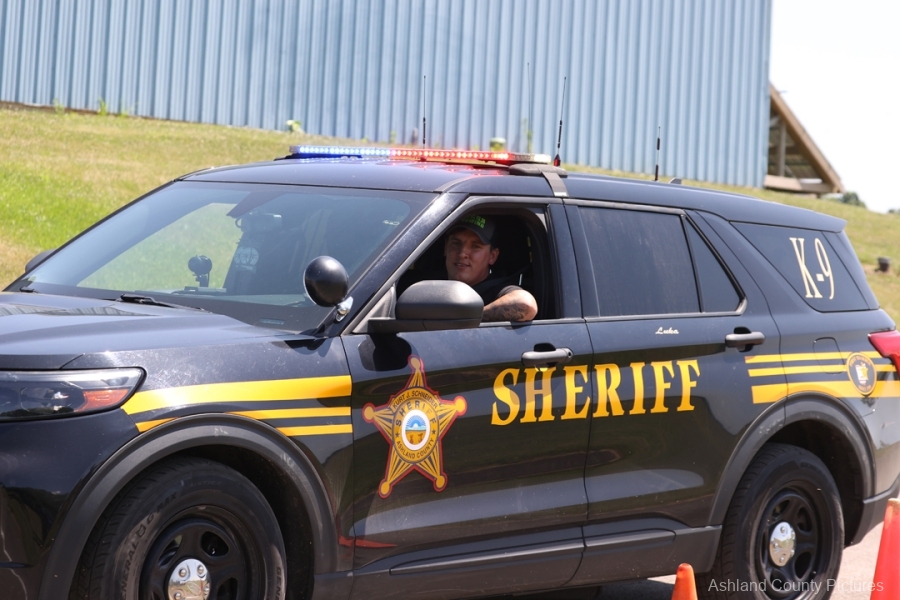
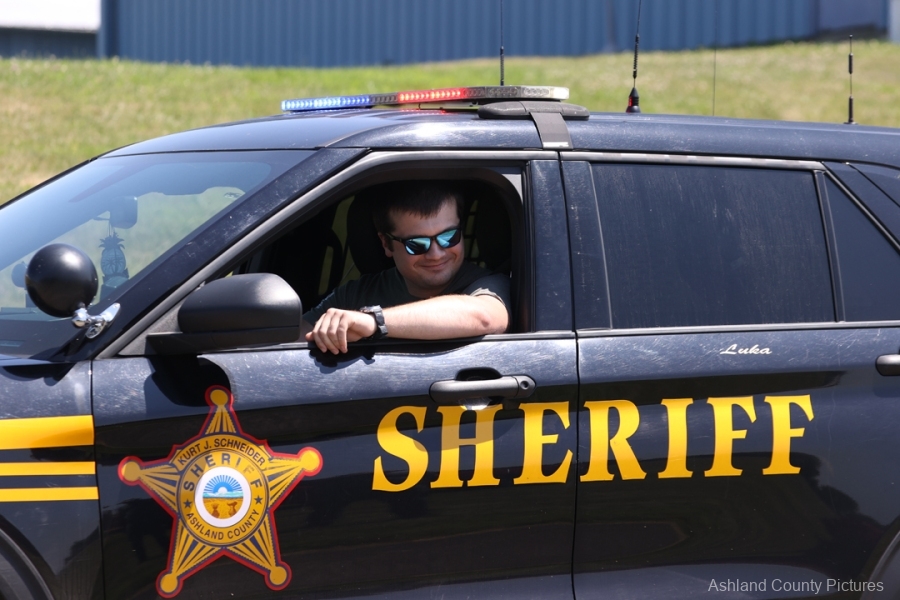
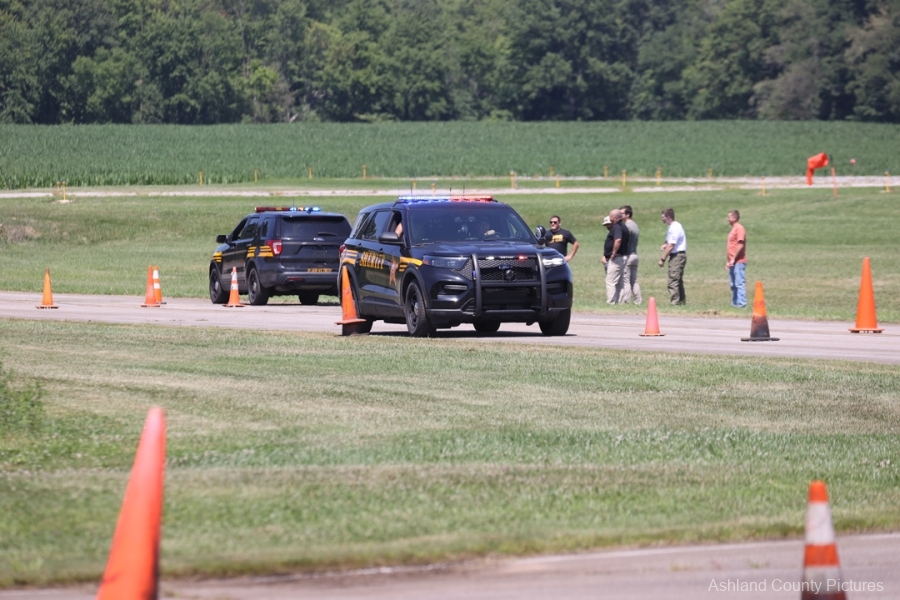
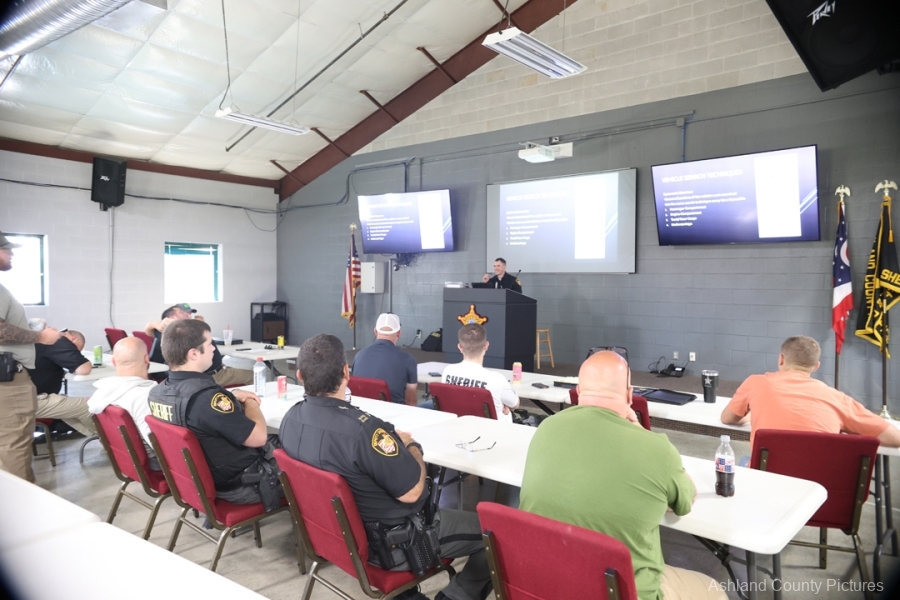
Ashland County Sheriff’s Office deputies and detectives are spending the week sharpening their skills through classroom instruction and demanding, real-world scenarios. While the first half of each training day may be short on excitement, the afternoons more than make up for it with an adrenaline-charged combination of emergency driving, pursuit techniques and counter-ambush exercises at the Ashland County Airport.
The goal is simple: prepare deputies to make the right decisions when seconds matter and lives are on the line.
Deputy Hall said the program represents an effort to raise the agency’s standards through a recurring cycle of instruction.
“It’s in-service training. It’s raising the standard of training within our agency,” Hall said. “We’ve done two days, and this is the completion of those two days. We are now starting it to be a standard of our training.”
The classroom portion focuses on skills deputies and detectives rely upon during everyday law-enforcement work, including search and seizure, report writing, criminal interdiction and patrol techniques.
Then comes the action.
Once deputies take the wheel, classroom lessons give way to the roar of engines, squealing rubber and rapidly unfolding scenarios designed to test judgment, reaction time and vehicle control.
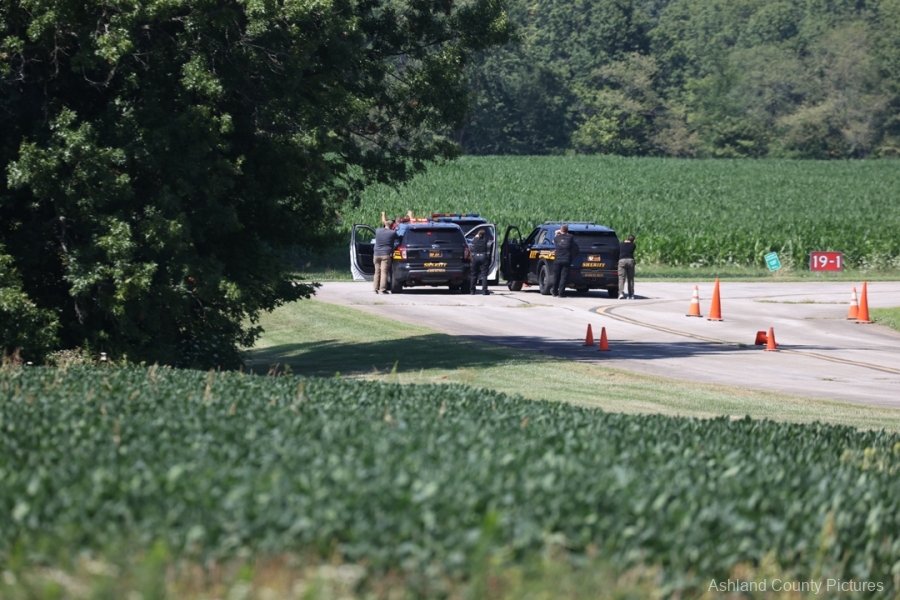
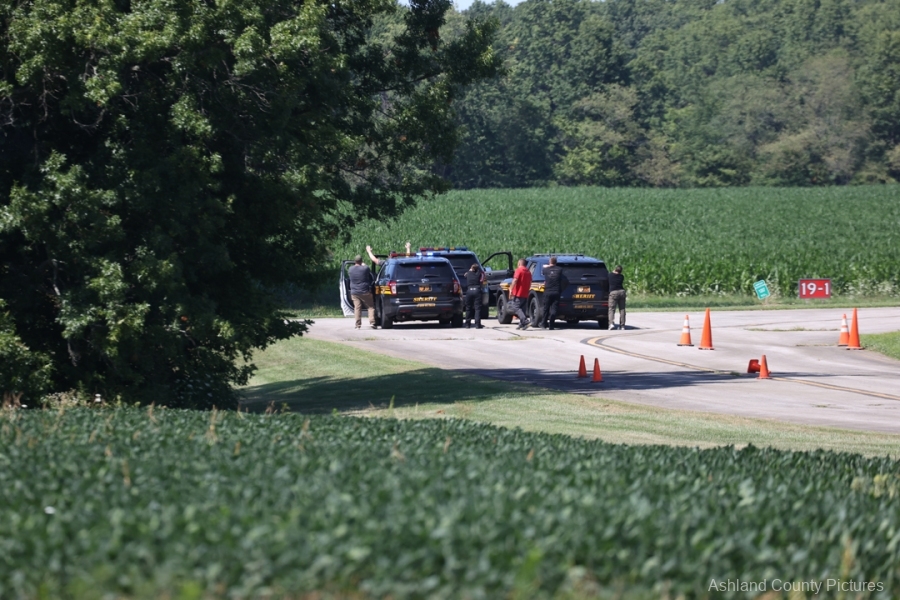
The exercises include pursuit driving and counter-ambush maneuvers intended to teach deputies how their cruisers respond under extreme conditions.
“We’re operating a machine,” Hall said. “That machine has limitations and abilities. They need to fully understand that.”
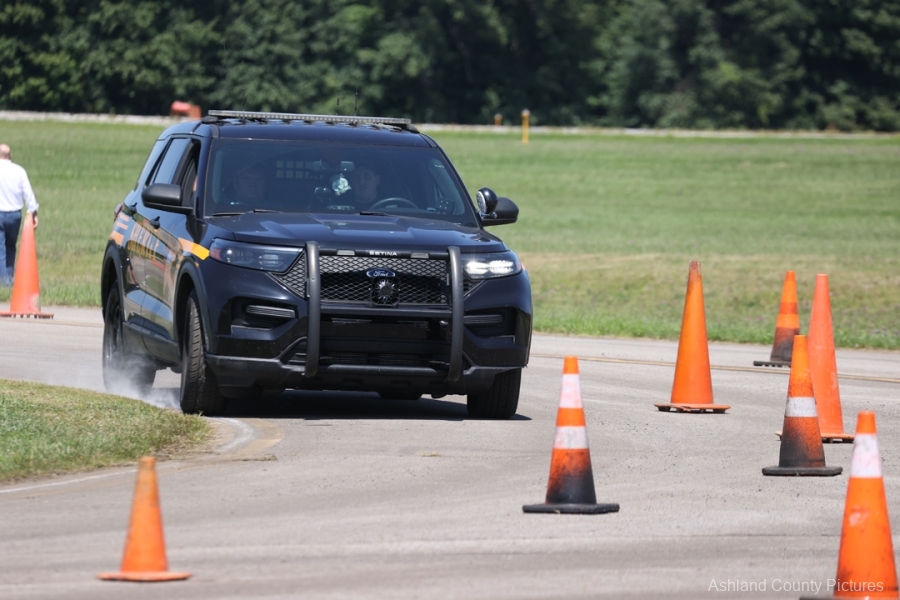
Understanding those limits requires more than reading a manual or listening to an instructor. Deputies must experience what happens when traction breaks, brakes lock and thousands of pounds of steel begin sliding across the pavement.
“We have to put them in that situation where they’re going to slide it, they’re going to lock them up and slide through some stuff,” Hall said. “They need to experience some on-the-edge stuff.”
Unlike an actual pursuit or roadside ambush, the airport provides a controlled environment where deputies can make mistakes, receive immediate feedback and repeat an exercise until the proper response begins to feel natural.
“We’re being safe. We’re not hurting anybody,” Hall said. “But we’re putting some black marks on the pavement and breaking some cars.”
Ashland County Sheriff Kurt J. Schneider said that type of hands-on experience makes the training especially valuable.
Schneider said law-enforcement training has too often relied almost entirely on lectures, an approach he jokingly described as “death by PowerPoint.”
“At the end of the day, you get information out of that, but how do you put it to practical use?” Schneider said. “This is the best way to do training. The guys actually get some information, and then they’re able to apply it.”
Schneider said the Sheriff’s Office intends to continue improving its training program by combining necessary classroom instruction with practical exercises that allow deputies to perform the work themselves.
“We’re going to continue to improve the things that we do in a hands-on, practical manner, and we’re going to couple that with some information that we give them through PowerPoint,” Schneider said. “That’s the best way to do training, actually doing the job.”
The sheriff said members of the agency have embraced the new approach. Instead of spending an entire day sitting in a classroom, deputies can exchange ideas, watch techniques being demonstrated and immediately put what they have learned into action.
“You are actually able to see how the process works and what they’re expected to do, and then they can apply it,” Schneider said.
That process also allows deputies to learn from mistakes, whether their own or those made by someone else on the course.
“When you are actually seeing it done or actually doing it yourself, I think there is an invaluable learning tool doing it that way,” Schneider said.
Schneider also praised the Ashland County commissioners for their continual support of the Sheriff’s Office and its training needs.
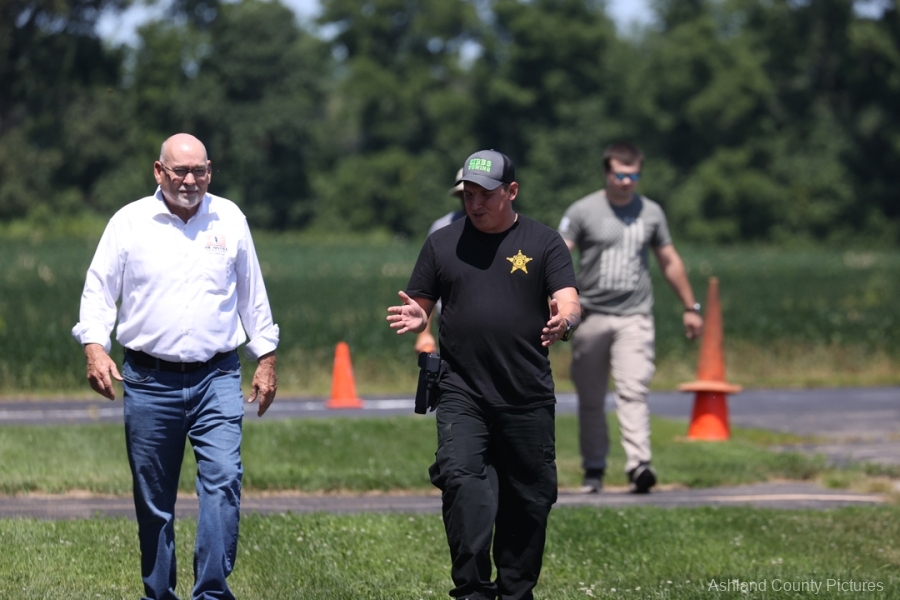
Commissioner James Justice said county leaders recognize the importance of providing deputies with realistic, hands-on preparation.
“You can’t put a price on this kind of training,” Justice said. “This is necessary for the safety of our officers. This is necessary for the safety of our public.”
The county commissioners provided funding to support the training, although an exact amount was not immediately available during the interview.
Justice said repeated practice can turn a learned response into an instinctive one, an important advantage when an officer has only a moment to react.
“Who knows when somebody will be in an incident?” Justice said. “When it becomes training, it becomes second nature. When it becomes second nature, they’re normally pretty proficient.”
Ashland County Commissioner Vice President Denny Bittle said he was impressed by both the difficulty of the course and the range of scenarios deputies were required to complete.
“I was super happy with the training I saw out there,” Bittle said. “I know for years we haven’t had that kind of training.”
Bittle said the county’s investment in newer cruisers allowed the Sheriff’s Office to take older vehicles out of regular service and use them for demanding exercises without placing frontline cruisers at unnecessary risk.
The deputies rotated through multiple courses that included high-speed stops, rapid backing maneuvers, cornering and counter-ambush scenarios in which they had to escape after coming under simulated gunfire.
“The course was super hard,” Bittle said. “They had four different courses, and it was pretty impressive.”
Bittle said the increased emphasis on training under Schneider could also help reduce crashes involving deputies, particularly those who are younger or have less experience operating cruisers under emergency conditions.
“I am just so happy that the sheriff has upped the training a lot since he took over,” Bittle said. “It also should save us, especially with the younger officers who don’t have a lot of experience, on wrecks. It’s great training.”
Commission President Michael Welch also spent time at the airport observing the deputies and the demanding exercises firsthand.
Those black marks left across the airport pavement tell the story of training meant to protect both deputies and the public. By learning what their vehicles can and cannot do, officers may be better prepared to avoid a catastrophic mistake during an emergency response, pursuit or sudden attack.
At the Ashland County Airport, every hard turn, missed cone and controlled slide serves a purpose. The mistakes made on the training course can become lessons that prevent tragedy on a public highway.
For the deputies behind the wheel, it is a rare opportunity to discover the limits before encountering them during a real emergency.
And when the next call comes, the kind filled with flashing lights, wailing sirens and split-second decisions, they will not be facing that pressure for the first time.