
Ashland County Fly-Fishing Event Hooks Dozens for an Evening of Outdoor Adventure
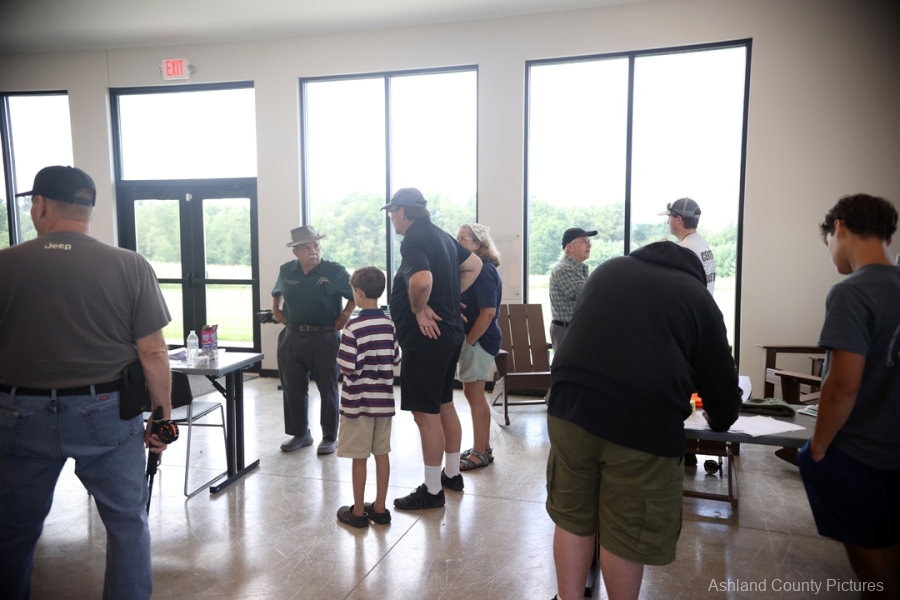
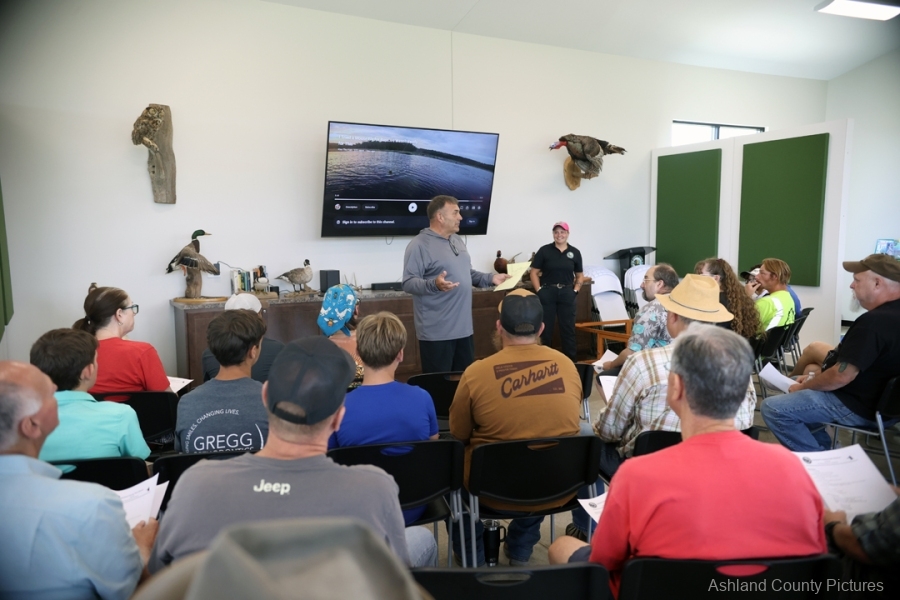
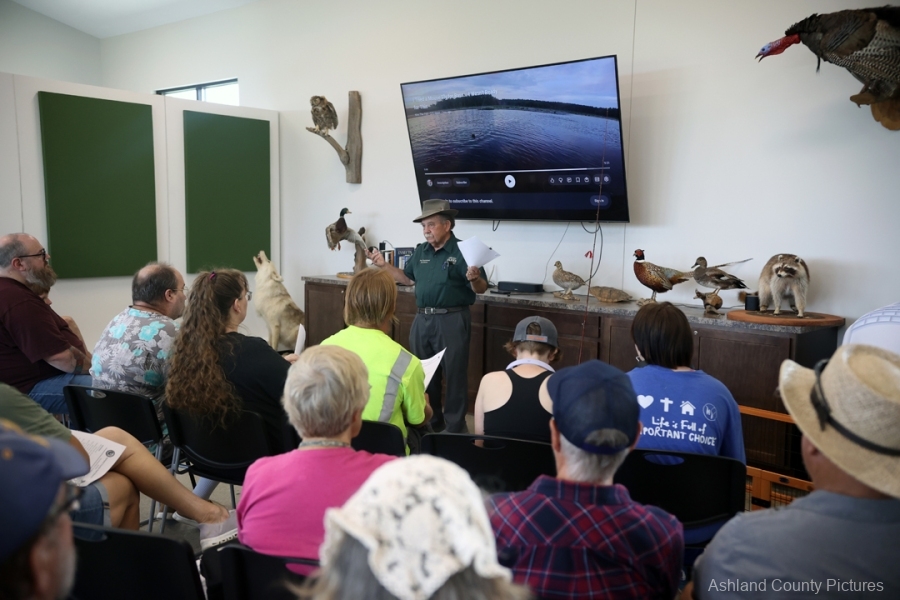
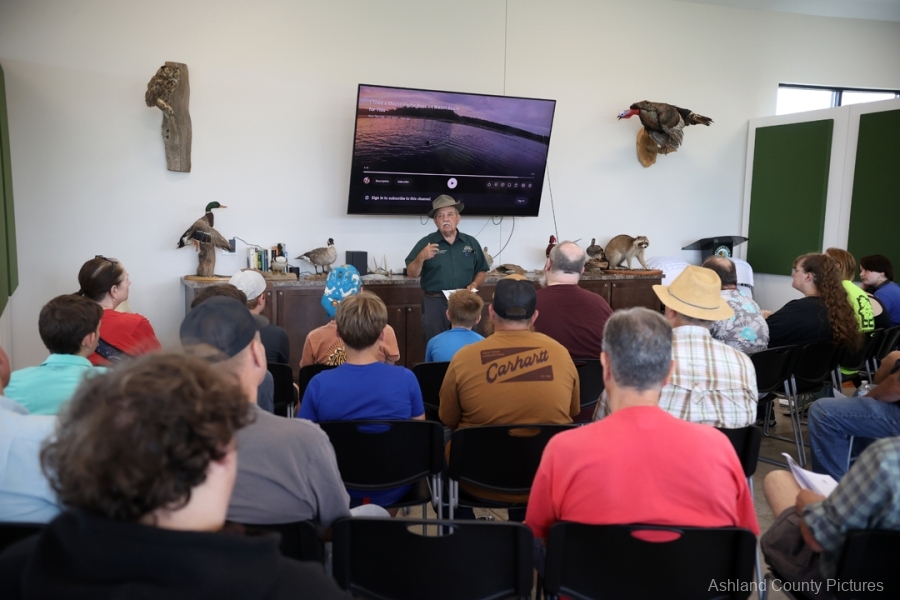
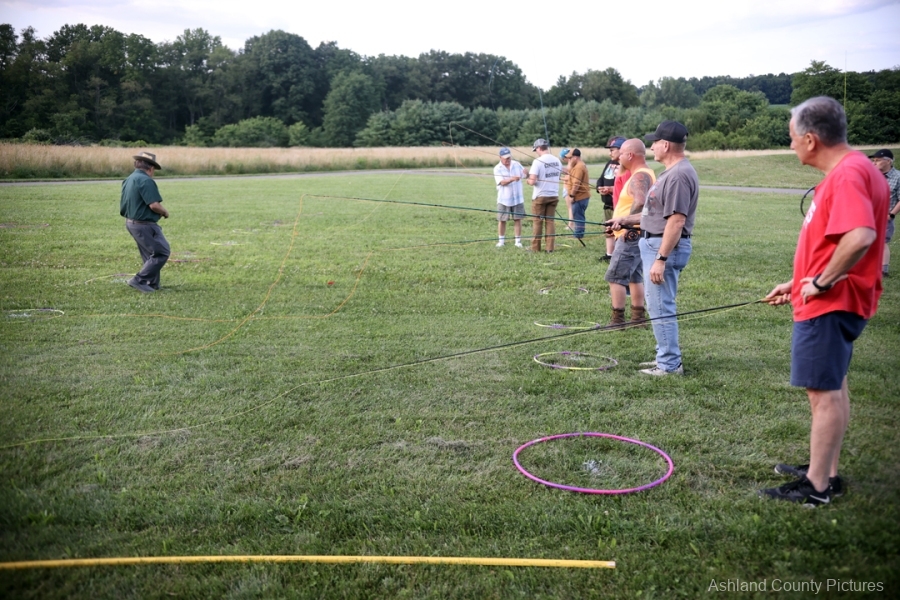
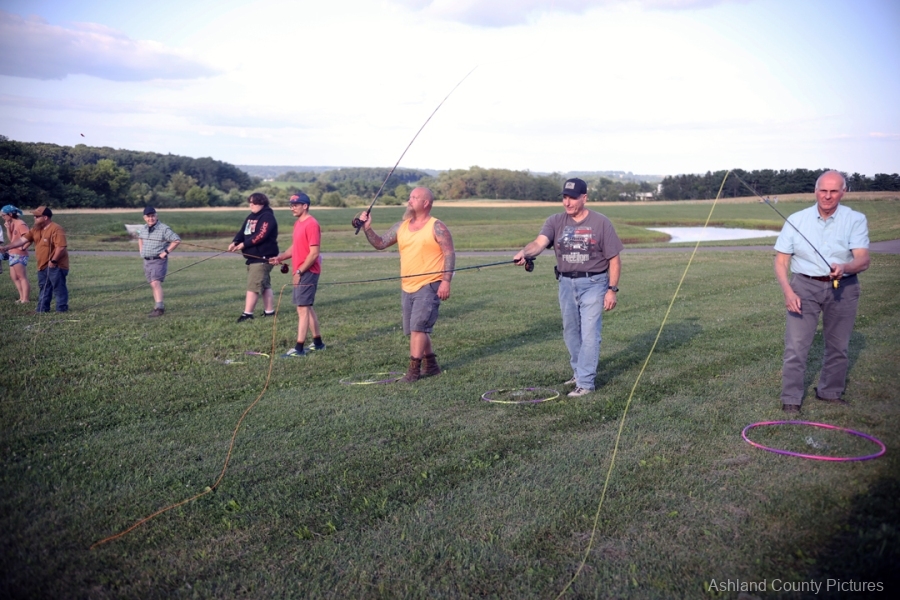
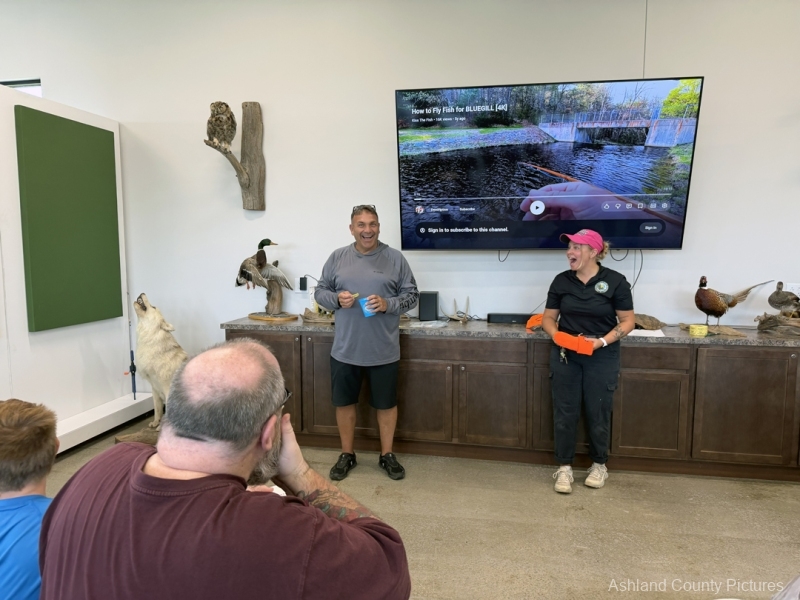
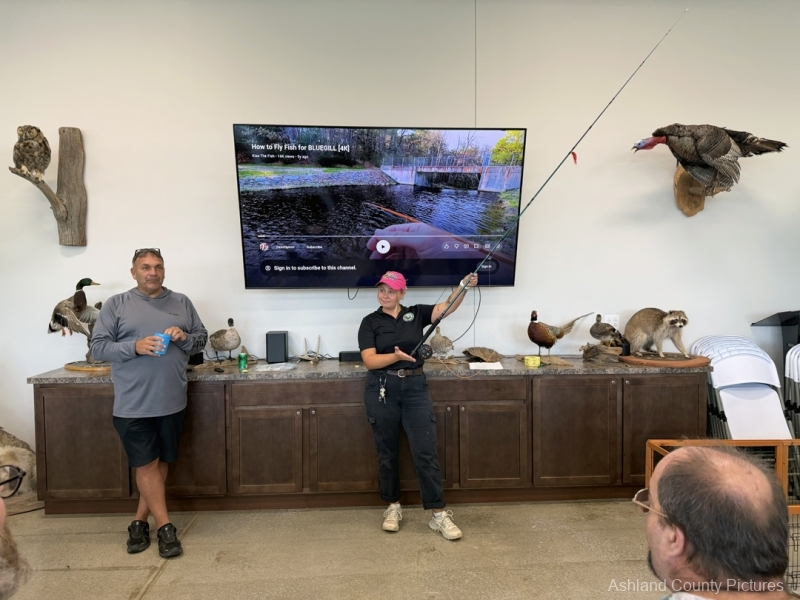
ASHLAND — What organizers expected to be a small gathering of five or six people turned into an exciting evening of casting, knot tying, outdoor education and community fellowship as dozens attended a free fly-fishing hosted by the Ashland County Park District.
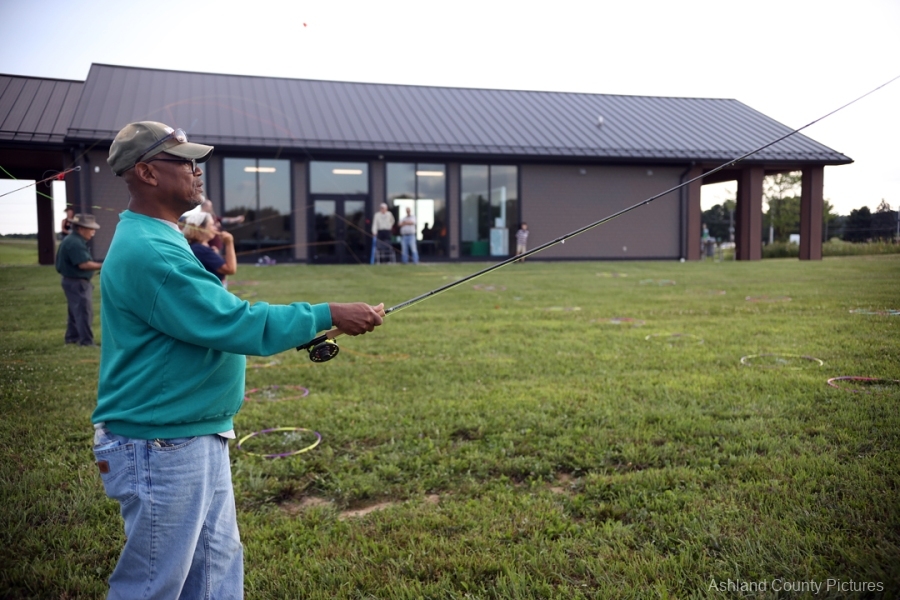
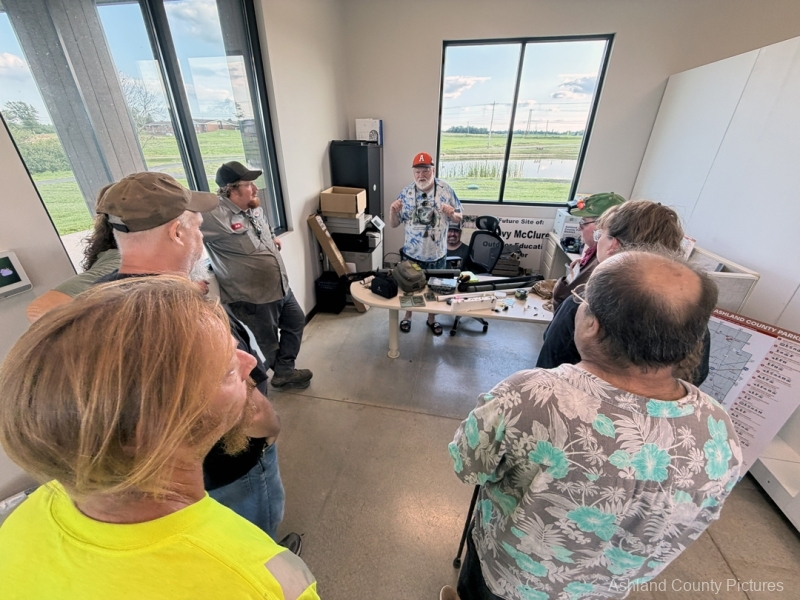
The event was held at Tom Kruse Wildlife Conservation Park and The Davy Outdoor Education Center. The park is situated in Montgomery Township, ideally located near the heart of Ashland at the intersection of State Route 60 and County Road 1754.
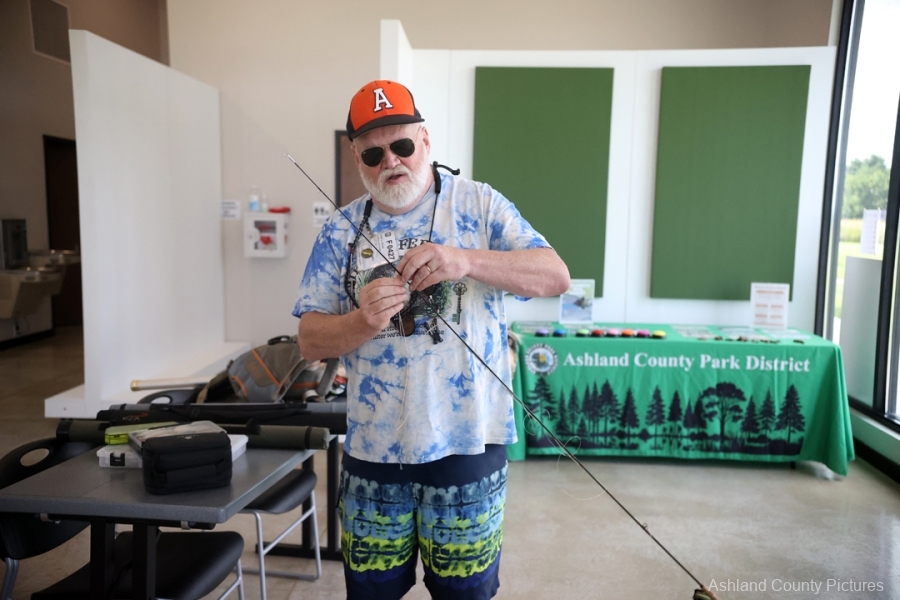
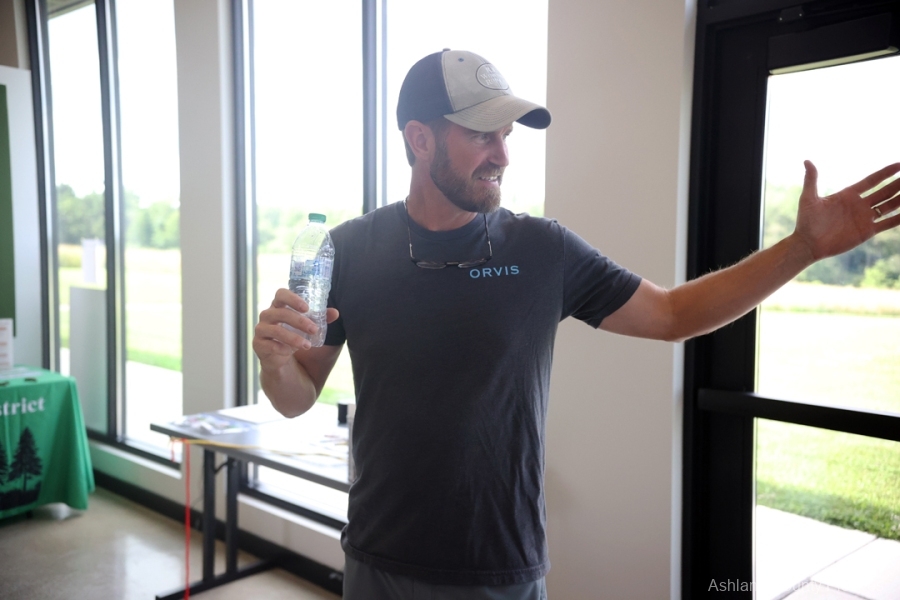
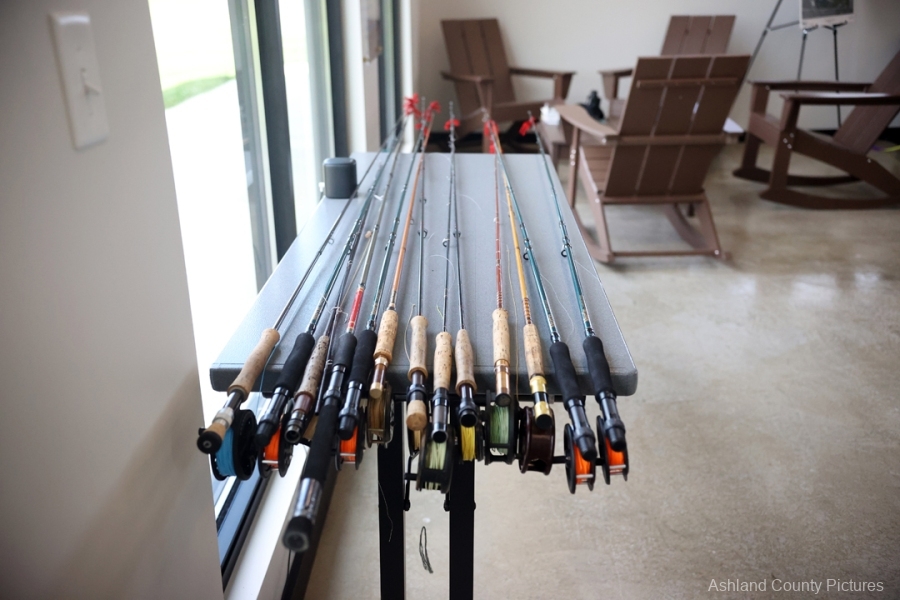
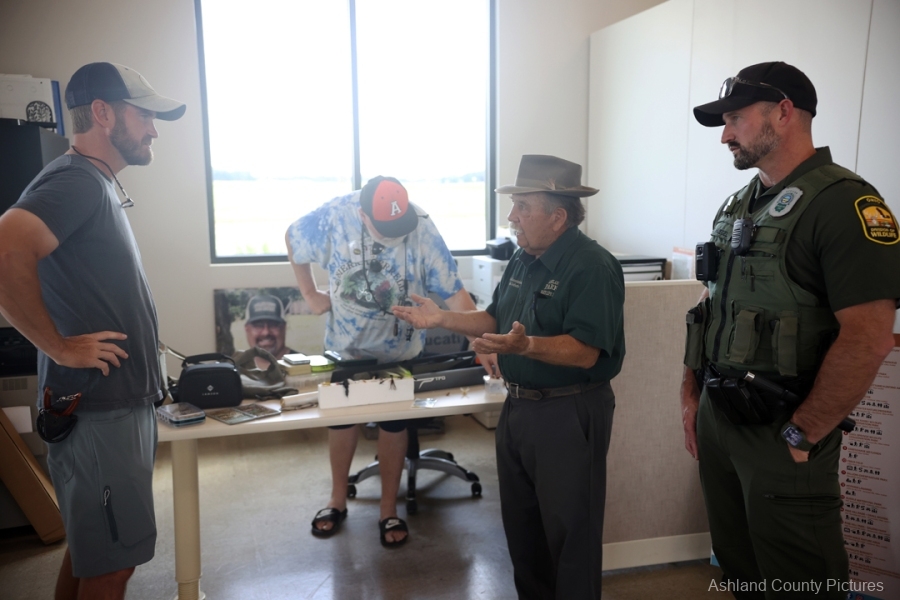
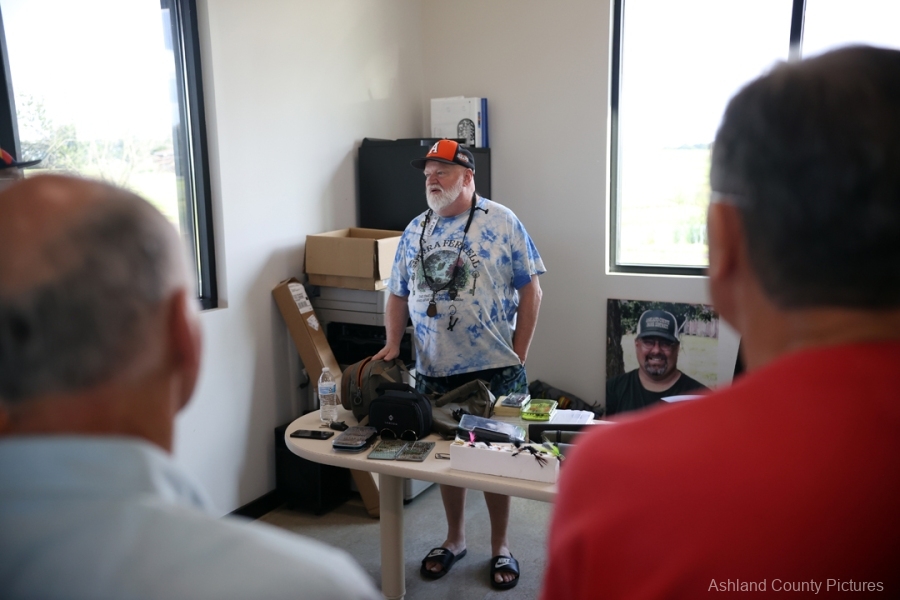
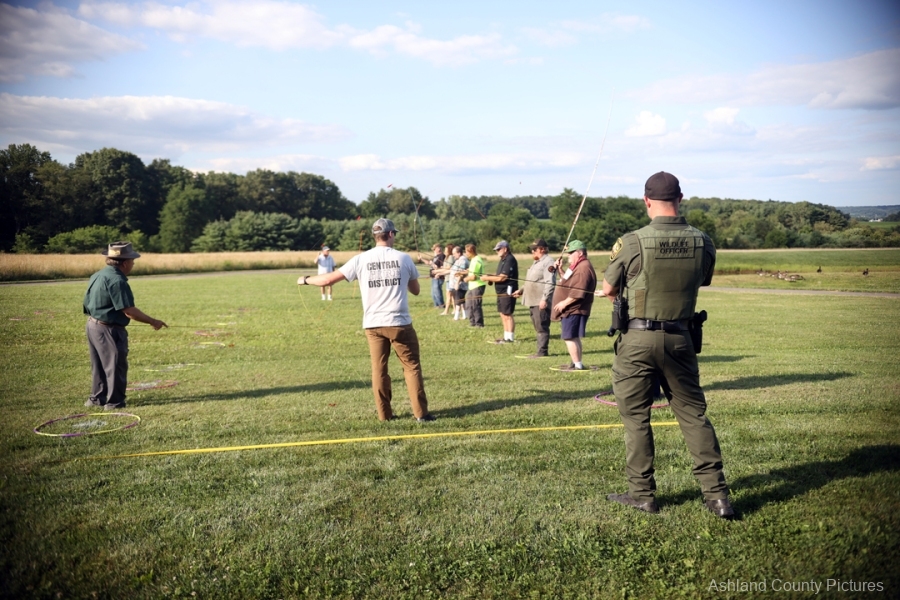
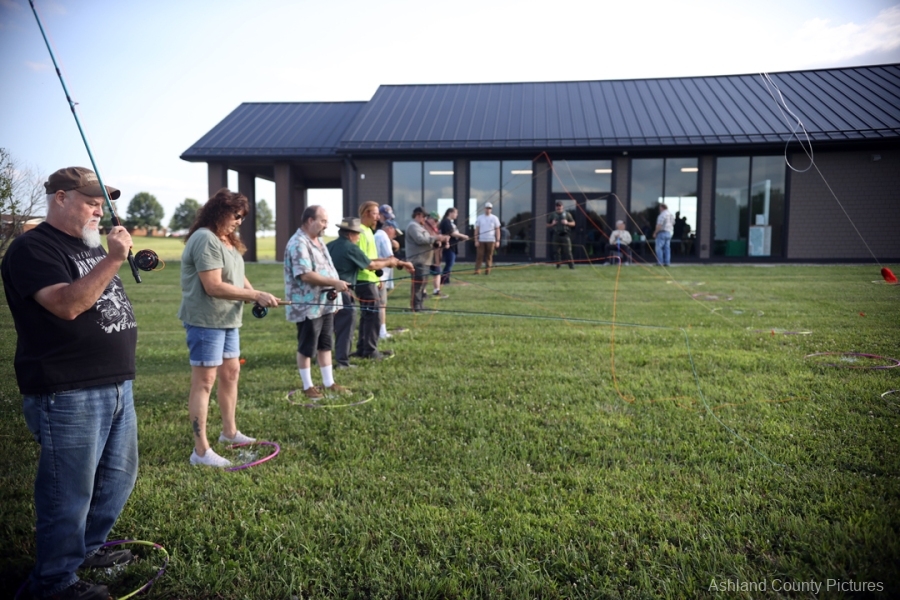
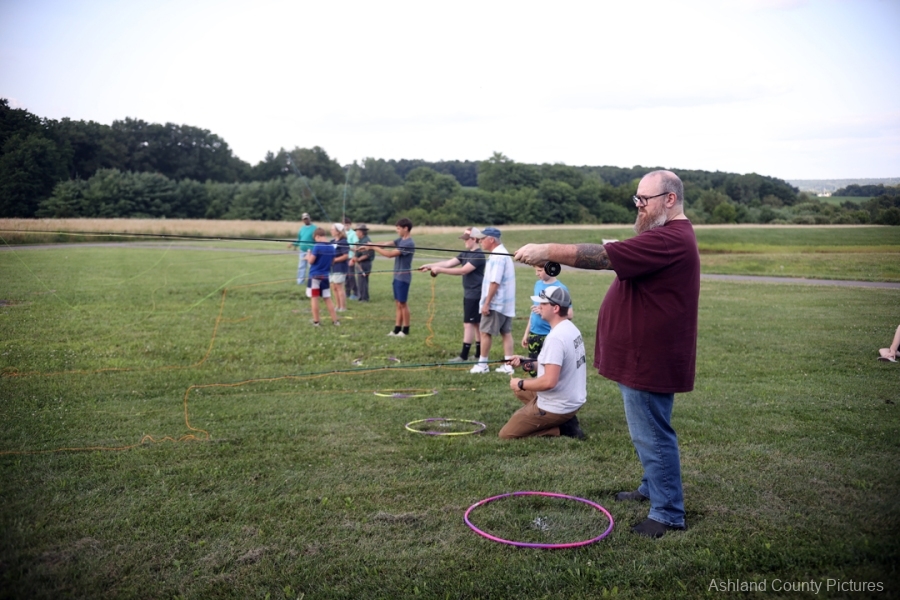
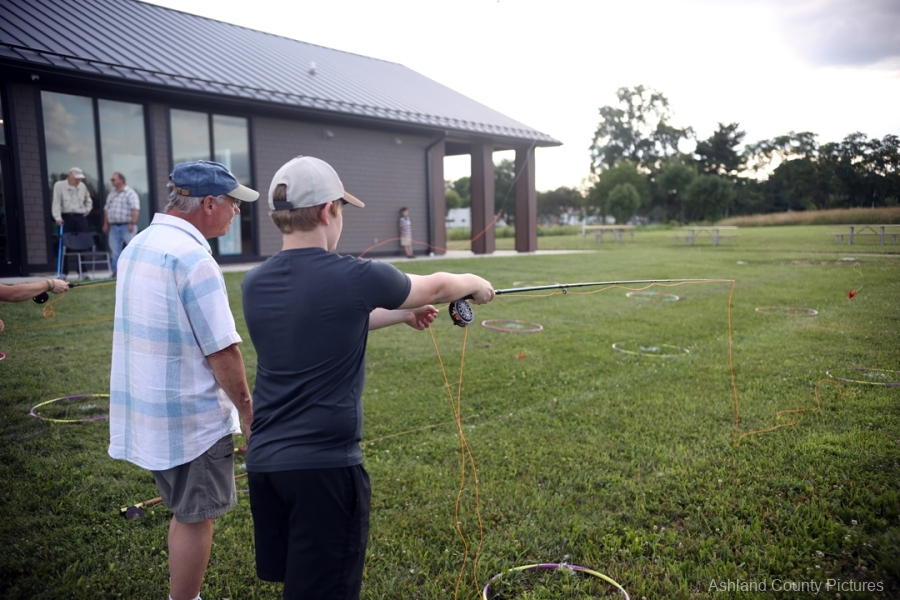
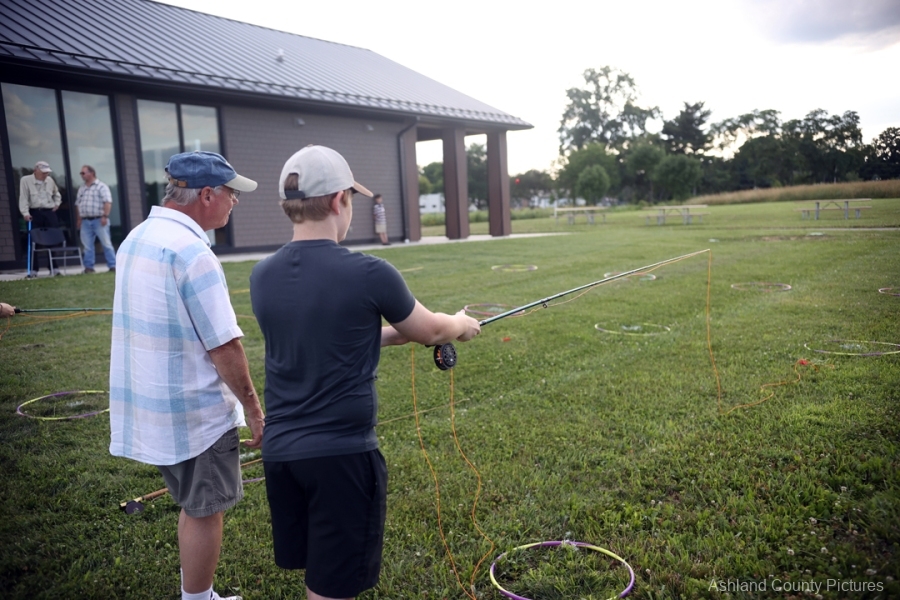
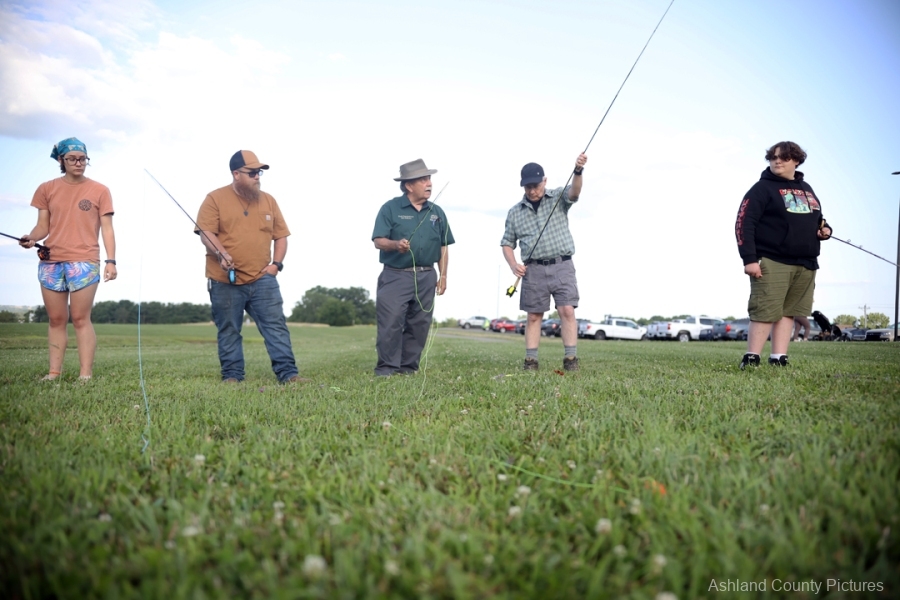
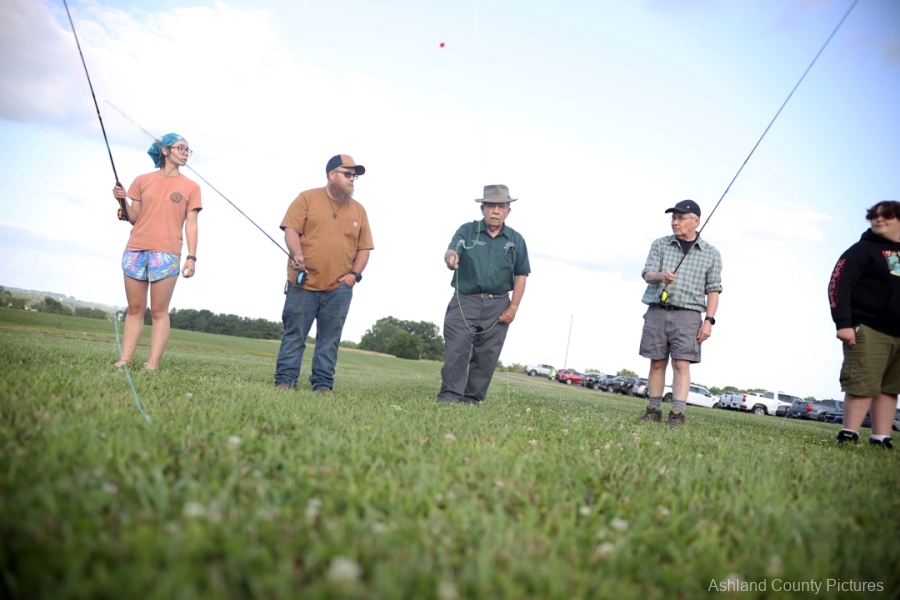
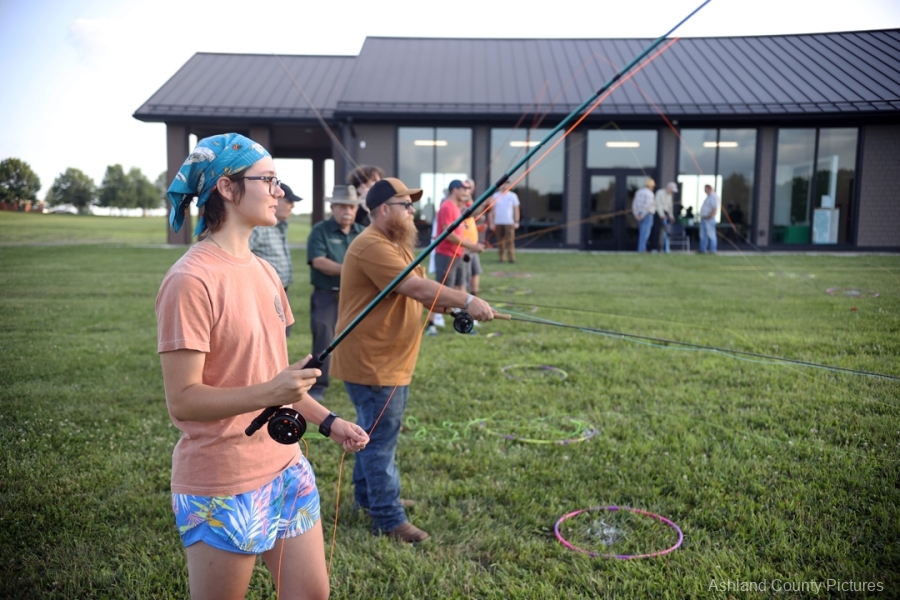
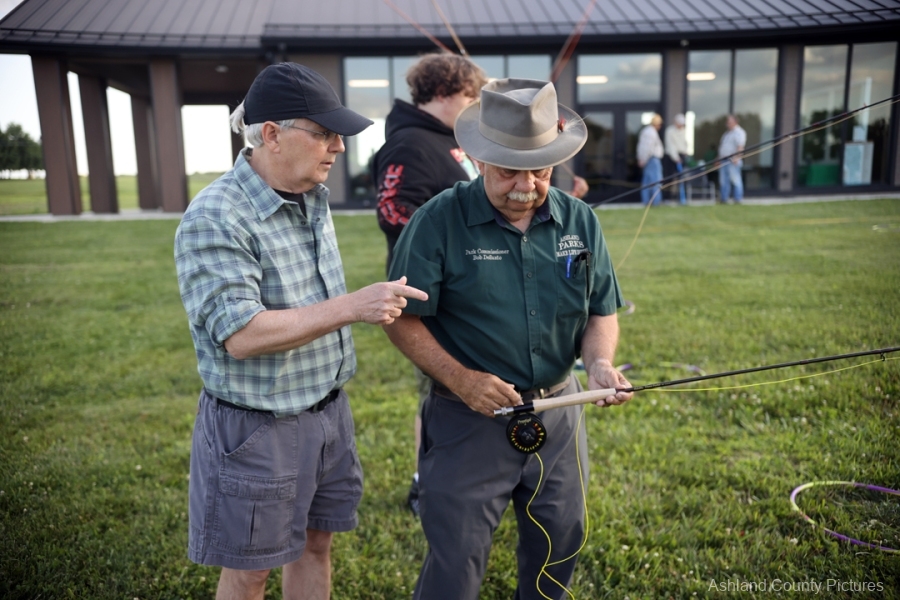
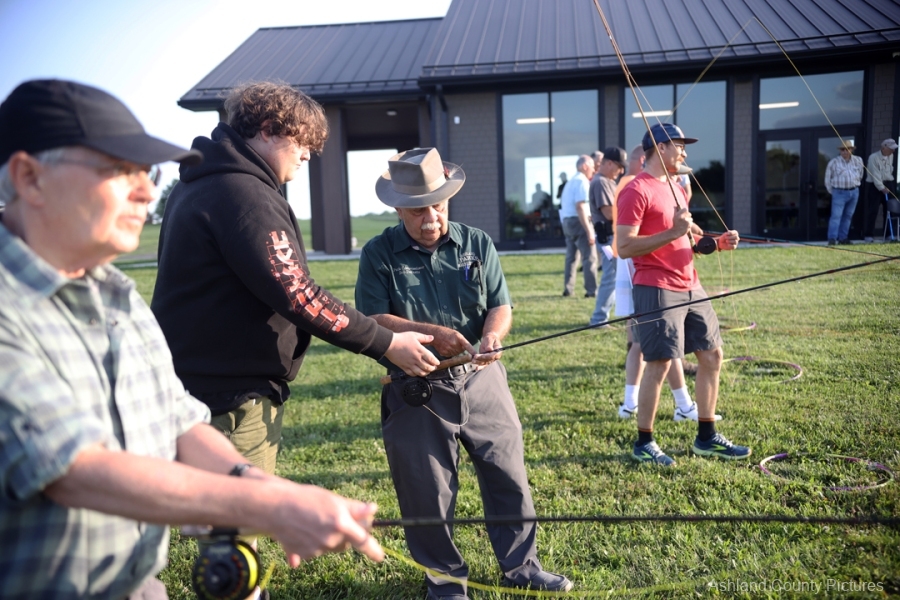
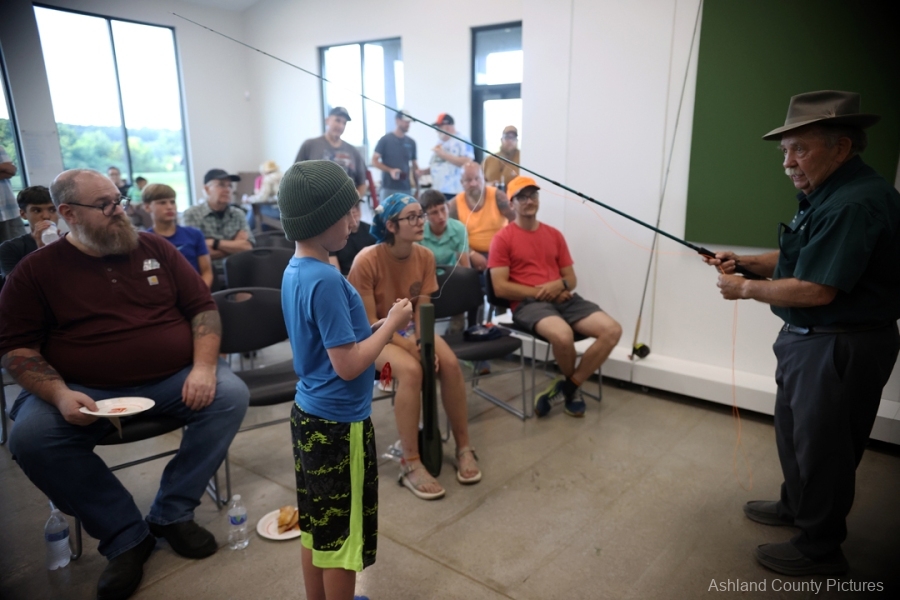
Children and adults rotated through several hands-on learning stations led by community leaders and experienced anglers who volunteered their time, knowledge and equipment. Participants learned about fly rods, reels, fishing lines, artificial flies, knots and multiple casting techniques.
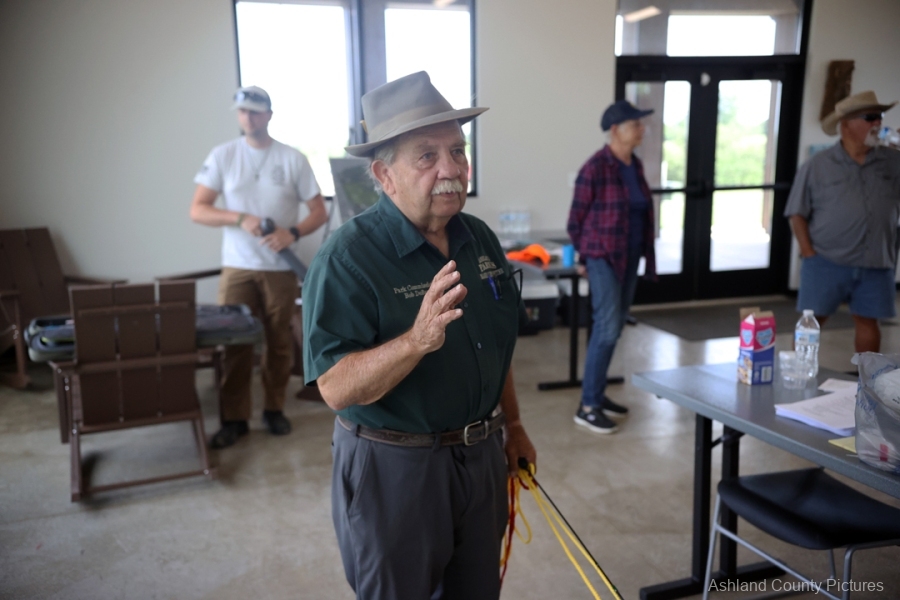
Ashland County Park District Commissioner Robert DeSanto said the response exceeded everything organizers had anticipated.
“No, I didn’t, Joe,” DeSanto said when asked whether he expected such a large turnout. “I thought that we would be lucky to have five or six, which was fine. If we had five or six, we would still do it and we would be pleased to do it. But it was overwhelming.”
DeSanto said 34 people registered, while Park District Naturalist and Outreach Coordinator Sarah Grissom estimated that the total crowd, including participants, volunteers and instructors, grew to more than 40 people.
The event even attracted participants from outside Ashland County, including visitors from Akron and Cincinnati. One participant nearing retirement traveled to the event because learning to fly-fish was among the activities he hoped to pursue after retiring.
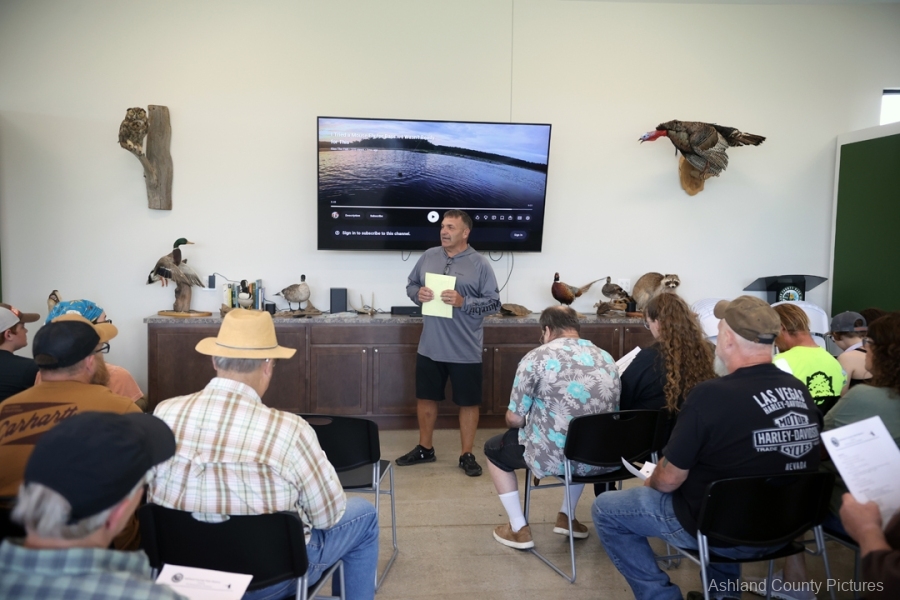
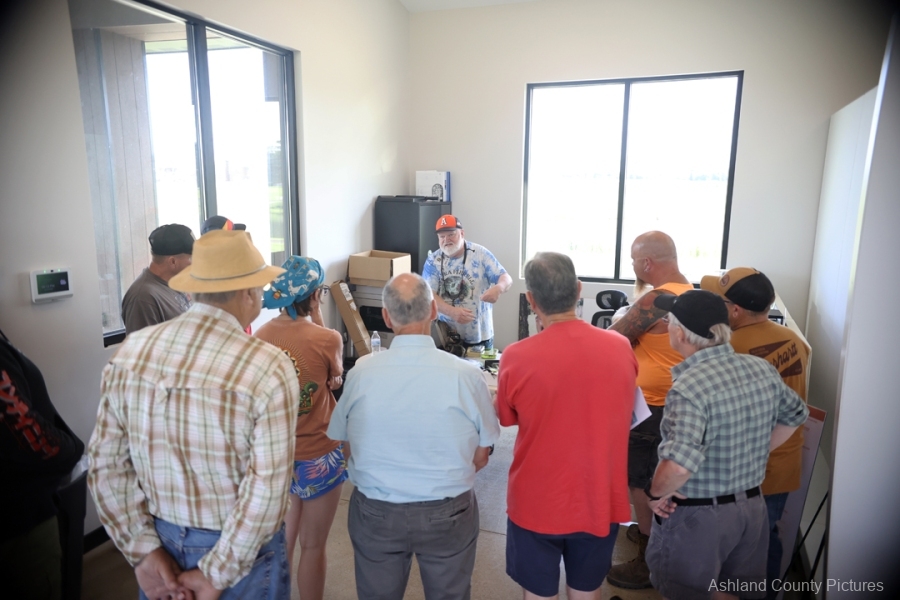
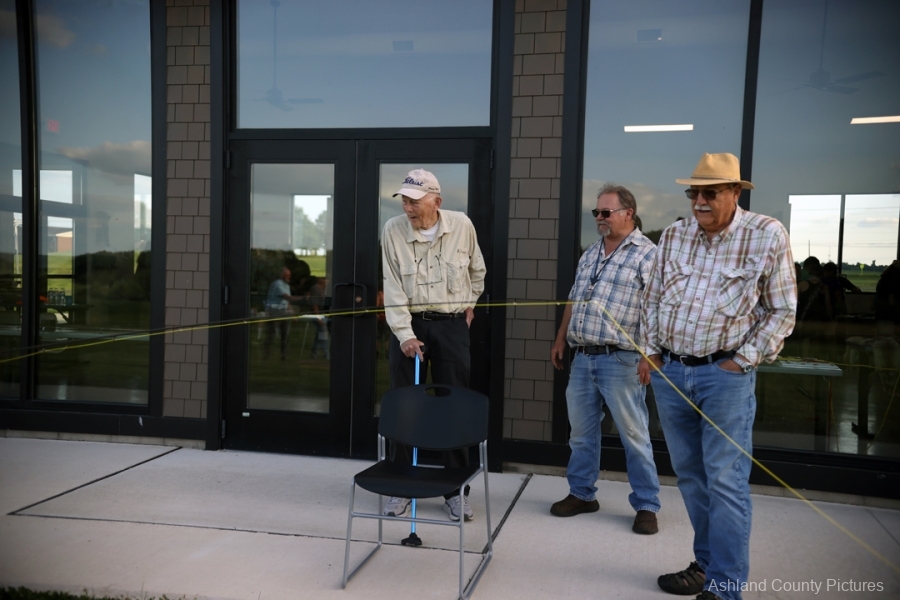
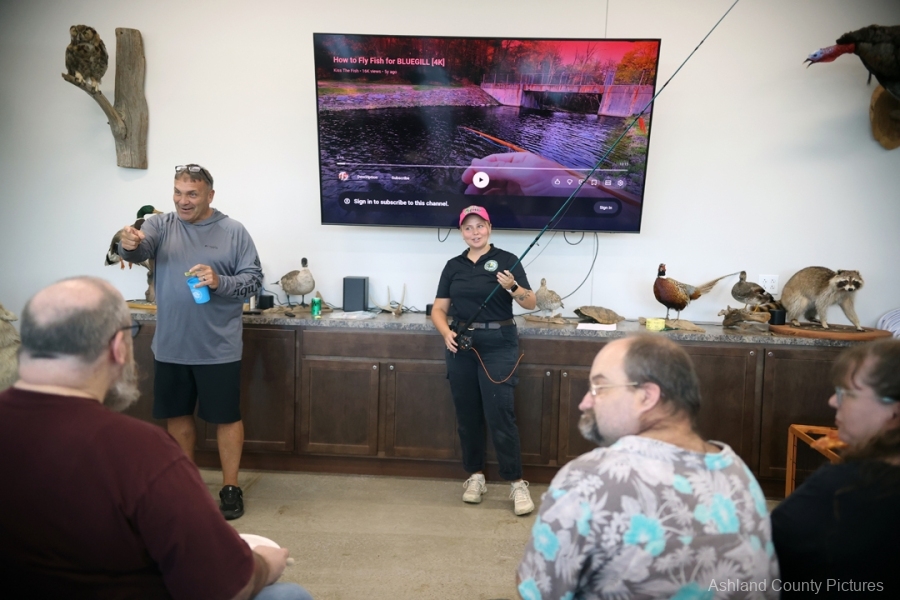
Ashland County Park District Administrative Director Dan Mager opened the evening by welcoming the crowd and thanking the volunteers.
Mager, who has spent much of his life hunting and fishing, said outdoor traditions are often passed down through generations by a parent, relative, neighbor or friend.
“I think it’s really nice to see the young kids here because all of us older folks who hunt and fish now can always go back to that single person in our life, whether it was your dad, an uncle or the neighbor who got you into a sport,” Mager said.
Mager said the people who introduced him to hunting are now gone, but he continues their legacy by passing those traditions along to his children and others.
“This makes me feel good, to be able to be part of organizing this,” Mager said. “It looks like this could be a pretty popular event and something we can maybe do on a yearly basis.”
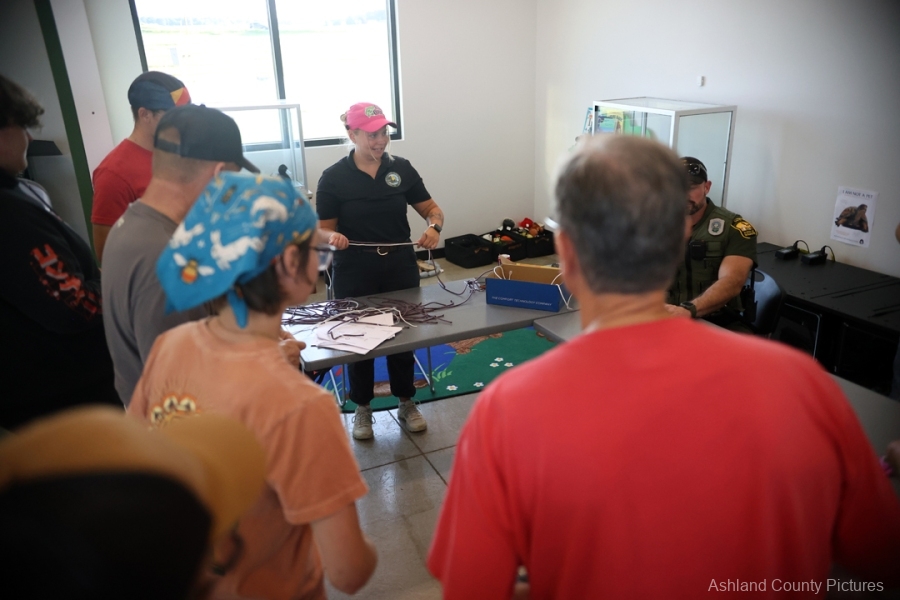
Because of the turnout, participants were divided into smaller groups that rotated among instructional stations approximately every 20 minutes.
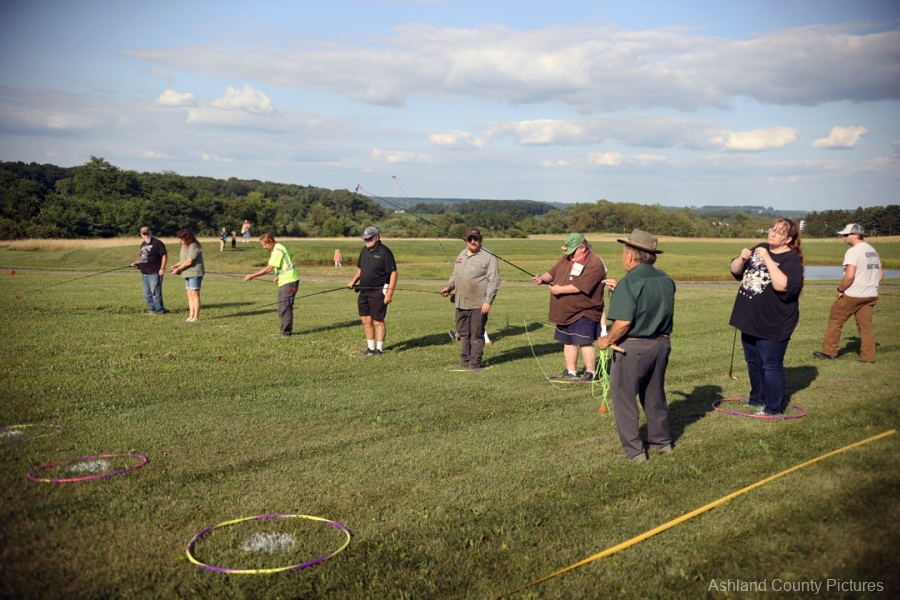
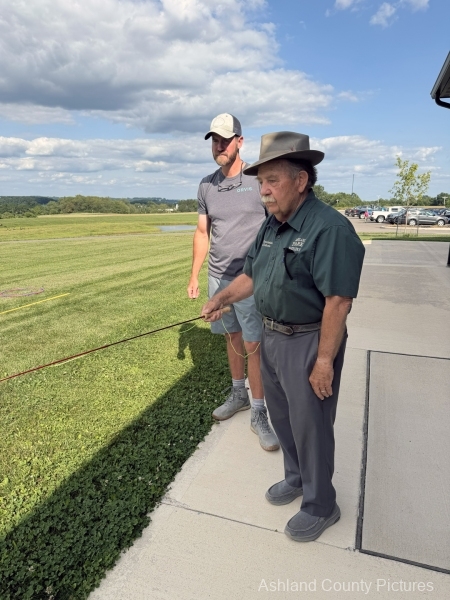
Ashland Assistant Law Director Matt Malone taught participants how to perform a roll cast, an important technique when trees, bushes, buildings or other obstacles prevent an angler from making a traditional back cast.
Malone compared the forward casting motion to flicking paint from a brush onto a wall.
“You can take it back to probably 1 o’clock and form what’s called a D-loop,” Malone explained. “The way I teach people is it’s like you have a paintbrush with paint on it and you want to flick it on a wall. That’s the motion. Bring it back, form that D-loop, flick it on the wall and send it out to where the trout are.”
Malone said the class included a wide range of experience levels.
“There are some people that you can tell have done this before and people who have never touched a fly rod, which is great,” Malone said. “and that’s why we’re doing this.”
Like the other organizers, Malone was surprised by the attendance.
“We expected eight, maybe 10, and there are 30-some people here, which is fantastic,” Malone said. “I love to do it.”
Malone has fly-fished in many locations, but said Florida offers some of the most exciting, and challenging opportunities, including tarpon, and bonefish. He said much of his fishing is done in Pennsylvania, where anglers can find quality trout streams within a few hours of Ashland.
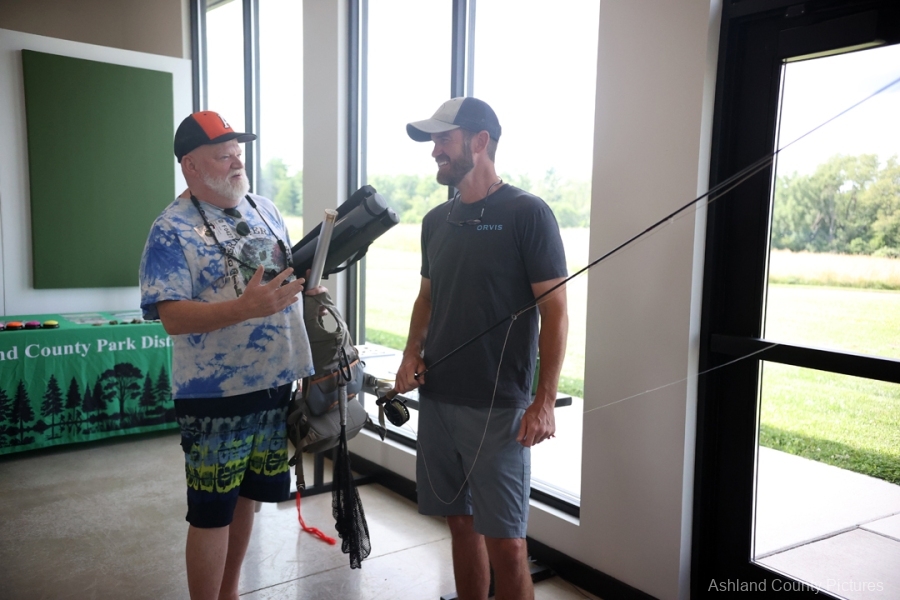
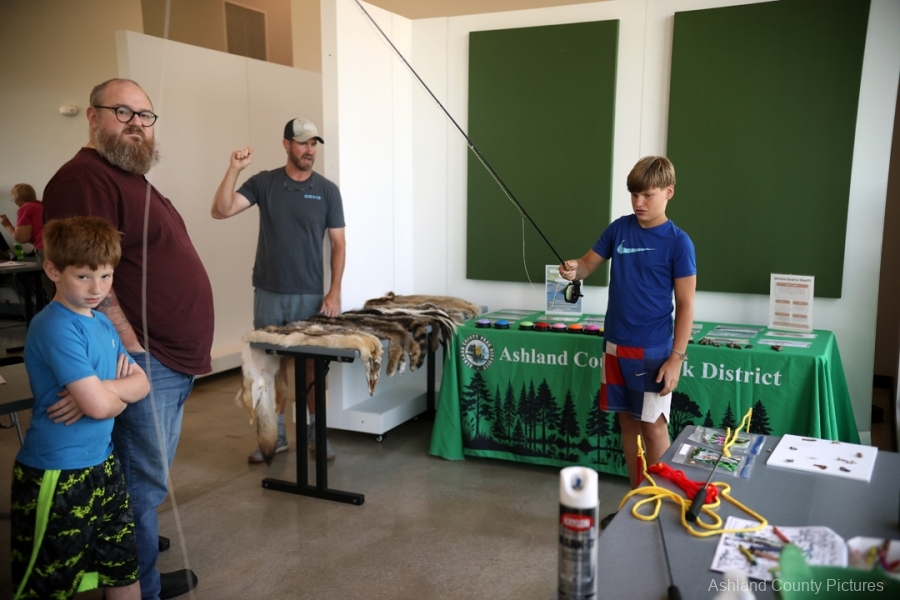
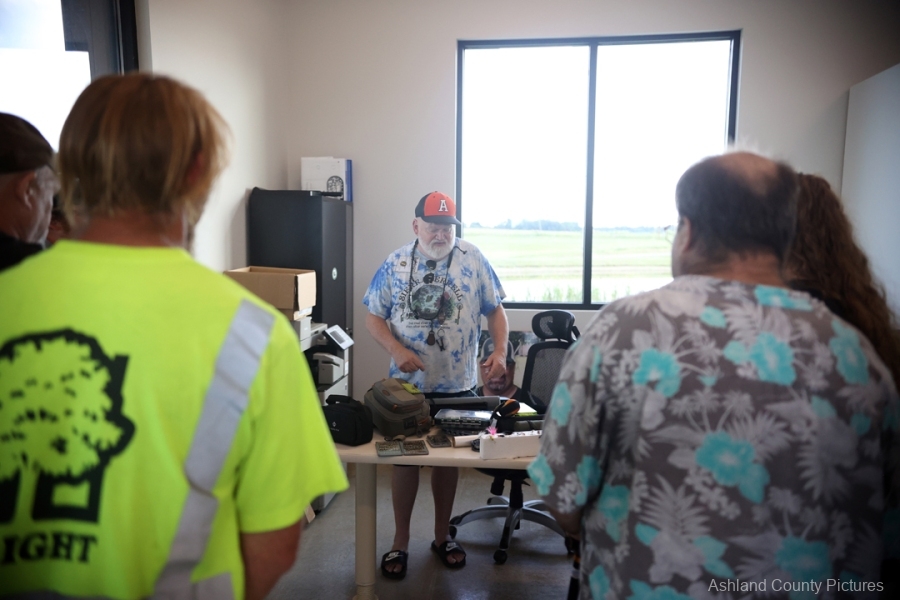
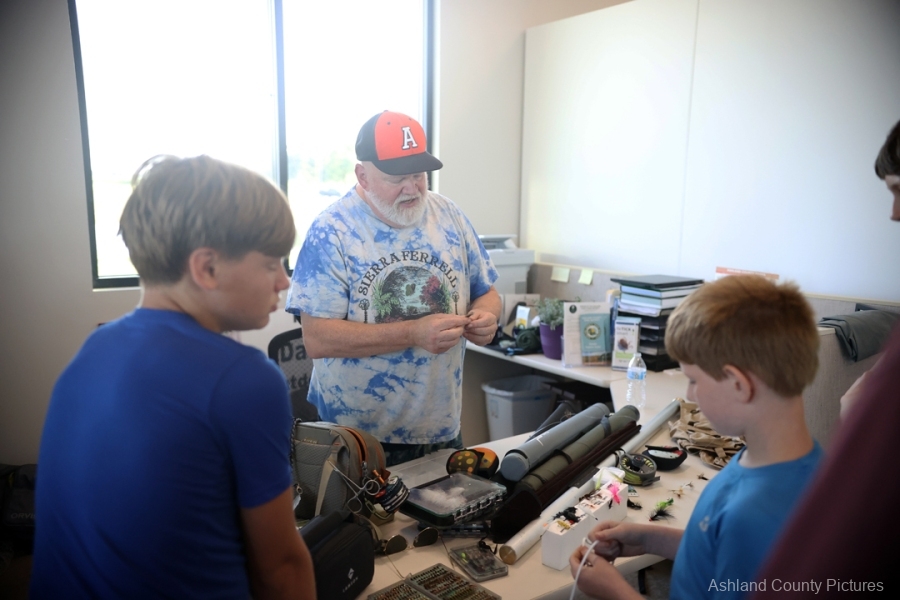
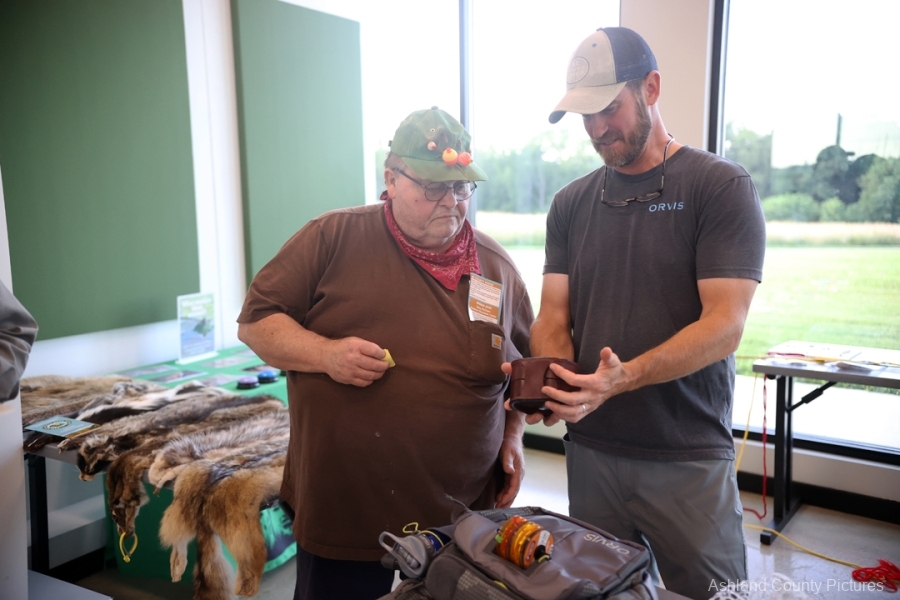
Ashland Municipal Court Judge John L. Good led a station devoted to the equipment needed to begin fly-fishing.
“I’m in charge of talking to people about equipment,” Good said. “I’m giving them an idea of the basics of what they need to get started in terms of rods, lines, reels and leaders.”
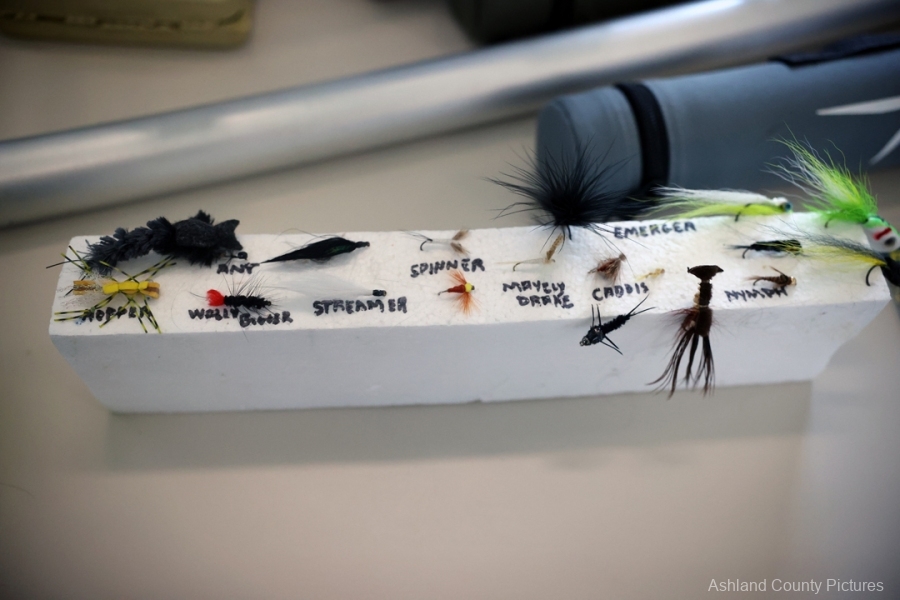
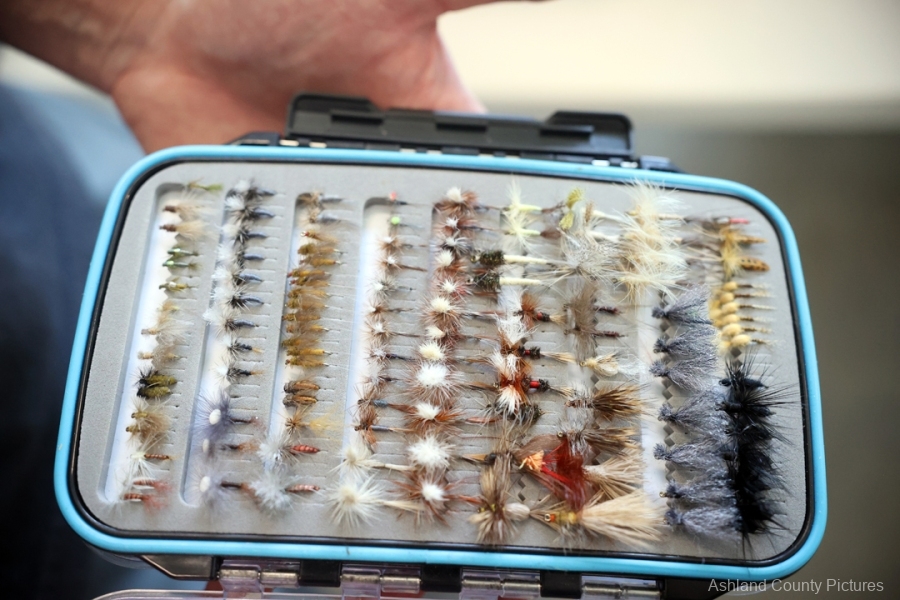
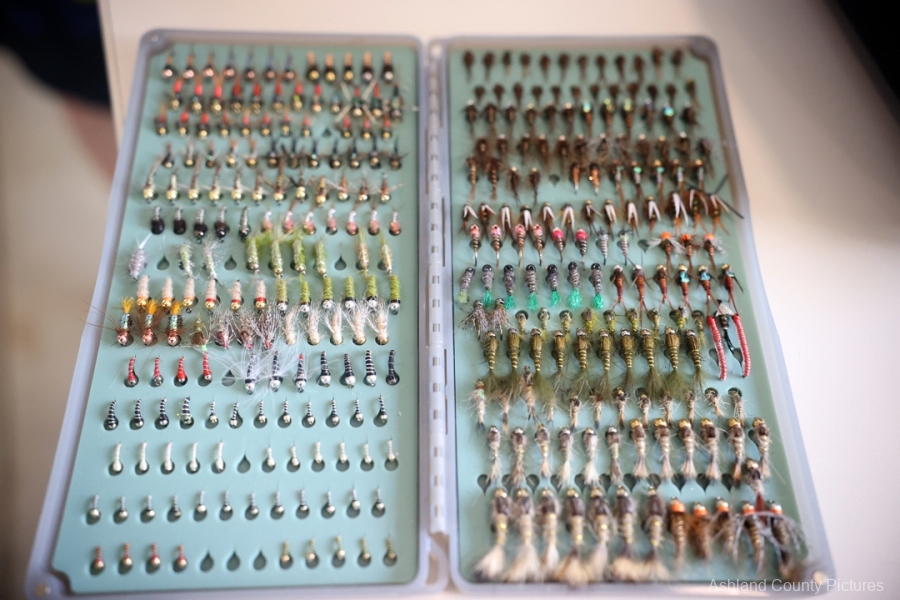
Good also introduced participants to different types of artificial flies, what they imitate and when anglers may use them.
“We’re talking to them about flies, what flies are, what kind of flies you might need and what the different flies do,” Good said.
Part of his presentation examined the four stages in the life cycle of a mayfly. Understanding the insects found around the water helps anglers choose an artificial fly that resembles the natural food fish are eating.
Good said the participants were attentive and eager to learn.
“My first group had a lot of questions,” Good said. “I really enjoyed it. They were very pleasant.”
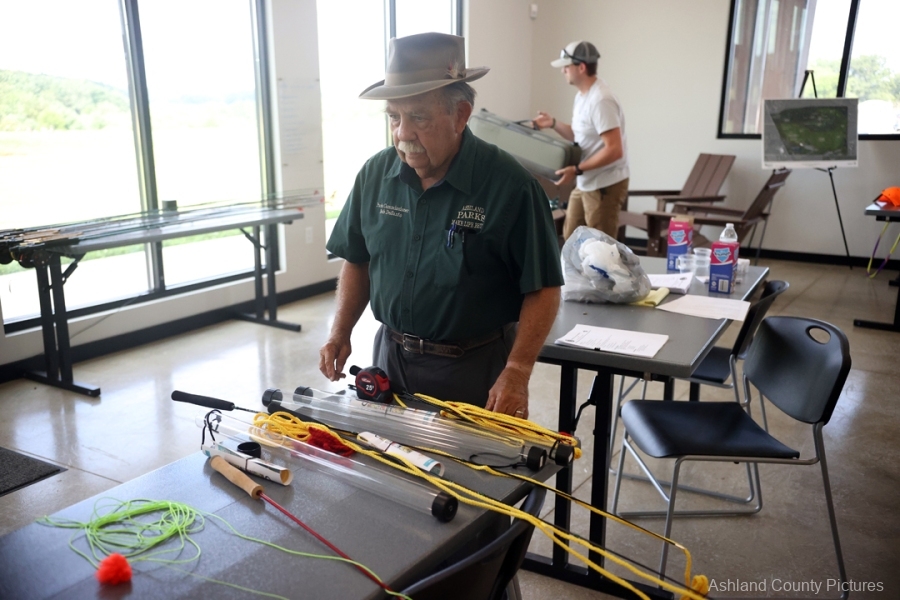
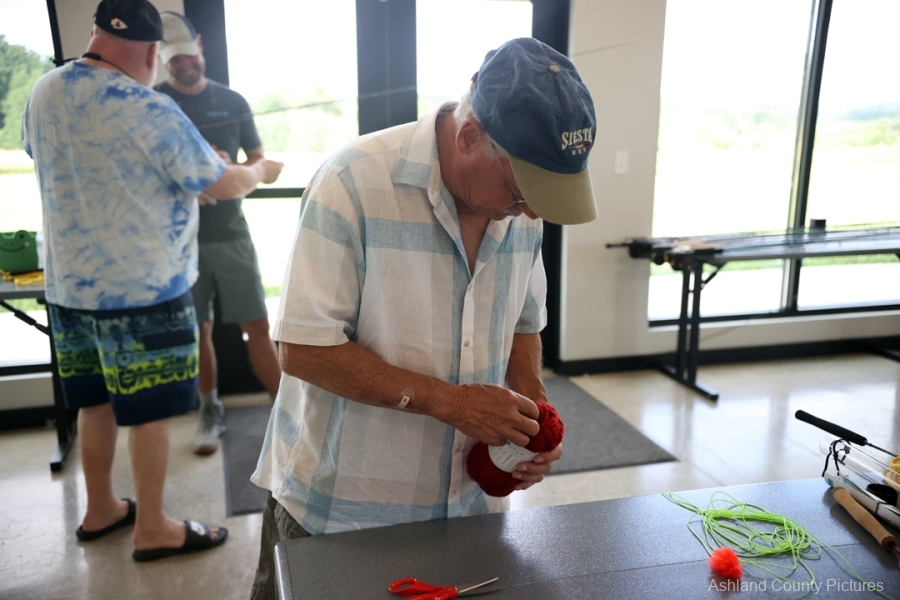
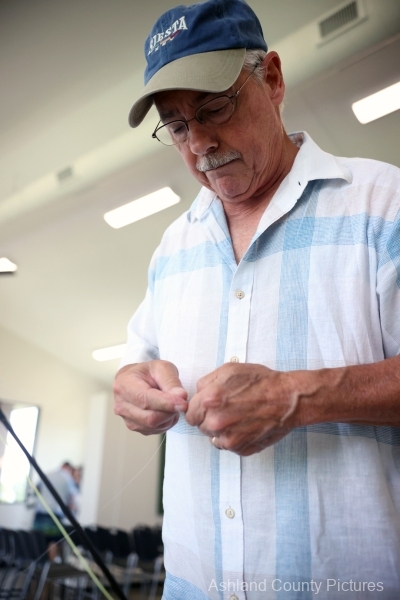
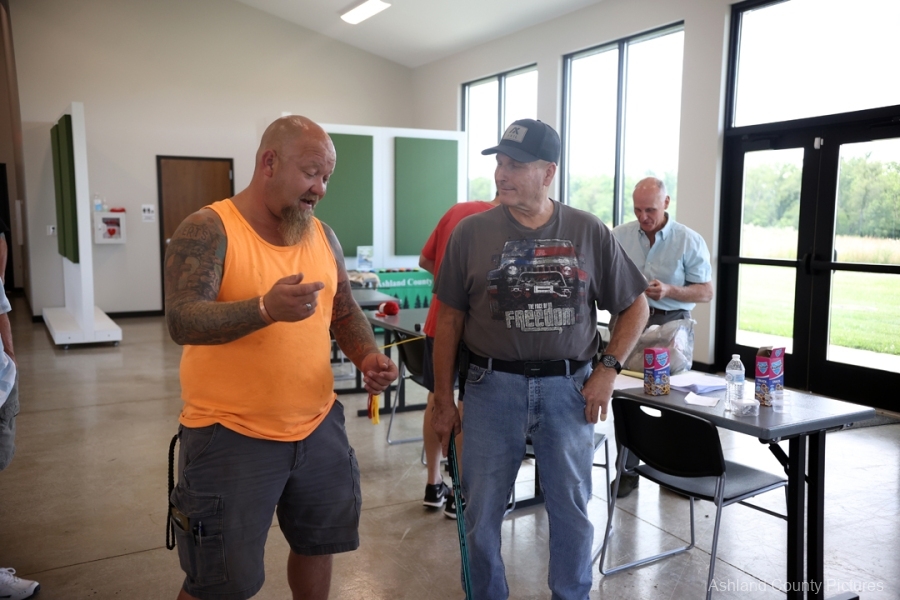
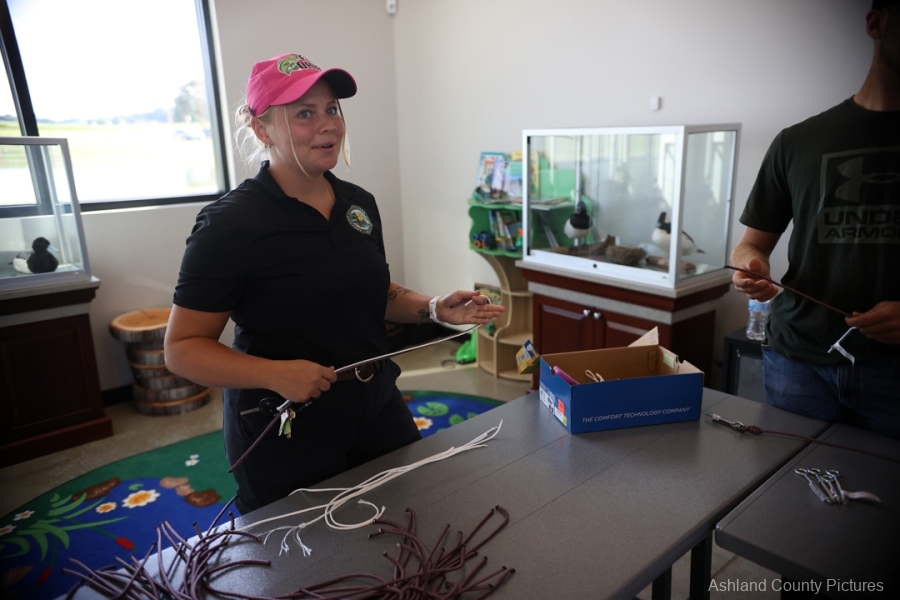
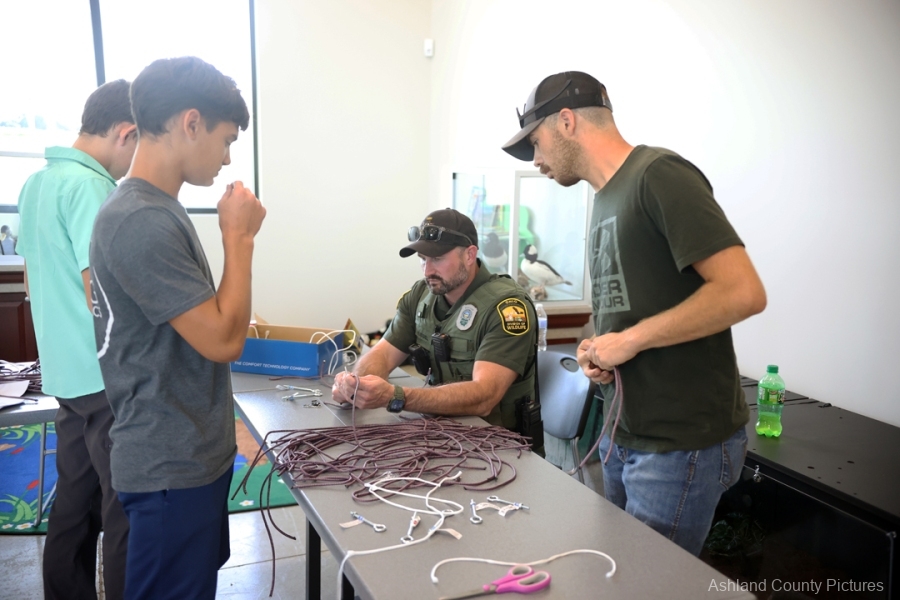
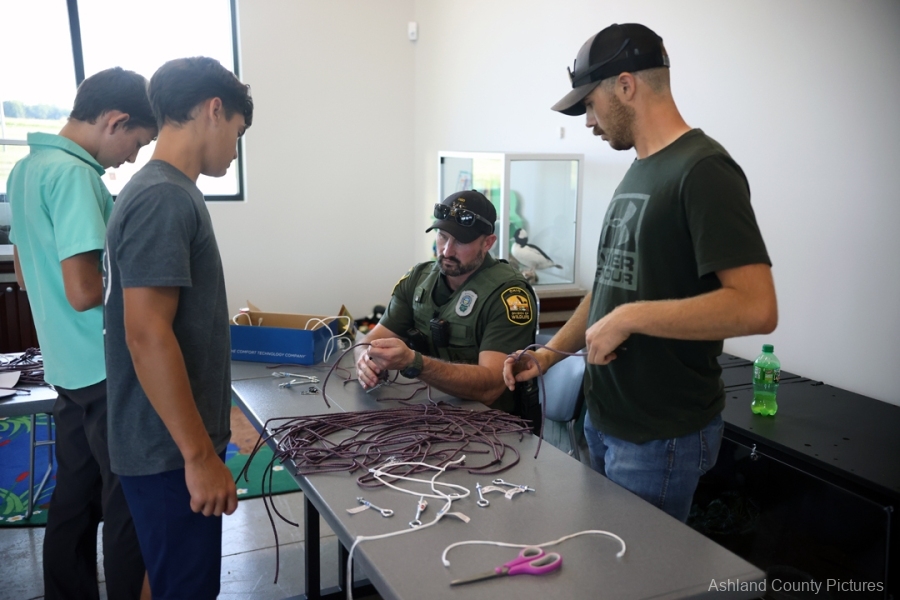
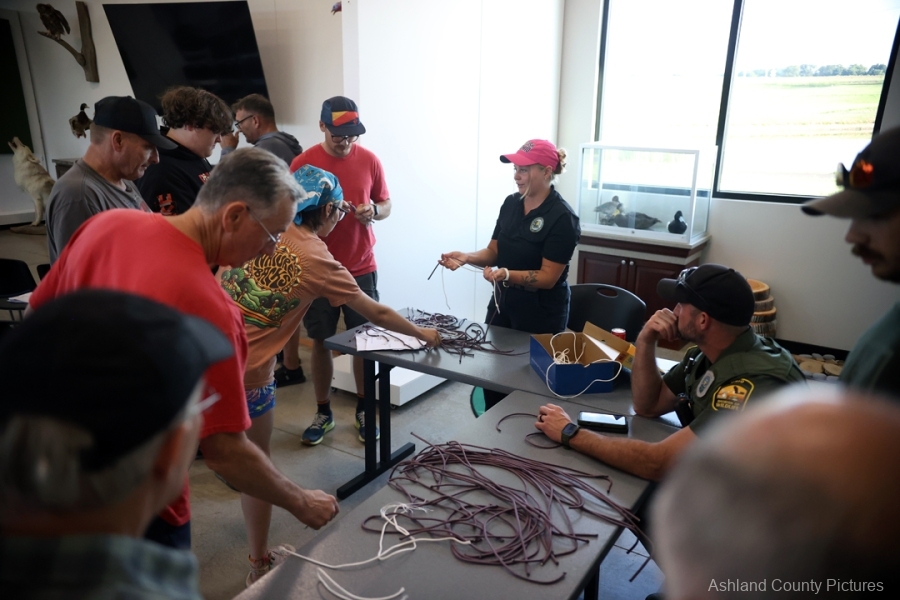
At another station, Grissom taught participants how to tie two knots commonly used in fly-fishing: the double surgeon’s knot and the clinch knot, sometimes referred to as a fisherman’s knot.
The knots can be used to connect sections of fishing line or secure a fly to the line.
“The kids were having a hard time with it, but I want to tell you, every single one of them got it,” Grissom said. “They practice, and they did it.”
Participants practiced with thicker paracord, making it easier to see and understand each step before attempting the same knot with thin fishing line.
“When they get to the thin line out there, it might be a little bit difficult, but they got it down,” Grissom said.
Grissom said the attendance was an encouraging sign for future Park District educational programs.
“I think it’s a beautiful evening, and we’re having lots of fun,” she said. “There are over 40 people here, so that is an exciting day for us.”
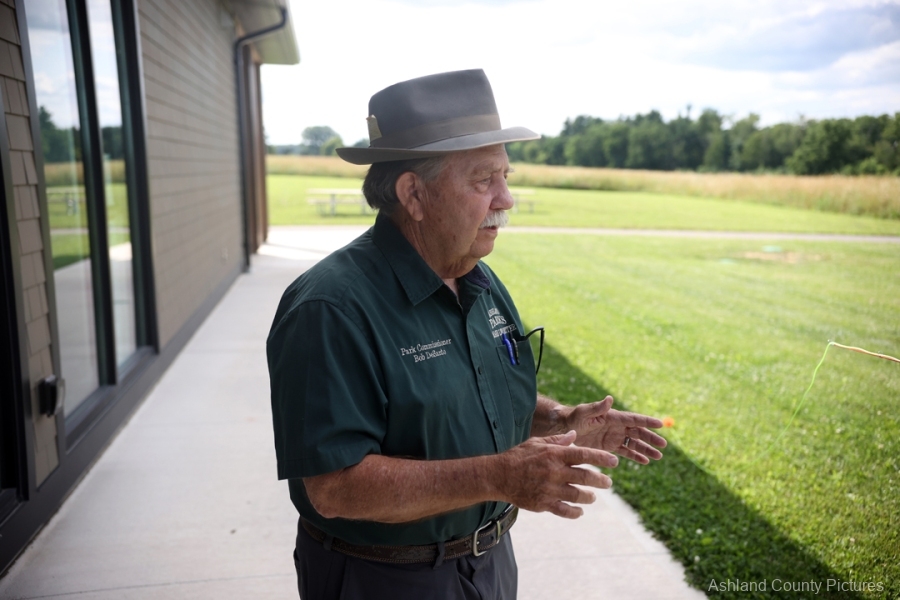
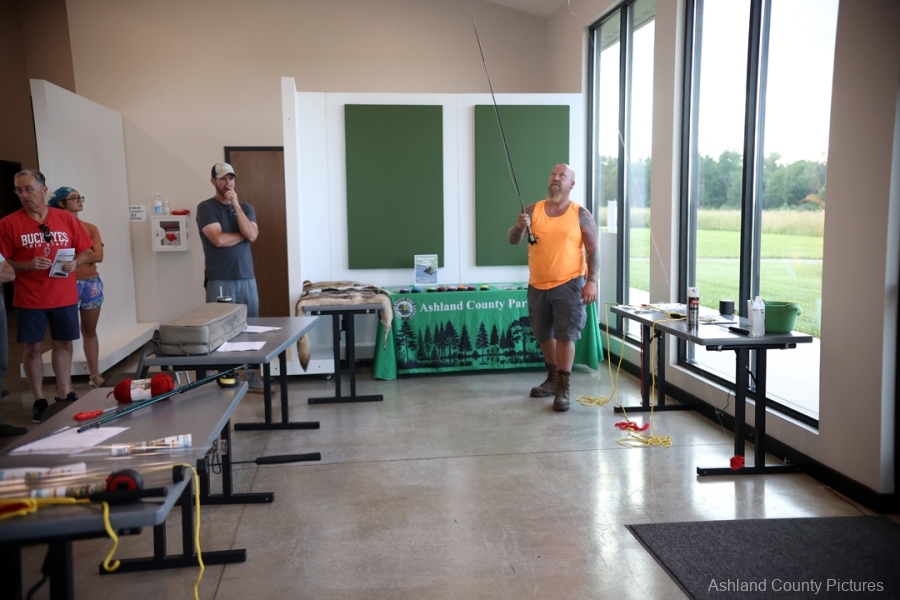
During the introductory lesson, DeSanto explained that fly-fishing differs from traditional spin fishing because an artificial fly may weigh less than an ant.
With a conventional fishing rod, the weight of a lure or sinker pulls the line through the air. In fly-fishing, the heavier fly line bends or “loads” the flexible rod and carries the lightweight fly toward the water.
DeSanto said fly-fishing can be used to catch far more than trout. Anglers can target bluegill and bass in local ponds, smallmouth bass in rivers, trout in the Mohican River and steelhead in Lake Erie tributaries.
“Some of the best fishing in the world is 40 minutes to an hour away,” DeSanto said.
Although premium fly rods and reels can cost hundreds or even thousands of dollars, DeSanto told beginners that they do not need expensive equipment to get started. He said an entry-level rod, reel and line combination can be purchased for around $69 and still catch plenty of fish.
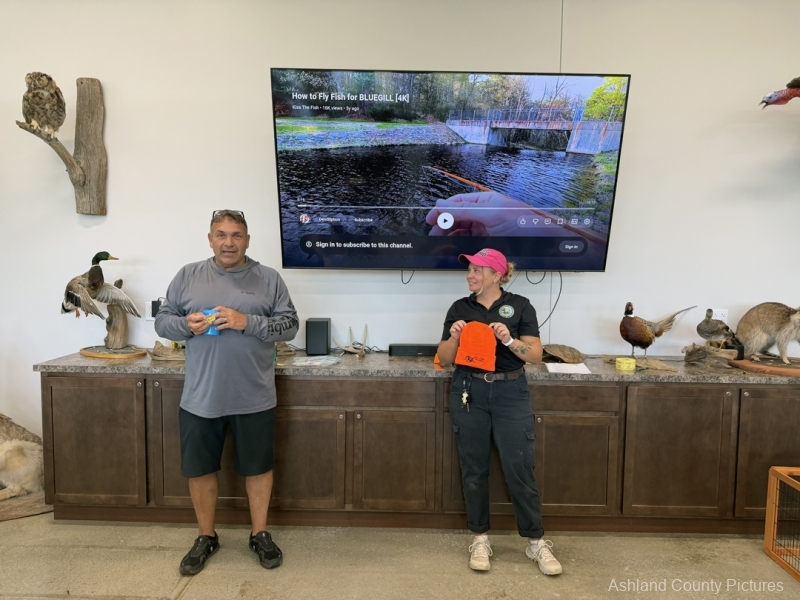
The educational stations were only part of the evening’s fun. The Park District also provided pizza and drinks, while drawings gave participants an opportunity to take home fly-fishing equipment and other prizes.
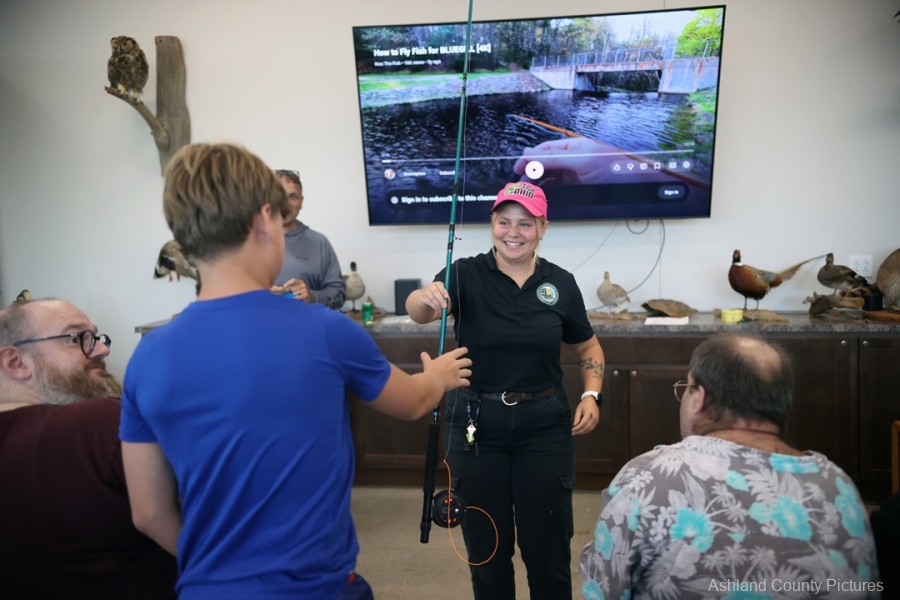
The first drawing produced an unforgettable moment when a child reached into the container and selected his own name. The crowd erupted in cheers.
Then, almost unbelievably, a second child stepped forward and also pulled out his own name.
After watching two children beat the odds in back-to-back drawings, other young participants eagerly raised their hands for the opportunity to select the third winner. The remarkable streak ended when the next child pulled someone else’s name, but the first two drawings had already become one of the most entertaining moments of the night.
One child won a fly-fishing rod equipped with a reel and line. Every participant also received a small bag containing two artificial flies, ensuring everyone left with something to use on a future fishing trip.
Other volunteers included Ashland City Council President and Ward 1 Councilman Steve Workman, Jeff Gerbick, DeSanto’s future son-in-law Josh and game protector Evan Hulley.
DeSanto said the turnout forced him to quickly contact fellow anglers and ask for additional help.
“I had to call on all my friends, which are few, but I had to call on them to come out and help us with it, and they did,” DeSanto joked.
He credited the evening’s success to the volunteers and Park District staff.
“It was a team effort, really a team effort,” DeSanto said. “I just want to thank the people who came out, and I want to thank the volunteers.”
DeSanto said the Park District hopes to offer more programs reflecting the community’s wide range of outdoor interests, including hunting, birdwatching and activities involving turtles and other wildlife.
“We want to serve everybody’s interest,” DeSanto said. “Whatever they’re interested in in nature, we want to be there for them.”
The event concluded with applause from children and adults who thanked the instructors for sharing their evening, equipment and decades of experience.
Based on the enthusiastic response, DeSanto said the fly-fishing clinic will likely return.
“Numbers are great to have, but we want to do it for the people who like it,” DeSanto said. “They showed they wanted it.”
What began as a program for perhaps five or six people became an evening filled with education, laughter and new friendships, proving that the Ashland County community was ready to get hooked on fly-fishing.