
Four Men Journey to Gettysburg in Search of History, Truth and the Meaning of a Battlefield
By Kenneth Hammontree and Joe Lyons
Article One
GETTYSBURG, Pa. — What began as a weekend road trip became something much more meaningful for four men searching for history, truth and a deeper understanding of one of the most important battles ever fought on American soil.
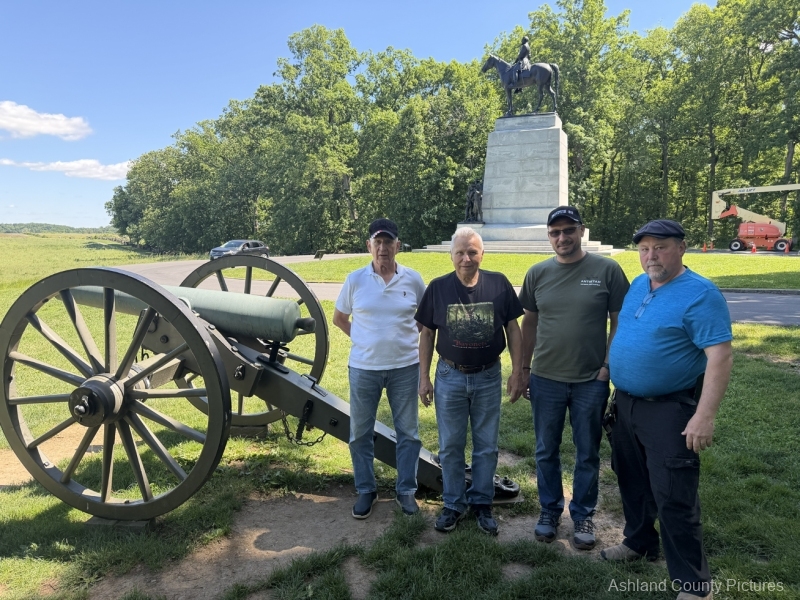
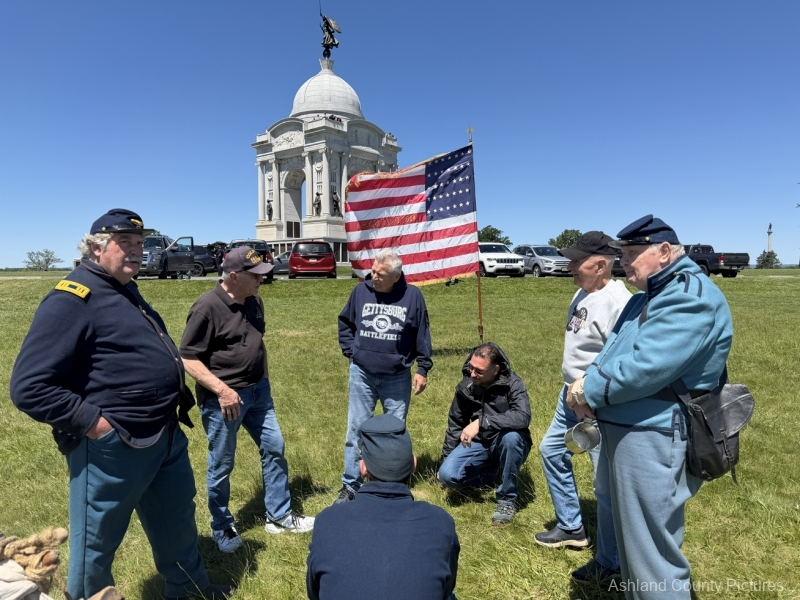
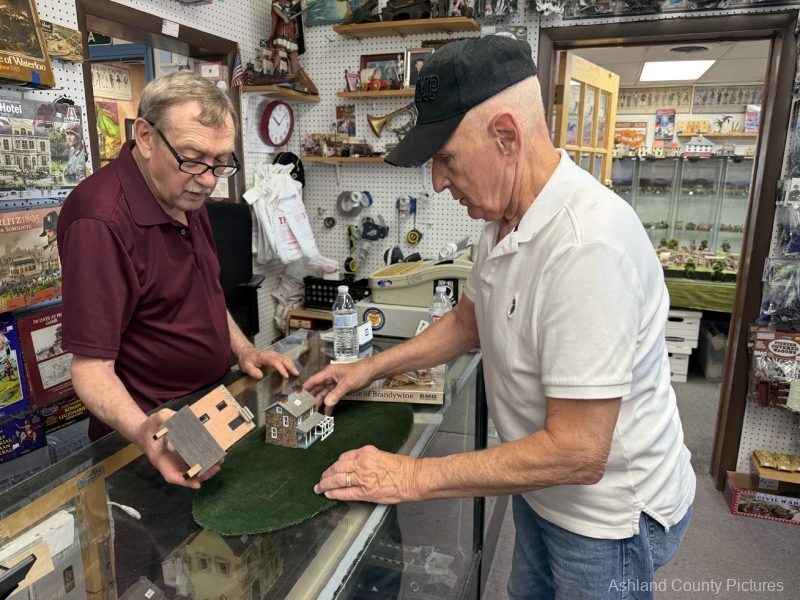
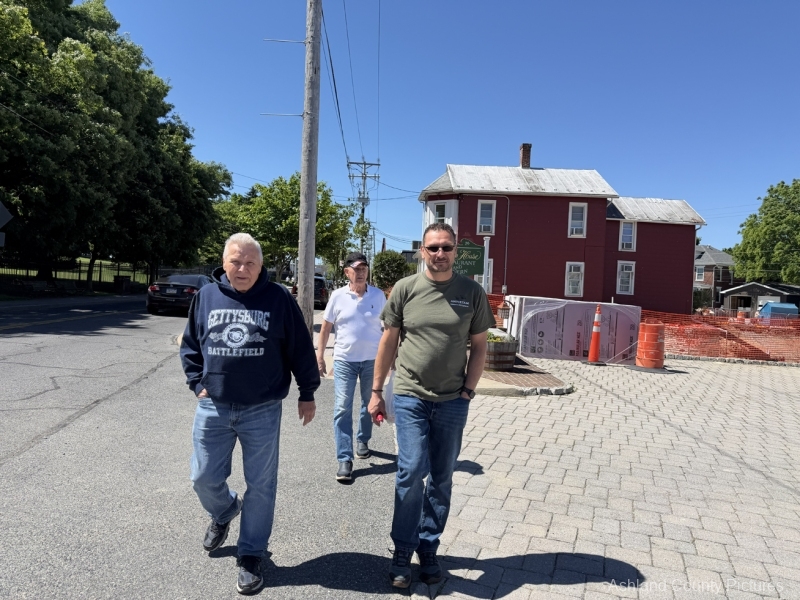
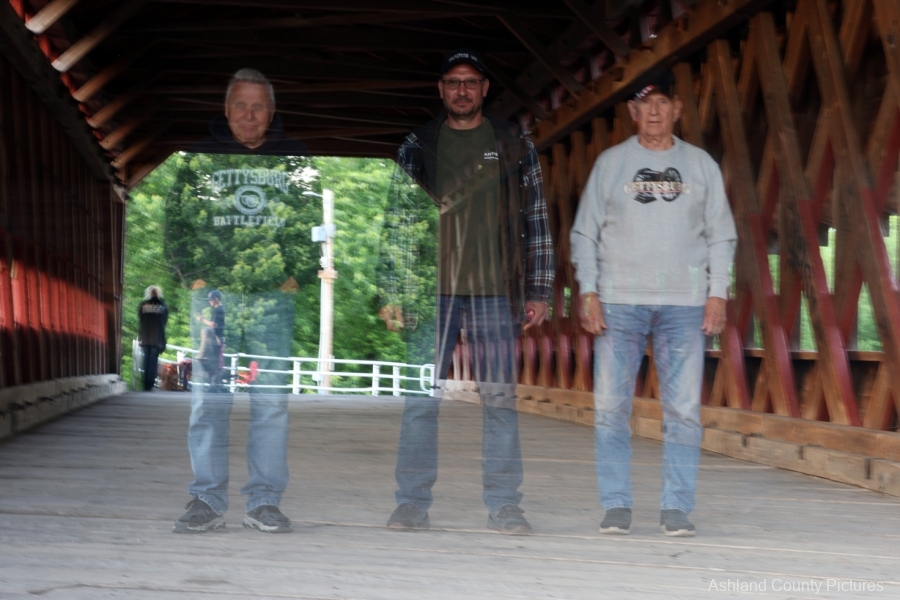
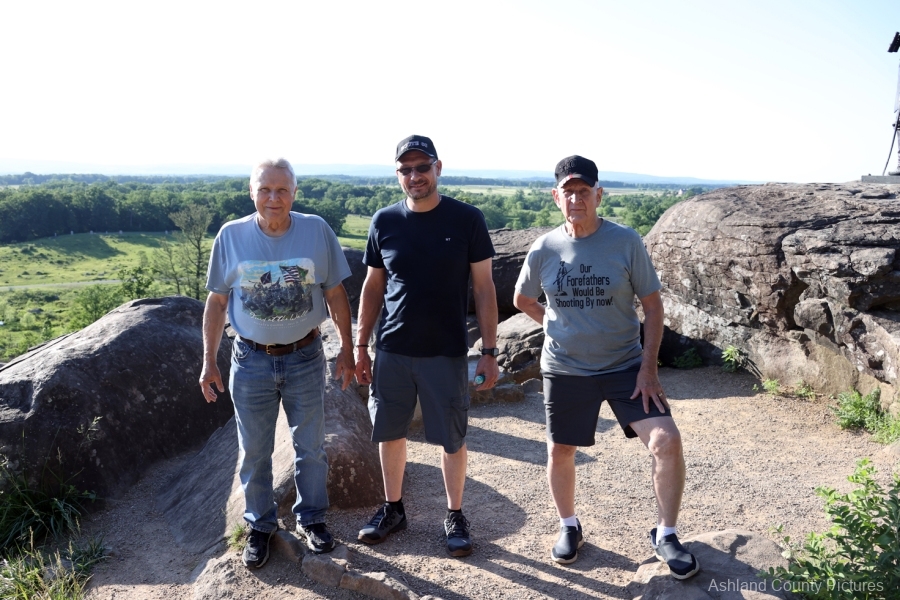
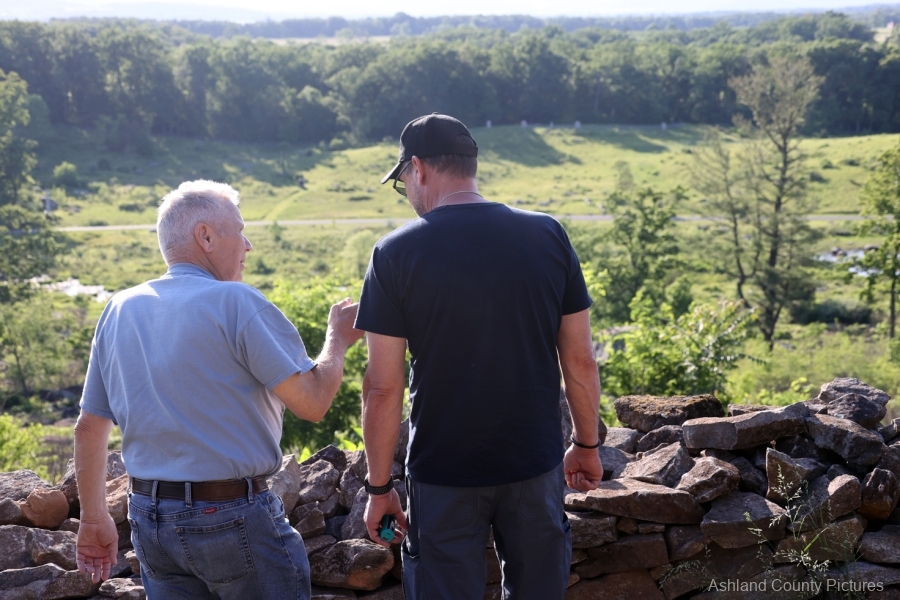
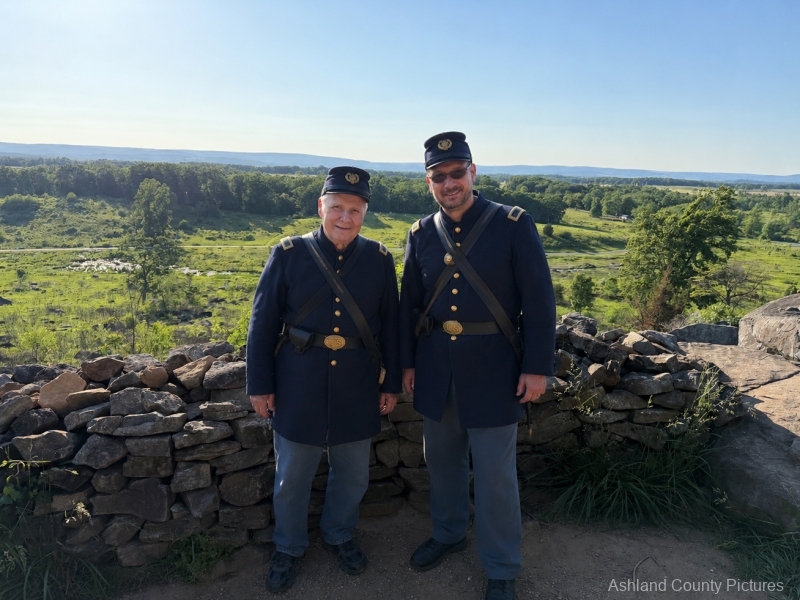
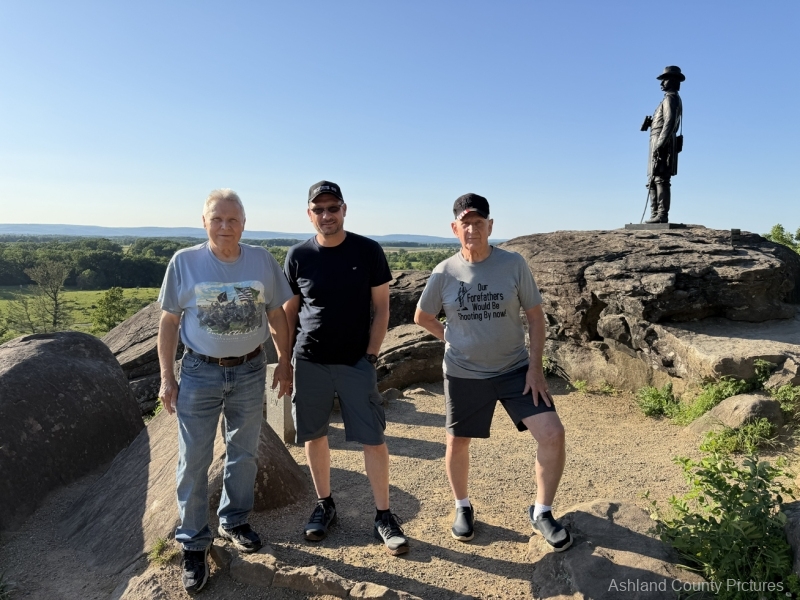
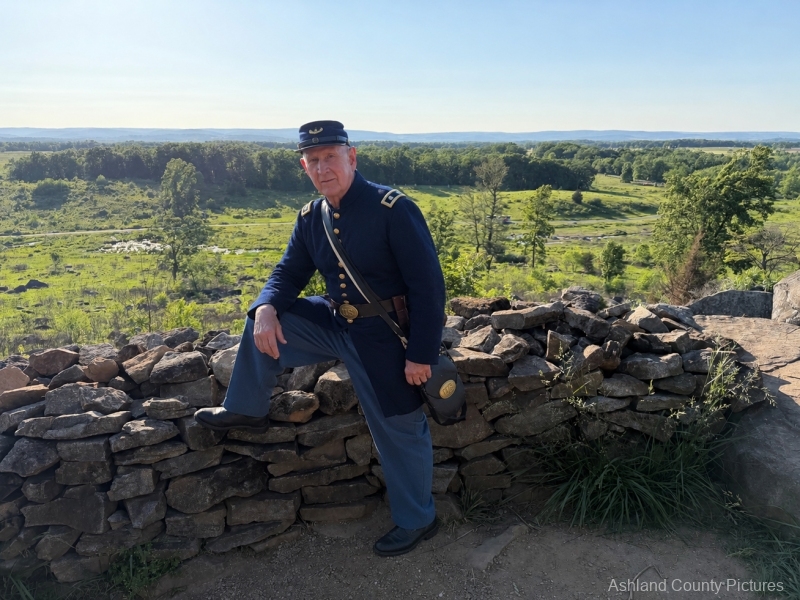
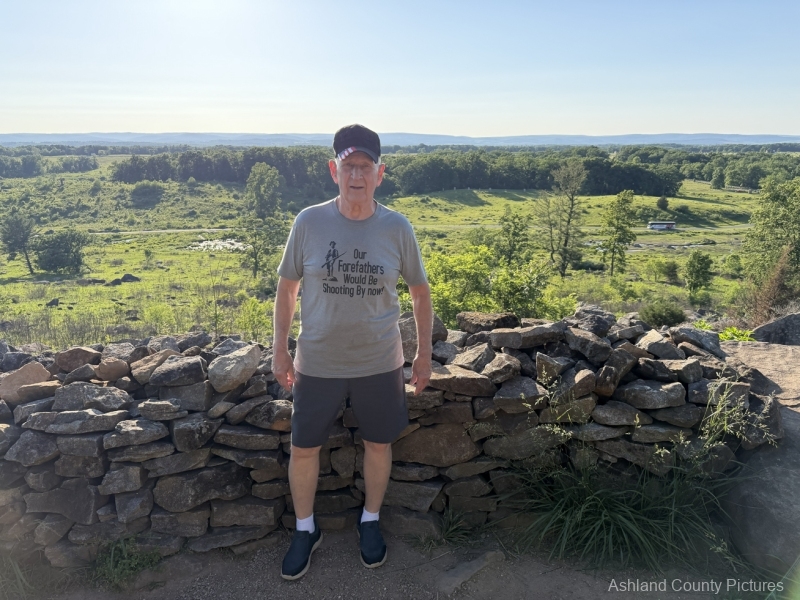
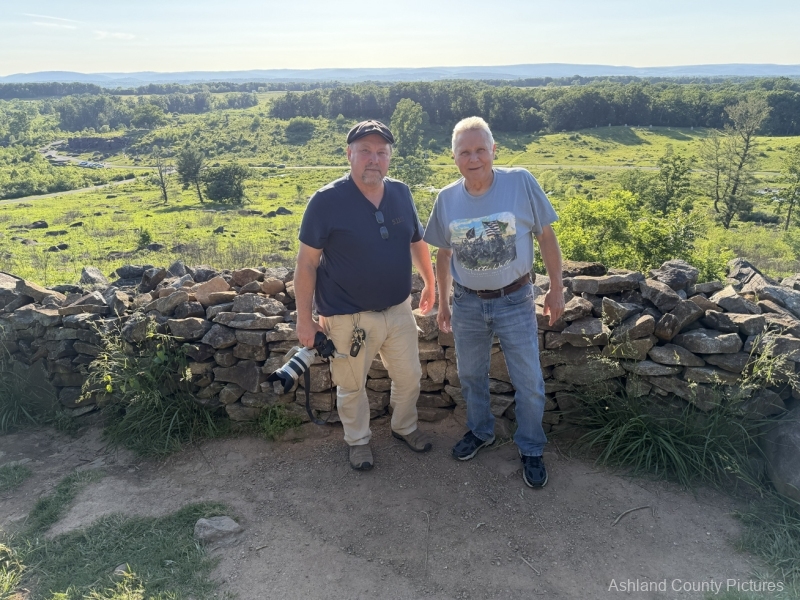
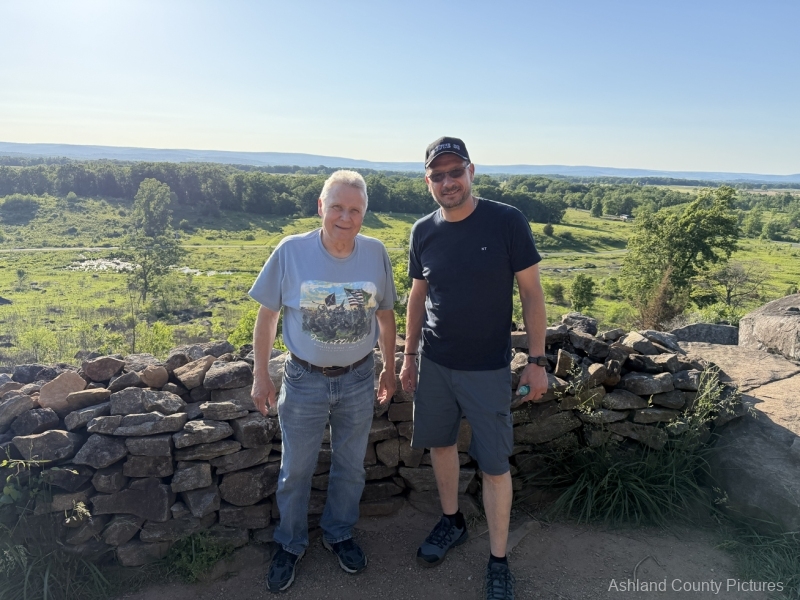
On May 28, 29 and 30, 2026, Steve Patterson, Joe Lyons, Ryan Chambers and historian Kenneth Hammontree traveled to Gettysburg, Pennsylvania, to explore the battlefield where the future of the United States was tested during the Civil War.
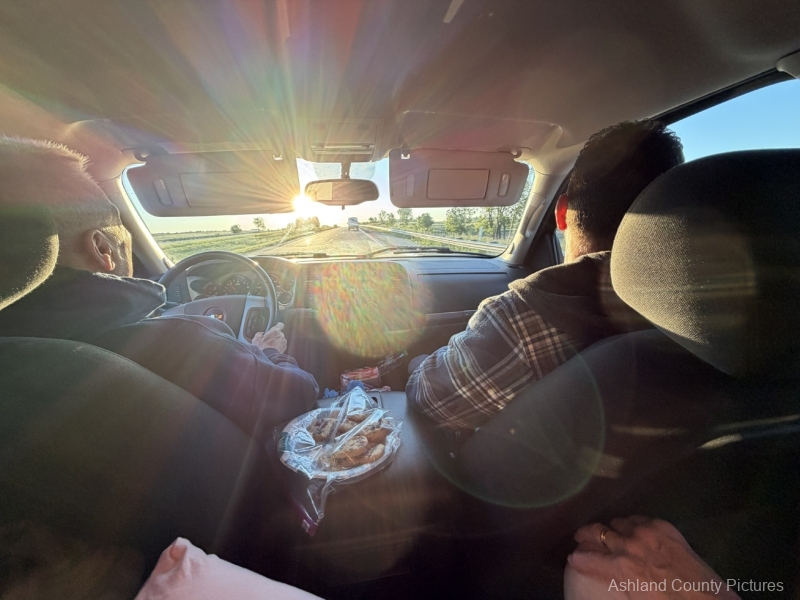
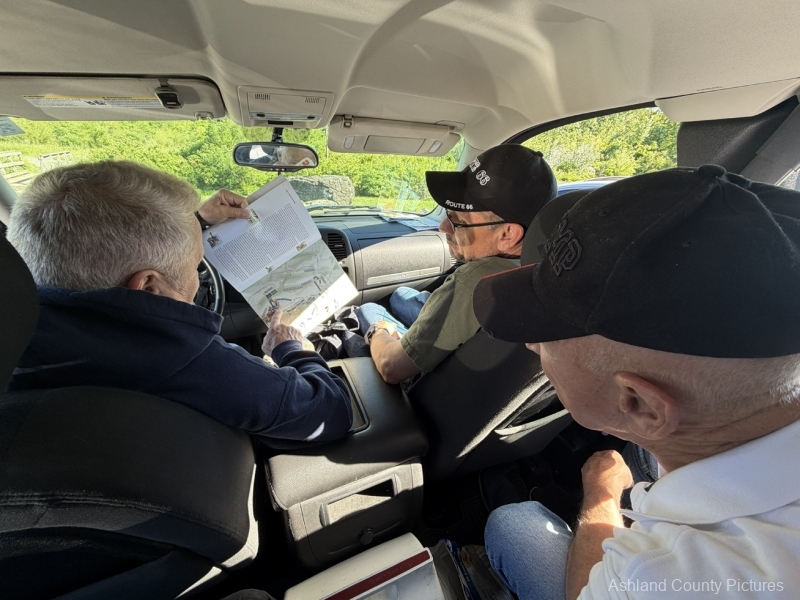
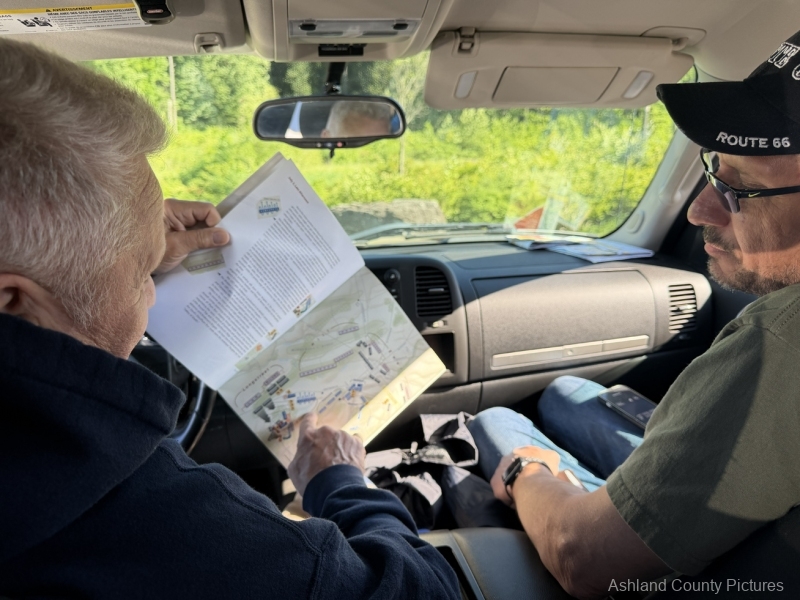
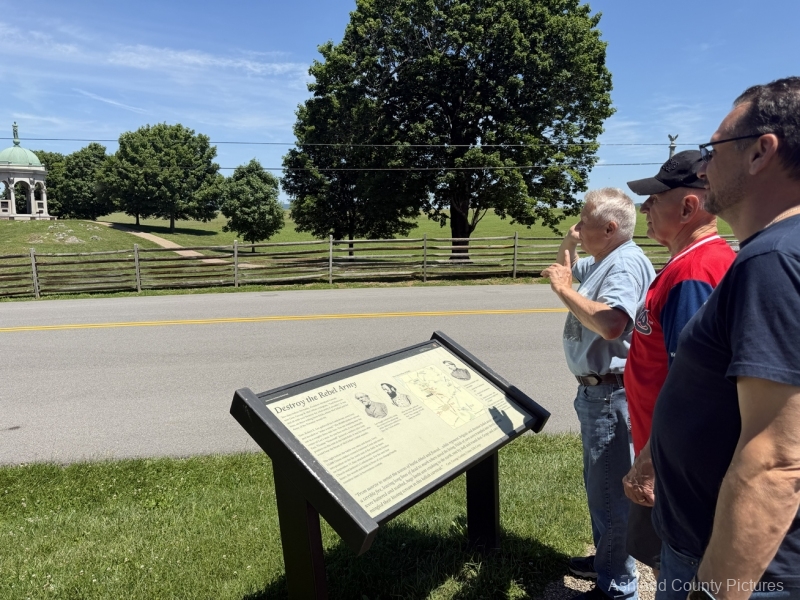
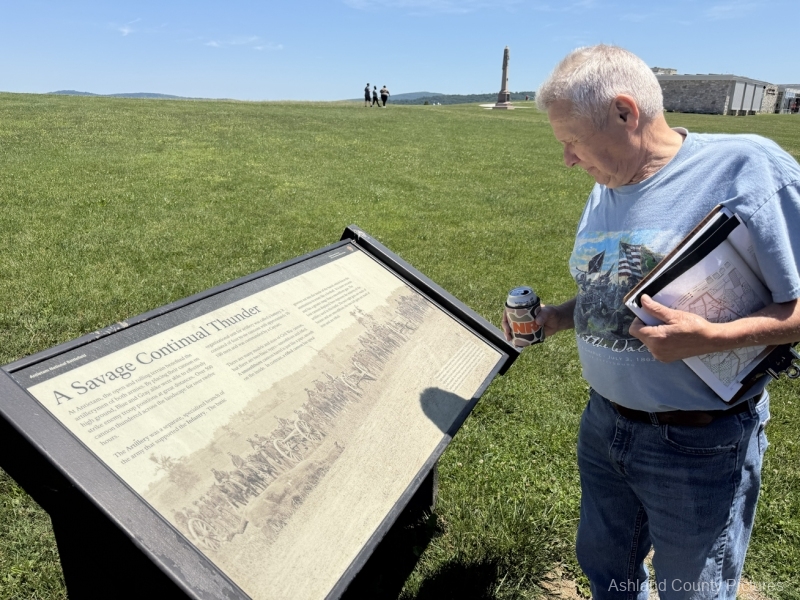
The trip began early, just as the sun was crossing the eastern sky. The four men took turns driving, sharing stories, laughter and conversation along the way. By Friday afternoon, they reached Antietam, Maryland, where they spent several hours visiting the historic battlefield before continuing on to their hotel in Gettysburg.
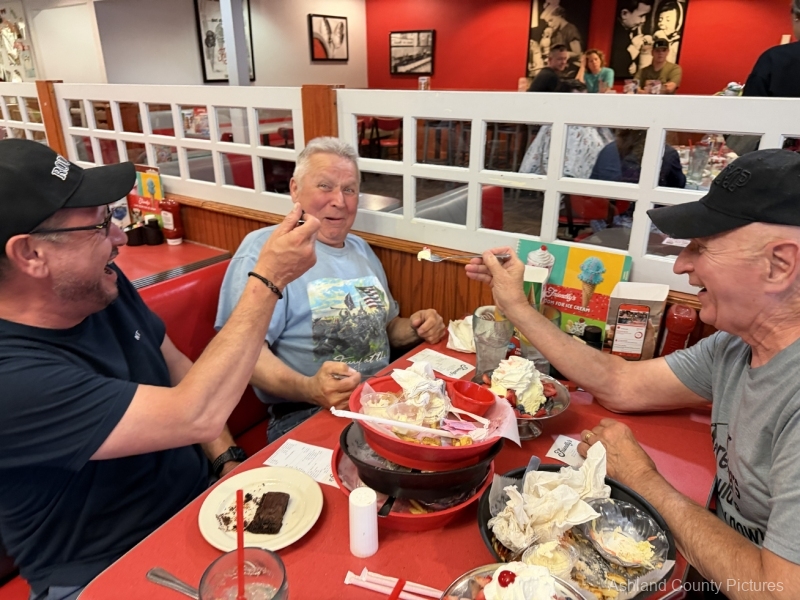
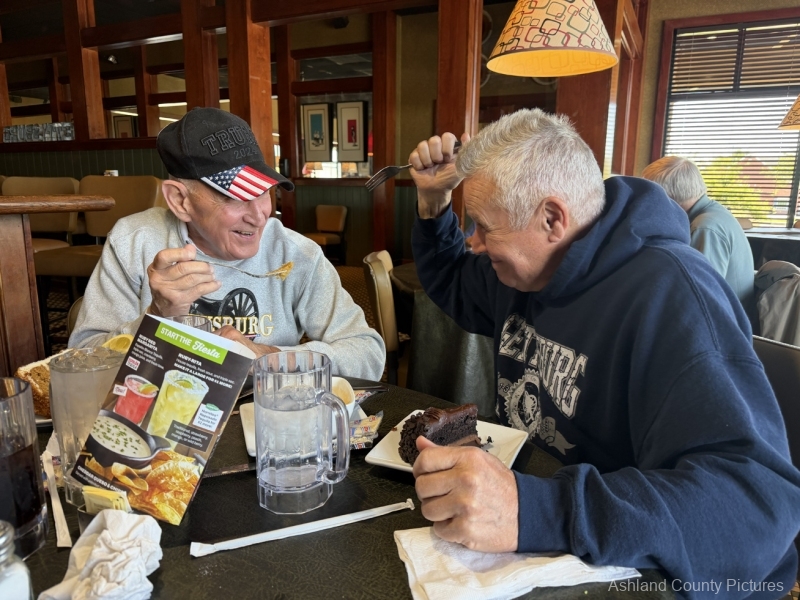
For Lyons, the weekend was filled not only with history, but also with humor and friendship.
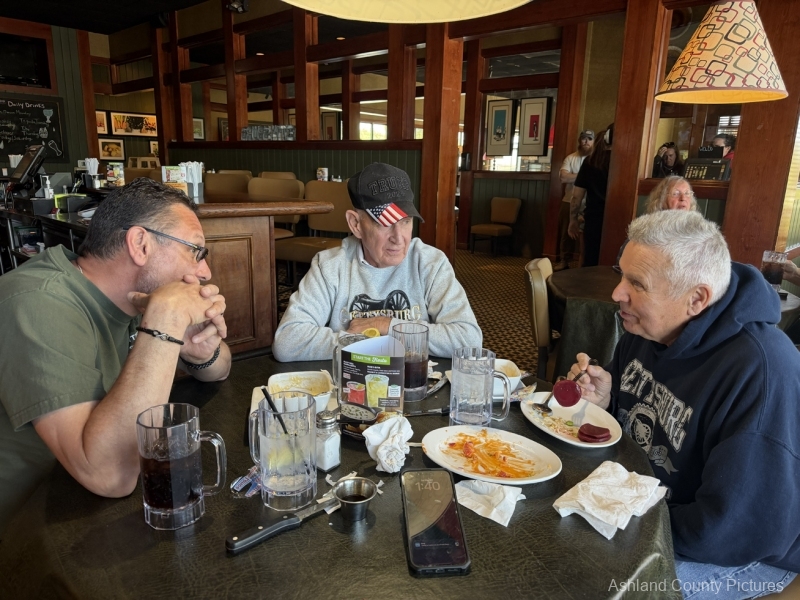
“This past weekend, I had an incredible time,” Lyons said. “I don’t think I have laughed this much in a long time. The humor and camaraderie were incredible.”
The trip is expected to become the beginning of a series of stories exploring what the group learned while walking the grounds where thousands of soldiers fought and died.
Hammontree described the project as a documentary-style journey through Gettysburg as experienced by four men trying to understand why the most costly battle of the Civil War was fought in and around a small Pennsylvania town and why that battle mattered so deeply to the survival of the nation.
The men set out in search of answers to several major questions: Why Gettysburg? What was the town’s significance? How did the battle help save the Union? And how did those three days in July 1863 change the course of American history?
More than 620,000 soldiers died during the Civil War, out of a United States population of about 31 million people in 1860. The staggering loss represented roughly 2% of the nation’s population at the time.
When Abraham Lincoln took the oath of office on March 4, 1861, many believed he might become the last president of a united, United States. The nation was fractured, the Constitution was under strain, and the future of the republic was uncertain.
The Battle of Gettysburg, fought from July 1 through July 3, 1863, became a major turning point in that struggle.
The four men agreed that the overall purpose of the Gettysburg Campaign was very different for each side. For the Union, the goal was to protect Washington, D.C., stop Gen. Robert E. Lee’s Army of Northern Virginia and bring the war closer to an end. For the Confederacy, the campaign represented a chance to win a major victory on Northern soil, threaten key cities and pressure Washington into seeking peace.
Lee’s advance into Pennsylvania placed Harrisburg and Washington at risk. Had his plan succeeded to its fullest extent, the Army of Northern Virginia may have been able to threaten, surround or even capture the nation’s capital. Such a victory could have disabled the federal government and possibly led to the capture of the president.
Instead, the fighting at Gettysburg stopped Lee’s invasion of the North.
The battle unfolded across streams, hills, roads, ridges, farms and open fields. It was a massive three-day clash between two large armies that resulted in devastating destruction and tremendous casualties. Although the battle was not originally planned for Gettysburg, the small town became the place where the fate of the nation shifted.
Hammontree noted that the Union victory at Gettysburg, coupled with the fall of Vicksburg, marked the beginning of the end for the Confederacy.
Over the next several articles, Hammontree, Lyons, Patterson and Chambers will take readers through the three days of fighting at Gettysburg. Their journey will explore the battlefield, the decisions made by commanders, the sacrifice of soldiers and the moments that led to a decisive Union victory.
Each stop along the battlefield offered the men a chance to better understand how courage, strategy, sacrifice and circumstance came together in a small Pennsylvania town to help preserve the United States of America.
Lyons said he hopes readers will enjoy the photos and stories from the trip as much as he enjoyed experiencing them.
For the four men, Gettysburg was more than a battlefield. It was a place to walk through history, reflect on the cost of freedom and better understand how one small town became forever tied to the survival of the Union.