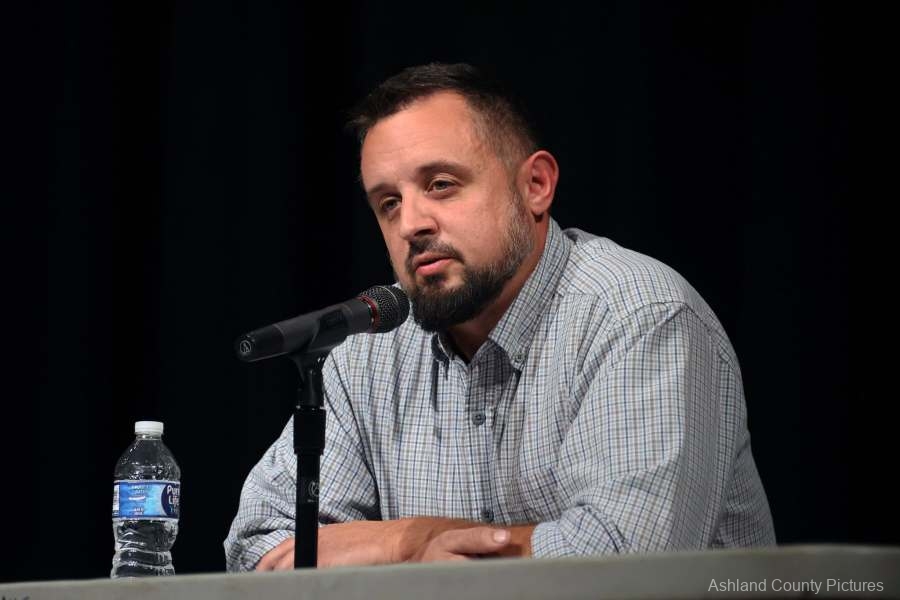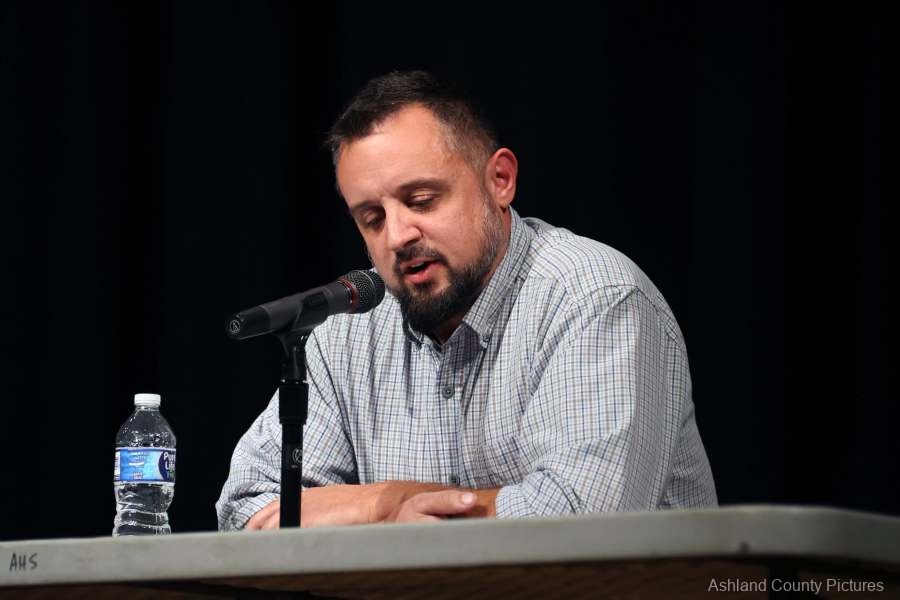

Brandon Carpenter, Sandy Bally Discuss County Priorities at Ashland County Commissioner Debate
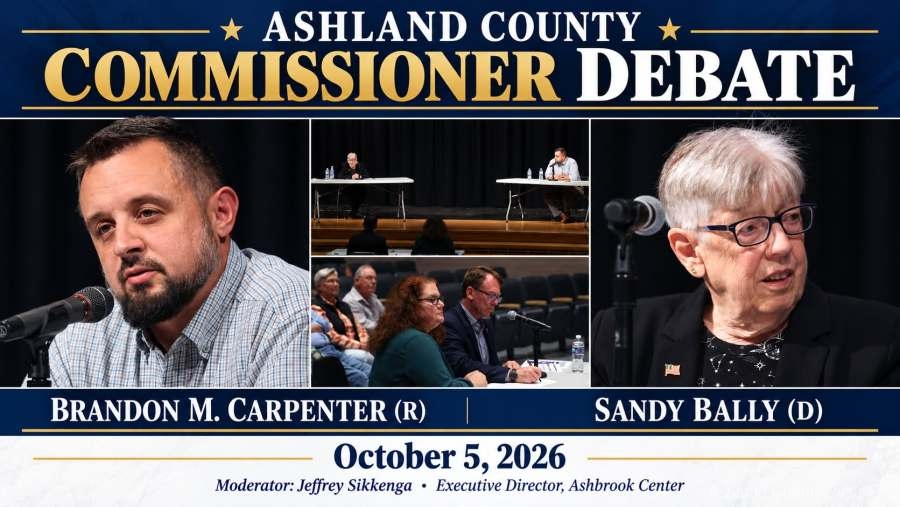
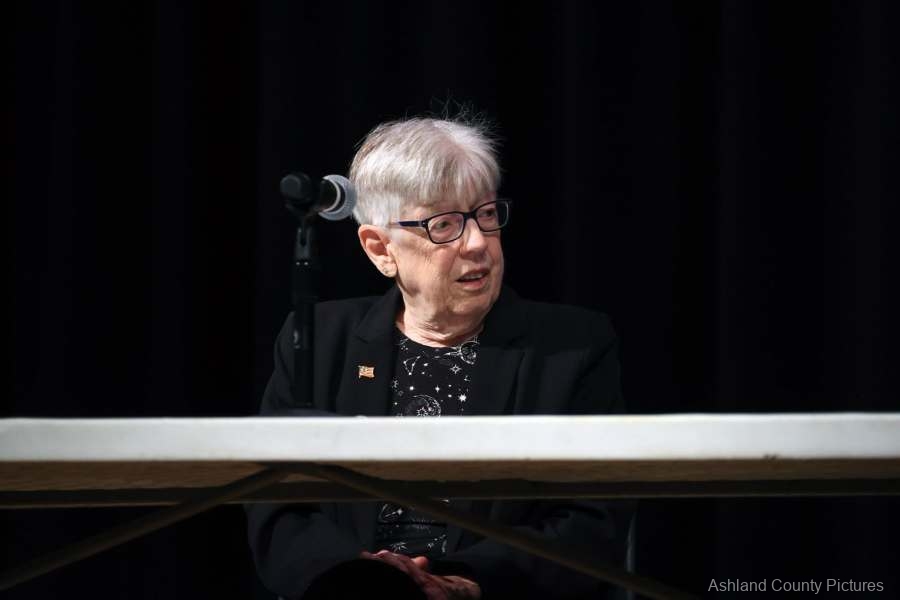
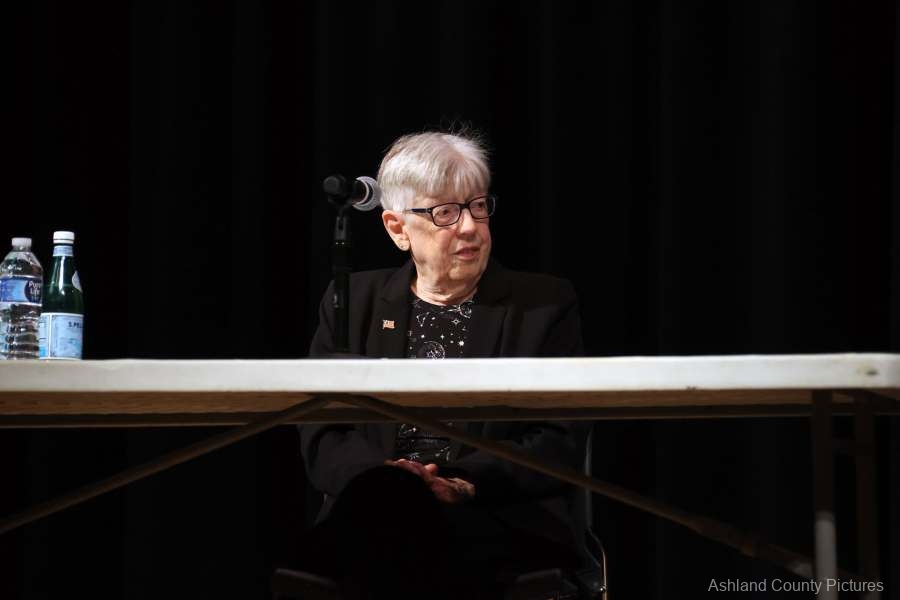
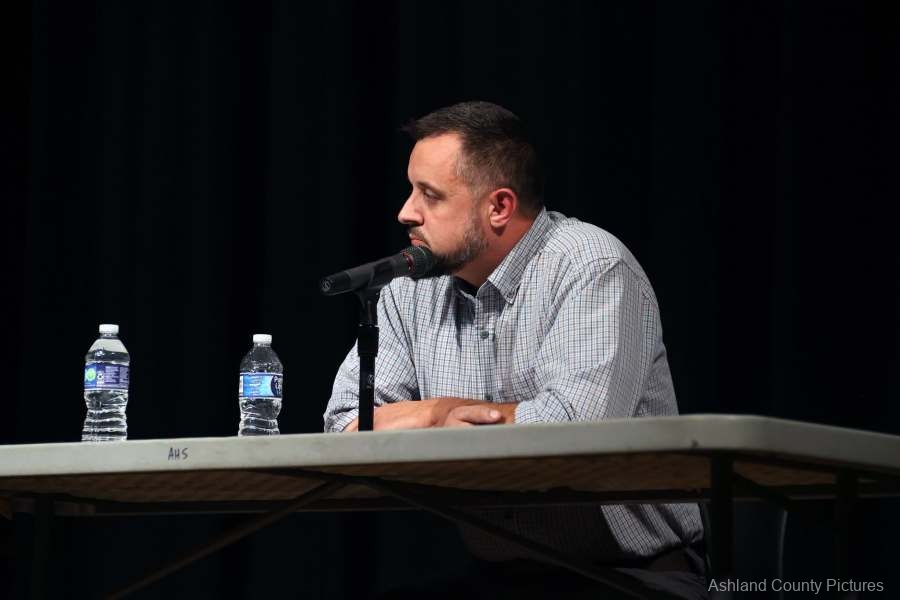
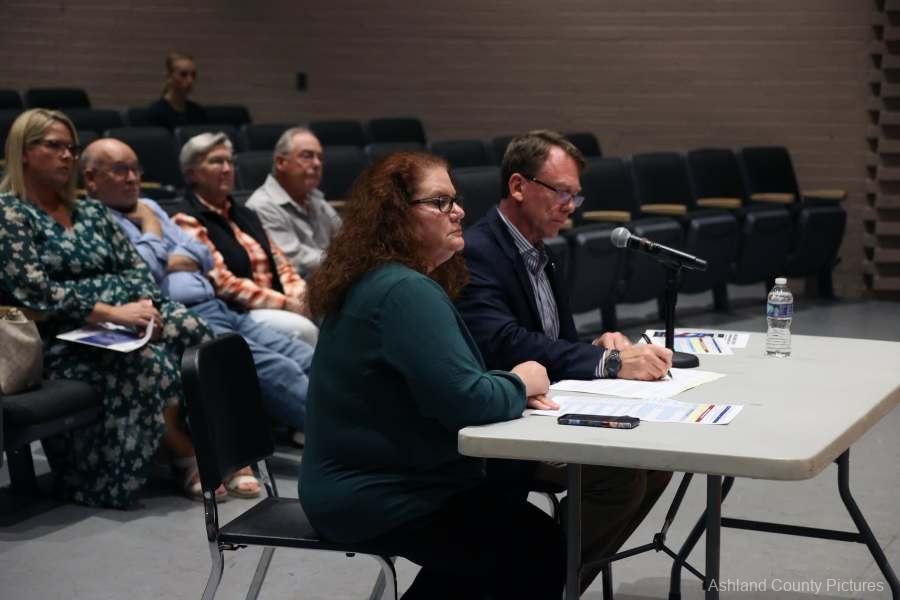
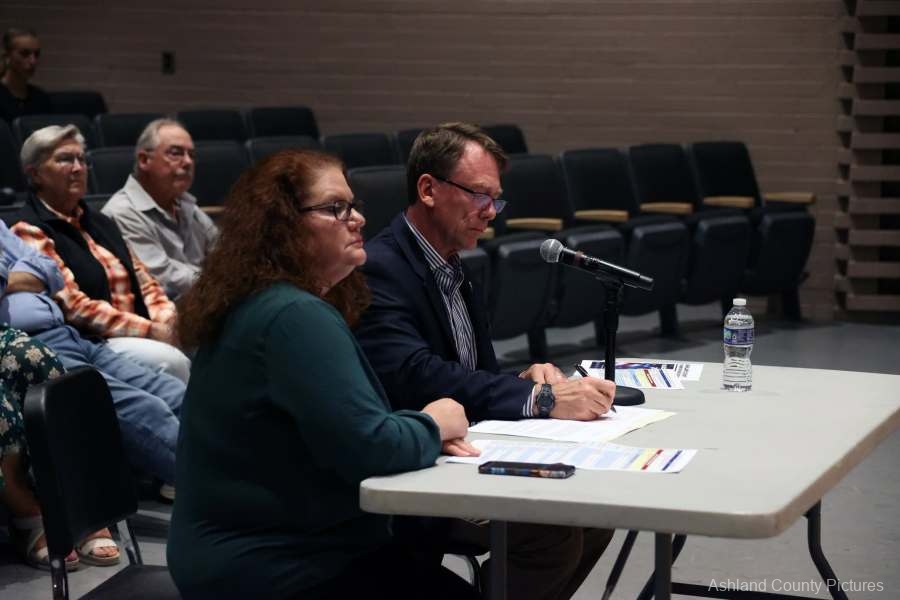
ASHLAND — County spending, government transparency, public safety and the future of local development took center stage Monday evening as Ashland County commissioner candidates Brandon M. Carpenter (R) and Sandy Bally (D) discussed their priorities and differences ahead of the November election.
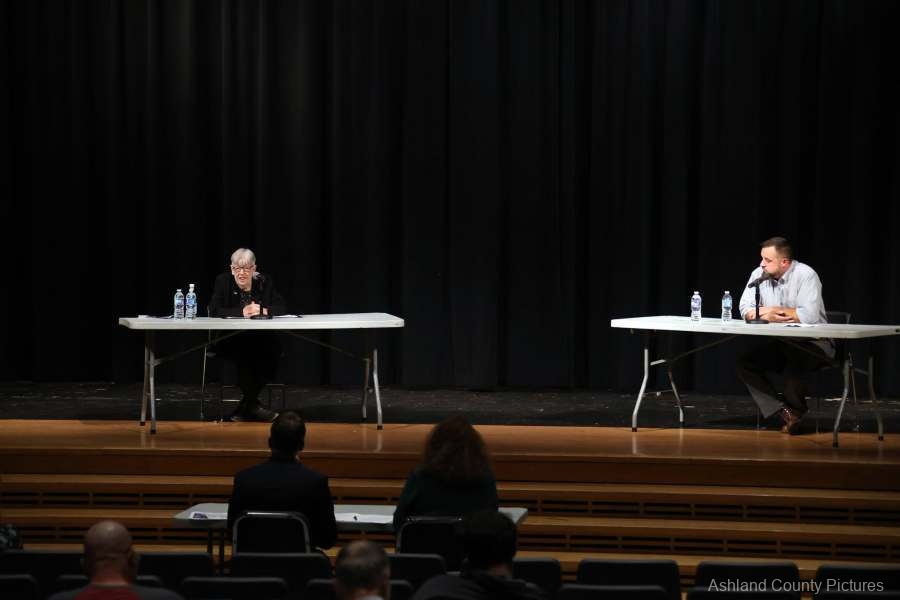
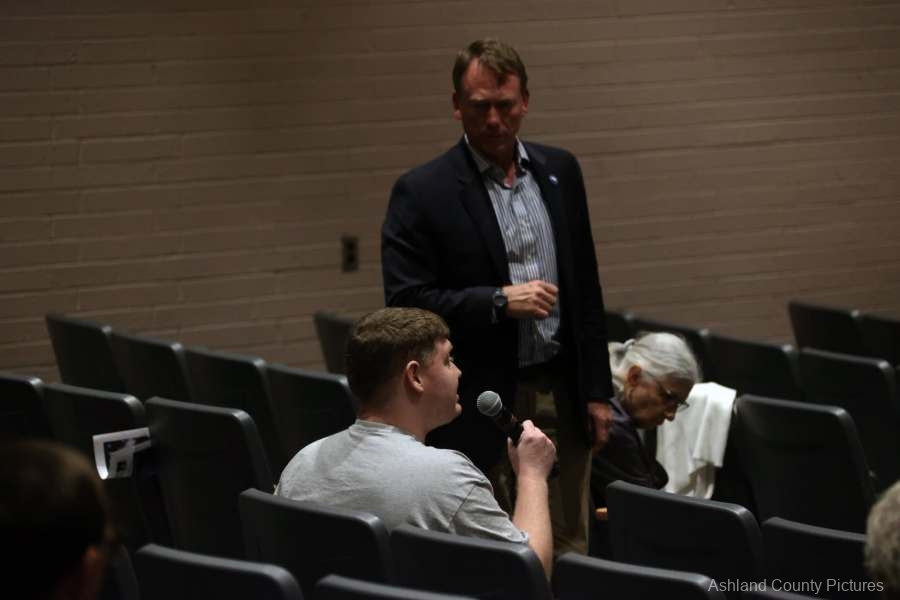
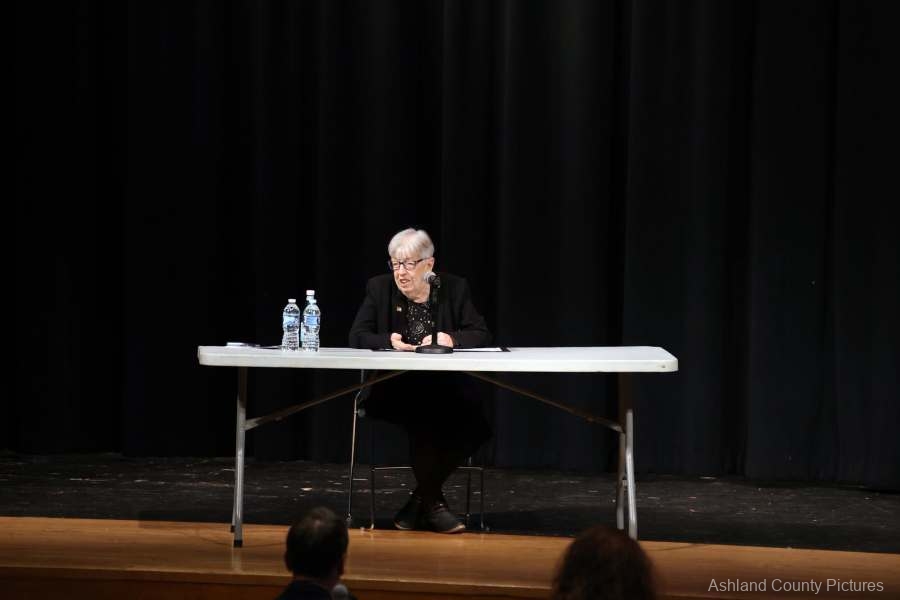
The Ashland County Commissioner Debate, hosted by the Ashland Area Chamber of Commerce, took place Oct. 5 at Ashland High School’s Little Theater. Jeffrey Sikkenga, executive director of the Ashbrook Center, served as event moderator.
Over approximately 90 minutes, the candidates answered questions about data centers, Flock cameras, court funding, the county dog shelter, infrastructure and financial accountability. Both emphasized listening to residents and protecting tax dollars, while offering different perspectives on several county decisions.
Carpenter introduced himself as a lifelong Ashland County resident, trucking business owner and former mechanic. He said his business experience and conversations with residents motivated him to seek office.
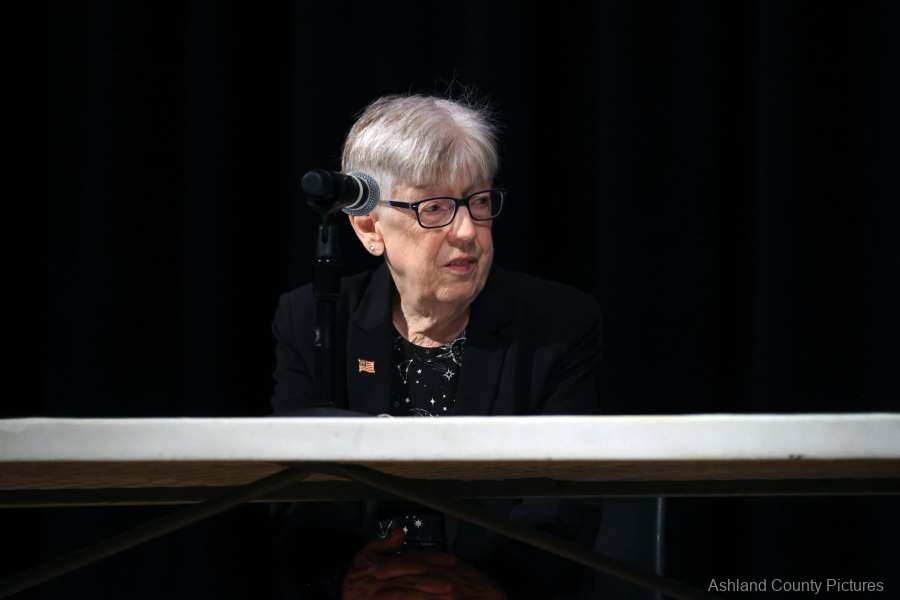
Bally said she was born in Ashland, earned degrees in psychology and chemical engineering from the University of Cincinnati and worked for General Motors for 22 years. She also described volunteer experience involving schools and an environmental committee.
Improving communication was a shared priority.
Carpenter proposed a monthly evening commissioners’ meeting to accommodate residents who work during the day, a citizens advisory board and a monthly county update on social media. He also said he would work alongside county employees to better understand their responsibilities and needs.
Bally emphasized attending township trustee and village council meetings, saying commissioners should meet residents in their communities rather than expect everyone to attend meetings at the county seat.
“It’s not like I want them to come to us,” Bally said. “I’m going to go to them.”
The candidates offered contrasting views on the county’s decision to construct a new administrative building.
Carpenter said he supports moving offices unrelated to court operations out of the courthouse, but opposed constructing a new building at this time. He cited residents’ concerns about property taxes, economic uncertainty and future maintenance costs, arguing that existing buildings should have been considered more seriously.
Bally said she initially favored exploring the former Rite Aid building, but became supportive of the new construction after learning more about the county’s space needs. She said moving offices would give court operations more room and improve the courthouse’s usefulness.
On data centers, both expressed reservations about bringing such facilities to Ashland County, although their positions on restrictions differed.
Carpenter said he does not favor banning activity in the free market, but does not believe the county has an appropriate location for a data center. He suggested previously developed industrial properties would be more suitable and said facilities should provide their own power and use water systems that limit demands on local resources.
Bally supported a moratorium while questions about water consumption, energy demand and environmental effects are examined. She said future improvements in technology could warrant another look, but did not believe the county should welcome a data center now.
Flock license plate cameras produced another distinction.
Carpenter said residents he has spoken with during his campaign have overwhelmingly opposed the cameras, and he would represent those concerns by opposing their use. He acknowledged potential law enforcement benefits, but said questions remain about data collection, storage and access.
Bally also raised privacy concerns, while acknowledging that the cameras can help investigators. She favored reviewing their operation, limiting their use and ensuring safeguards against misuse.
Public safety discussion included drug activity, pressure on the courts and the availability of defense attorneys.
Carpenter identified drugs as a major concern and said he believes increasing criminal activity is placing additional demands on the local court system. Bally said she generally feels safe in the community, but acknowledged concerns involving drugs and domestic violence and emphasized supporting law enforcement.
Both discussed warnings they said Ashland Municipal Court Judge John L. Good had raised about a shortage of attorneys available to handle court-appointed cases.
Carpenter favored recruiting and retaining younger attorneys, while acknowledging that a public defender’s office could be considered. Bally said establishing such an office deserved examination and agreed that attracting attorneys to live and practice locally would benefit the county.
Health-related questions also brought attention to education, substance use and emergency medical response.
Bally emphasized public health education and vaccination outreach through the health department. Carpenter called for additional health education and outreach, including within Amish and Mennonite communities.
Drawing on what he described as 14 years with the Savannah Fire Department, Carpenter also warned that rural departments face difficulty recruiting volunteers and staffing ambulance calls.
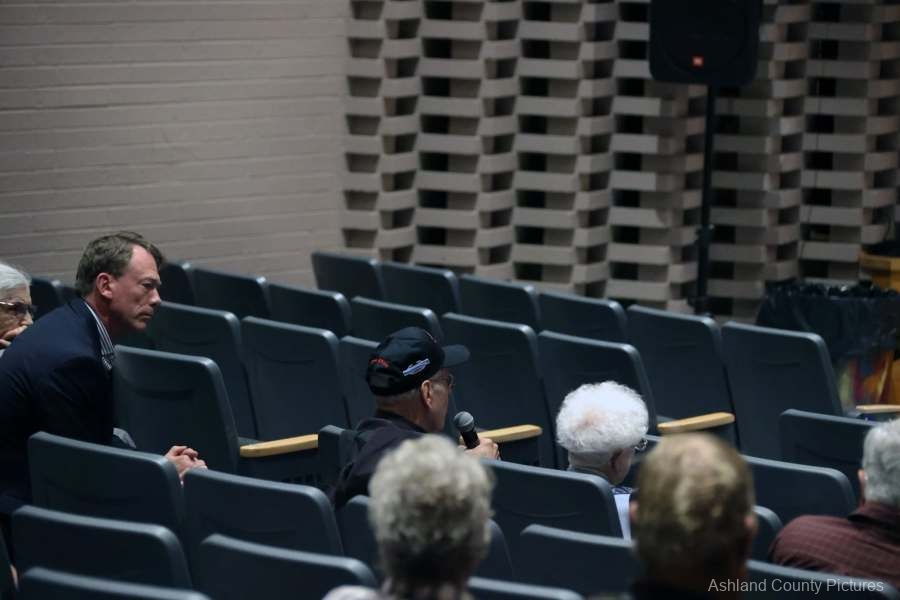
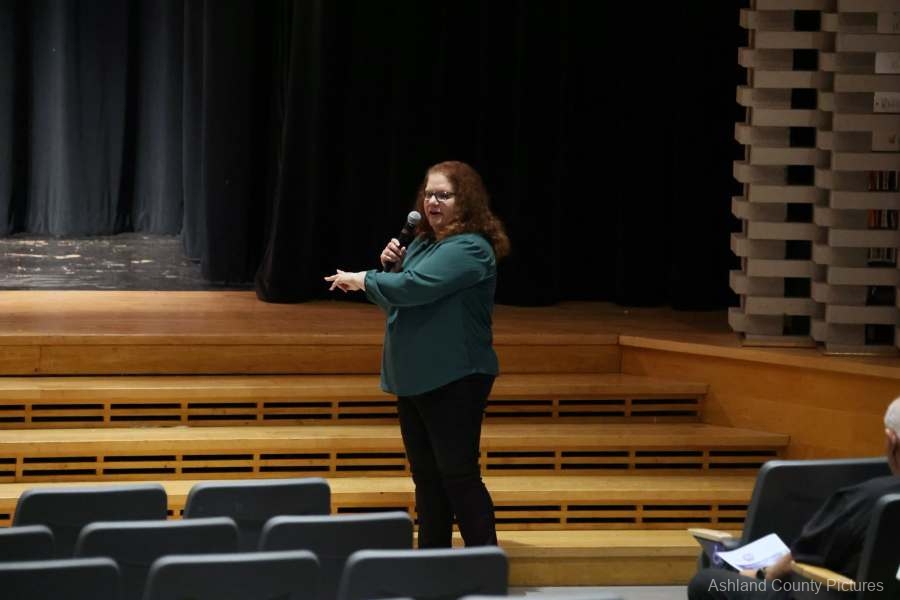
During audience questions, both candidates acknowledged substance use problems in the county and said they would seek guidance from local mental health and treatment providers.
The county dog shelter was another topic where the candidates found common ground while identifying possible improvements.
Bally said a recent visit left her with a favorable impression of the shelter’s cleanliness, staff and care of the dogs. She suggested better entrance signage, measures to reduce noise and productive use of unfinished areas at the front of the building.
Carpenter said he, too, was pleased with staff efforts and the animals’ condition during his visits, including one on a particularly hot day. However, he said air circulation and the operation of the cooling system still need attention.
He suggested unfinished space could potentially serve as an indoor training area or accommodate shelter events. Bally said the space could also improve the adoption experience.
Both candidates supported studying a proposed roundabout at Main Street and Baney Road, while emphasizing effects on neighboring properties.
Bally said planning is necessary as nearby housing development adds traffic. Carpenter acknowledged that roundabouts can be challenging for truck drivers, but said they can work well when properly designed and located.
Economic development drew broad agreement. Both supported pursuing opportunities across manufacturing, agriculture, tourism and other industries, while retaining younger residents.
Carpenter said growth should preserve the county’s rural character by placing housing in sensible locations and avoiding unnecessary loss of farmland. He also emphasized helping existing businesses expand and reducing regulatory obstacles.
Bally connected growth with housing, education and employment opportunities that allow young people to build a future locally.
Financial caution remained a recurring theme.
Bally said the county may face difficult choices if revenues fail to keep pace with its needs. Carpenter urged preparation for possible changes in how local government is funded and said spending should focus on necessities.
They also discussed grants. Bally identified state and federal assistance as potential tools for infrastructure projects. Carpenter emphasized that grants still involve taxpayer money and suggested seeking greater financial participation from developers and businesses benefiting from improvements.
An audience member questioned Bally about whether her Democratic affiliation would influence public safety funding. Bally responded that her focus would be solving local problems and serving residents regardless of political party.
In closing, Carpenter pledged to listen to constituents and bring a new generation of leadership to county government.
Bally emphasized public safety, economic opportunity and accessible government, promising to listen, research issues and explain her decisions.
“I won’t promise that we’ll agree on everything,” Bally said, “but I promise to listen, do my homework, and treat you with respect.”