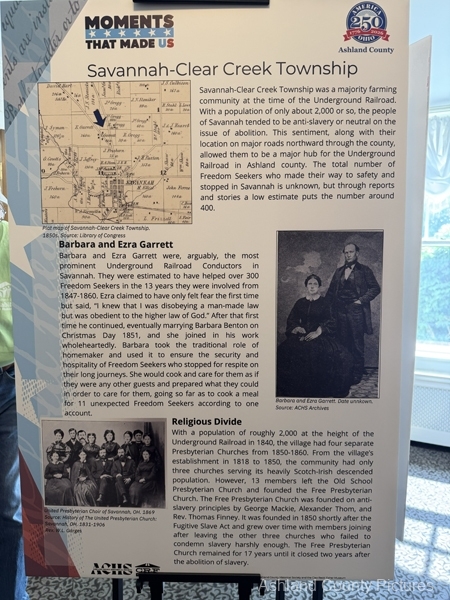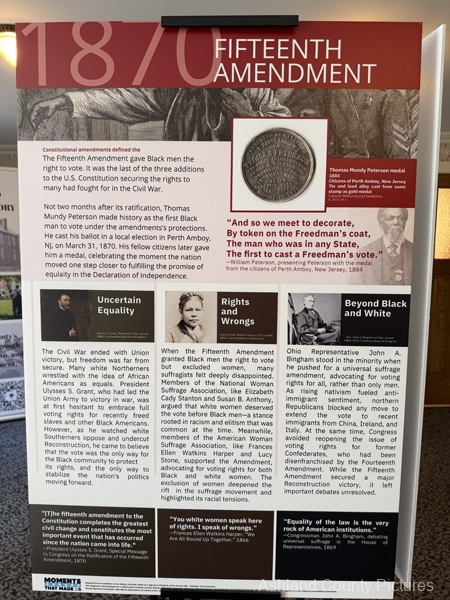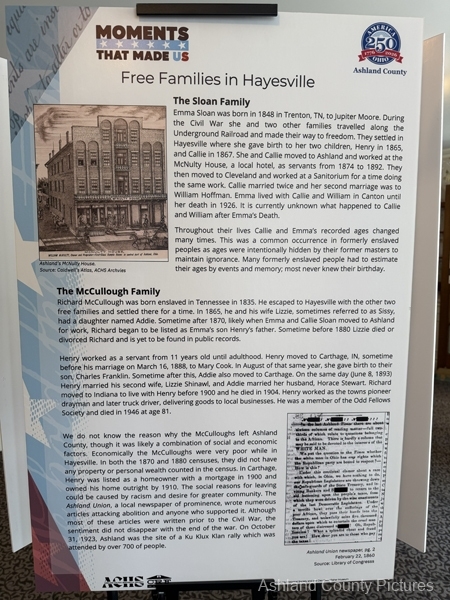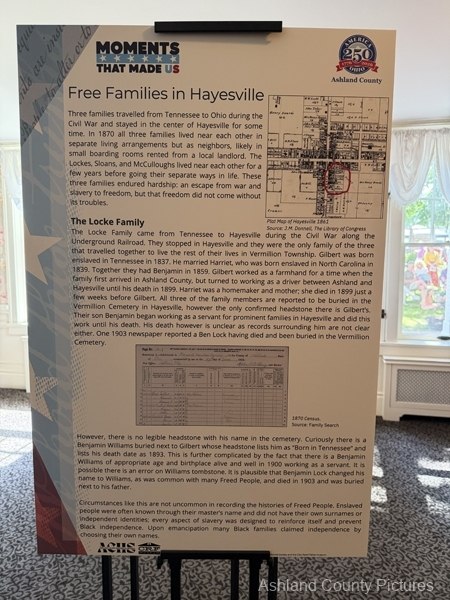

Ashland County Historical Society Celebrates Freedom, Family and Local History During Juneteenth Event
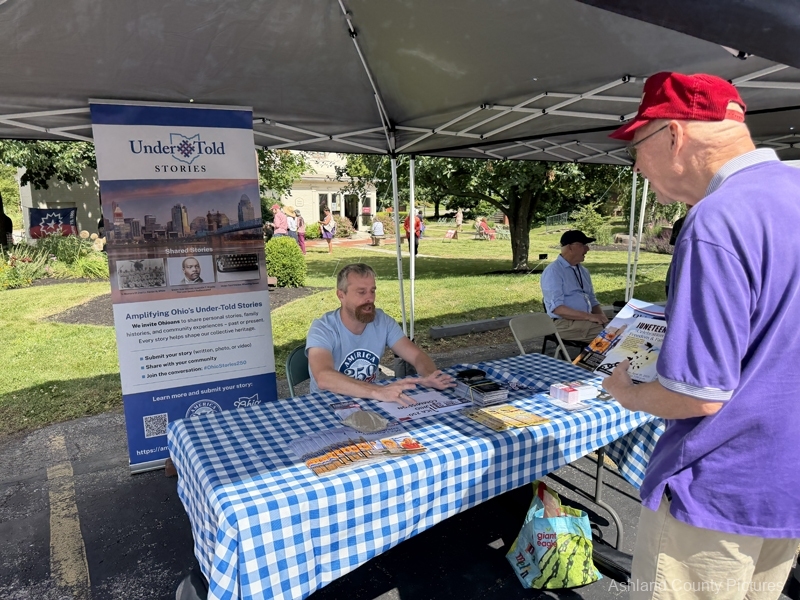
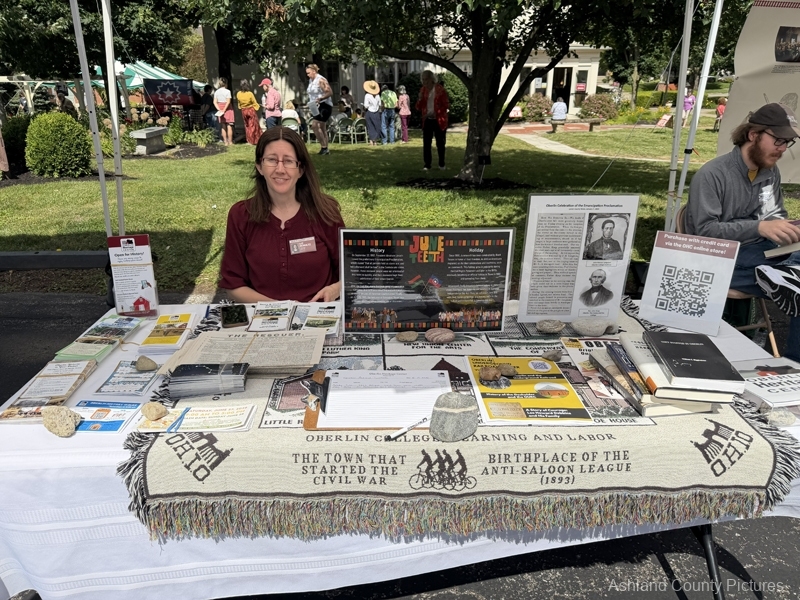
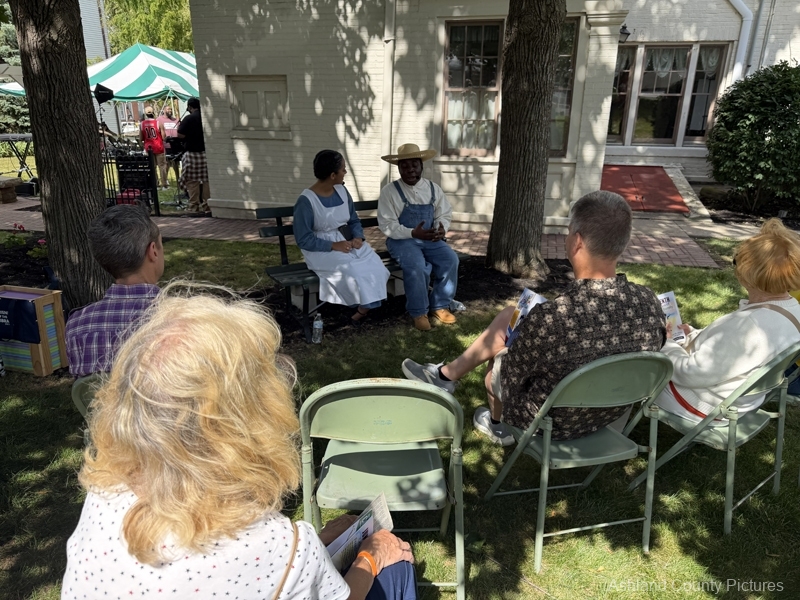
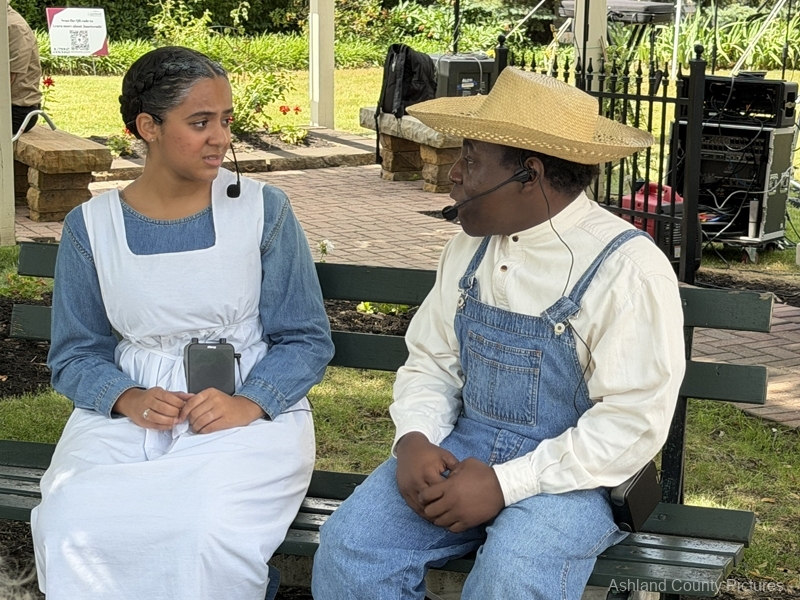
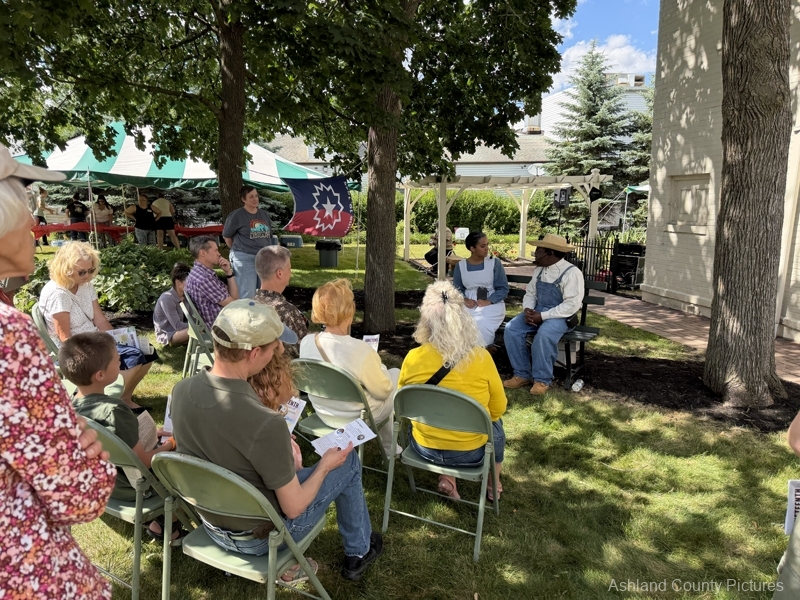
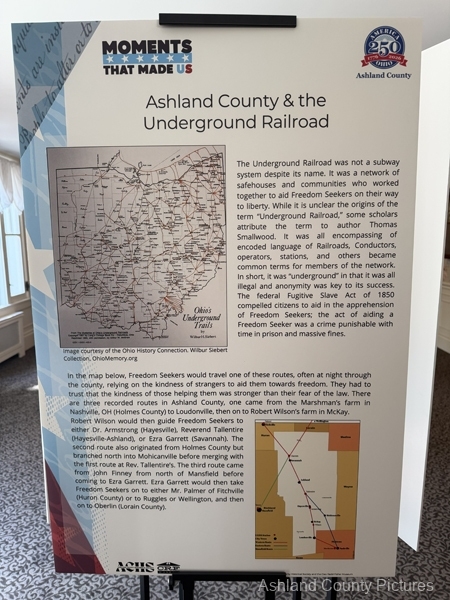
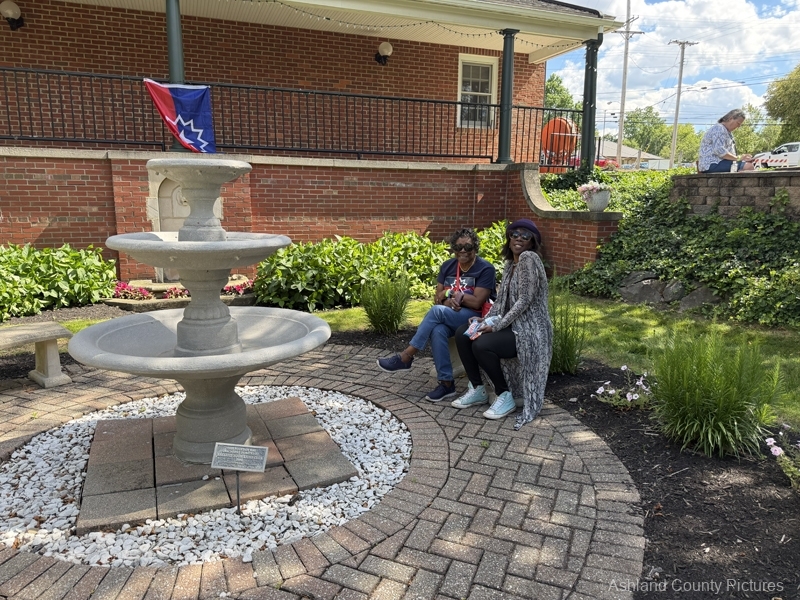
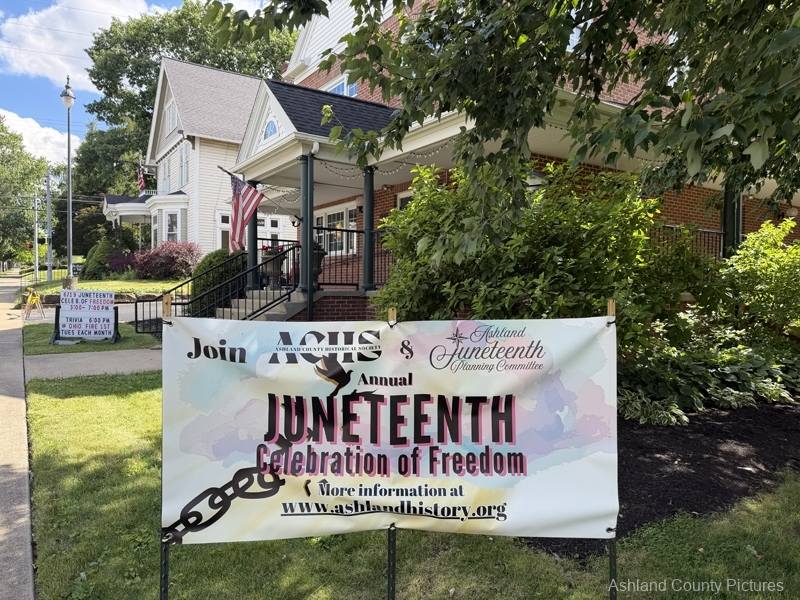
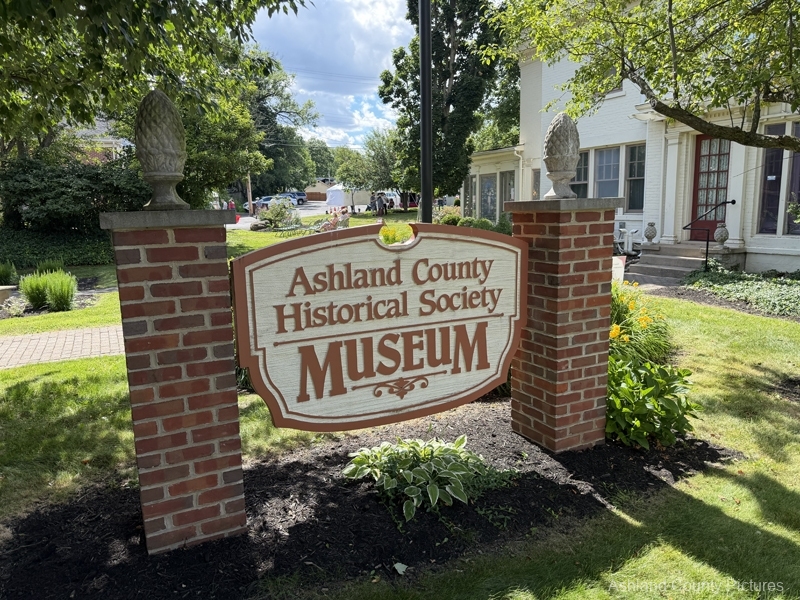
ASHLAND — The Ashland County Historical Society welcomed the community Friday for its 3rd Annual Juneteenth Celebration of Freedom & Family, bringing together history, music, food, education and reflection at the society’s location at 420 Center Street in Ashland.
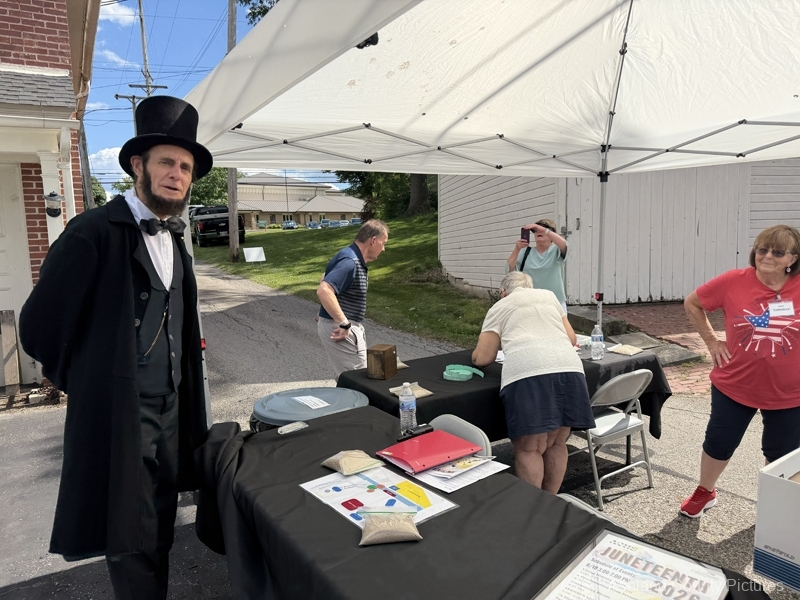
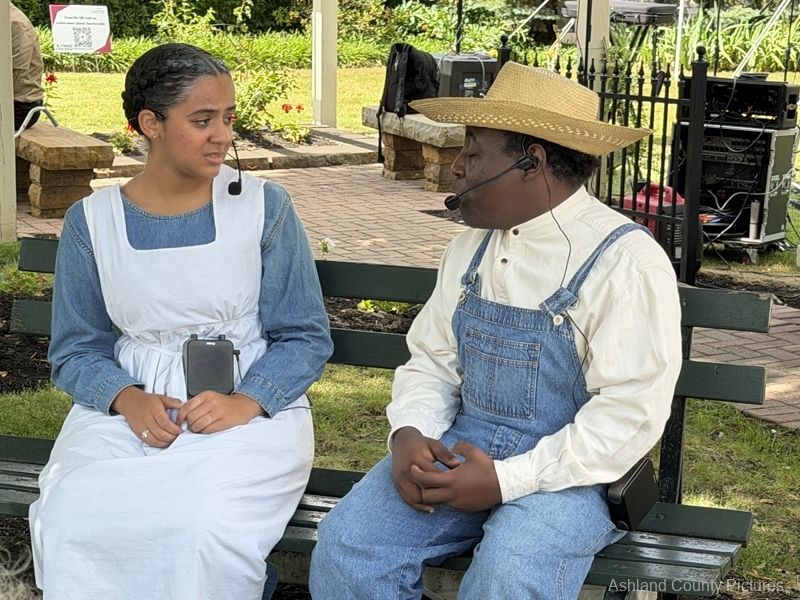
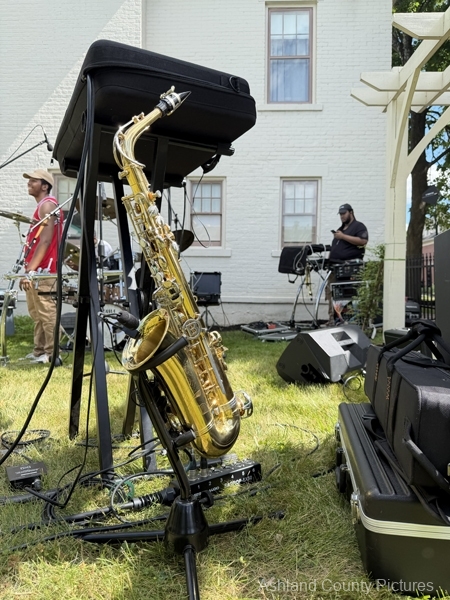
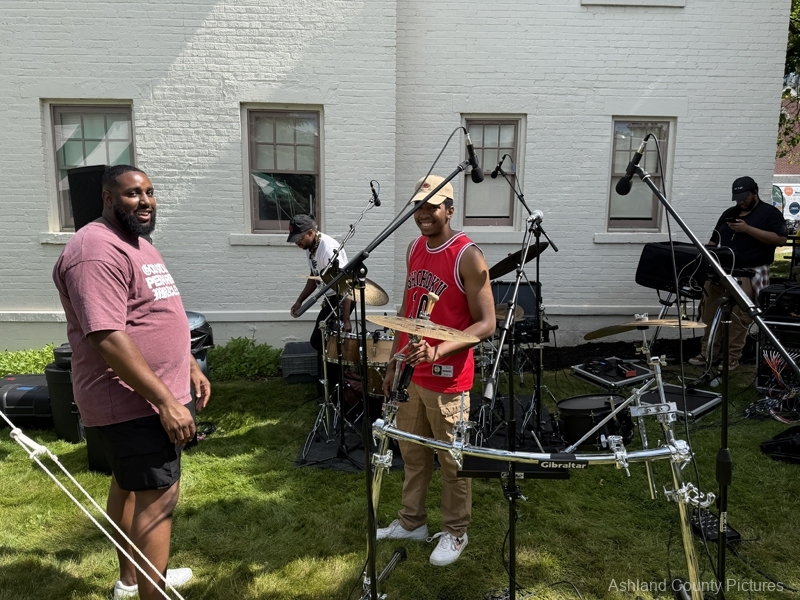
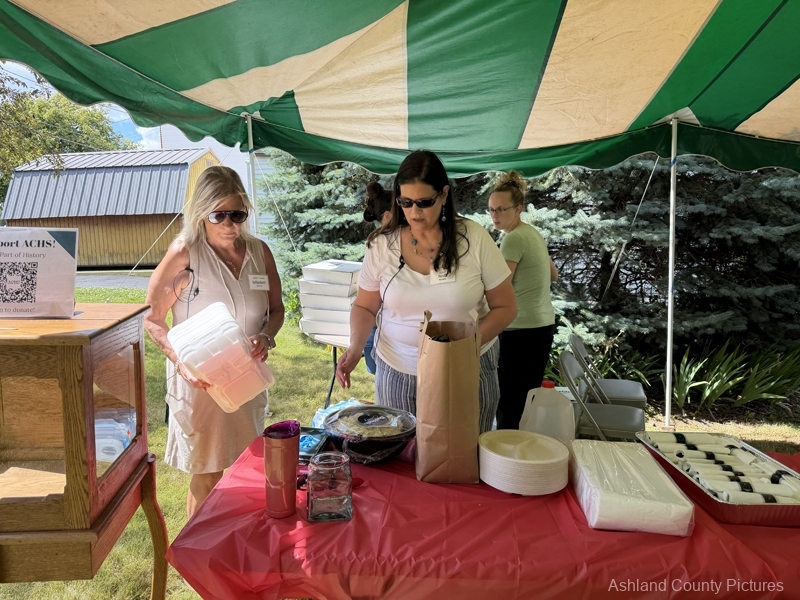
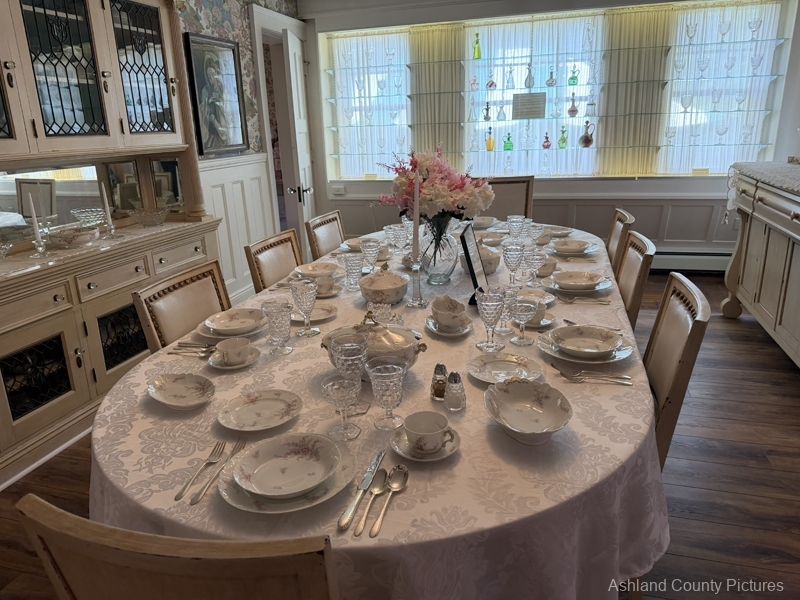
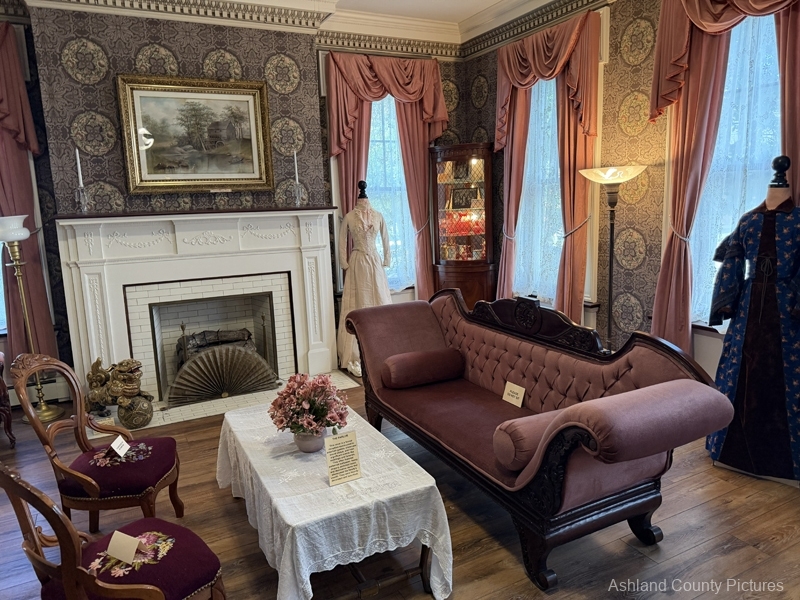
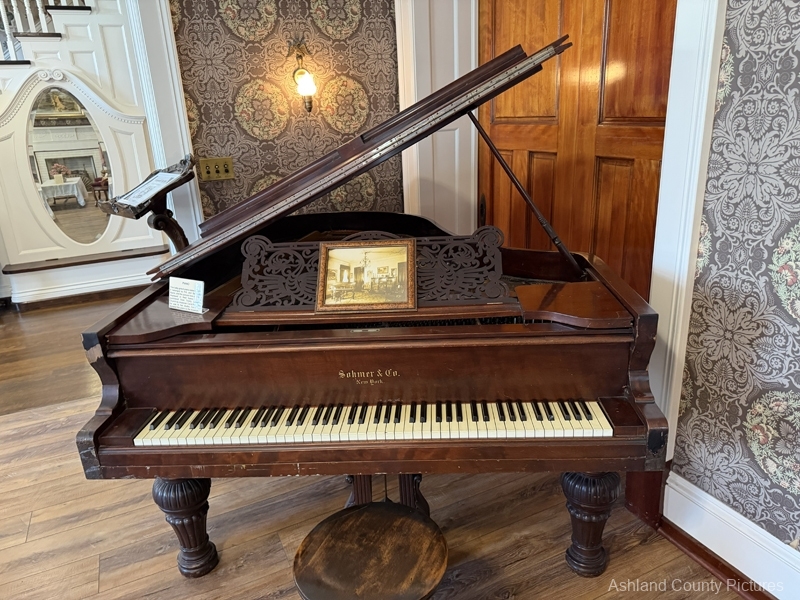
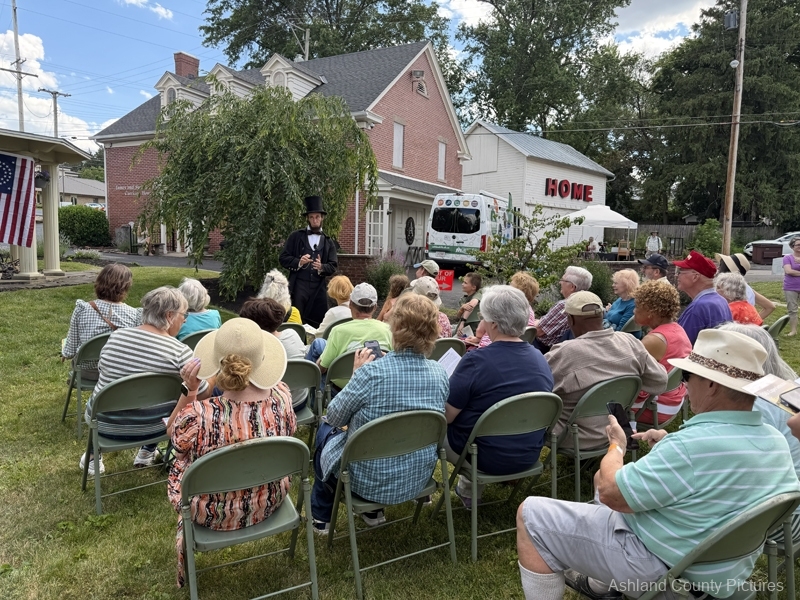
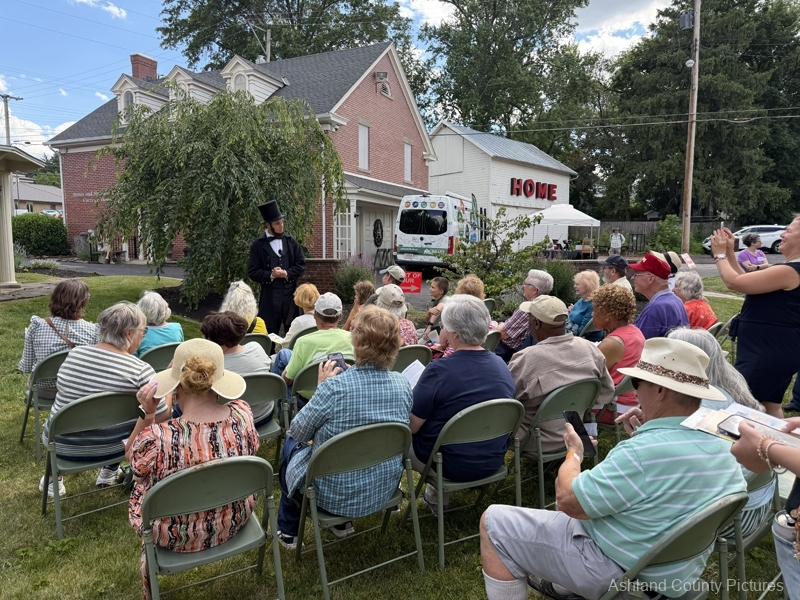
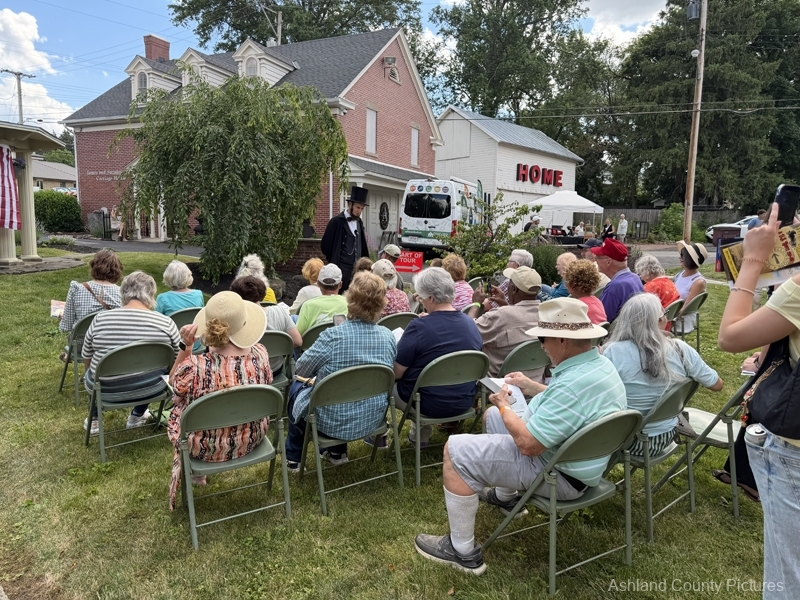
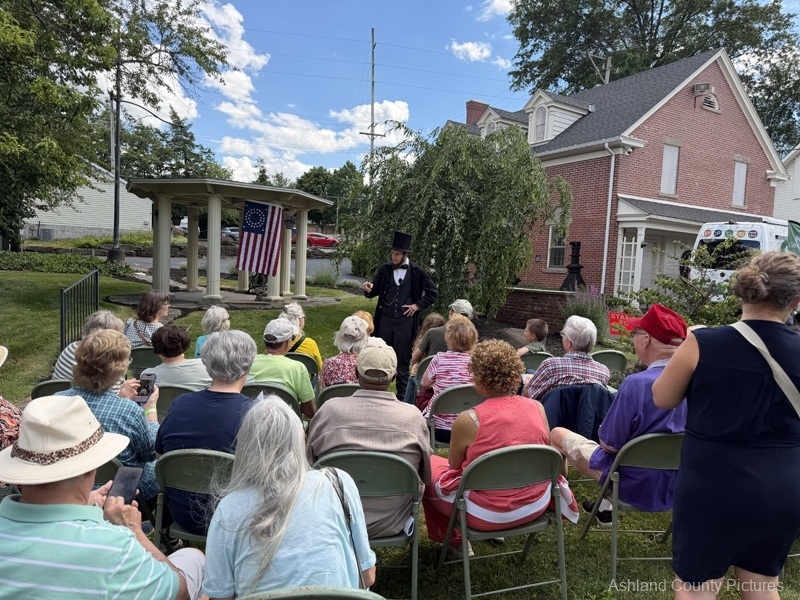
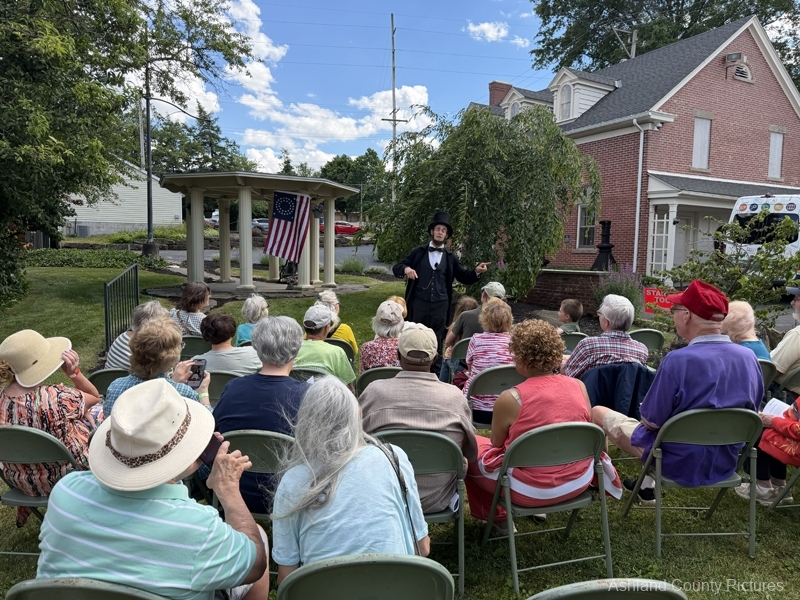
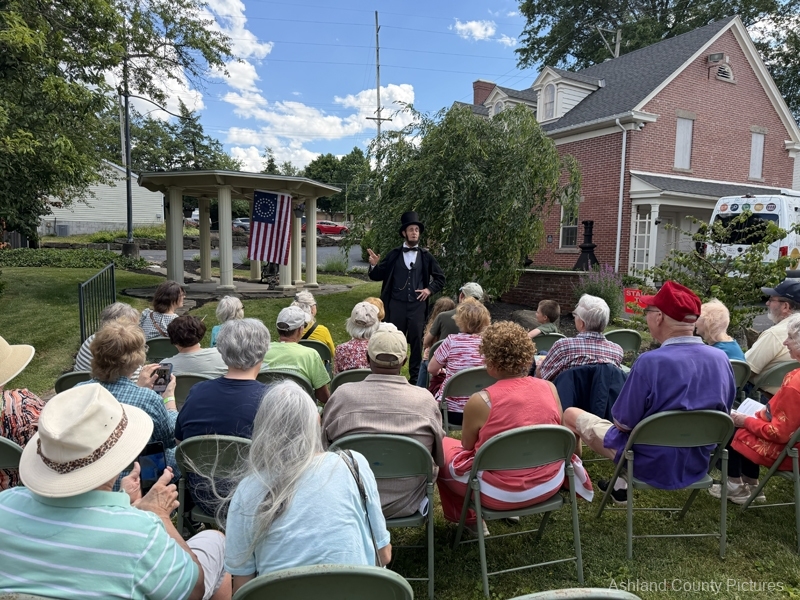
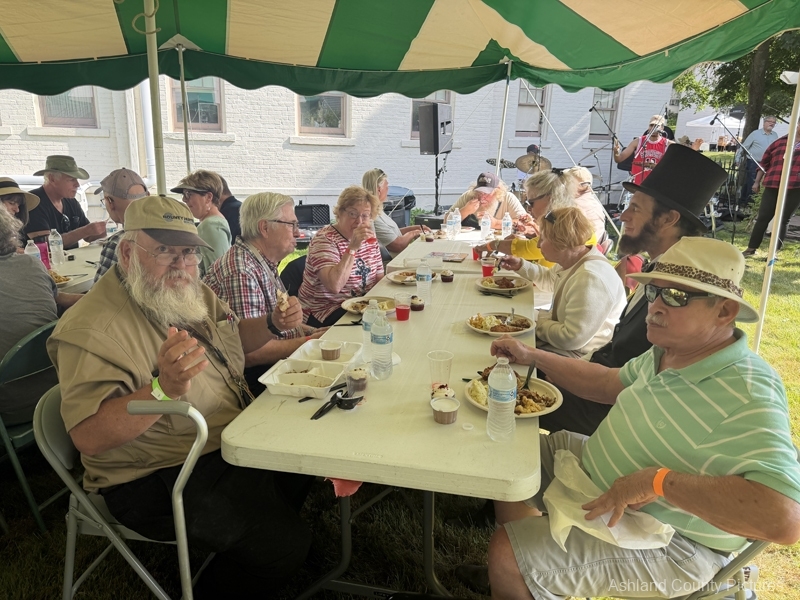
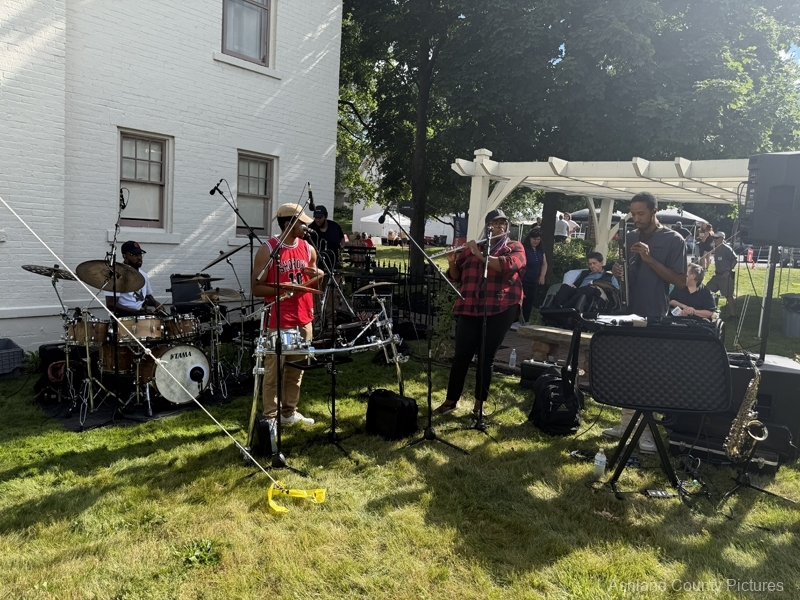
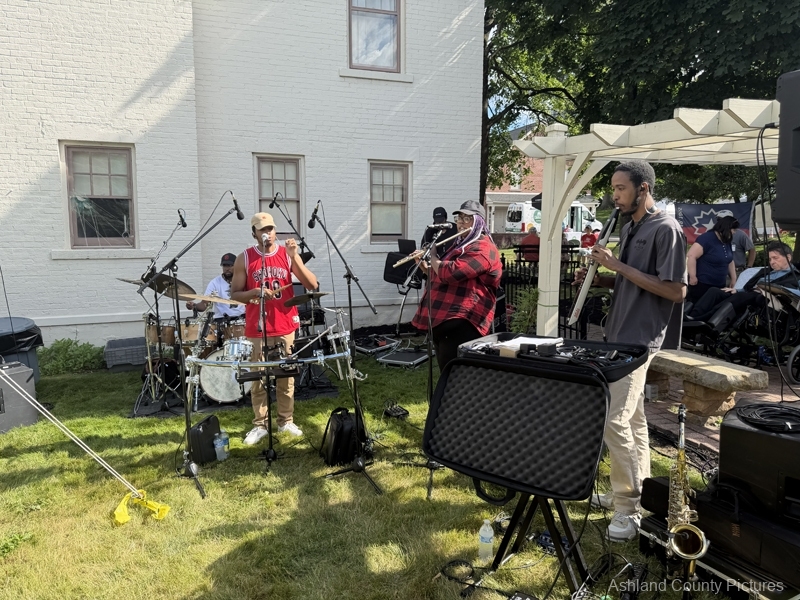
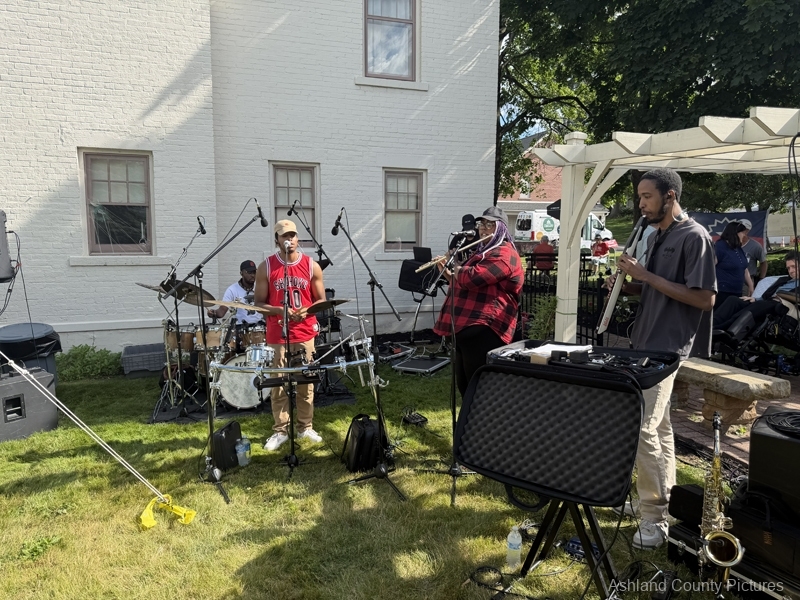
The event featured a living-history appearance by Abraham Lincoln, portrayed by Kevin J. Wood of Adrian, Michigan, along with an energetic performance by the AFRXNTS, a meal catered by Buehler’s and tours of the Manor House. The day also included a special screening of the documentary “A Higher Law: The Oberlin Wellington Rescue of 1858,” followed by a question-and-answer session with the filmmakers and representatives from the Oberlin Heritage Center.
Ashland County Historical Society Event Coordinator Eparaima Wild said the celebration has continued to grow each year through the work of a planning committee.
“This is the third year that we’ve done it now,” Wild said. “We’ve had, since the beginning, a planning committee that we’ve put together, the Ashland Juneteenth planning committee. It is a group of us who meet about once a month, starting as soon as the event’s over, and then we analyze how the event went the year before and brainstorm ideas that we think might improve it for the next year.”
Wild said the committee also spends a lot of time discussing and selecting what aspects of history to highlight each year and the committee has worked to add new elements each year. Food was added last year, and this year the event took on more of a community picnic atmosphere with live music and the Lincoln presentation.
“We really wanted to sort of bring about the community picnic event and keep the food, but add in having a band come to play,” Wild said. “And we thought with everything being focused on the Emancipation Proclamation, what better than having Lincoln come and give the emancipation himself.”
Wild said the purpose of the celebration is to help people better understand Juneteenth and its historical importance.
“The goal that we really want to do is to show people what Juneteenth is and what it’s about and to make sure that people understand this is a celebration of freedom,” Wild said. “We are celebrating freedom of everyone.”
He said the holiday carries deep historical meaning because it marks an event that changed the nation.
“We’re celebrating the idea of the freedom that was so long not held by Black Americans was received and that there is jubilation and celebration in that,” Wild said. “As a historical society, this is one of the most historic holidays that we have.”
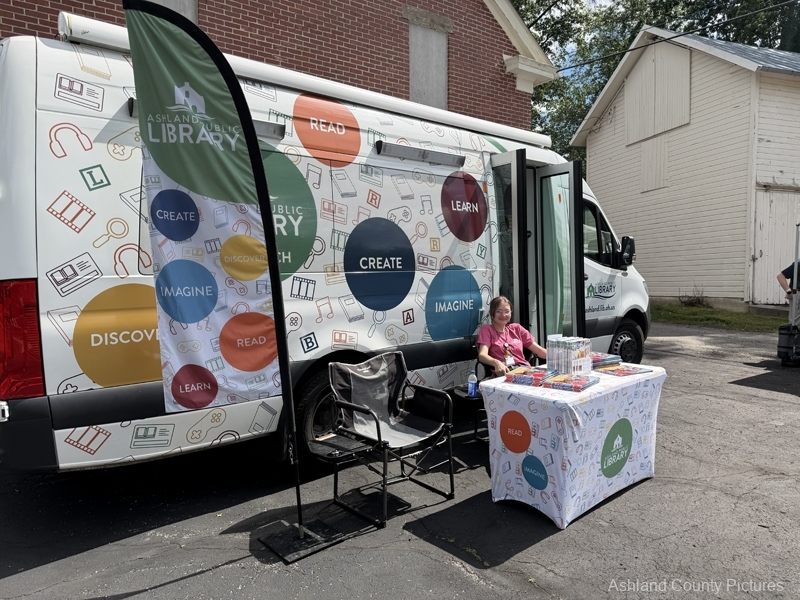
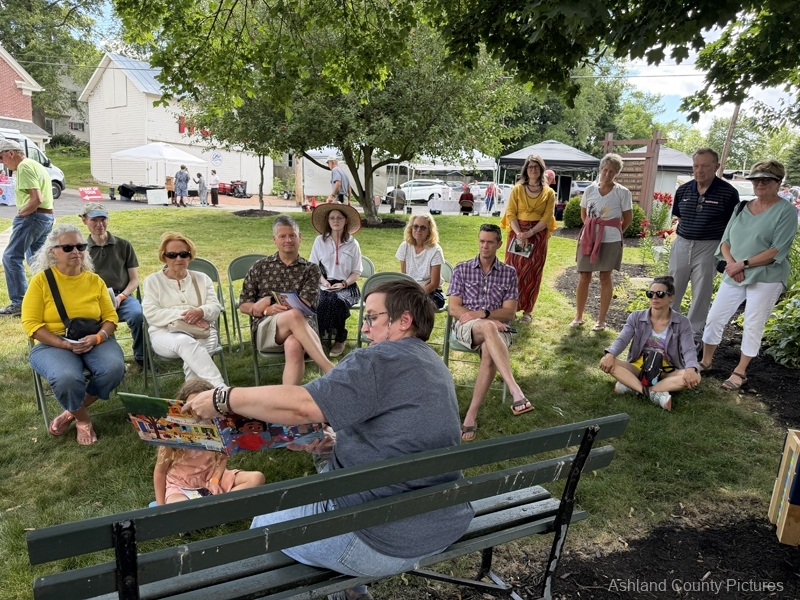
The event also included a visit from the Ashland Public Library bookmobile. Following living history tours, families were invited to a Storytime, and children received a free picture book about Juneteenth while supplies lasted.
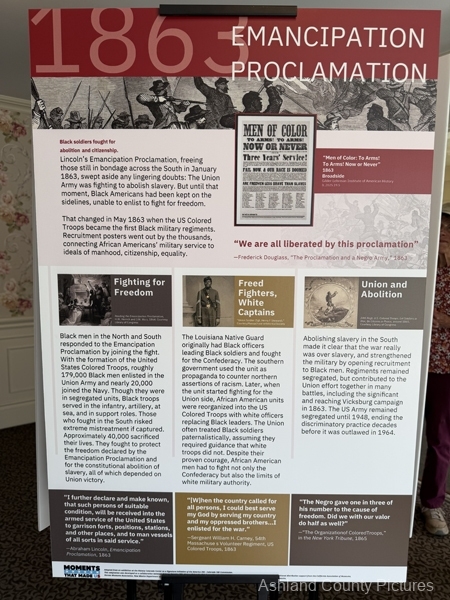
During the program, Wood, portraying President Lincoln, spoke at length about the Emancipation Proclamation and the difficult decisions surrounding it during the Civil War. Speaking in character, Wood took the audience back to the election of 1860, explaining that Lincoln had run as the candidate of the newly formed Republican Party. He said the party’s position at the time was not to interfere with slavery where it already existed, but to stop its expansion into the western territories, with the hope that slavery would eventually fade away.
Wood explained that when the Civil War began, Lincoln was urged by some to immediately declare enslaved people free. However, he said Lincoln hesitated early in the war because of concerns that border states such as Missouri, Kentucky and Maryland could leave the Union and join the Confederacy, a move that could have greatly strengthened the South and possibly changed the outcome of the war.
As the war continued, Wood said Lincoln came to view slavery not only as a moral issue, but also as a military issue. Enslaved people were being forced to support the Confederate war effort by working on plantations, in factories and in other roles that allowed white men in the South to fight for the Confederacy. That, Wood explained, gave Lincoln the authority as commander in chief to act through the Emancipation Proclamation as a war measure.
Wood told the audience that Lincoln first shared the proclamation with his cabinet in July 1862. Some cabinet members supported the idea, while others did not. Secretary of State William Seward urged Lincoln to wait for a Union victory before issuing it, warning that releasing it during a low point in the war could make it look like an act of desperation.
That opportunity came after the Battle of Antietam in September 1862, when Confederate General Robert E. Lee withdrew back south following the bloodiest single day of the Civil War. Five days later, Lincoln issued the preliminary Emancipation Proclamation, giving the Confederate states 100 days to return to the Union or face the freeing of enslaved people in areas still in rebellion.
Wood said no Confederate state accepted Lincoln’s offer. On January 1, 1863, Lincoln signed the final Emancipation Proclamation. In character, Wood described Lincoln’s hand shaking after hours of greeting people at the White House New Year’s reception. He said Lincoln paused before signing, worried that if his hand shook, people would say he had hesitated. Wood said Lincoln then signed his full name, Abraham Lincoln, rather than his usual “A. Lincoln,” because he wanted there to be no doubt about his resolve.
Wood read portions of the proclamation to the crowd, including the declaration that enslaved people in the designated rebellious states “are and henceforward shall be free.” He also highlighted the section allowing formerly enslaved men to join the armed services of the United States, noting that about 200,000 Black men later served in the Union Army and Navy and fought for their own freedom.
Wood told the audience that the proclamation did not immediately free every enslaved person, because it applied only to areas still in rebellion and not to border states that remained loyal to the Union. But he said it changed the meaning of the war.
“It meant the war is no longer just about preserving the Union as it was,” Wood said as Lincoln. “It is now also about giving freedom to the slaves.”
He also explained that the Emancipation Proclamation was a war measure and, like an executive order, could potentially be undone by a future president. That is why, Wood said, the 13th Amendment was needed to permanently abolish slavery and involuntary servitude across the country. He noted Ohio’s role in supporting the amendment, including Congressman James Ashley of Ohio, who was one of its main supporters.
During a question-and-answer session, Wood also spoke about Lincoln’s 1864 presidential race against his former general, George McClellan. He said the war’s progress was uncertain that summer, and Lincoln believed he might lose. But Union victories, including General William Tecumseh Sherman’s capture of Atlanta and General Philip Sheridan’s campaign in the Shenandoah Valley, helped shift public confidence before the election.
Wood also answered questions about Lincoln’s cabinet, explaining that Lincoln intentionally chose men with different backgrounds and political views because he wanted to hear different perspectives and not surround himself only with people who agreed with him. He spoke about Salmon P. Chase of Ohio, who served as Secretary of the Treasury and was later appointed Chief Justice of the United States Supreme Court, and Edwin Stanton, Lincoln’s Secretary of War, whom Lincoln selected despite a past personal insult because he believed Stanton was the best man for the job.
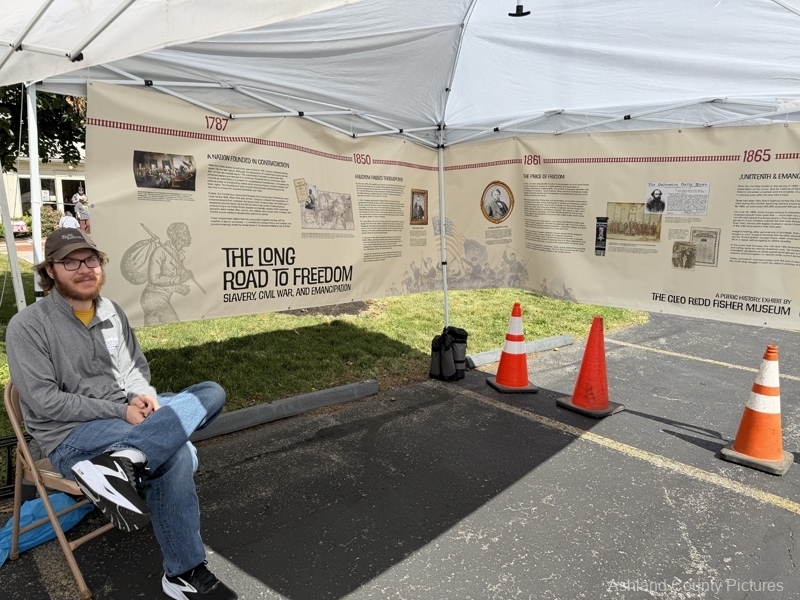
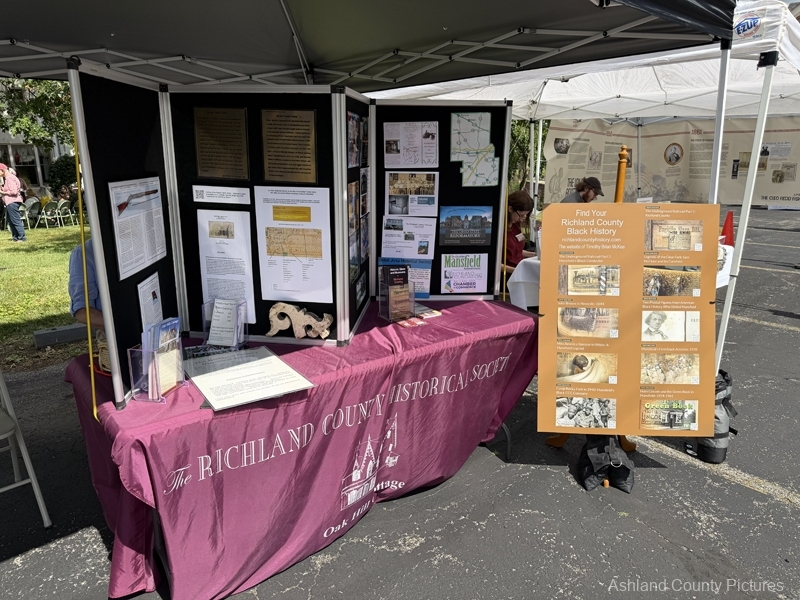
The Ashland County Historical Society thanked the Ashland Public Library, Ashland Main Street, the America 250-Ohio Commission, the Cleo Redd Fisher Museum, the Richland County Historical Society and volunteers for helping make the event possible. The society said the Q&A from the documentary screening was recorded and will be posted later on YouTube. The documentary can also be streamed for free on PBS.
The Historical Society said the celebration was a day of “community, reflection, and local history,” and organizers are already looking forward to next year’s event.