
Four Men Study the Final Day of Fighting at Gettysburg
By Kenneth Hammontree and Joe Lyons
Article Three
GETTYSBURG, Pa. — After two days of vicious fighting in and around Gettysburg, the battlefield had already shown the courage, sacrifice and combat skill of the American infantryman.
But as darkness settled over the battlefield at the end of July 2, 1863, the worst was still to come.
Steve Patterson, Joe Lyons, Ryan Chambers and historian Kenneth Hammontree continued their journey through Gettysburg by studying the third and final day of the battle, July 3, 1863. The four men had traveled to Gettysburg on May 28, 29 and 30, 2026, in search of a deeper understanding of why the most costly battle of the Civil War was fought in a small Pennsylvania town and why it became so important to saving the Union.
The third day of fighting began around 5:30 a.m. in the Culp’s Hill and Spangler’s Spring area. There, Maj. Gen. Henry Slocum’s Union Twelfth Corps fought to regain ground that had been occupied by Confederate troops.
After nearly six hours of savage, close-range fighting, Union forces drove the Confederates from the occupied Union breastworks on the southern slopes of Culp’s Hill and near Spangler’s Spring. The Confederate troops were pushed back across Rock Creek.
With that Union victory, the right flank of the Union Army was secure.
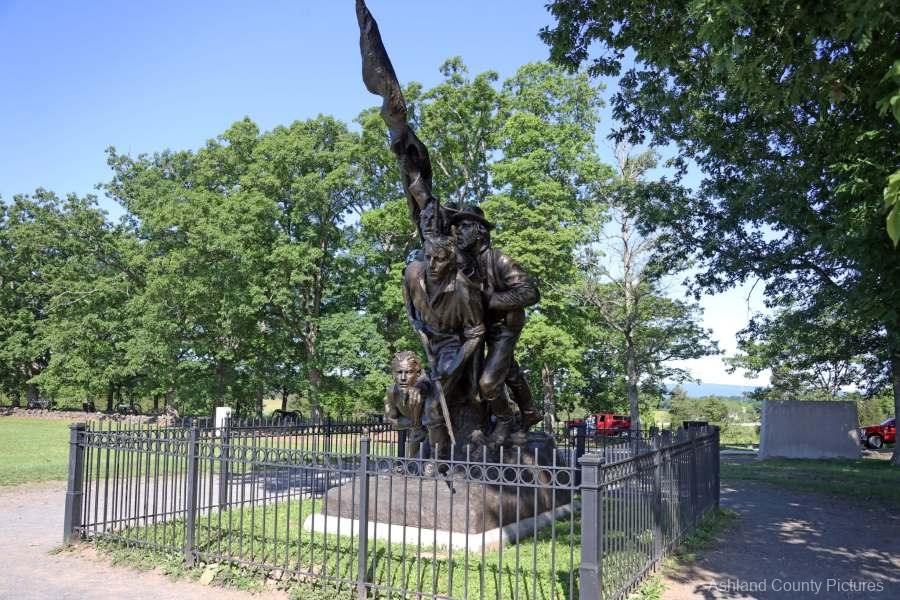
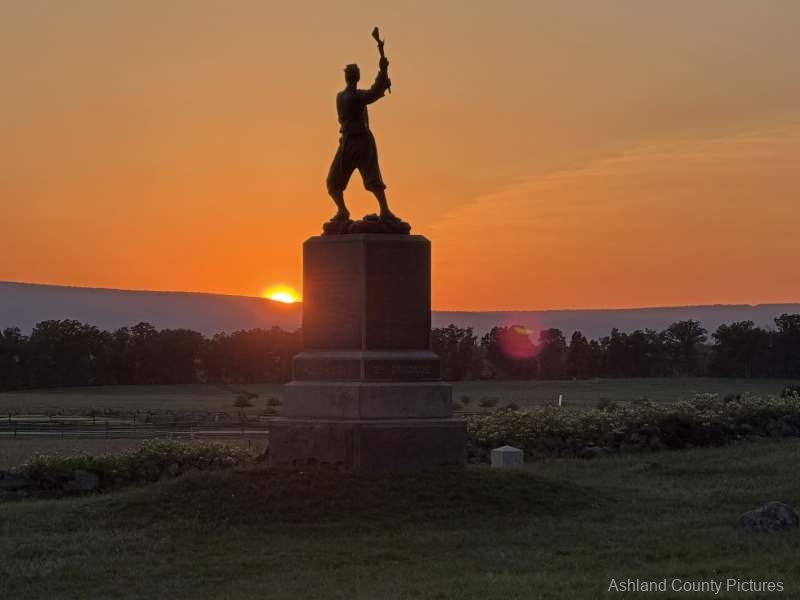
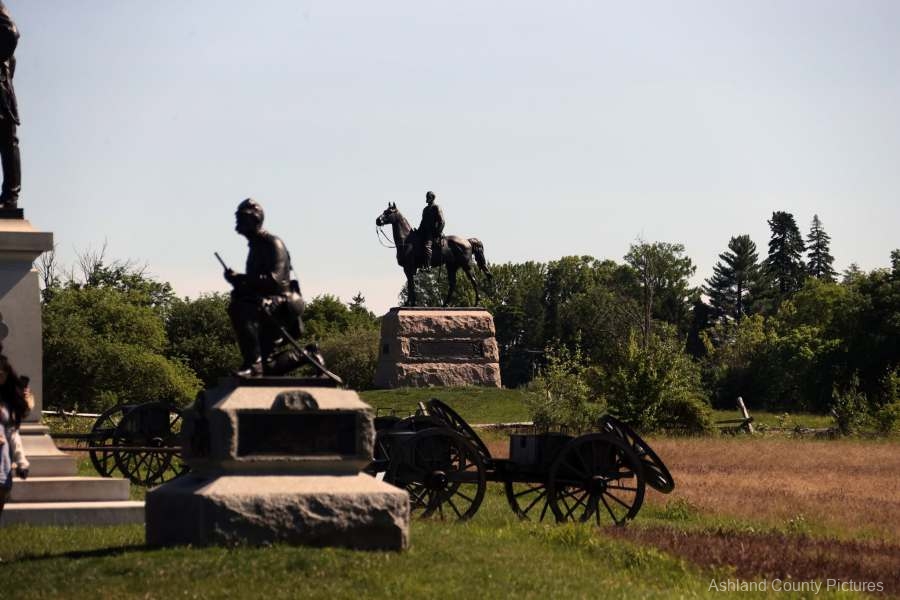
The four men then visited the site of one of the most famous and tragic moments in American military history, Pickett’s Charge.
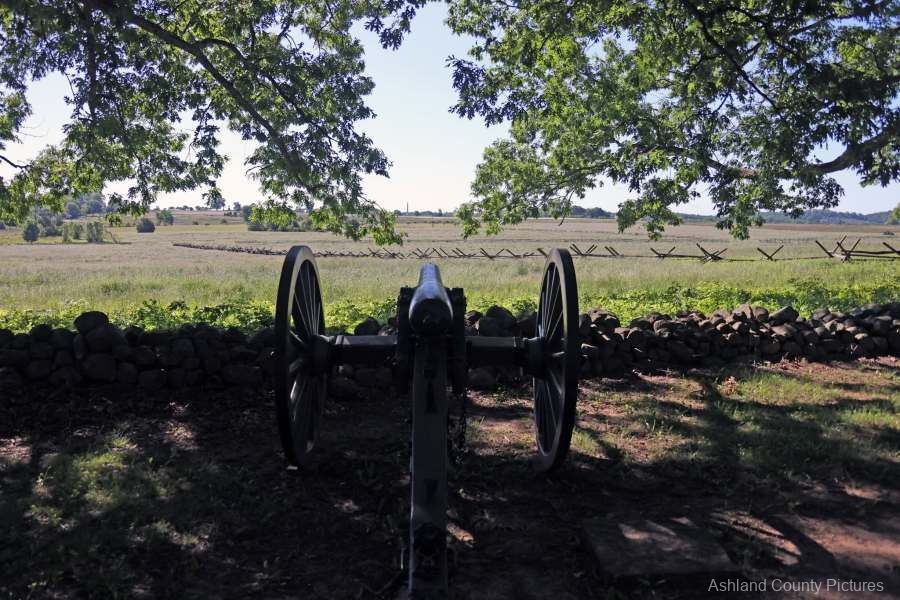
More than 13,000 Confederate soldiers were ordered to advance across open ground toward the center of the Union line on Cemetery Ridge. Their target was a small clump of trees that became a physical landmark for the assault.
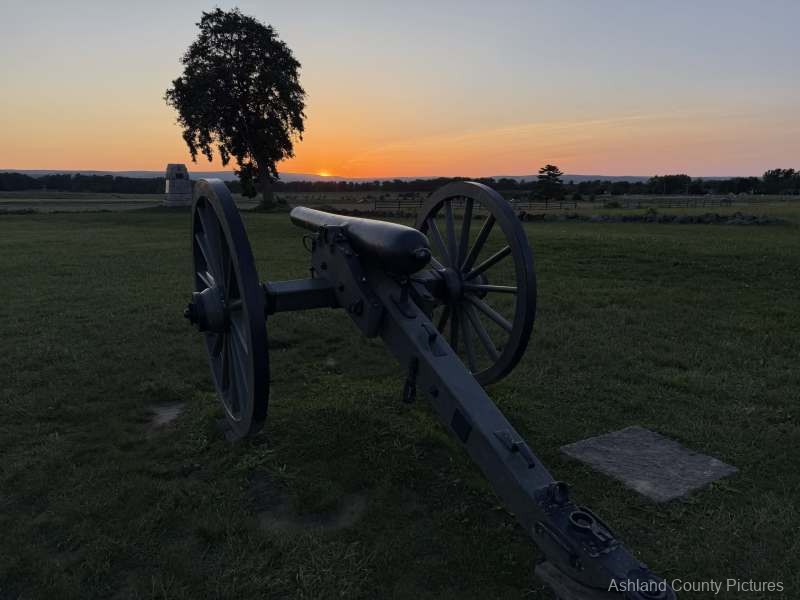
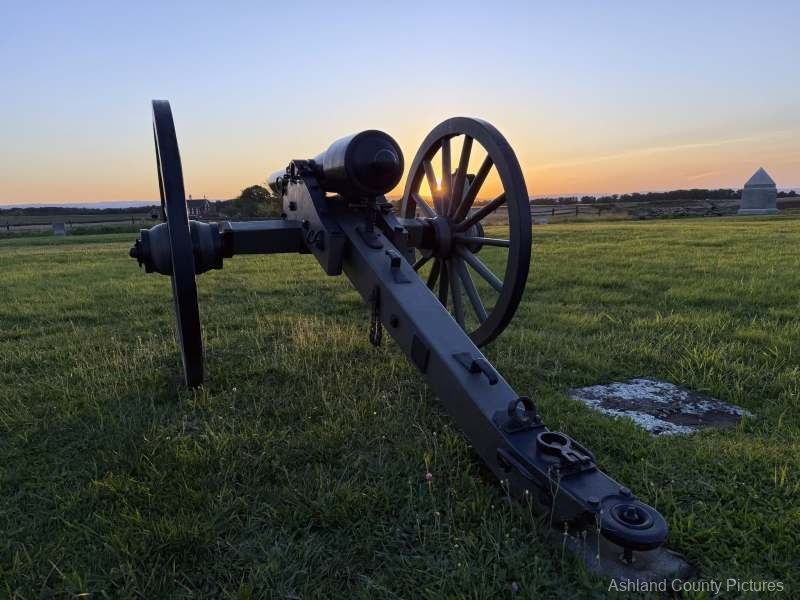
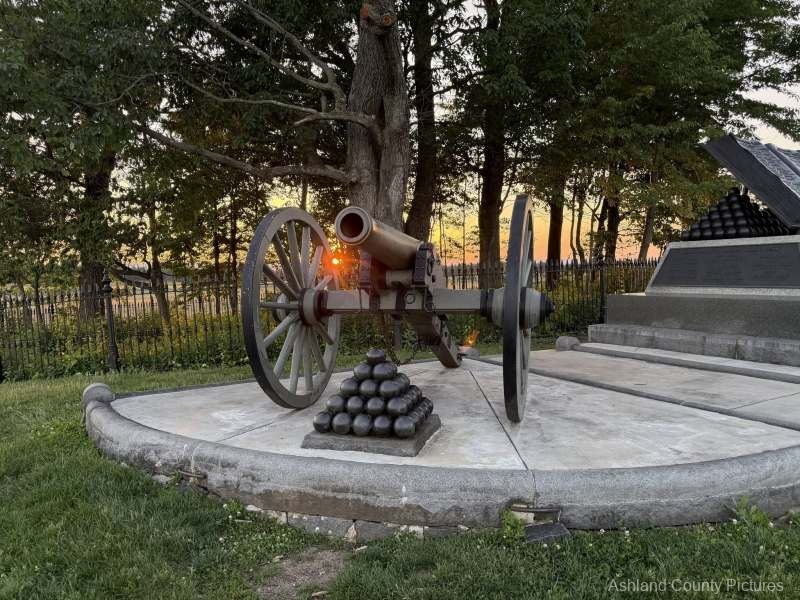
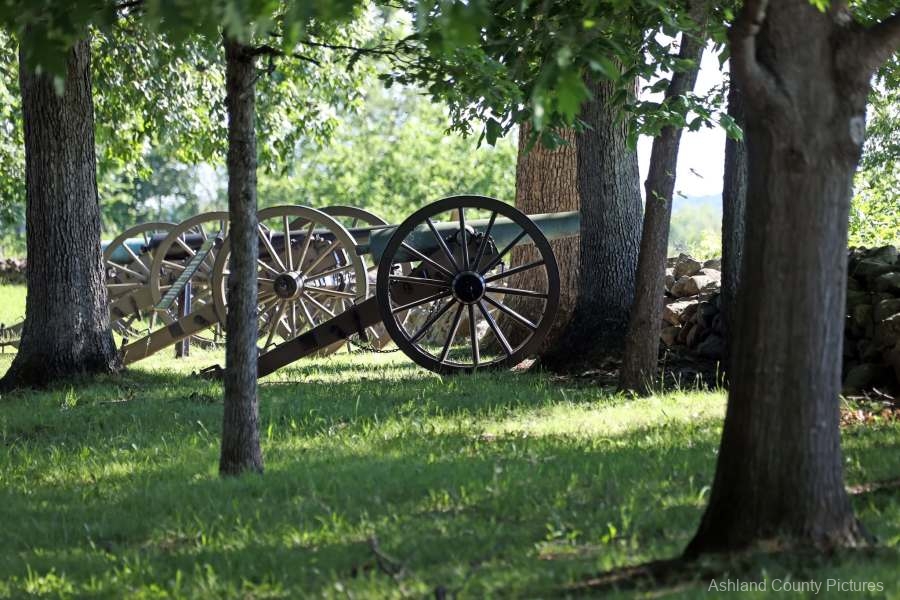
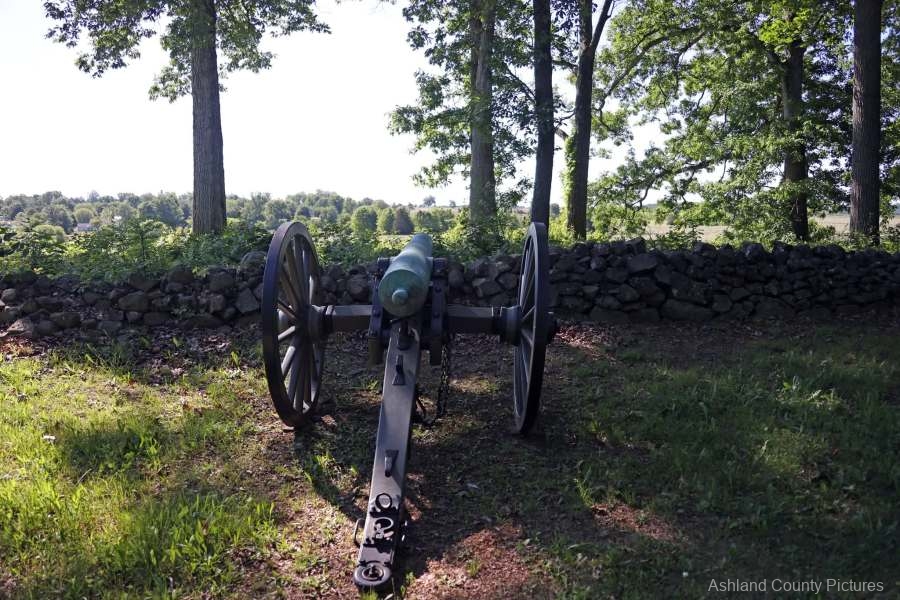
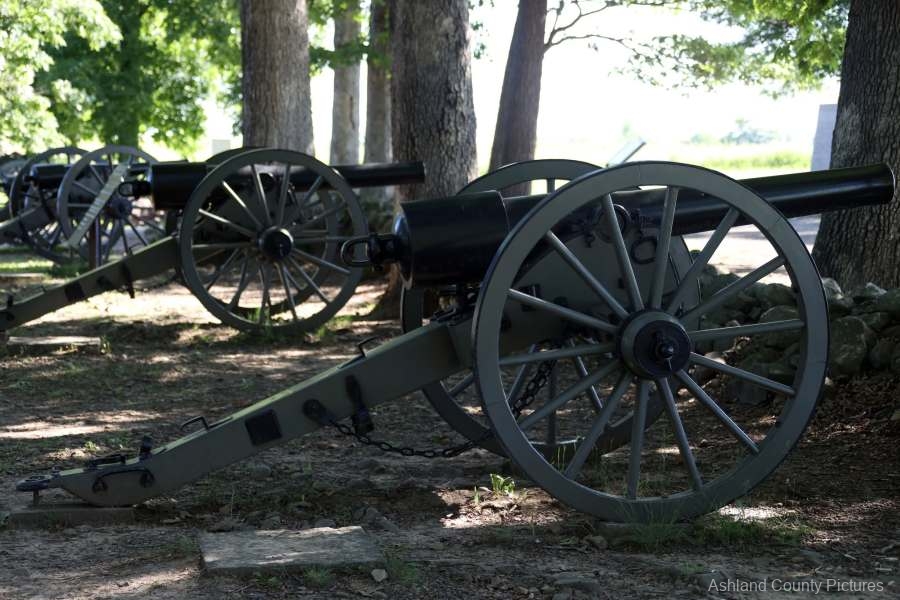
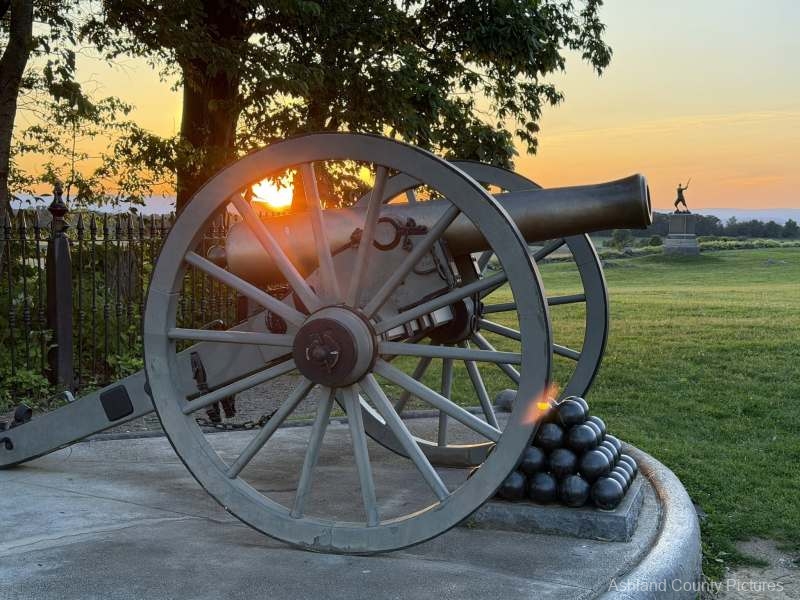
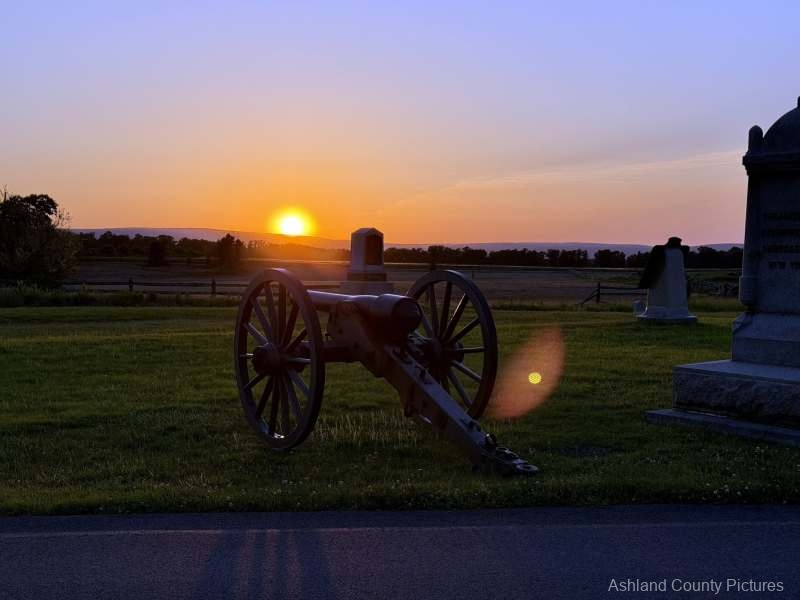
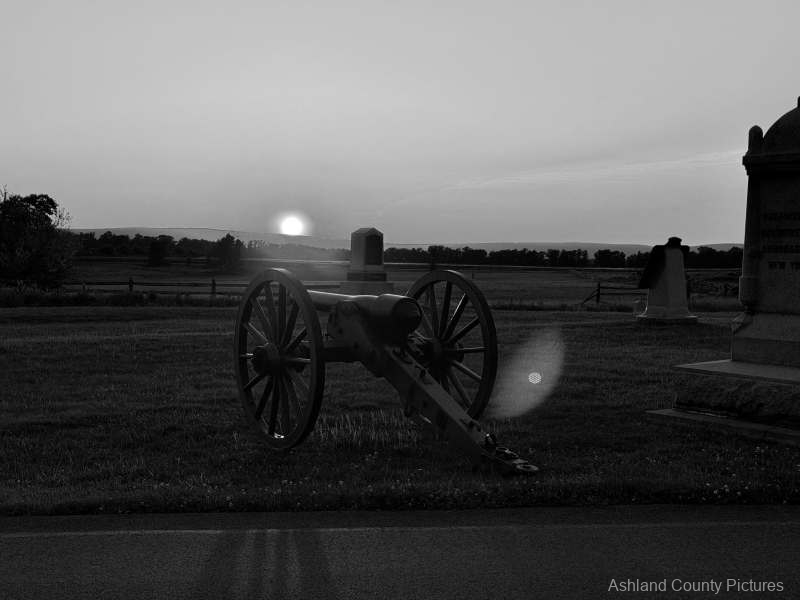
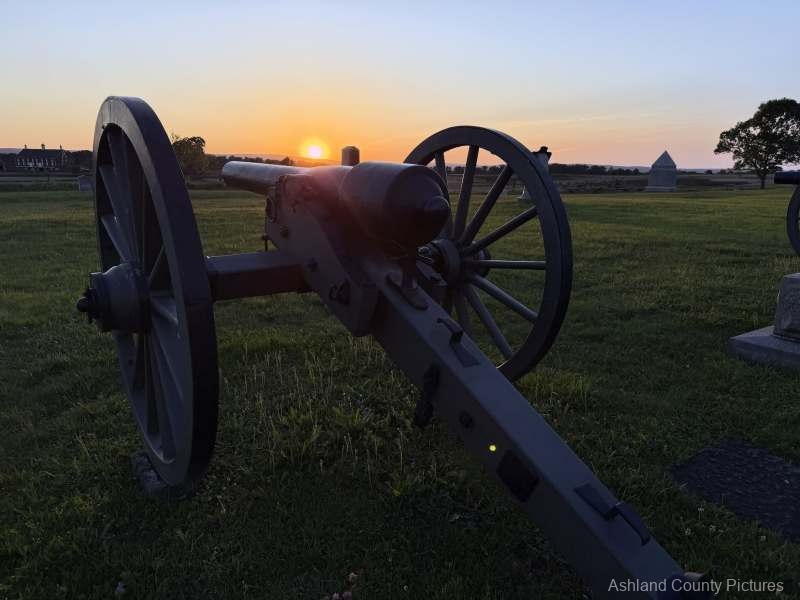
At approximately 1 p.m., about 150 Confederate cannons on Seminary Ridge opened fire against roughly 90 Union cannons positioned on Cemetery Ridge. The bombardment lasted nearly two hours and became one of the greatest artillery duels in American history.
The purpose of the Confederate cannon fire was to soften the Union defenses before the infantry assault. However, the four men agreed that much of the Confederate artillery overshot the Union front line, causing limited damage to the main defensive position.
At approximately 3 p.m. on July 3, thousands of Confederate infantrymen under Gen. George Pickett, along with troops under Gen. James Pettigrew and others, began their charge across nearly seven-eighths of a mile of open ground.
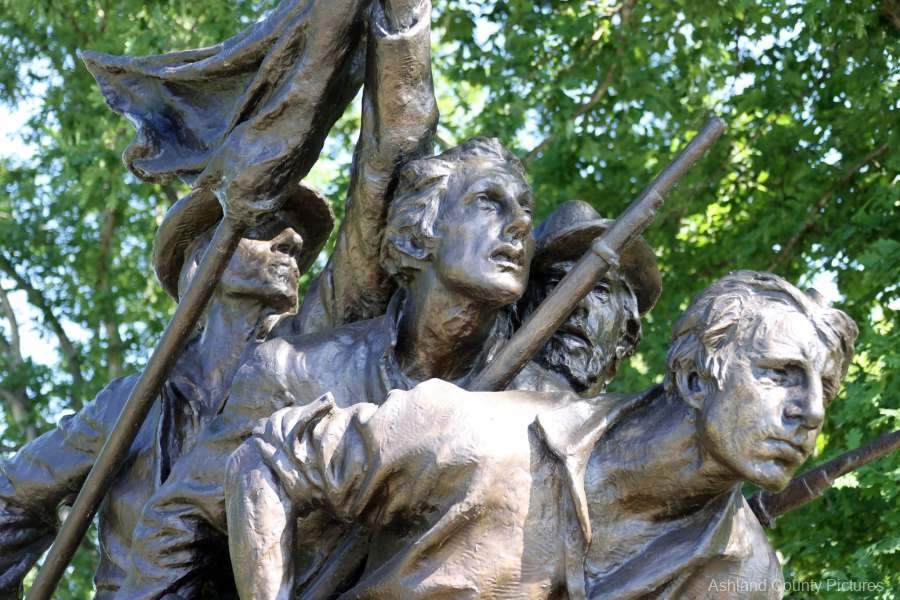
The advance was magnificent in courage, but devastating in result.
Union forces held their position and poured fire into the advancing Confederate ranks. By the time the charge ended, the Confederates had lost close to 8,000 men killed, wounded or captured.
Only Brig. Gen. Lewis Armistead and a small number of Confederate troops pierced the Union line near the clump of trees. Armistead was mortally wounded, and the Confederates who reached the Union position were either killed or captured.
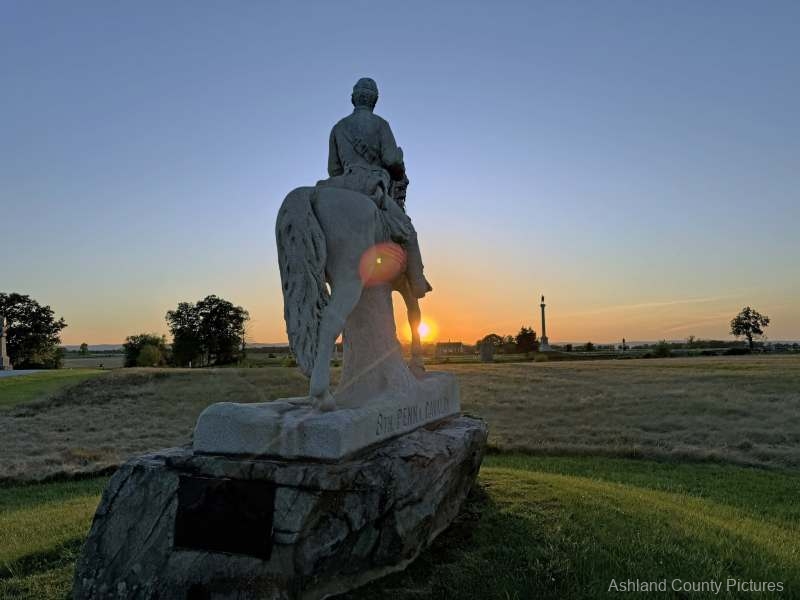
The four men also learned that as Pickett’s Charge was beginning, another major fight was taking place east of Gettysburg. Approximately three miles from town, Confederate cavalry under Gen. J.E.B. Stuart was intercepted by Union cavalry commanded by Gen. David Gregg and Brig. Gen. George Armstrong Custer.
The Confederate cavalry attack was intended to support the assault on the Union center by striking from another direction. Like the infantry assault on Cemetery Ridge, it failed.
For the four men, the question remained: Why would Gen. Robert E. Lee order such a dangerous frontal attack across open ground?
The answer may never be fully known. What is known is that Pickett’s Charge became known as the “High Water Mark of the Confederacy.” It represented the farthest major reach of Confederate hopes during the Civil War, and the beginning of a long decline for Lee’s army.
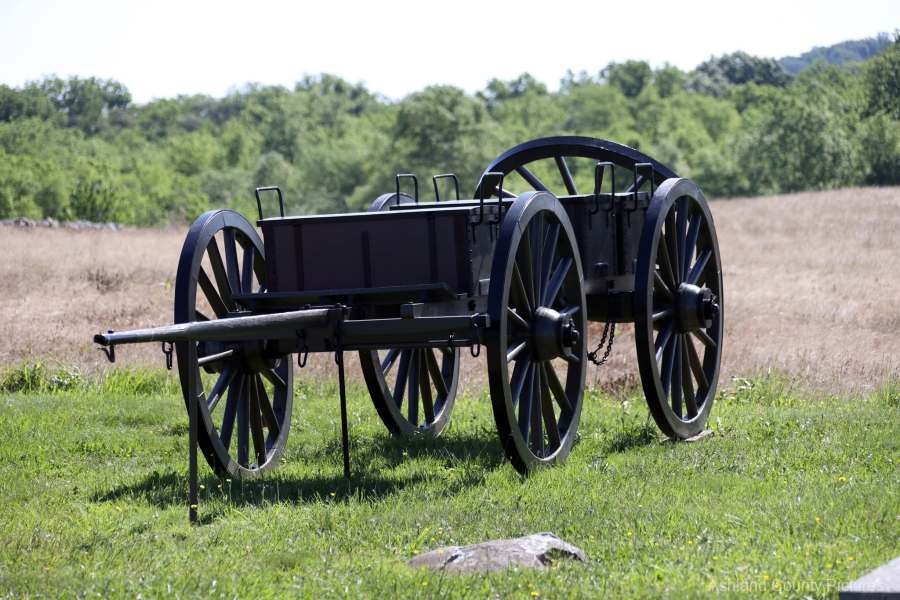
On the evening of July 4 and into the morning of July 5, 1863, Lee began withdrawing the Army of Northern Virginia from the Gettysburg area. The Confederate retreat stretched for miles as wagons, wounded soldiers and surviving troops moved away from the battlefield.
We wondered why Union Gen. George Meade allowed Lee’s army to escape. They agreed that the Union Army was exhausted after three days of brutal fighting and that Meade was cautious about risking another major engagement.
Because Lee’s army escaped back into Virginia, the Civil War would continue for another 22 months.
We also wanted to better understand the cost of the three days of fighting.
The Army of Northern Virginia entered the campaign with approximately 75,000 men and suffered around 28,000 casualties. The Union Army, with approximately 97,000 men, suffered around 23,000 casualties.
Combined, the two armies suffered approximately 51,000 men killed, wounded or captured, making Gettysburg the bloodiest three days of the Civil War.
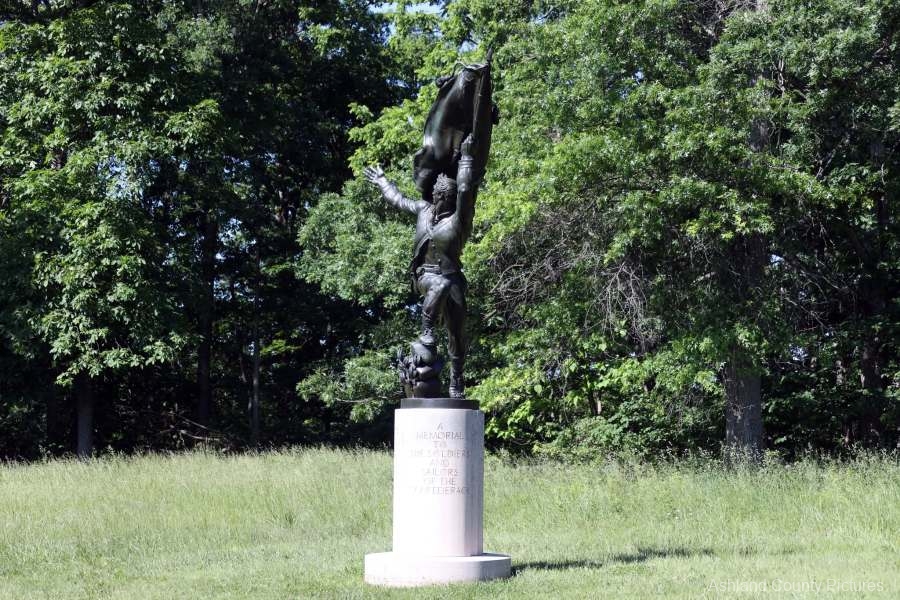
As the four men stood on the ground where so much blood had been shed, they came away with a deeper understanding of Gettysburg’s place in American history.
The Union was born in Philadelphia in 1776.
But it was preserved at Gettysburg in 1863.