
Visions for Ohio Banquet Celebrates 250 Years of American Freedom
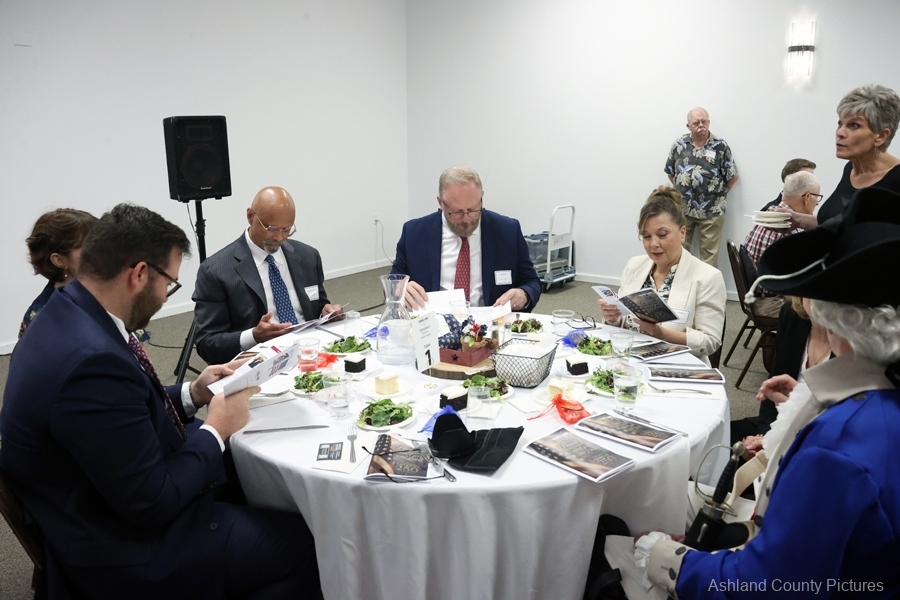
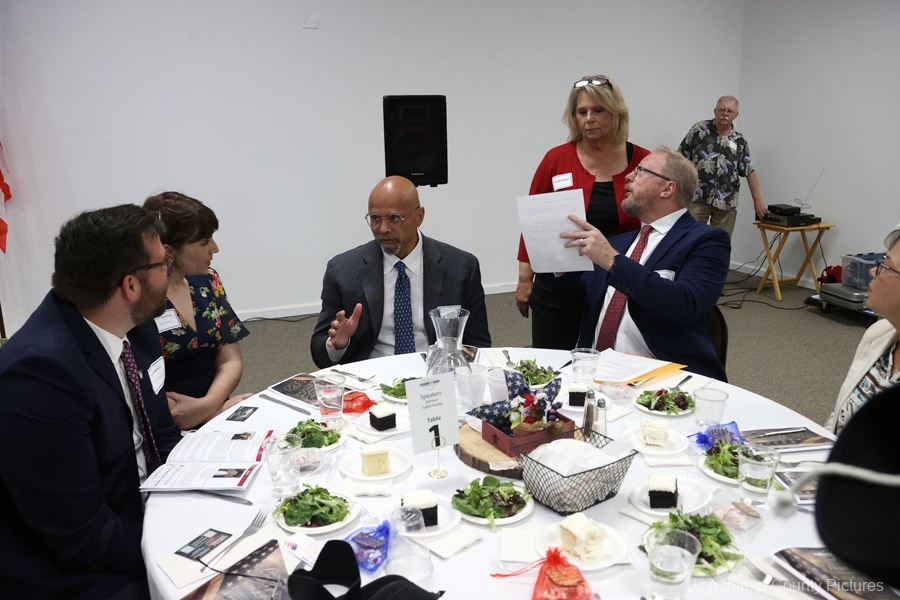
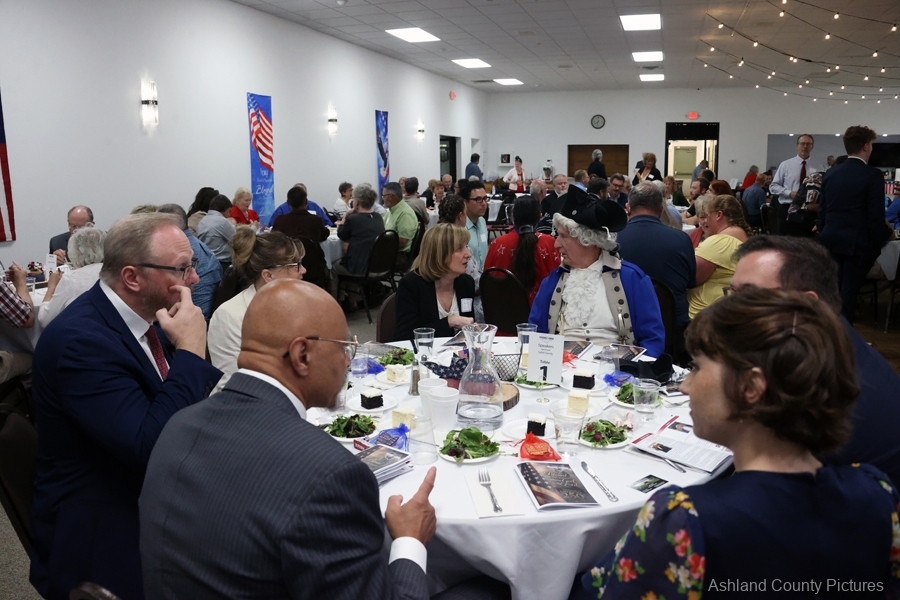
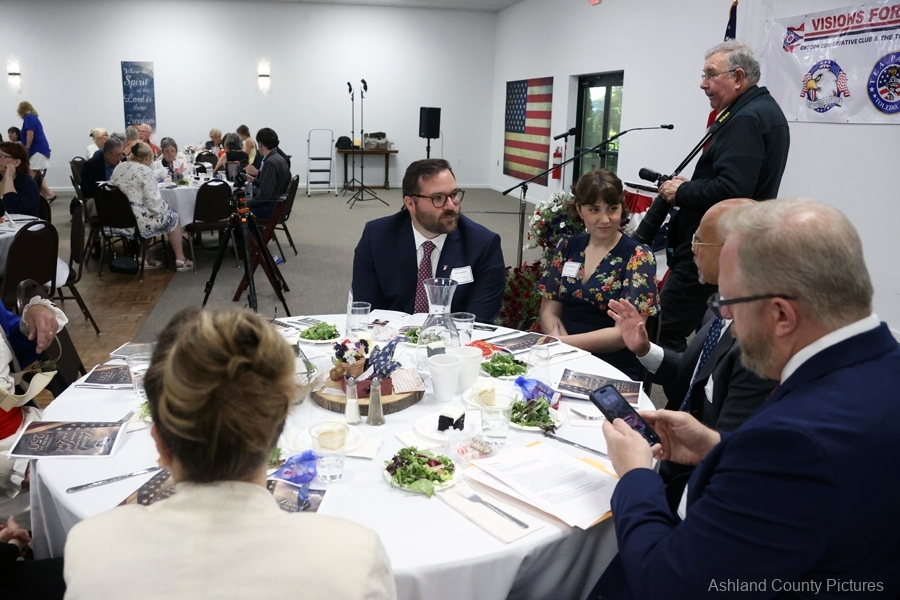
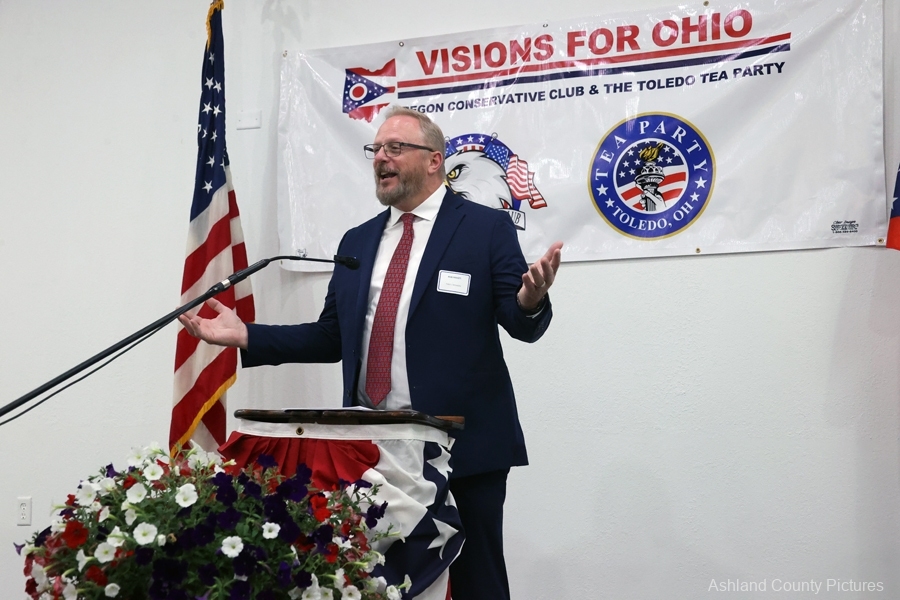
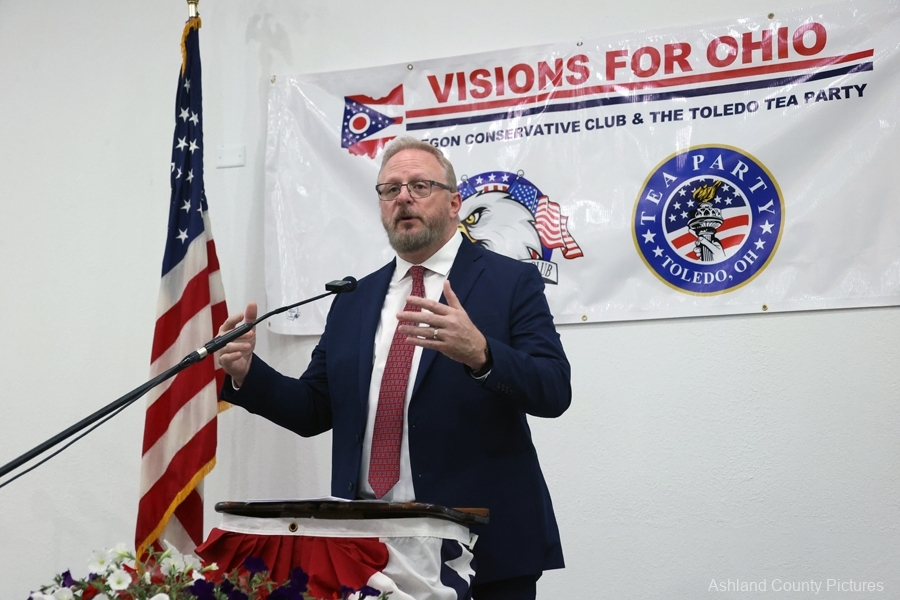
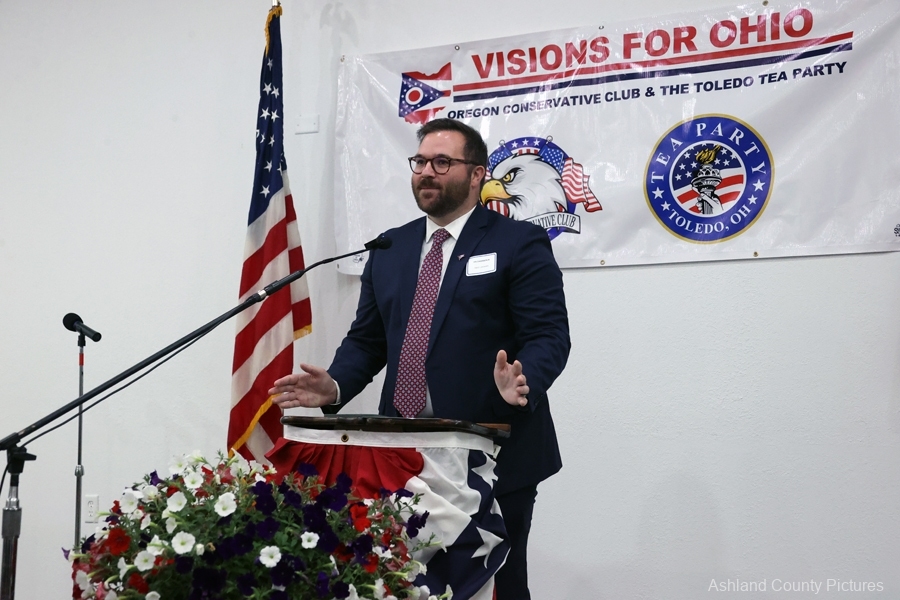
OREGON, Ohio — More than 250 people gathered in Oregon, Ohio, for the Fourth Annual Visions for Ohio Banquet, an evening centered on patriotism, history, conservative values and the approaching 250th anniversary of the Declaration of Independence.
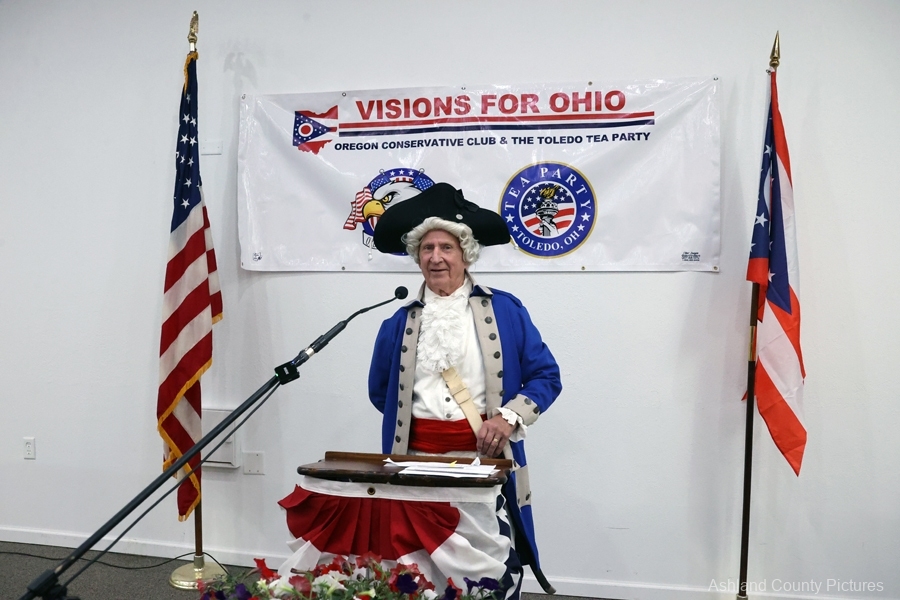
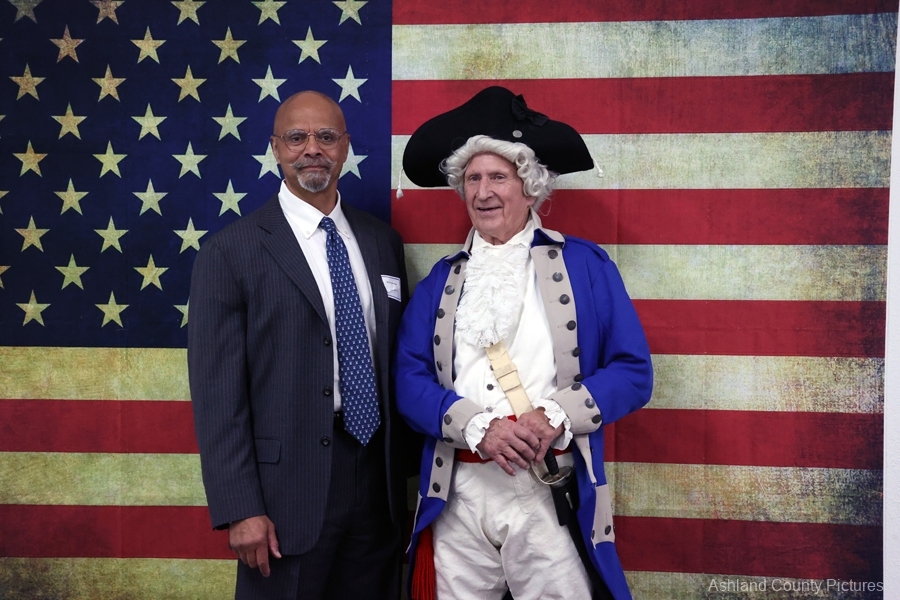
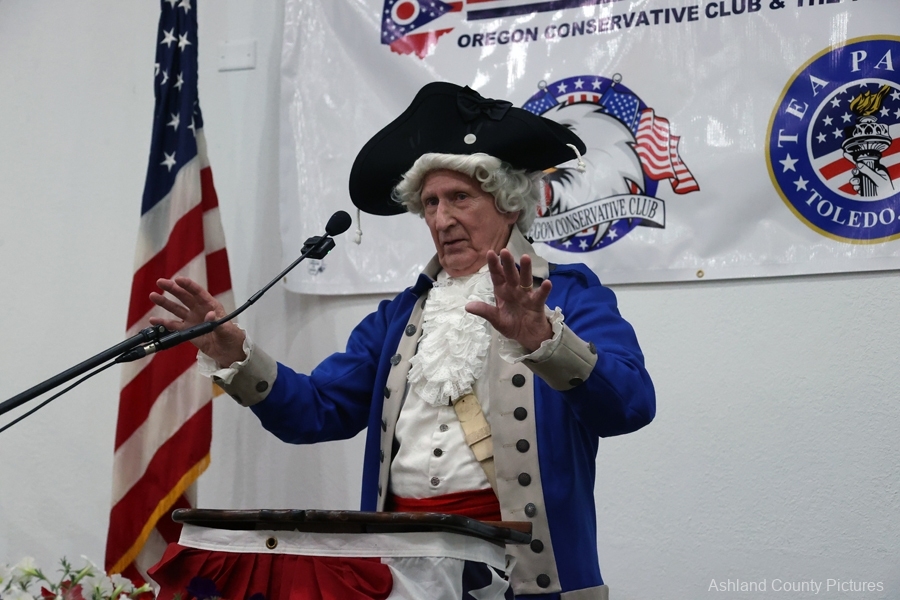
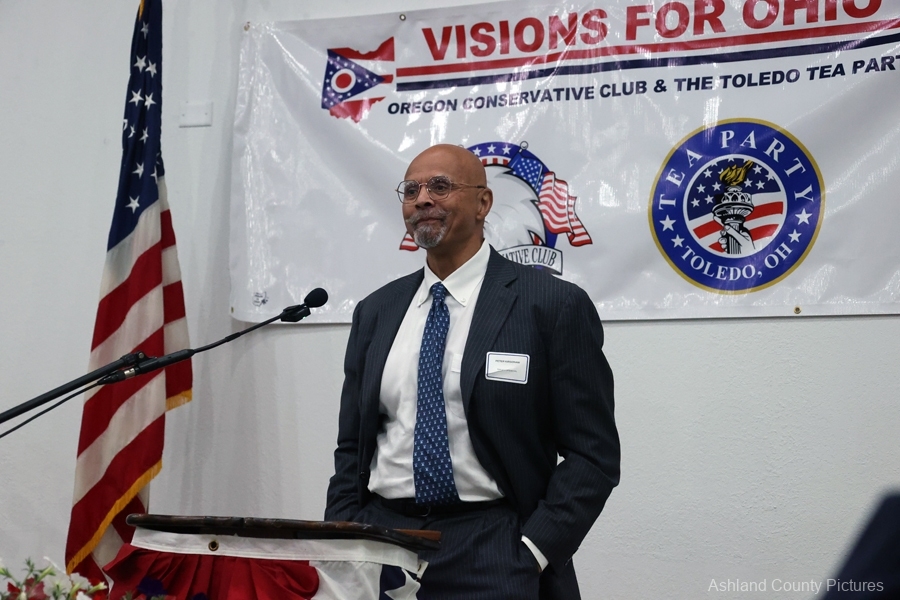
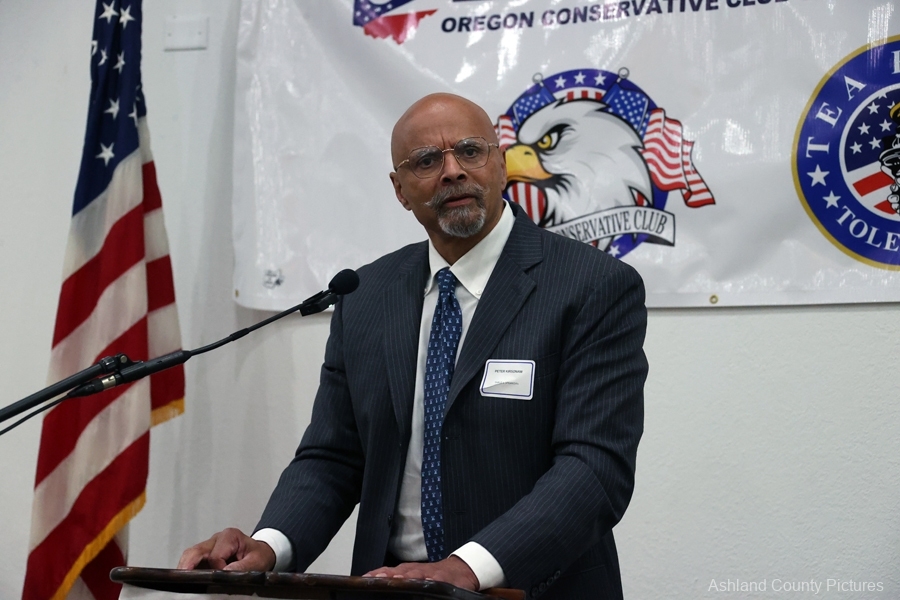
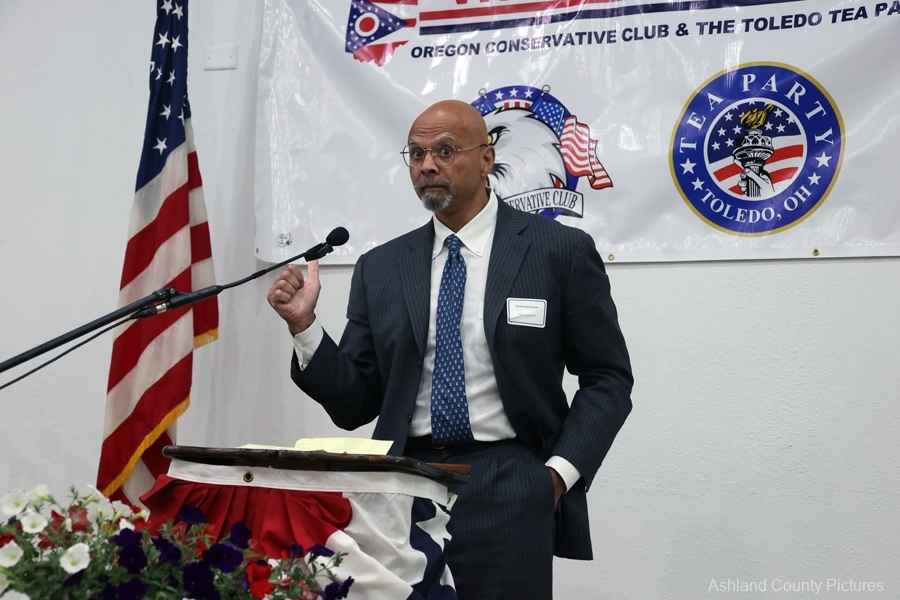
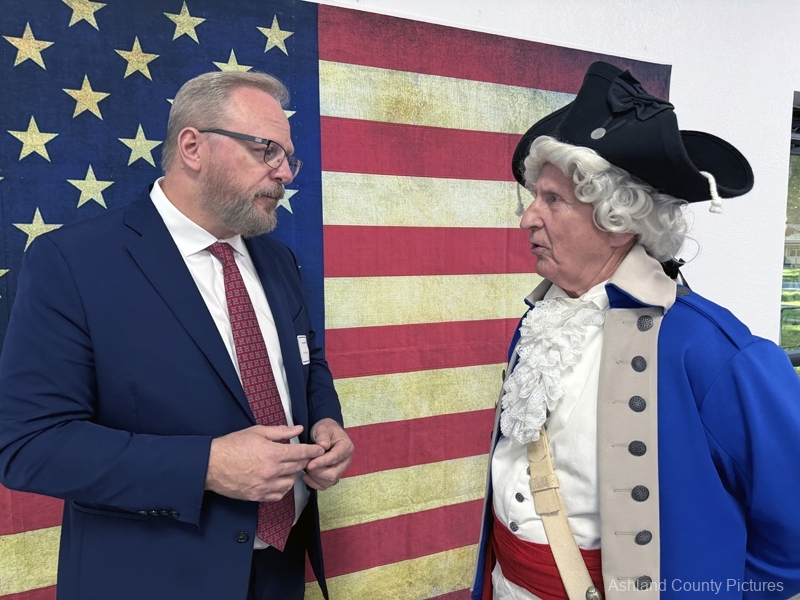
The banquet, held May 28, 2026, was hosted in support of the Oregon Conservative Club and Toledo Tea Party. The program featured Cleveland conservative media personality Bob Frantz as emcee, Peter N. Kirsanow as keynote speaker and Kenneth Hammontree, a historian and historical reenactor, portraying General George Washington.
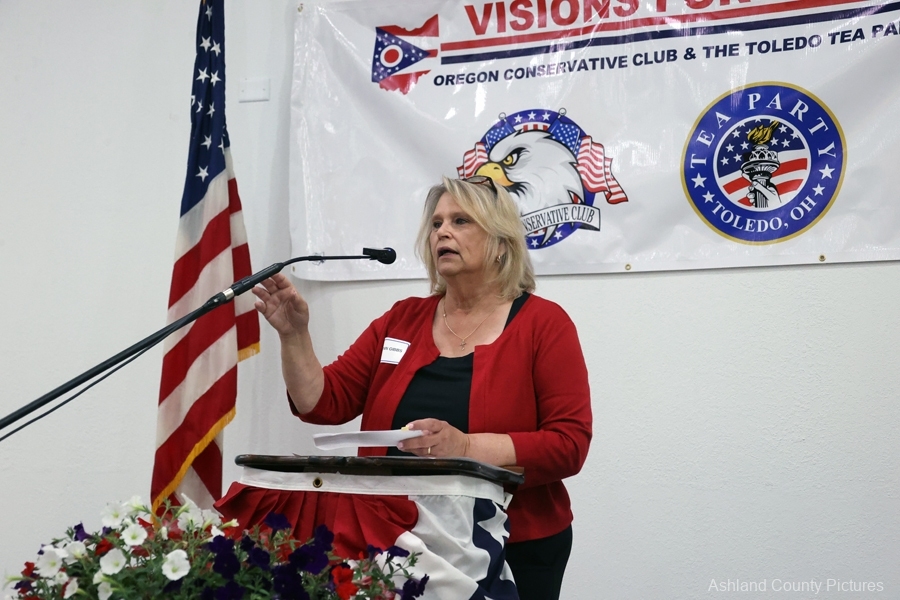
Lynn Gibbs, president of the Visions for Ohio Banquet Committee, welcomed those in attendance and said the event was designed to support education and civic engagement on issues including election integrity, government transparency, individual responsibility, pro-life advocacy, personal liberty and support for candidates and elected officials who share those values.
“Now more than ever we need to find and support conservative candidates who will continue to fight for us,” Gibbs wrote in her greeting to attendees.
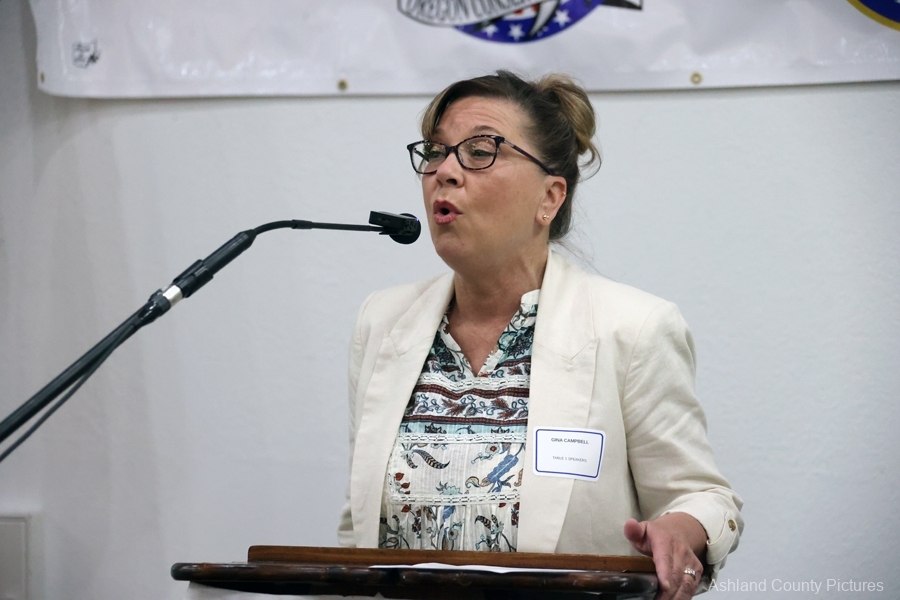
The evening opened with the National Anthem performed by Gina Campbell, a U.S. Army veteran and member of the GOP State Central Committee from Hancock County. Michael Edwards, a Navy veteran and former rescue swimmer who later served in the Army Reserves, led the Pledge of Allegiance.
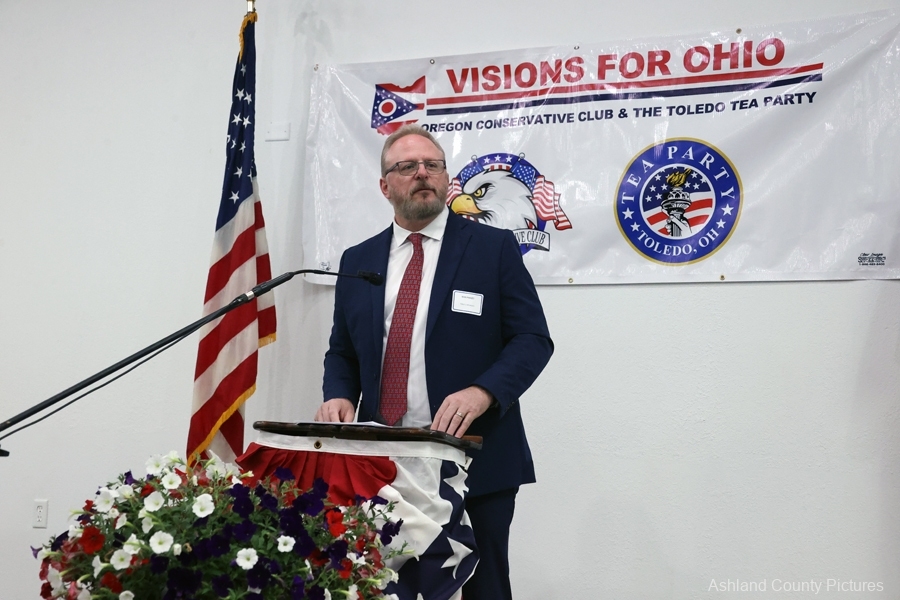
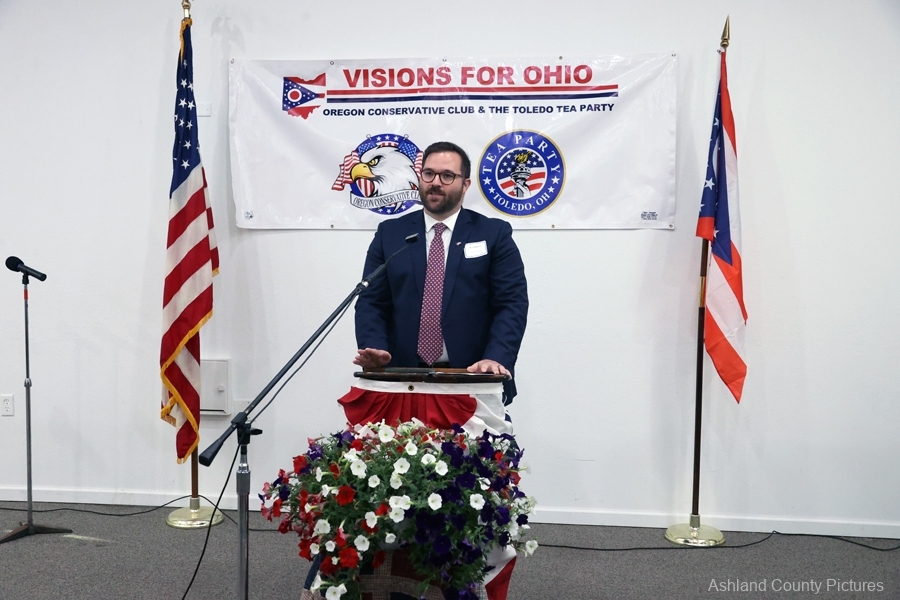
Ian Chamberlin, Republican candidate for the Ohio House of Representatives in District 41, delivered the invocation. Chamberlin reflected on the nation’s founding, quoting Benjamin Franklin’s call for prayer during the Constitutional Convention and saying good governance depends not only on human effort, but on “God’s providence and grace.” He said public service should be viewed not as an opportunity for self-glory, but as a responsibility to serve others.
Frantz then addressed the crowd, speaking about America’s founding and the meaning of the nation reaching 250 years since the Declaration of Independence. He said the founding generation consisted of ordinary people who did something extraordinary by standing against the most powerful empire in the world.
“Two hundred and fifty years since ordinary people did something extraordinary and changed not only American but world history forever,” Frantz said.
Frantz also spoke about Ohio’s future, saying conservatives must focus on limited government, parental rights, support for law enforcement, business growth, energy production and defending the Constitution.
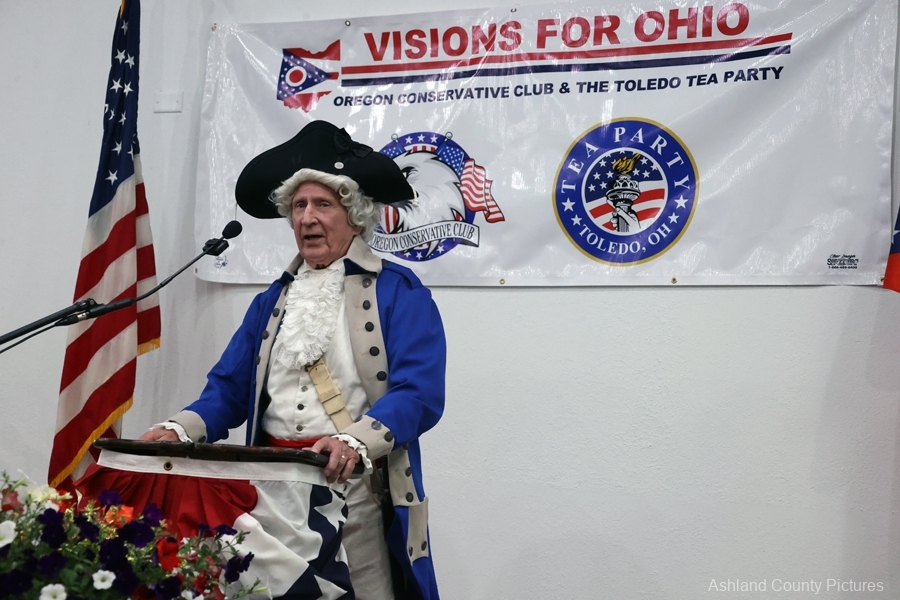
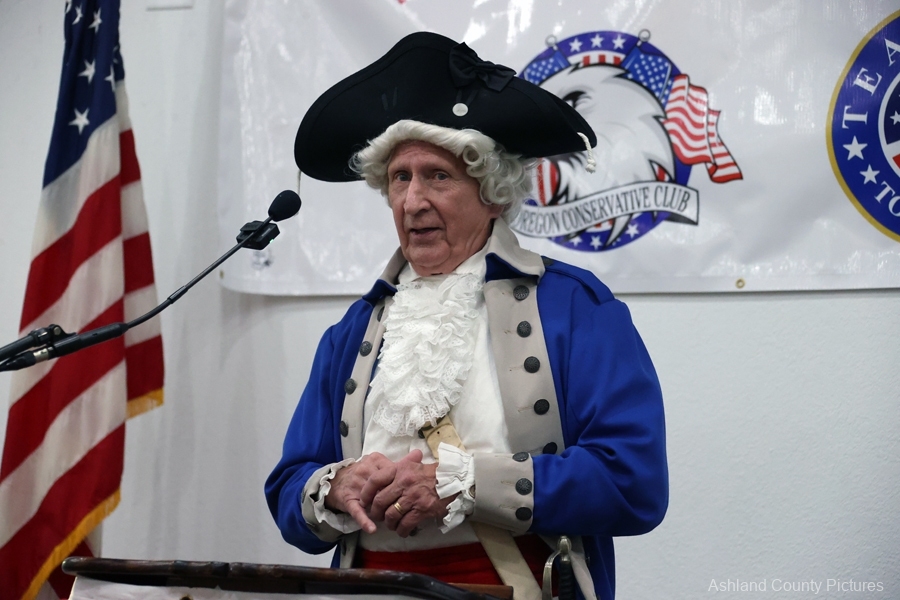
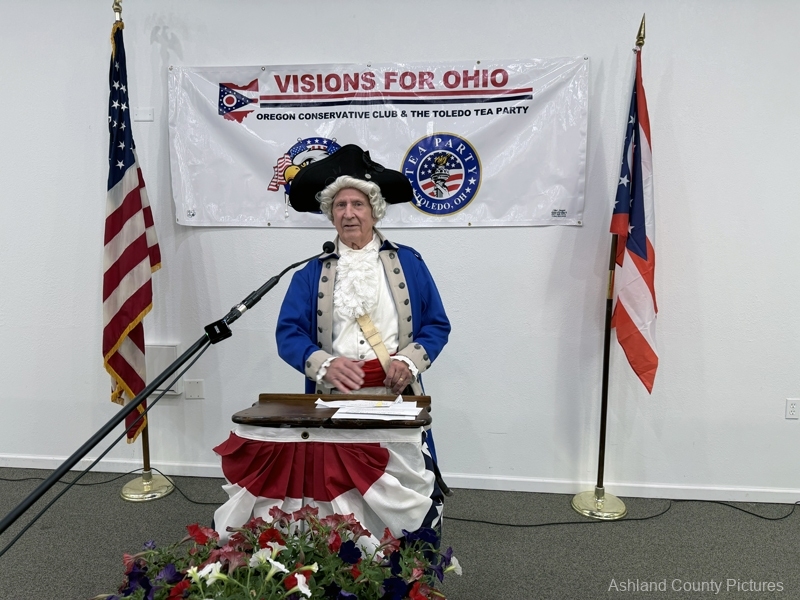
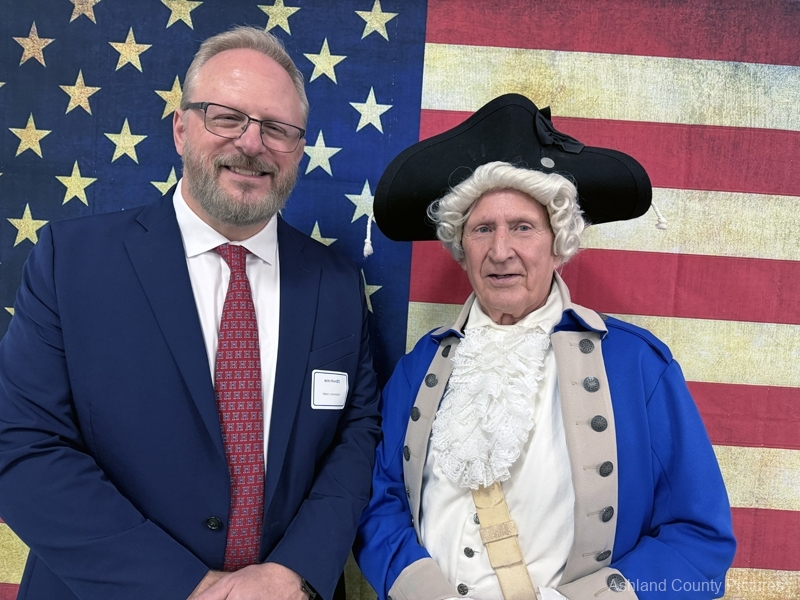
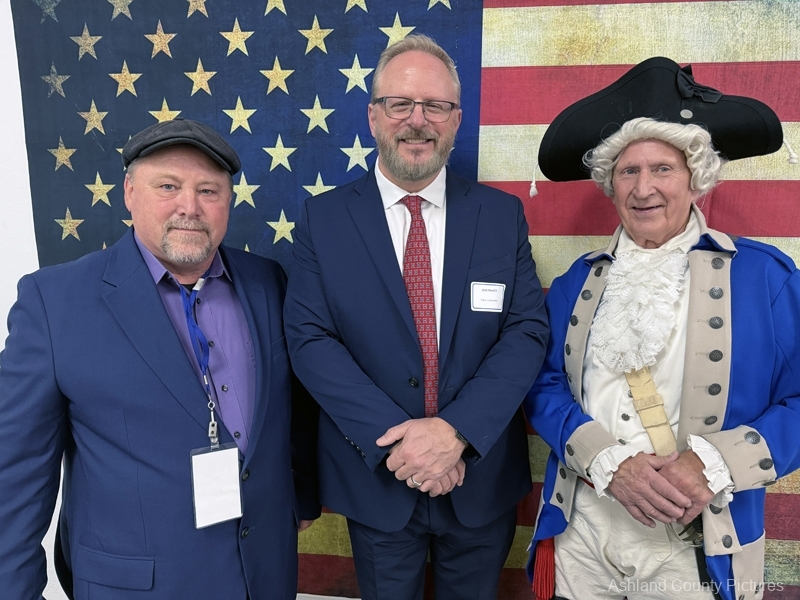
One of the major highlights of the evening came when Kenneth Hammontree appeared in character as General George Washington. Hammontree, who is well known for his educational Living History Productions, portrayed Washington during a dramatic retelling of the crossing of the Delaware River and the American victory at Trenton.
Speaking as Washington, Hammontree described the signing of the Declaration of Independence and the closing pledge made by the nation’s founders, their lives, fortunes and sacred honor. He told the audience that those words soon became reality for the men fighting for independence.
Hammontree described the Continental Army as young, poorly supplied and facing overwhelming odds. He said Washington’s army had once numbered around 18,000 men, but after losses in New York and New Jersey, it had dwindled to fewer than 6,000. He described many of the soldiers as young farm boys, some only 13, 14, 15 or 16 years old, with officers who were often only in their late teens or early 20s.
The reenactment focused on the desperation facing Washington’s army in December 1776. Hammontree described the loss of New York City, the defeats at White Plains, Harlem, Kip’s Bay and Fort Washington, and the need to do something bold before many enlistments expired on Jan. 1, 1777.
He told the crowd that Washington and his officers settled on a dangerous plan: cross the Delaware River on Christmas night, march nine miles to Trenton and attack the Hessian troops stationed there.
According to Hammontree’s portrayal, the secret code for the mission was “Liberty or death.” He described the soldiers preparing in bitter weather, many without proper shoes, coats or supplies. He said the men were given limited rations and wrapped their feet in cloth before the crossing.
As Hammontree told the story, the weather turned from rain to sleet and then into a heavy snowstorm. Large chunks of ice floated down the Delaware River, striking the Durham boats carrying Washington’s men across the water.
Despite the conditions, Hammontree said the army crossed without losing a man, horse or artillery piece. After reaching the other side, the exhausted soldiers were given only a short rest before marching toward Trenton.
Hammontree then described the attack on Trenton, saying the army split its forces, with one side attacking from the right and another from the left while artillery was placed overlooking King Street. He said the battle lasted about 45 minutes and ended with the capture of hundreds of Hessian troops.
“It was God’s miracle that saved our nation,” Hammontree said during the presentation.
The portrayal drew a standing ovation from the crowd.
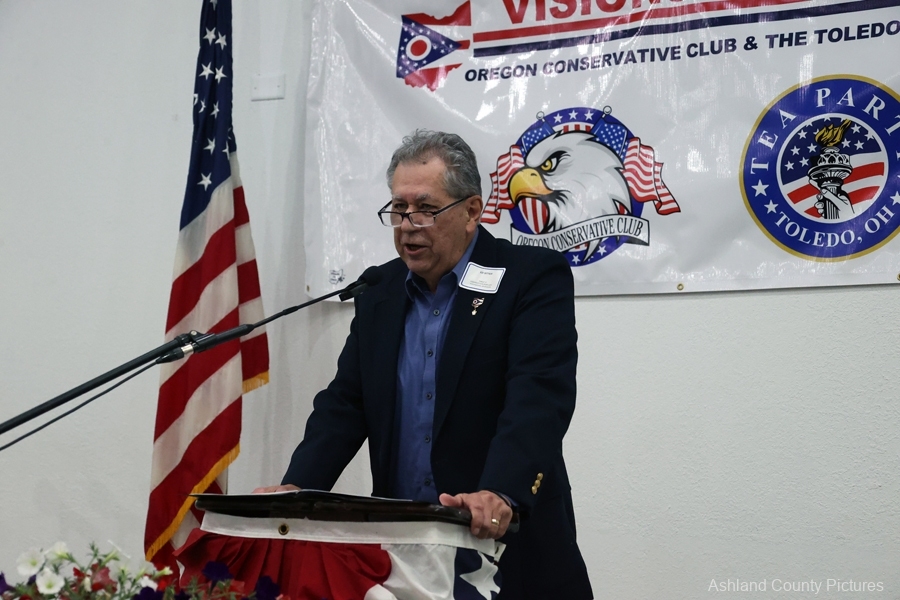
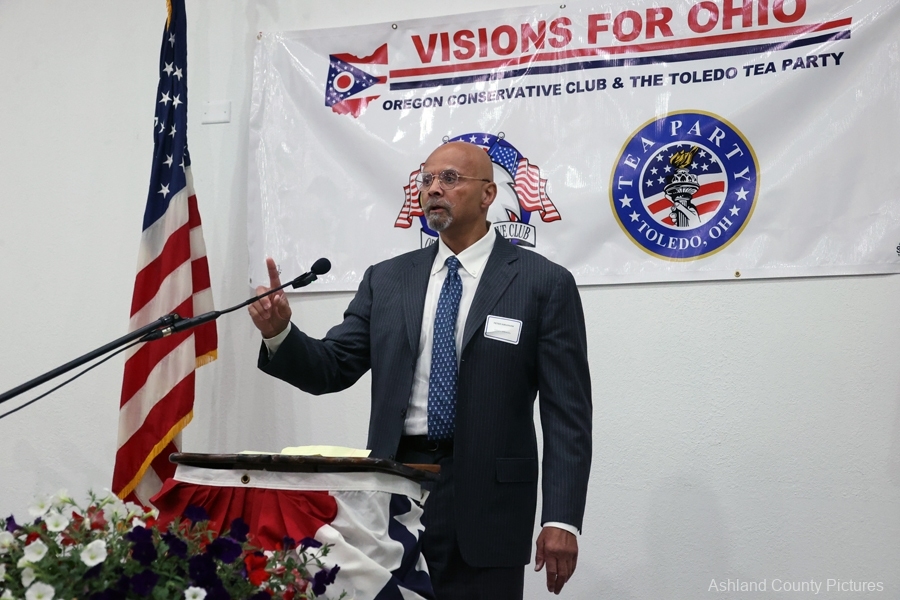
Following Hammontree’s presentation, Frantz introduced keynote speaker Peter N. Kirsanow, chairman of the United States Commission on Civil Rights and a former member of the National Labor Relations Board.
Kirsanow is a Cleveland attorney and partner in the labor and employment practice group at Benesch, Friedlander. His legal work includes employment-related litigation, contract negotiations, NLRB proceedings, OSHA and EEO matters and arbitrations. He has also testified before Congress on civil rights and labor issues and has testified during several U.S. Supreme Court nomination hearings.
Kirsanow began his remarks by sharing personal stories about meeting President Donald Trump. He recalled receiving a phone call after the 2016 presidential election asking him to come to Bedminster to meet with Trump, saying he initially believed the call was a prank from one of his former college football teammates.
Kirsanow said he later traveled to Bedminster and met with Trump and members of his team. He described Trump as personable, funny and much different than how he is often portrayed by the media. Kirsanow also said Trump asked him detailed questions about labor law and impressed him with how quickly he understood a complicated provision of the National Labor Relations Act.
He also recalled a later call from the White House Situation Room, after which he traveled to the Oval Office. Kirsanow said he again met with Trump and First Lady Melania Trump, describing the experience as memorable and unexpected for what he called “a little old Cleveland lawyer.”
After those personal reflections, Kirsanow turned to national issues. He told the audience that his work on the U.S. Commission on Civil Rights gives him a view into policy ideas and political strategies that he believes could affect the country’s future.
Kirsanow focused much of his keynote on immigration, border security and what he described as the demographic and political consequences of illegal immigration. He argued that illegal immigration affects congressional representation, the Electoral College, schools, national security and public resources.
He said illegal immigration is not only a border issue, but also a national security issue and a demographic issue. Kirsanow warned that population shifts can affect the number of seats states receive in Congress and, in turn, the number of electoral votes assigned to those states.
Kirsanow also raised concerns about foreign nationals crossing the border, including people from countries such as China and Russia, as well as individuals on terror watch lists. He questioned how many people entered the country without being apprehended and said Americans should be demanding more answers from elected officials.
He also discussed the cost of educating children who are in the country illegally, saying schools are legally required to provide education regardless of immigration status. Kirsanow said those costs place pressure on public resources and affect classrooms.
Kirsanow urged those in attendance to contact their elected representatives and remain persistent in demanding action on immigration and border security.
“If you care about the United States of America, if you’d like to preserve the United States of America as originally constituted, you must do something about this,” Kirsanow said.
The banquet program also included recognition of elected officials in attendance, remarks from Ed Sitter of the Foundation for Life and Greater Toledo Right to Life, dinner served by Black Forest Cafe staff, closing remarks, an auction and a drawing.
The Visions for Ohio Banquet Committee said the event was part of its continued effort to promote civic education and support leaders who share its mission for Ohio’s future.